businessbriefs
Highest rated

All briefs

561 briefs · 5965 min · 1–96 on page 1 of 6
10:04

Bear Stearns

Bear Stearns Companies Inc. · 1923

Bear Stearns collapsed because its business model depended on continuous short-term funding — and when counterparties stopped rolling over repo loans, liquidity vanished faster than capital could be deployed. Its balance sheet held value, but confidence did not. The firm was sold to JPMorgan Chase in a Fed-brokered fire sale.

10:34

Airbus

The European airliner maker as it stood in 1998: a consortium of national aerospace firms, bound by treaty and paid by airliner sales.
12:01

Birks Group

Henry Birks · 2005

Birks Group is the legal successor to Henry Birks and Sons — a Canadian jeweller founded in 1879, vertically integrated from design to retail, with manufacturing roots in Roden Bros. and national reach built through owned stores and co-branded acquisitions. Its 2005 merger with Mayors was a structural consolidation, not a new beginning.

7:56

Blockbuster (retailer)

Blockbuster didn’t lose to streaming — it lost to its own debt, its own late fees, and its own refusal to buy Netflix.
9:15

PayPal

eBay Inc. · 1998

eBay acquired PayPal on October 3, 2002, for $1.4–$1.5 billion. It shut down its competing Billpoint service three months later. PayPal became the dominant, user-chosen payment method on eBay — used in over 70% of auctions and ~25% of closed listings — and by Q3 2012 accounted for 40% of eBay’s revenue ($1.37B). The deal was not about innovation. It was about controlling the checkout.

9:15

Enron

Kenneth Lay & Jeffrey Skilling · 1985

Enron was an American energy, commodities and services company founded in 1985 through a merger. It grew into a major electricity, natural gas, communications, and pulp and paper company — then collapsed due to institutionalised, systematic accounting fraud. Its 2001 bankruptcy was the largest fraud-related bankruptcy in U.S. history. It reorganised as Enron Creditors Recovery Corp. in 2004.

9:24

Enron scandal

Enron didn’t fail because it gambled — it failed because its accounts were weapons, not records.
11:18

Ferrari

Enzo Ferrari · 1947

Ferrari is a racing operation that sells cars — not the reverse. Its business model depends on using road-car revenue to fund Scuderia Ferrari, which in turn validates the brand, justifies price premiums, and dictates engineering direction. It was never financially self-sustaining in racing alone. Enzo Ferrari maintained control of racing through every ownership change — including Fiat’s 1969 investment — because that control was the source of legitimacy, not the cars.

9:56

Noah Glass

Noah Glass built Twitter — then vanished from its story.
10:56

JBS S.A. ransomware attack

José Batista Sobrinho

JBS S.A. is the world’s largest meat processor by sales. On May 30, 2021, ransomware disabled its beef and pork slaughterhouses in the US, Canada, and Australia. It paid $11 million in Bitcoin. The White House attributed the attack to a Russian organisation; news outlets named REvil. REvil did not claim responsibility before its infrastructure vanished on July 13, 2021.

10:08

Mars family

A family that owns a candy company also owns the argument against taxing inherited wealth.
9:01

Mitsubishi

A federation of Japanese multinationals that began as a shipping firm in 1870, held together by a shared name and the Friday Conference.
9:35

Rolls-Royce Limited

Henry Royce · 1906

Rolls-Royce Limited was not a luxury brand first — it was an engineering firm that built cars to prove its method, then switched to aero-engines to survive war, then bet its existence on jet engines. Its collapse in 1971 was not a failure of ambition or invention. It was a failure of cost control in a single programme.

9:56

Signature Bank

A bank that grew fast, governed informally, and hid inconsistent data from regulators — until $10 billion fled in two days.
11:08

Intermodal container

Malcolm McLean · 1934

Malcolm McLean’s intermodal container was not an invention but a system — built around a 35-foot steel box sized for Pennsylvania highways, secured by Tantlinger’s corner castings and twistlocks, and operated by Sea-Land’s vertically controlled ships and cranes. It cut port handling time to eight hours — but only on one ship, at one port, under one company’s control. The real innovation was enforcing standardisation through ownership, not designing a better box.

9:58

Family tree of Thomson family

Thomson family

The Thomson family is a dynastic holding structure anchored by a UK hereditary peerage and centred on The Woodbridge Company. Its wealth is not generated by visible operations but preserved by title, trust law, and concentrated private ownership. Sherry Brydson’s 23.47% stake is the sole quantified anchor of its financial claim. No public revenue, valuation, or operational detail is disclosed — only lineage and control.

11:14

Washington Mutual

Washington Mutual didn’t fail because it was reckless — it failed because regulators treated it as too big to fail, then seized it the moment it became too big to save.
10:09

Wirecard scandal

Wirecard didn’t fail because auditors missed fraud — it succeeded because the system rewarded obfuscation.
9:47

WorldCom scandal

Accounting fraud isn’t buried in footnotes — it’s 49 identical journal entries, made without documentation, to turn losses into profits.
10:55

Free (ISP)

Xavier Niel · 1999

Free is a vertically integrated French ISP that built its own networks, hardware, and pricing model — rejecting reliance on incumbents and subscription lock-in. It achieved profitability and low churn through infrastructure control and disciplined bundling, not venture funding or hype.

10:18

Aldi

Karl Albrecht · 1946

Aldi is not a single company. It is two legally and financially separate firms — Aldi Nord and Aldi Süd — born from a 1960 split triggered by a disagreement over cigarettes. They share a name, a cost-cutting method, and a lineage, but no ownership, no shared board, and no central strategy. Their model works because it eliminates variables: no fresh produce, no advertising, no unsold stock, no large stores, no rebates beyond the legal 3%. By 1960, that method had scaled to 300 stores. Family control ended by 2002. The business survives not through narrative, but through subtraction.

10:16

GLOBUS

A Norwegian radar system that answers to Oslo on paper — and to Vandenberg on the circuit board.
10:58

Godrej & Boyce

Ardeshir Godrej · 1897

Godrej & Boyce is not a story of disruption but of continuity — sustained by refusing to outsource precision, testing claims in fire, and anchoring engineering to national need. Its business model has never been about scaling a single product, but about retaining sovereign capability across generations.

10:20

Lean manufacturing

Lean manufacturing is not about cutting waste — it’s about who gets to define what waste is.
10:19

Andrew Mellon

Mellon didn’t build a business — he built a fiscal infrastructure, and then rewrote the tax code to protect it.
9:14

Migros

Gottlieb Duttweiler · 1925

Migros is a Swiss retail cooperative founded in 1925 in Zurich by Gottlieb Duttweiler as a private enterprise delivering six staple goods via five lorries to households with limited market access.

10:22

Rupert Murdoch

Murdoch didn’t build a media empire — he hacked national media regulations, one citizenship and one tabloid at a time.
10:18

QatarEnergy

QatarEnergy isn’t a company — it’s the Qatari state’s hydrocarbon treasury, fused with its policymaking apparatus.
10:39

Sumner Redstone

He didn’t build media. He bought the keys to the vaults — and kept the doors locked.
11:07

Assembly line

The assembly line is not innovation — it is enforced discipline disguised as progress.
10:48

Transneft

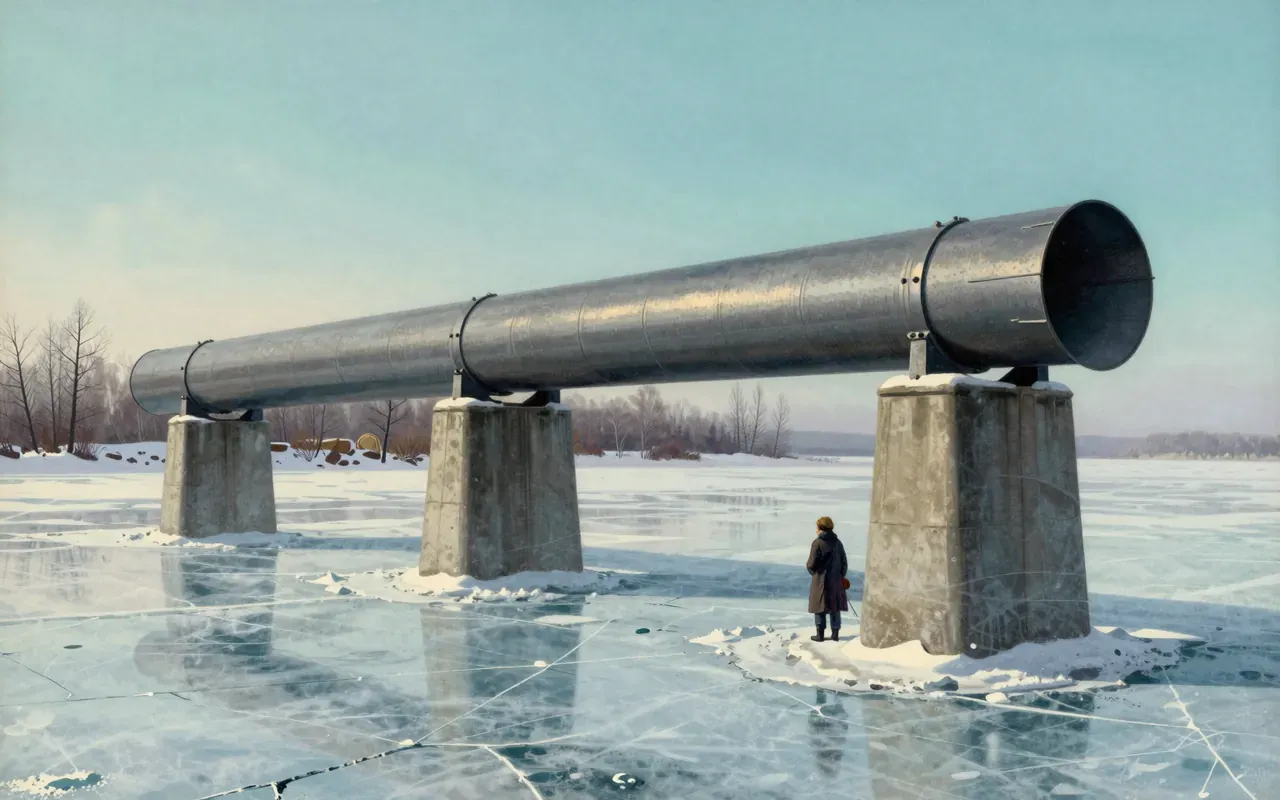
Transneft isn’t a pipeline company — it’s Russia’s oil circulatory system, state-built, state-run, and state-priced.
10:40

Amgen

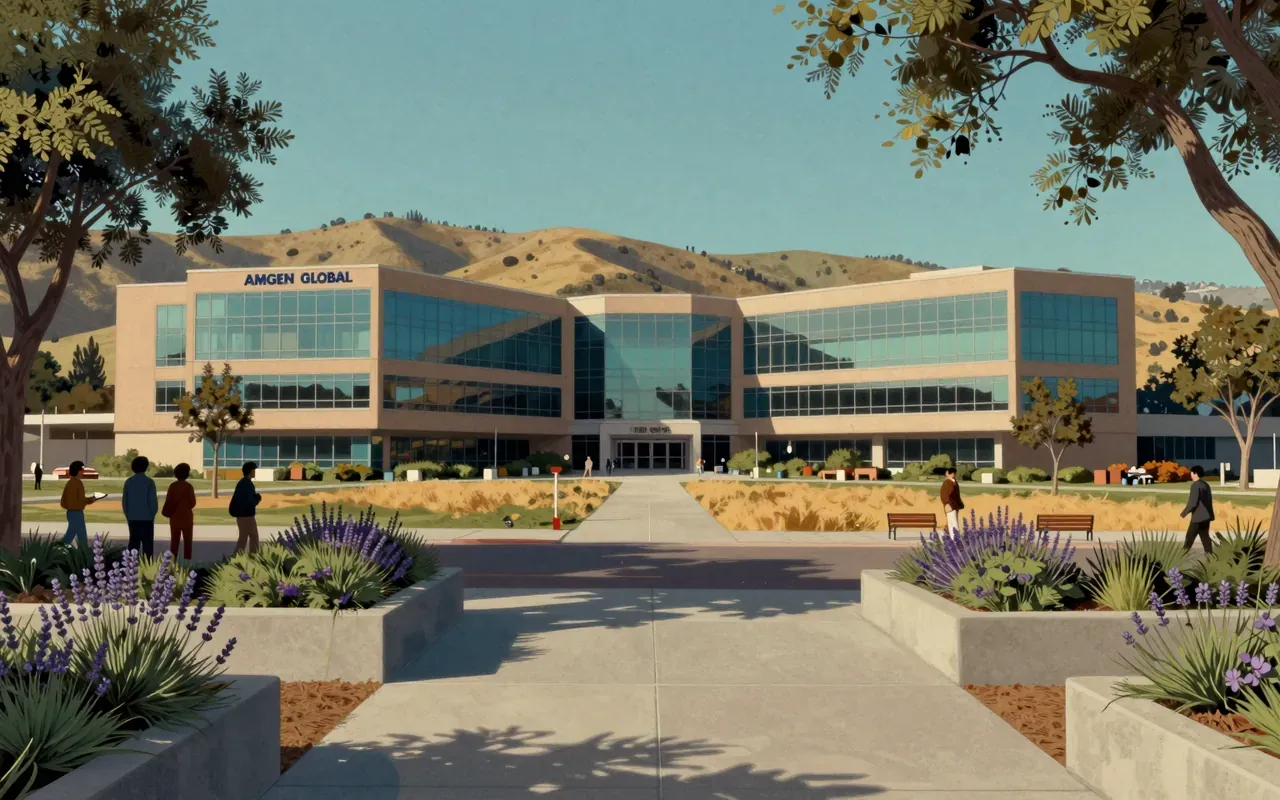
Amgen didn’t disrupt pharma — it proved that cloning one human gene at a time could build a billion-dollar company.
11:36

Canadian Pacific Railway

William Cornelius Van Horne · 1881

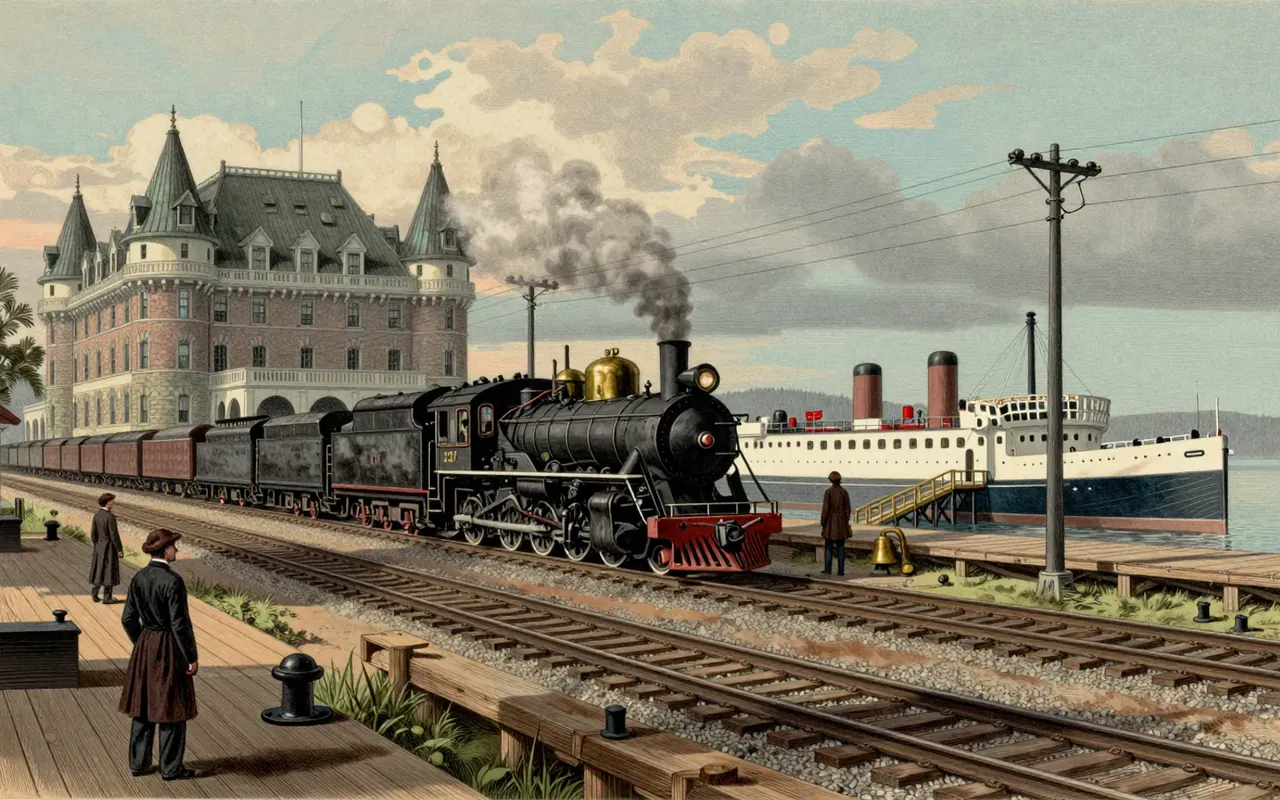
The Canadian Pacific Railway was not a startup, nor a disruptor — it was a state-contracted infrastructure monopoly, executed under tight political deadline and scaled through vertical integration. Van Horne’s genius lay not in invention but in orchestration: he turned a rail line into a self-reinforcing system of movement, messaging, lodging, and shipping — all funded by federal land grants, bonds, and tariffs, not market demand. Its success was geopolitical, not financial; its durability came from control of geography, not innovation.

10:16

Andrew Carnegie

Carnegie didn’t build a steel company — he built a logistics-and-process monopoly disguised as manufacturing.
10:06

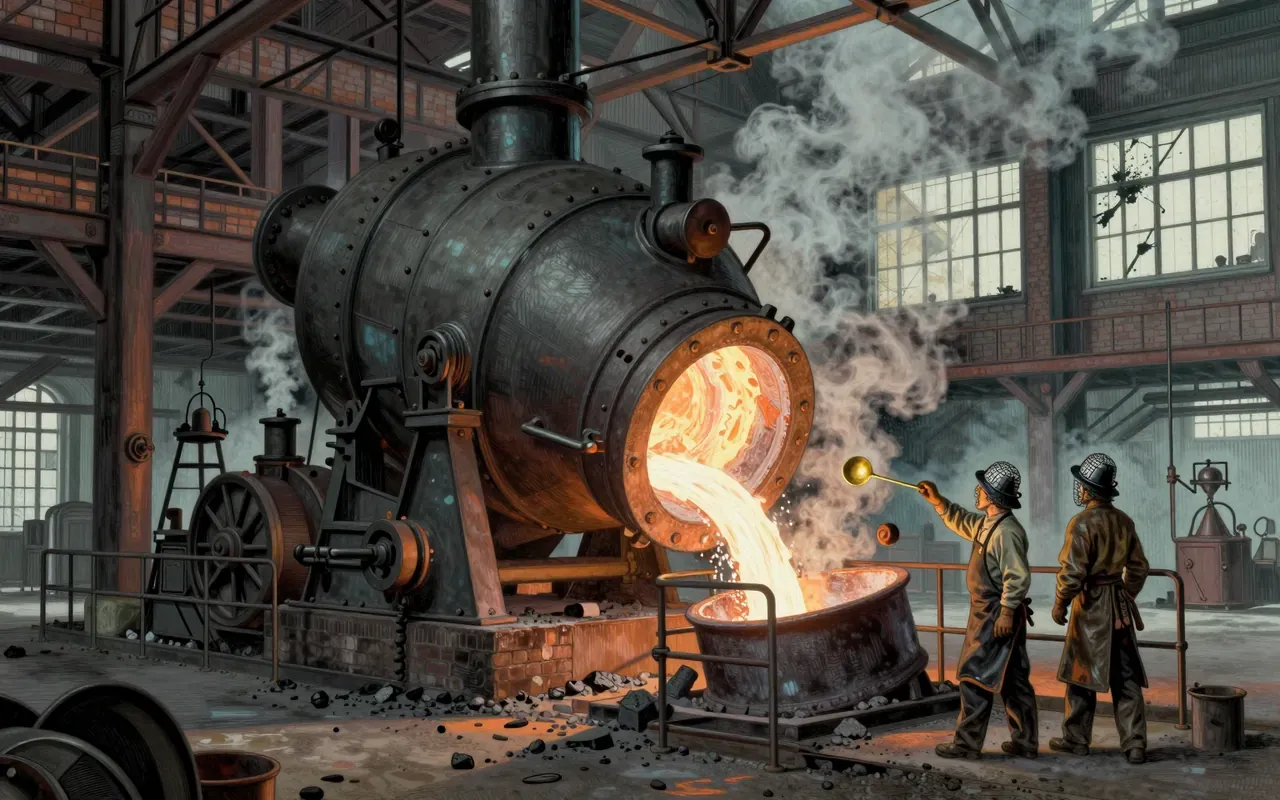
Caterpillar Inc.

Benjamin Holt · 1925

Caterpillar Inc. is the world's largest construction equipment manufacturer, founded in 1925 via merger, but rooted in Benjamin Holt’s continuous-track tractor innovation of 1904–1907.

11:11

CME Group

Leo Melamed · 2007

CME Group is a vertically integrated derivatives infrastructure operator. It runs exchanges, provides mandatory central clearing, and operates two spot platforms. In 2025, 81% of its revenue came from clearing and transaction fees, charged at $0.70 per contract across over 7 billion contracts. Volume increases during market volatility — a mechanical, observable feature. Its Bitcoin spot launch in May 2024 has no reported volume or revenue impact. Every major innovation — currency futures (1972), Globex (1987), IPO (2002) — was structural, not product-led.

10:51

De Beers

Cecil Rhodes · 1888

De Beers is a case study in artificial scarcity — built not on geology or technology, but on merger, capital, and contract.

12:05

Eli Lilly and Company

Eli Lilly · 1875

Eli Lilly and Company is a foundational case in how business infrastructure — not just discovery — creates pharmaceutical power. Its early bets on quality control, prescription gatekeeping, and regulation were deliberate, profitable, and durable. The sources confirm no modern financials or valuations, so analysis must stay anchored in its documented methods and milestones.

10:41

FEMSA

Eugenio Garza Sada · 1890

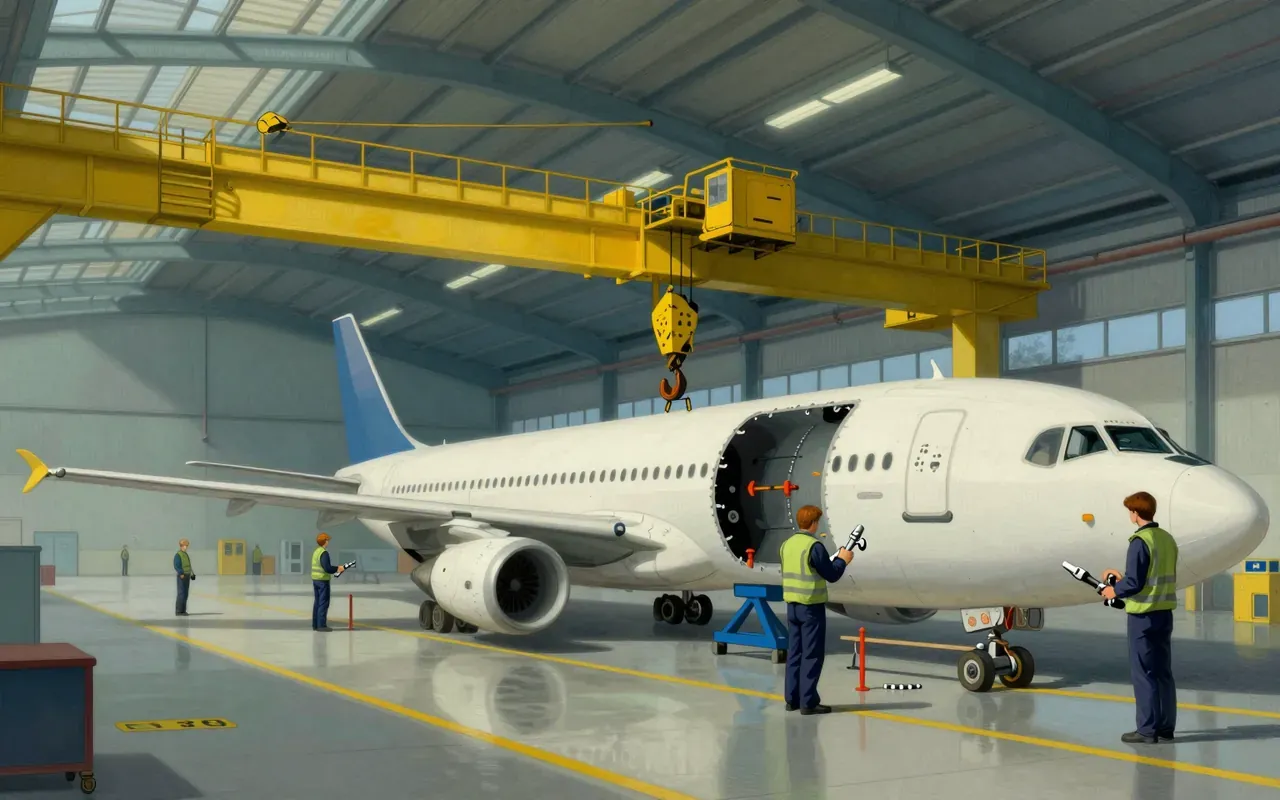
FEMSA is a Mexican multinational beverage and retail company headquartered in Monterrey, operating the largest independent Coca-Cola bottling group in the world and Mexico’s largest convenience store chain. It reports US$26.9 billion in revenue (2019), ranks fifth-largest company in Mexico, and operates across Latin America via bottling plants, convenience stores, drugstores, fuel stations, and third-party logistics—and in the US via jan-san distribution. Listed on the Mexican Stock Exchange since 1978 and NYSE ADRs since 1998. FEMSA is the holding company of Cuauhtémoc Moctezuma Brewery—the culmination of Eugenio Garza Sada’s industrial expansion from a single brewery into Grupo Valores Industriales, which included Fábricas de Monterrey (1920), HYLSA (1942), Empaques de Cartón Titán (1936), and multiple acquired breweries.
11:13

Fiat

Giovanni Agnelli · 1899

Fiat’s early success came from disciplined scaling, not invention. It built volume, listed publicly, and dominated Italy’s auto market — all before 1910. Its story is about capital, control, and concrete.

11:32

Bankruptcy of FTX

A crypto exchange built on interlocking debt, not deposits — and bankrupt within nine days of its first public red flag.
11:16

Gazprom

A state monopoly isn’t an accident of history — it’s a legal instrument, and Gazprom is its most fully realised form.
9:53

Glencore

Marc Rich · 1974

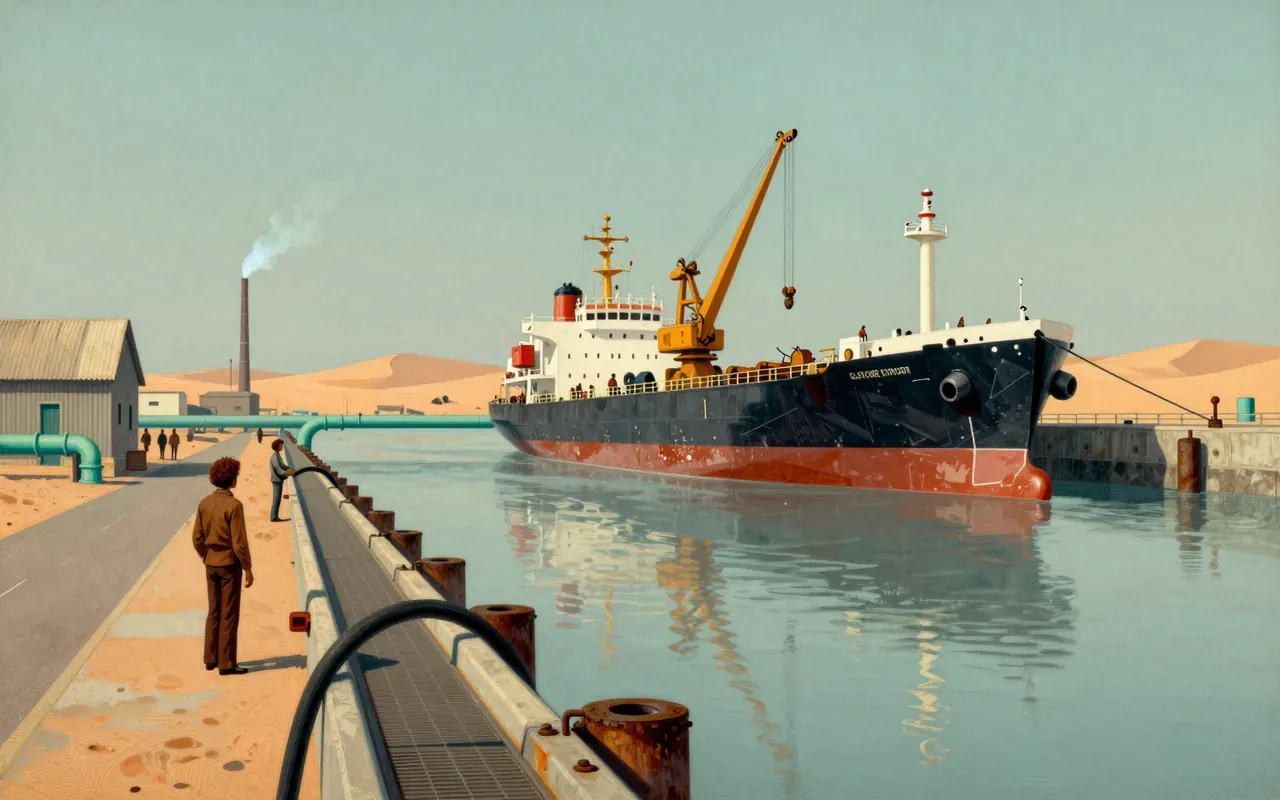
Glencore is a vertically integrated commodity trader and miner whose power rests on controlling physical flows — especially zinc and copper — across jurisdictions. It emerged from Marc Rich + Co AG in 1994 after Rich was forced out following a failed zinc market corner. Its structure splits legal registration (Jersey), operational HQ (Baar), and oil-and-gas command (London). It holds no disclosed valuation or margin, but its 2010 market shares — 60% in zinc, 50% in copper — show where its leverage lies: not in brands or code, but in tons moved, stored, and priced across borders.

10:46

Imperial Oil

Rockefeller Standard Oil · 1880

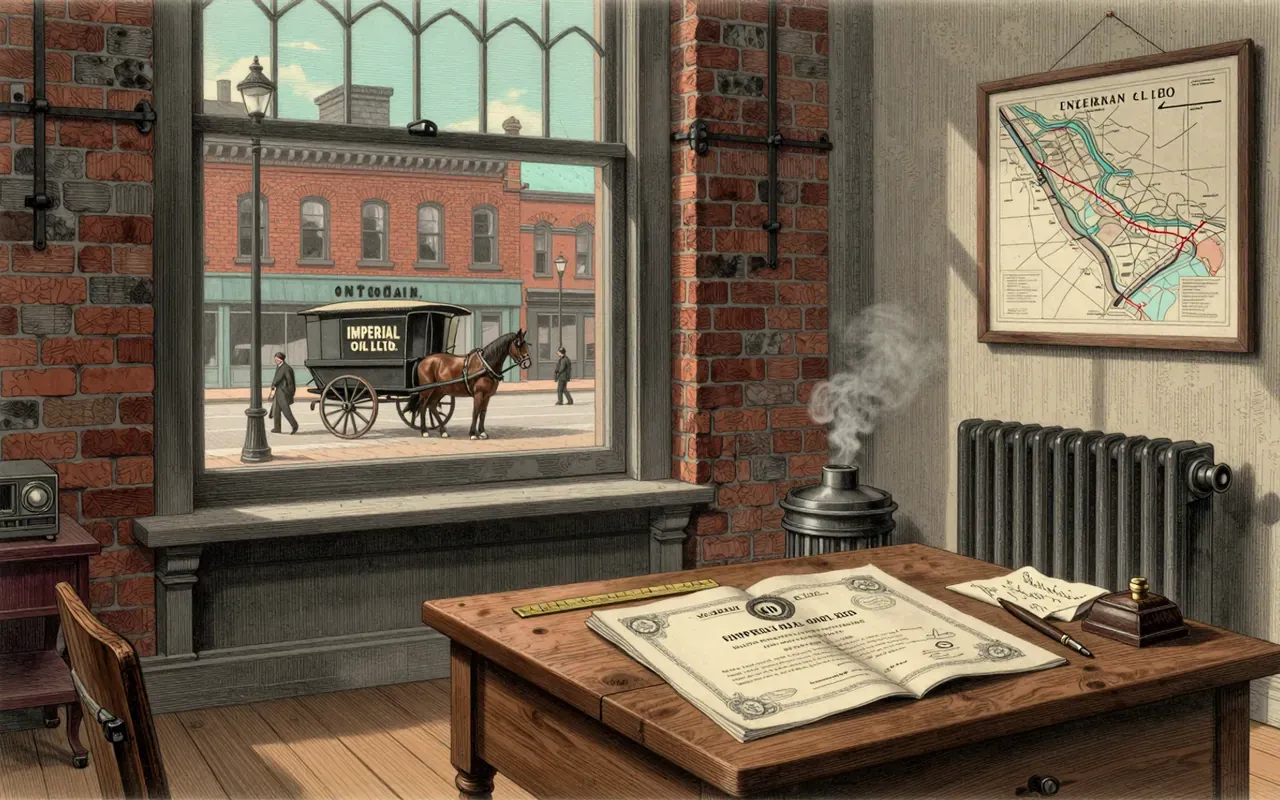
Imperial Oil was founded in 1880 as a Canadian response to Standard Oil’s expansion — a deliberate replication of Rockefeller’s integrated model. It quickly controlled 85% of national refining capacity. After failing to secure British ownership, its board sold 75% to Standard Oil in 1898, absorbing its Canadian subsidiaries. Post-1911 antitrust breakup, Imperial remained legally distinct but was wholly assigned to Jersey Standard — becoming Standard Oil’s exclusive vehicle for Canadian operations.

9:48

National Iranian Oil Company

NIOC isn’t an oil company—it’s the Iranian state’s legal claim on hydrocarbons, written into law in 1951 and measured in gigatonnes of CO₂.
10:01

Johnson & Johnson

Robert Wood Johnson · 1886

Johnson & Johnson began as a vertically integrated supplier of standardised, sterile medical consumables — selling trust, training, and readiness, not cures.

10:33

Morris Chang

He didn’t bet on Asia — he measured yield in Texas and Japan, then moved the factory.
10:28

Paccar

A 119-year-old truck maker that never needed a pivot — because it never mistook hardware for strategy.
10:12

Peugeot

Armand Peugeot · 1810

Peugeot is the oldest car company in the world — but only because it formalised its automobile division in 1896, 86 years after its founding as a steel foundry. Its success came not from breakthrough invention, but from disciplined technology adoption, rapid iteration, and industrial scaling.

10:40

Qantas

Hudson Fysh · 1920

Qantas was founded as a government-enabled airmail service — not a passenger airline — and its early survival depended entirely on public infrastructure needs, not market demand.

10:44

Renault

Louis Renault · 2002

Renault’s early business was built on three concrete moves: selling before incorporation, vertically integrating engine production, and dominating municipal taxi supply — not on vision, branding, or disruption.

10:17

John D. Rockefeller

Standard Oil didn’t break the rules—it exploited the absence of them, until the Supreme Court caught up.
10:10

Sainsbury's

John James Sainsbury · 1869

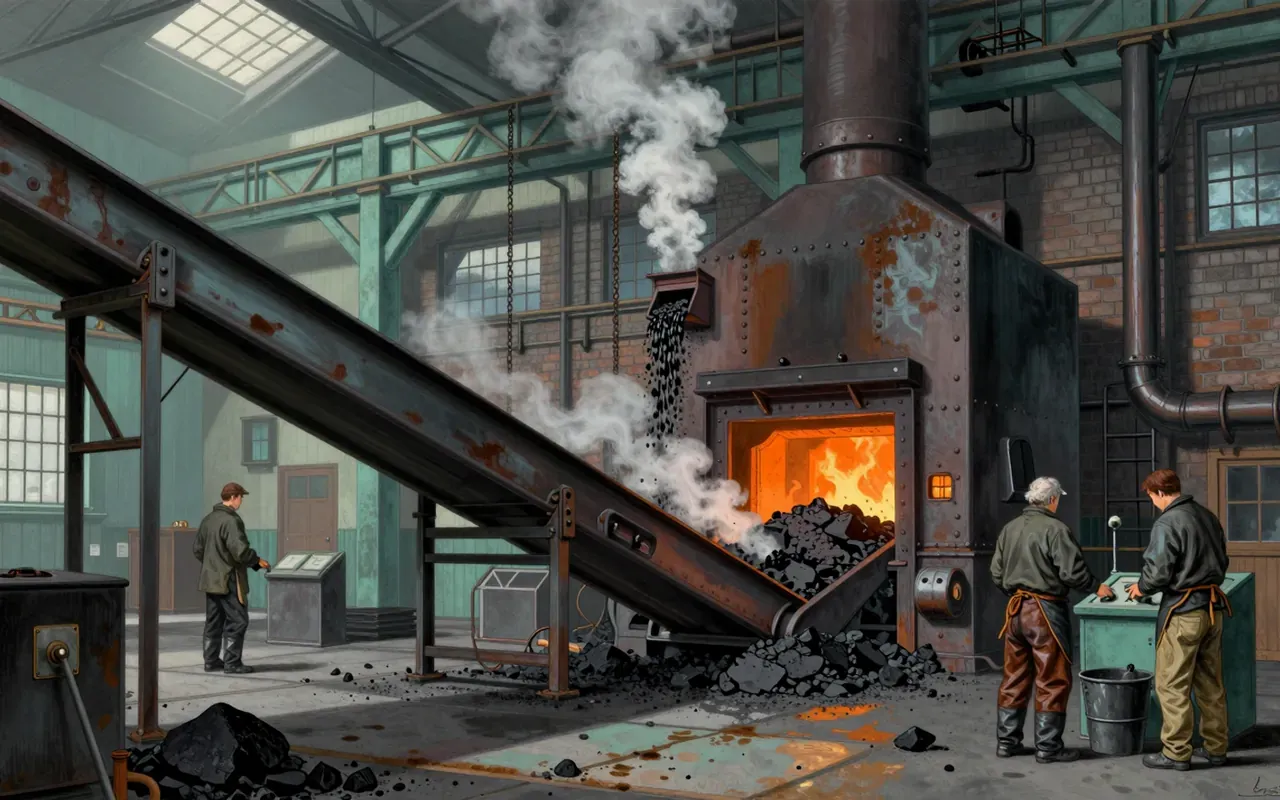
Sainsbury’s is the second-largest UK supermarket chain. It was the largest UK grocery retailer for most of the 20th century. It was founded in 1869 as a partnership by John James Sainsbury and Mary Ann Sainsbury at 173 Drury Lane in London. It began selling fresh foods and later expanded into packaged groceries. Its founding philosophy was 'Quality perfect, prices lower'. It used distinctive cast-iron signage, offered home delivery, and prioritised centrally located shops for better display and cooling before refrigeration existed. It grew to 128 stores by 1928 and remained a family business throughout Sainsbury’s lifetime. He served as Chairman and Governing Director from incorporation in 1922 until his death in 1928.
9:13

Tesco

Jack Cohen · 1919

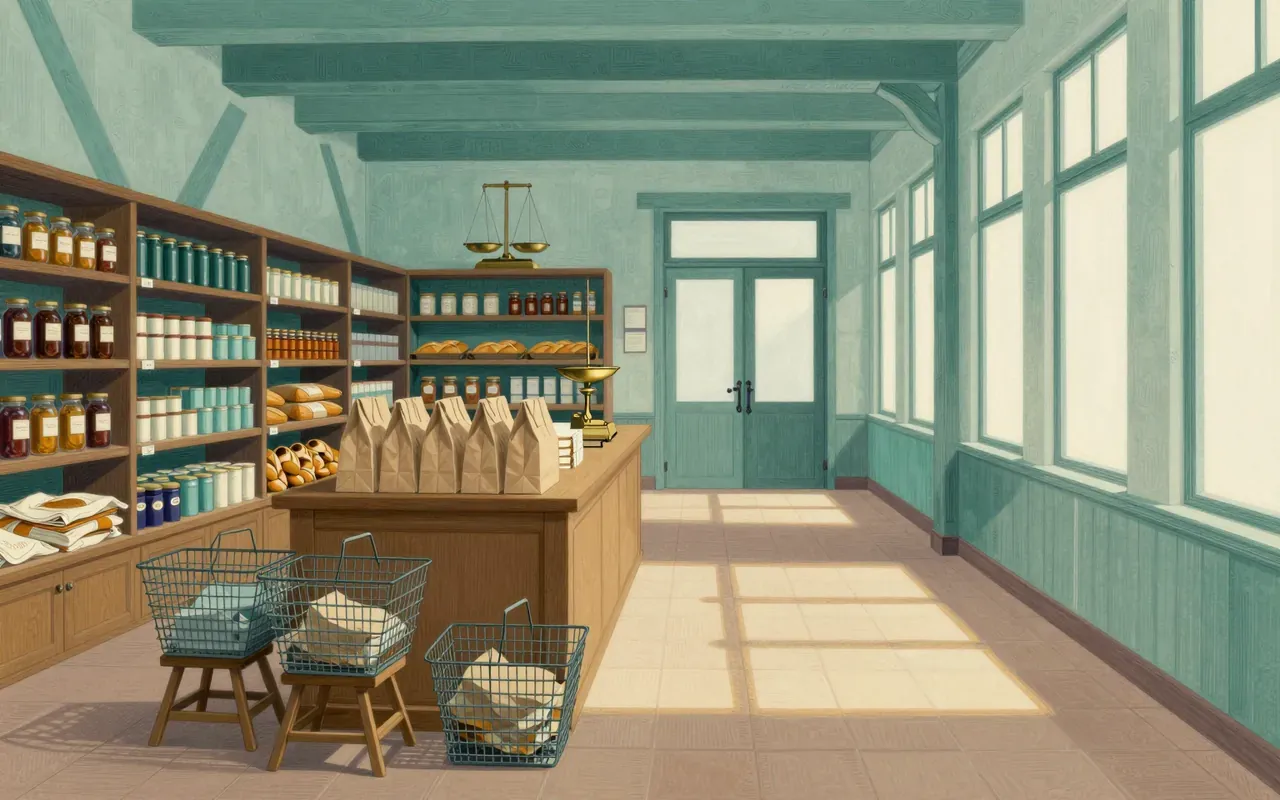
Tesco is a British multinational groceries and general merchandise retailer headquartered in Welwyn Garden City, England. It was founded in 1919 by Sir Jack Cohen in Hackney, London, beginning with a market stall selling war-surplus groceries. The Tesco brand emerged in 1924 from supplier initials and Cohen’s surname. The first dedicated shop opened in 1931 in Edgware. It was floated on the London Stock Exchange in 1947. It pioneered self-service (1948) and supermarket formats (1956). Cohen’s core business method was 'pile it high and sell it cheap' and the motivational internal motto 'YCDBSOYA'.
10:43

Ted Turner

Turner didn’t build a media company — he built a regulatory arbitrage engine disguised as a broadcaster.
10:45

Volvo

Assar Gabrielsson · 1927

Volvo’s origin was not a corporate spin-off or investor-backed startup. It was a personal bet — financed by commissions saved in Paris, structured around a high-risk contract, validated by ten physical prototypes, and launched only after institutional rejection. Its early revenue came from trucks, not cars. Its founding story contradicts the myth of visionary consensus — it was a solo act of leverage, execution, and timing.

11:42

Activision

David Crane & others · 1979

Activision’s founding was a contractual rupture, not a technological leap. It turned programmer identity and shelf presence into revenue — and proved third-party publishing could exist only after winning in court.

10:03

Adolf Dassler

Adolf Dassler built Adidas not with slogans or stories — but with spikes, shark skin, and athletes’ feet.
9:59

Adobe Inc.

John Warnock & Charles Geschke · 1982

Adobe’s founding story is not about creative tools—it is about control of a foundational layer: the language that told printers what to print. That decision, made in a garage in 1982, let Adobe license across hardware and software ecosystems before ever selling to end users. Everything else came later—and is absent from the verified record.

10:34

Akio Morita

Sony didn’t win by inventing more — it won by licensing smarter, branding bolder, and controlling software before anyone else thought to ask.
9:33

Allianz

The world’s largest insurer insured Auschwitz — and kept growing.
10:57

Bill Gates

Bill Gates didn’t build Microsoft by writing better code—he built it by defining what counted as theft.
9:16

Blockbuster (retailer)

David Cook · 1985

Blockbuster’s story is not about disruption — it is about refusal. It controlled distribution, not demand. It priced convenience as punishment. Its collapse was mechanical, not mystical.

11:49

Boehringer Ingelheim

Albert Boehringer · 1885

Boehringer Ingelheim is a rare case of sustained private ownership enabling both technical continuity (from lactic acid to biopharma) and social infrastructure (welfare policies pre-dating national systems). Its business model is not about disruption but compound discipline: owning the science, the scale, and the staff.

10:04

BP

William Knox D'Arcy · 1908

BP’s origin story is not about entrepreneurship or engineering — it is about a sovereign concession enabling extraction. Its business model depends on controlling physical assets and political access, not market creation or product innovation.

10:58

Daewoo

Kim Woo-choong · 1967

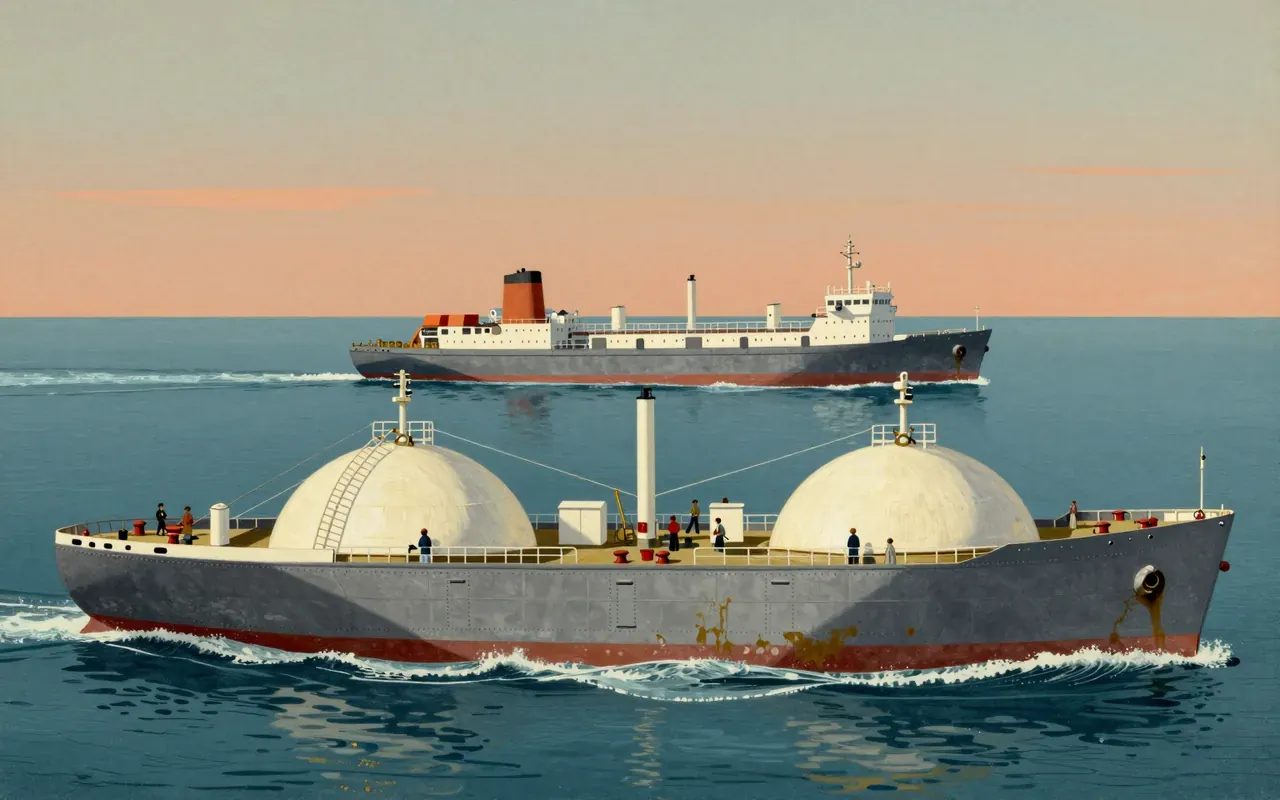
Daewoo was a South Korean chaebol founded in March 1967 by Kim Woo-choong as a small textiles trading corporation. It expanded using government-sponsored cheap loans tied to export potential, acquiring near-bankrupt companies across shipbuilding, electronics, and automotive sectors. By the 1990s, it ranked second largest in assets and third in revenues among South Korean conglomerates. It collapsed in November 1999 with $50 billion in debt after the 1997 Asian financial crisis exposed its reliance on continuous credit. Its story reveals how state-backed finance can substitute for profitability — until it cannot.
9:56

Danone

Isaac Carasso · 1919

Danone’s origin is a tightly documented sequence: a Barcelona workshop, a legal name fix, physician validation, pharmacy distribution, then expansion. No funding rounds, no founder mythmaking — just regulatory adaptation and clinical credibility turned into commerce.

11:24

The Walt Disney Company

Walt Disney · 1923

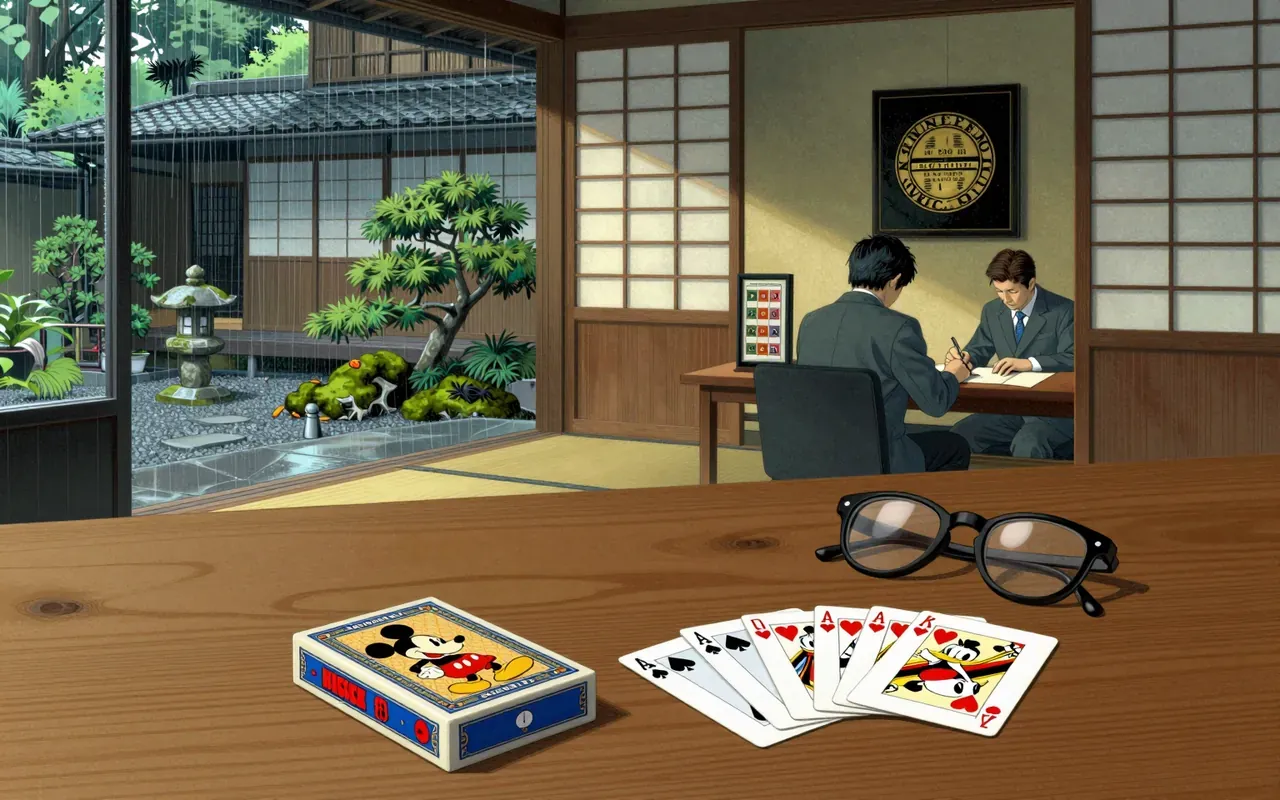
The Walt Disney Company is an American multinational mass media and entertainment conglomerate founded on October 16, 1923, as the Disney Brothers Studio by Walt and Roy Disney in California. It rose to prominence in animation with Steamboat Willie (1928), diversified into live-action films, television, and theme parks in the 1950s, reversed a post-1966 decline under Michael Eisner via international theme park expansion and the Disney Renaissance (1989–1999), and transformed into a major entertainment conglomerate under Bob Iger through strategic acquisitions (Pixar, Marvel, Lucasfilm, 21st Century Fox). It operates the largest television and film studio in Hollywood.

10:54

Enzo Ferrari

A racing team disguised as a car company — and a deal that paid for glory with grand tourers.
10:22

Henry Ford

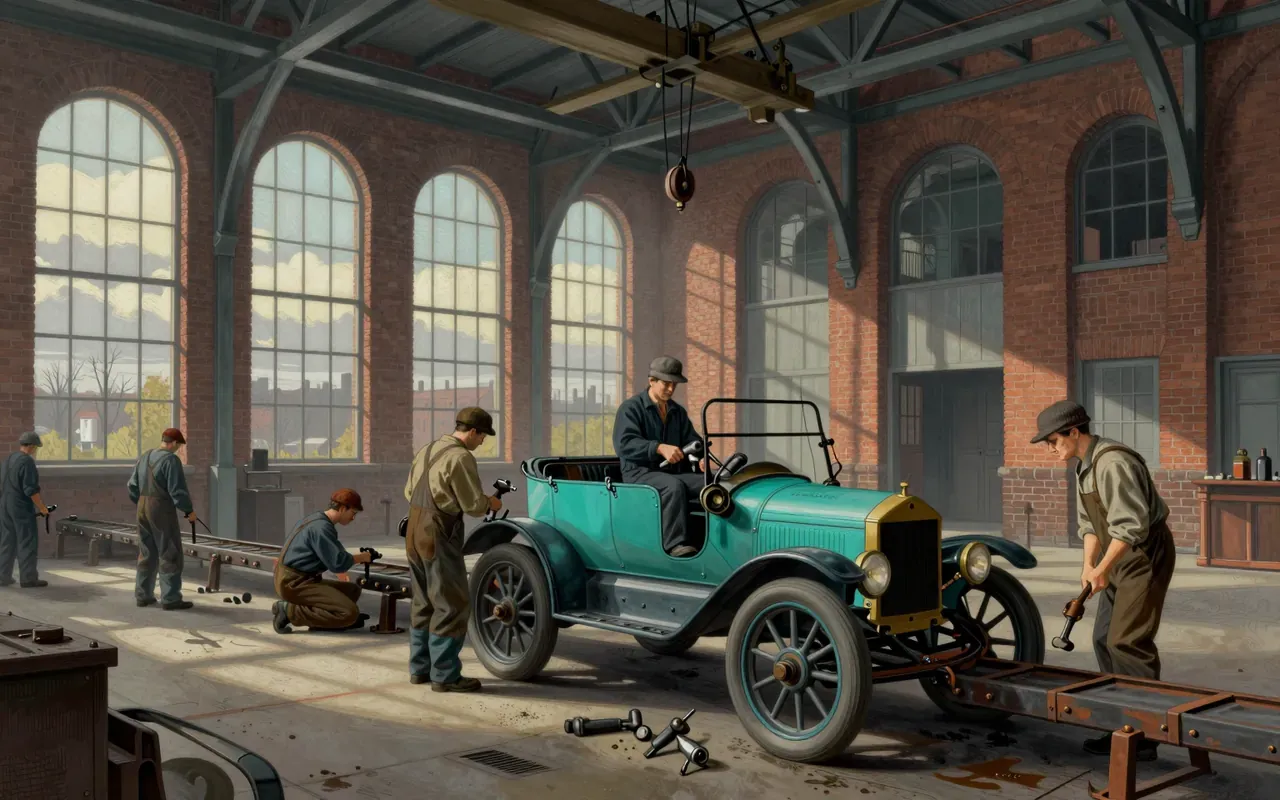
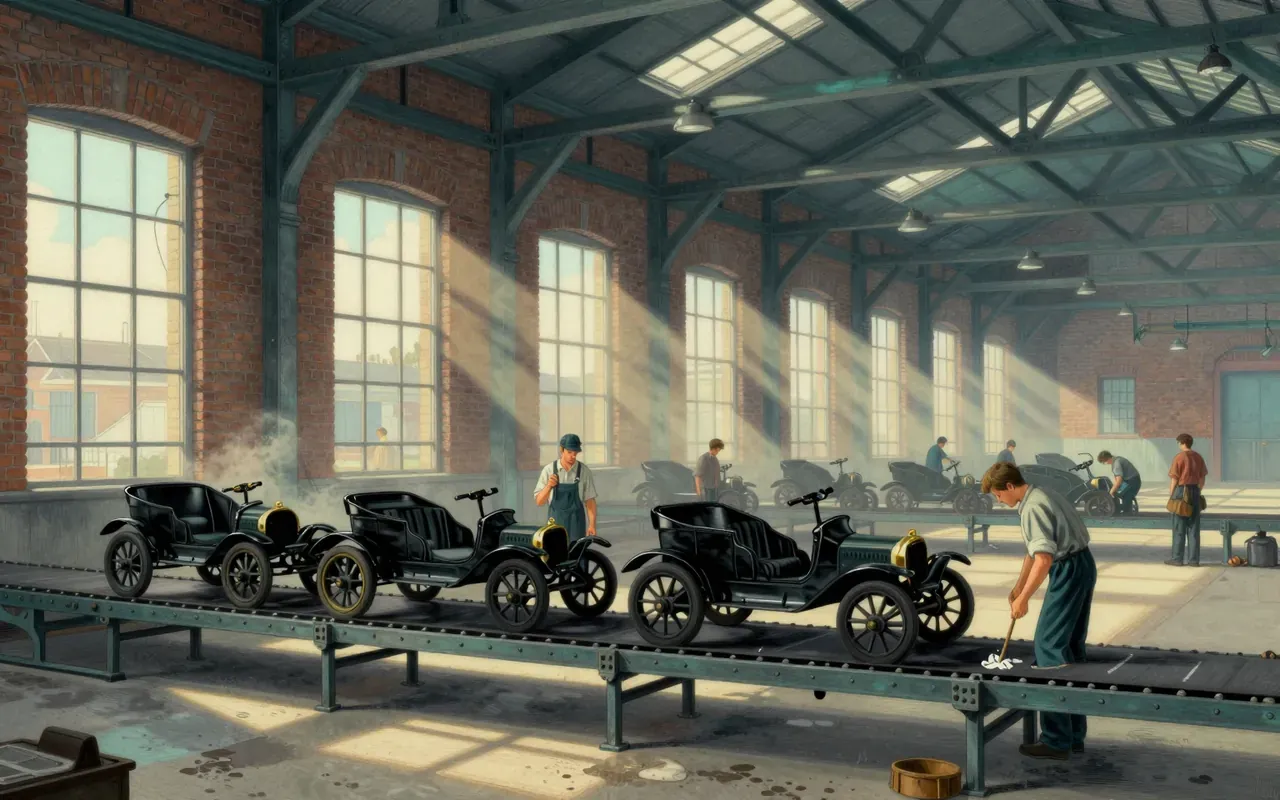
Ford didn’t sell cars — it sold a system so rigid it reshaped wages, work, and war.
11:40

Hermès

Thierry Hermès · 1837

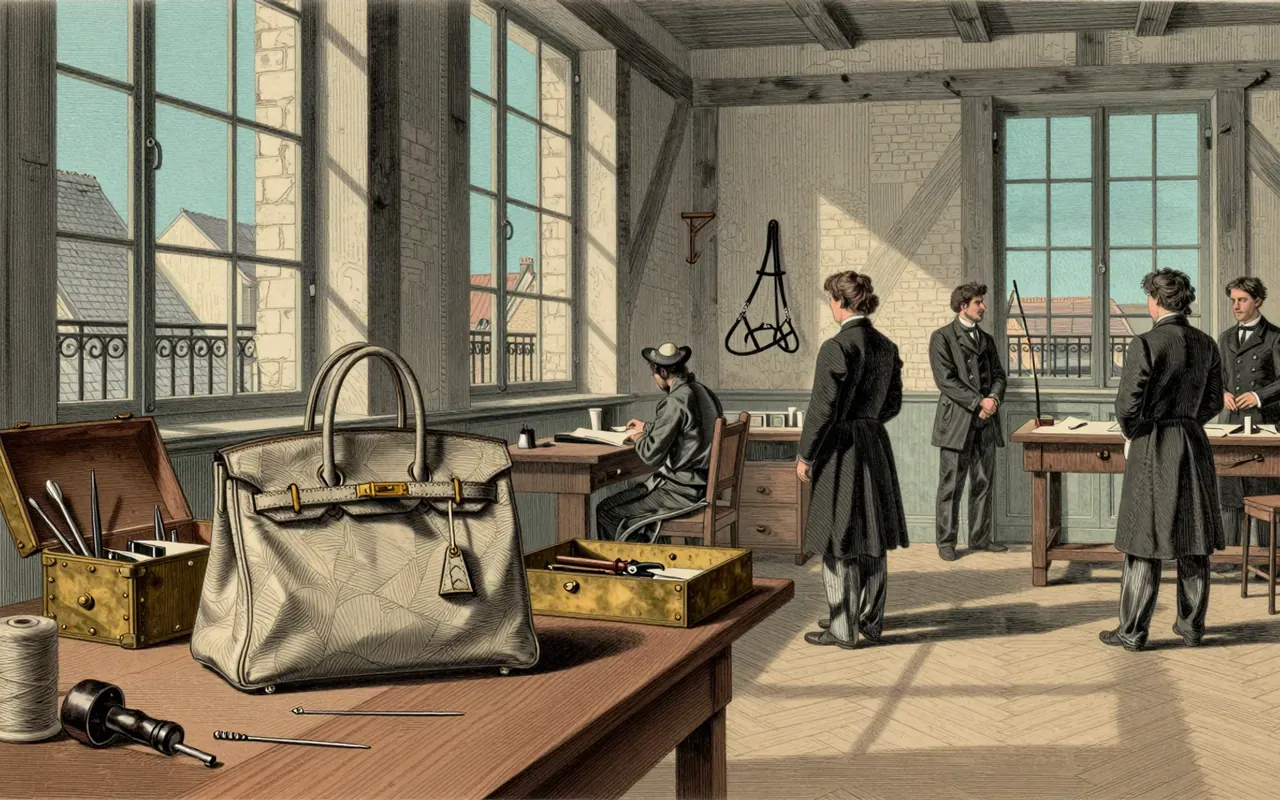
Hermès is a vertically integrated French manufacturing company built on a hand-sewn stitch, sustained by family control, and monetised through scarcity-enforced pricing across 16 product lines.

10:24

Hiroshi Yamauchi

Yamauchi didn’t build Nintendo — he repeatedly rebuilt it after near-failures, using distribution, licensing, and factory-floor prototypes as his only reliable tools.
12:54

IBM

Thomas J. Watson · 1911

IBM under Thomas J. Watson Sr. was a sales-and-leasing enterprise built on punched card tabulators — not computing. Its dominance relied on vertical control, not technical novelty. That control was dismantled by antitrust action in 1936. Everything else — System/360, AI, PCs — belongs to a later era.

9:16

Instagram

Kevin Systrom & Mike Krieger · 2010

Instagram is a photo- and short-video-sharing social networking service launched in October 2010 by Kevin Systrom and Mike Krieger in San Francisco, after pivoting from a check-in app called Burbn.

10:21

Jensen Huang

Jensen Huang didn’t build an AI company — he built a monopoly on the physics of computation.
10:57

Kodak

George Eastman · 1880

Kodak was not a camera company first — it was a film company that used cameras to distribute its consumable. Its 1888 system created a new market by removing technical barriers. Its dominance came from controlling the film supply chain, not the hardware. No source mentions digital disruption, so the brief stops at peak film-era success.

9:53

Lehman Brothers

Henry Lehman · 1850

Lehman Brothers’ origin was material: cotton. Its end was financial: illiquid mortgage assets. The gap between the two is where the real story lives.

10:10

LVMH

Bernard Arnault · 1987

LVMH is a French multinational luxury goods conglomerate formed in 1987 by merger—not founded—of Louis Vuitton and Moët Hennessy. Bernard Arnault assumed control shortly thereafter, not by founding but by outmanoeuvring the initial family owners. The company operates through ~60 subsidiaries managing 75 luxury brands across six branches. Its $500B valuation in April 2023 reflects disciplined acquisition—Boussac Saint-Frères (1984), Tiffany & Co. (2021)—and structural decentralisation that preserves brand identity while centralising financial control. LVMH does not invent luxury; it acquires, integrates, and governs it.

11:26

Maruti Suzuki

India didn’t build a car company — it built Suzuki’s largest global subsidiary.
9:59

Michelin

André Michelin · 1889

Michelin is a tyre company whose early dominance came from patenting and proving mechanical improvements — detachable, automobile, run-flat, radial, asymmetric — all tested in races or real-world conditions. It monetised mobility itself: first via tyres, then via the Michelin Guide, which existed solely to grow the car-tourism market and thus tyre sales. No evidence supports claims about culture, legacy, or unmeasured influence — only documented innovations, patents, and commercial pivots.

10:19

NTPC Limited

State ownership doesn’t mean inefficiency — it means control over scale, timing, and plant utilisation.
10:19

Richard S. Fuld Jr.

Longest-tenured Wall Street CEO. Last man standing before the fall. His balance sheet was fiction.