What the company or idea is
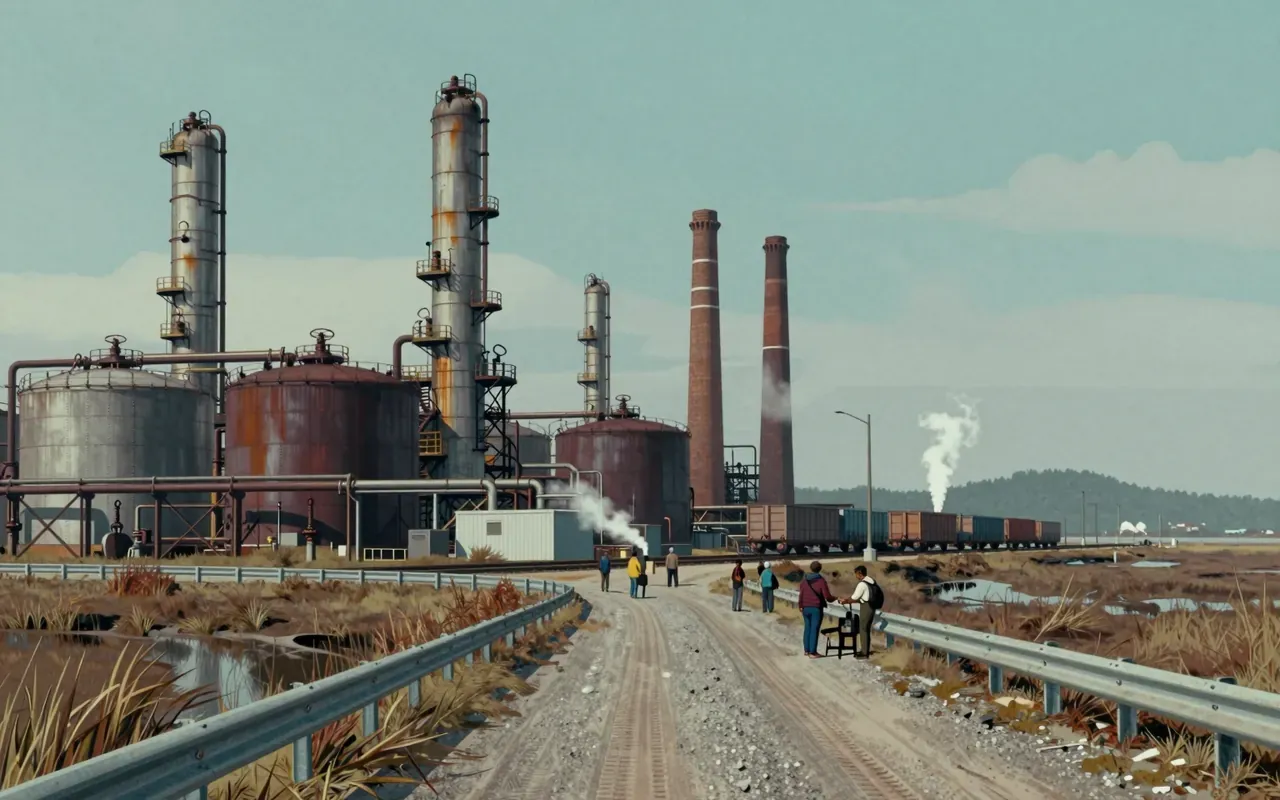
Standard Oil Co. of New Jersey was a holding company that controlled over 90% of US oil refining at its peak and operated as a single economic entity through interlocking directorates, secret rebates, and predatory pricing.
How it actually makes money
Standard Oil made money by controlling refining capacity, transportation networks, and distribution channels across the American petroleum industry.
What works
The Court’s identification of monopoly’s concrete consequences — higher prices, reduced output, reduced quality — gave courts an empirical standard to assess harm, not just intent or scale.
What does not
The rule of reason does not apply to all restraints equally: it creates a threshold test that lets some coordinated conduct pass even if it harms competition, as long as it does not produce higher prices, reduced output, or reduced quality.
What to take from it
Antitrust enforcement hinges not on structure alone but on measurable market outcomes — a shift from per se illegality to consequence-based scrutiny.
Is it worth your time
Yes. It is the foundational legal precedent for how monopoly is defined, tested, and remedied in US antitrust law.