BHP
BHP is an Australian mining company, founded at Broken Hill in 1885, that today mines iron ore, copper and coal.

The RJR Nabisco deal was a $25 billion leveraged buyout led by KKR in 1988 — the largest in history at the time. KKR’s $109-per-share bid prevailed over RJR management’s $112 offer because it was guaranteed. The transaction relied on institutional equity co-investors and a hostile tender offer. Post-acquisition, KKR repaid debt through asset sales and restructuring. Over 2,000 workers lost their jobs, most taking 5.6 months to find new work, and 72% who were rehired earned less than half their previous incomes.



eBay acquired PayPal on October 3, 2002, for $1.4–$1.5 billion. It shut down its competing Billpoint service three months later. PayPal became the dominant, user-chosen payment method on eBay — used in over 70% of auctions and ~25% of closed listings — and by Q3 2012 accounted for 40% of eBay’s revenue ($1.37B). The deal was not about innovation. It was about controlling the checkout.


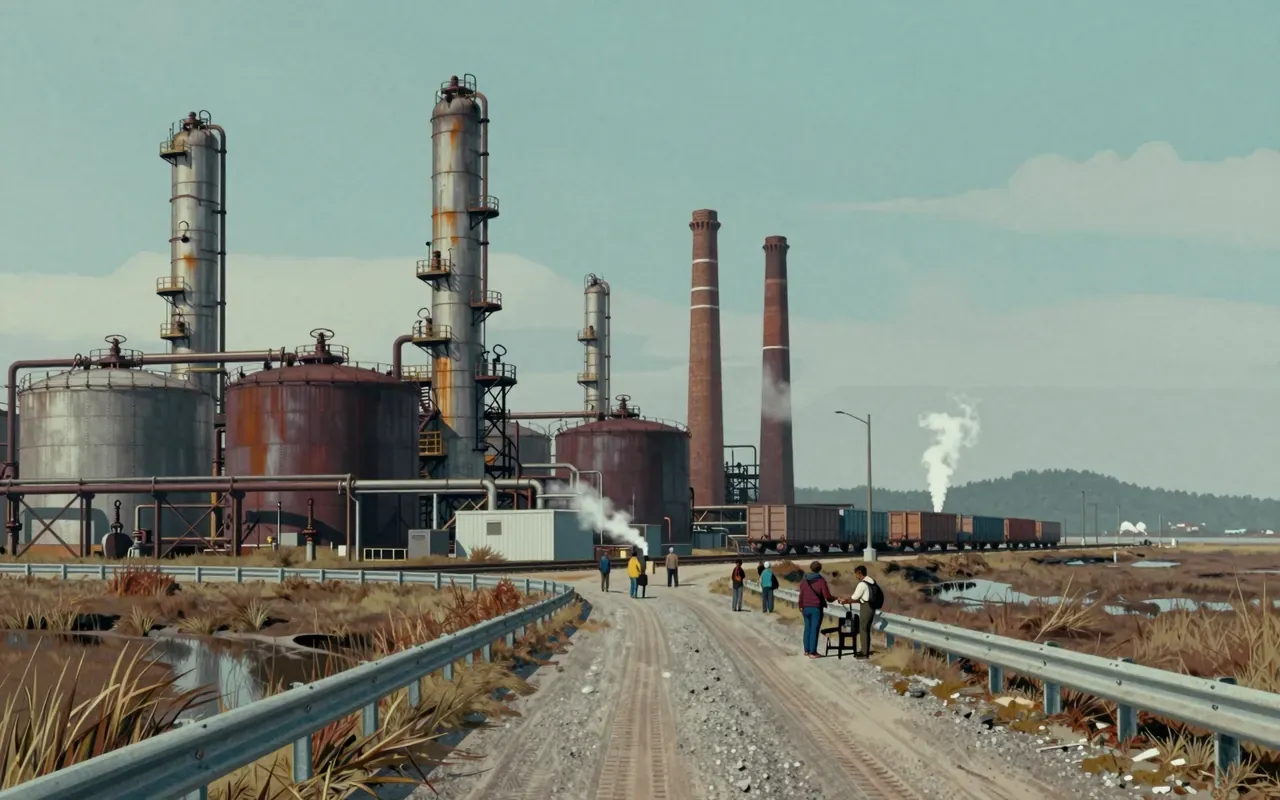

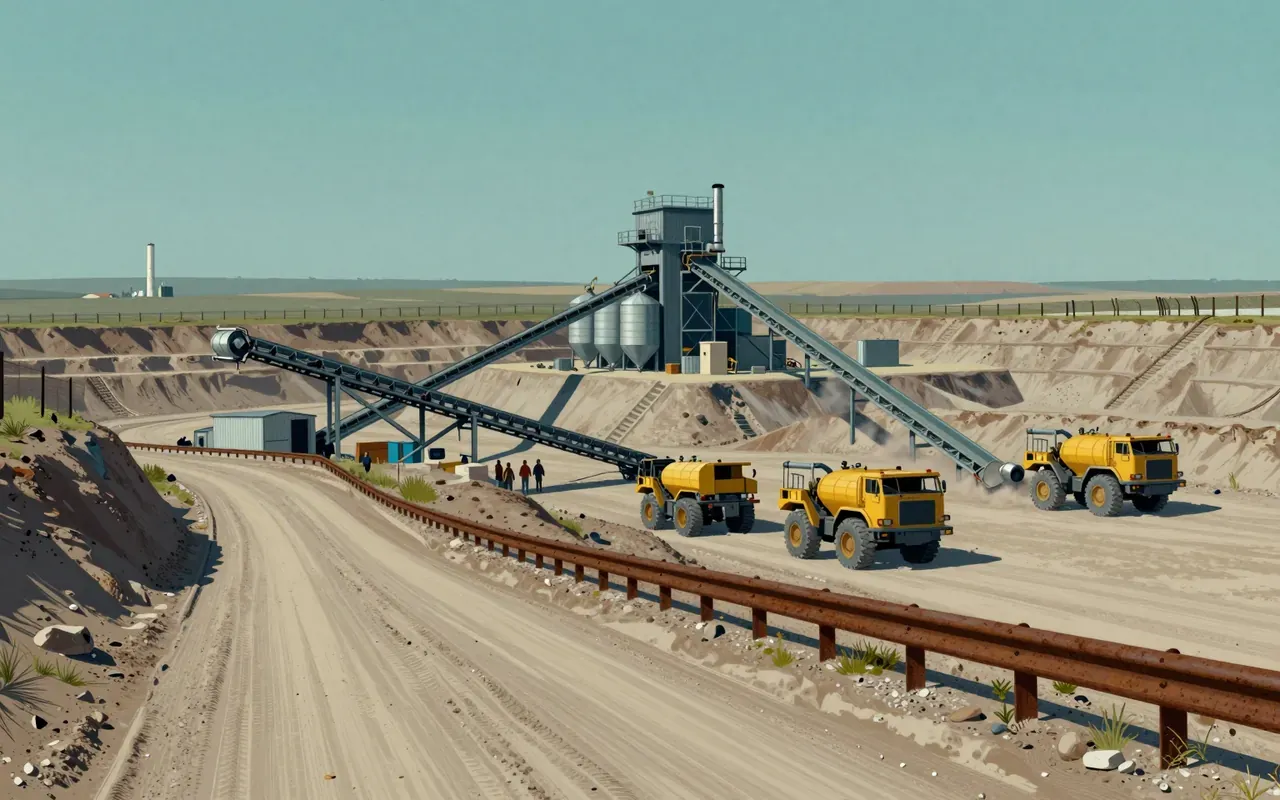

Syngenta is a global agricultural technology company headquartered in Basel, Switzerland, operating primarily in crop protection and seeds for farmers. It was founded in 2000 by the merger of the agrichemical businesses of Novartis and AstraZeneca. In 2004, Syngenta Seeds purchased Garst and Golden Harvest Seeds. In February 2016, ChemChina offered to purchase Syngenta for $43 billion, a deal Syngenta unanimously recommended to shareholders. In April 2017, U.S. and European antitrust authorities approved ChemChina's acquisition of Syngenta. To secure regulatory approval, ChemChina agreed to divest pesticide production of paraquat, abamectin, and chlorothalonil.

Ambev is a case study in consolidation-driven profitability — not product-led growth. Its value came from regulatory navigation, cost discipline, and geographic sequencing, not brand, taste, or technology. It shows how monopoly conditions can be manufactured where competition is weak, not defeated.

Carlyle is a textbook case of how a firm leverages geography and timing — not product innovation — to dominate a financial services niche. Its business model remains fee-dependent, opaque, and unremarkable in mechanics. Its value lies in its path, not its current structure.



YouTube was a technical execution of a simple idea—upload and share video—with no monetisation strategy. Its founders leveraged prior wealth, network access, and timing to achieve rapid scale, then sold to Google before proving sustainability. The gap between usage and revenue was never closed—it was exited.
General Electric was a financial construct, not an inventive one. Its formation marked the moment capital overrode authorship — and Edison became a brand, not a boss.