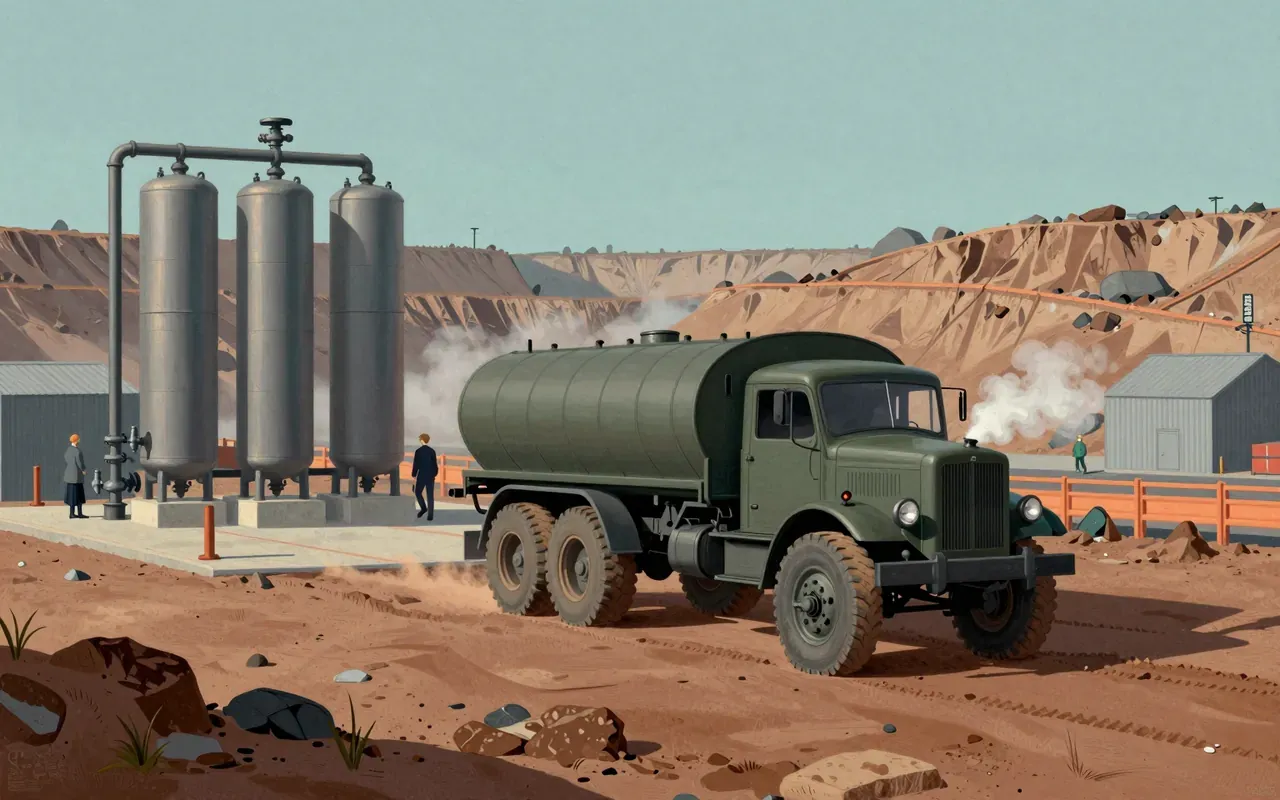
Anglo American plc
A century-old mining giant that cut 138,000 jobs in two years while rebranding as a green critical-minerals champion — with no evidence its new identity changes who pays or who bears the cost.
The world assembled into one supply chain, now being partly unassembled.
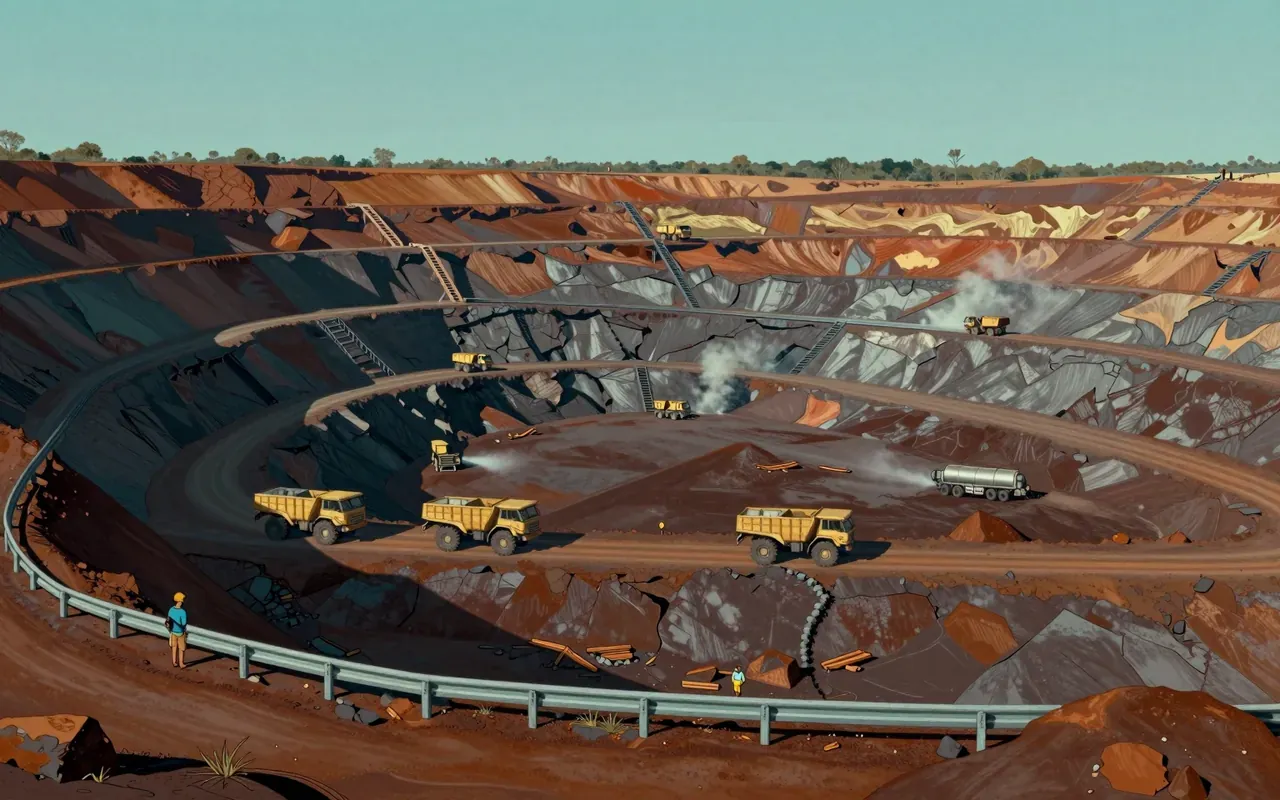
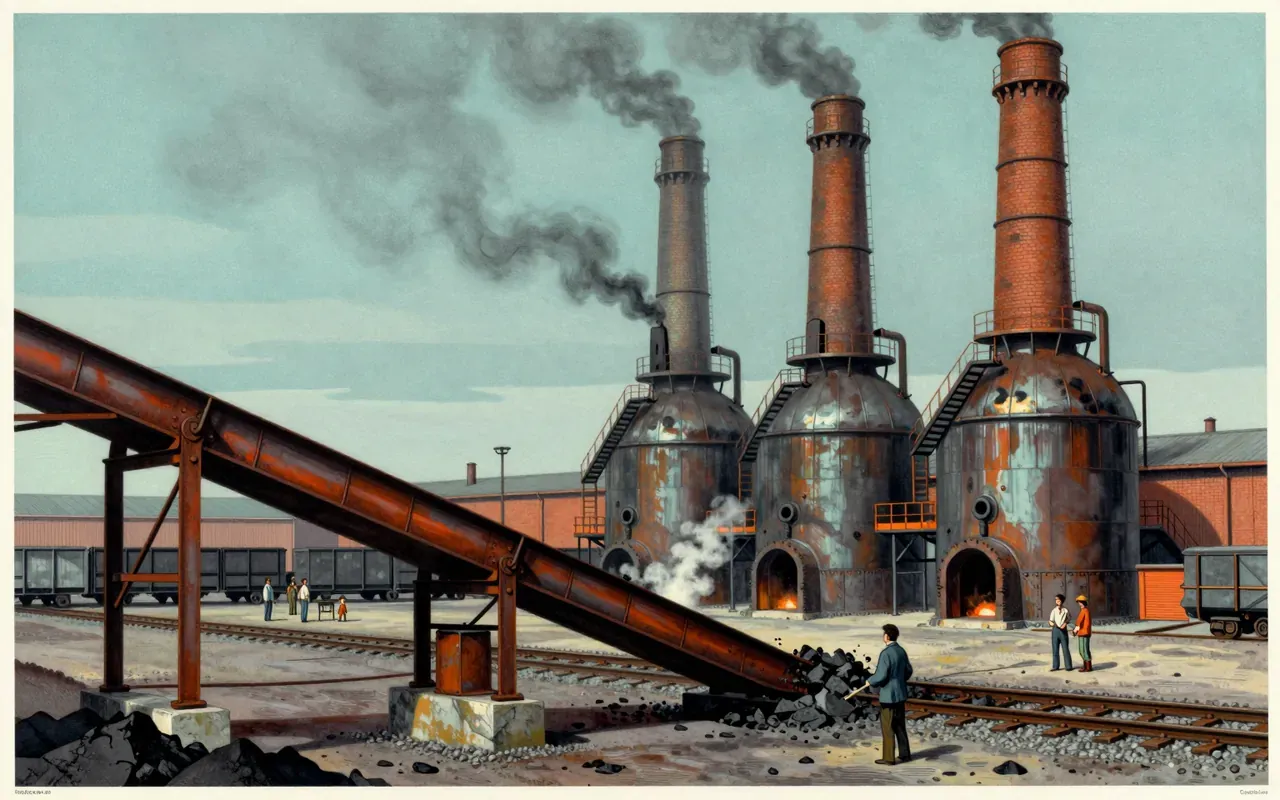
ArcelorMittal is the world’s second-largest steelmaker — a $33 billion hostile merger of Mittal Steel and Arcelor in 2007. It operates across mining, smelting, and recycling in 14 countries. In 2025, it produced 55.6 million tons of steel against 74.6 million tons of capacity — 53% in Europe, 40% in the Americas. It sources 72% of its iron ore and 91% of its coke internally. The Mittal family surrendered control to close the deal. It is not a technology company. It is not growing. It is a vertically integrated commodity producer whose scale is structural, not strategic.
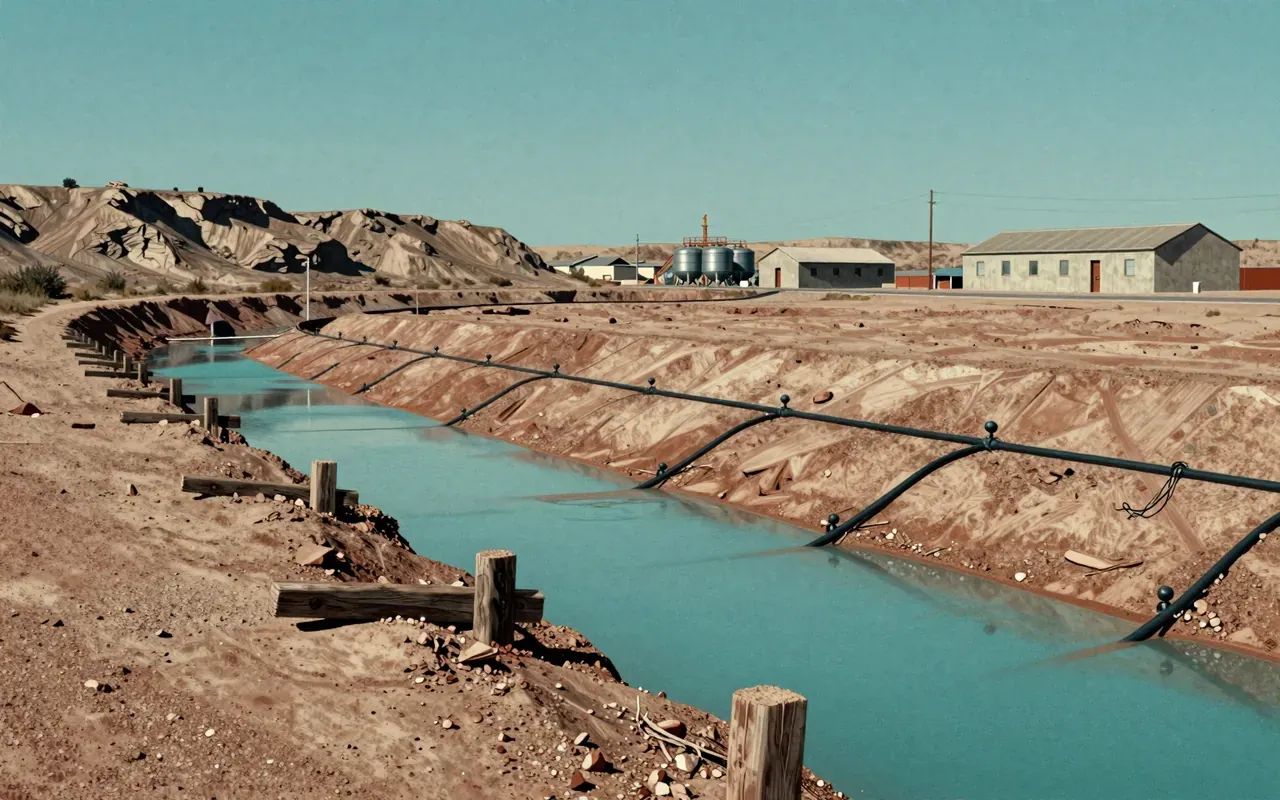
Barrick Mining is a gold-and-copper extraction company built through strategic acquisitions — not innovation, not discovery, not vertical integration. Its value lies in scale: 89 million ounces of gold in reserves, 3.91 million ounces produced in 2024, and a history of absorbing rivals like Placer Dome. But its governance fails where operations meet people: in 2008, Peter Munk personally silenced testimony about violence at Porgera. That gap — between reserve size and human accountability — is the real story.
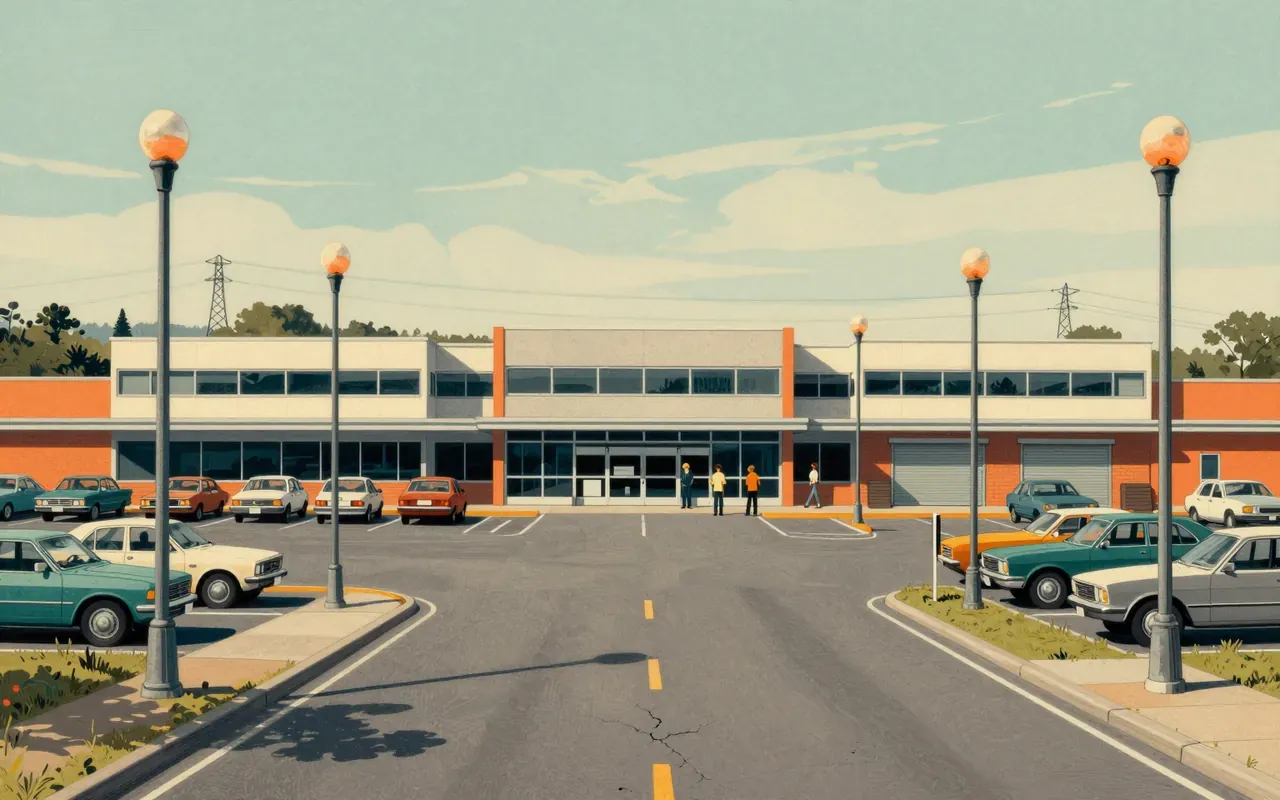
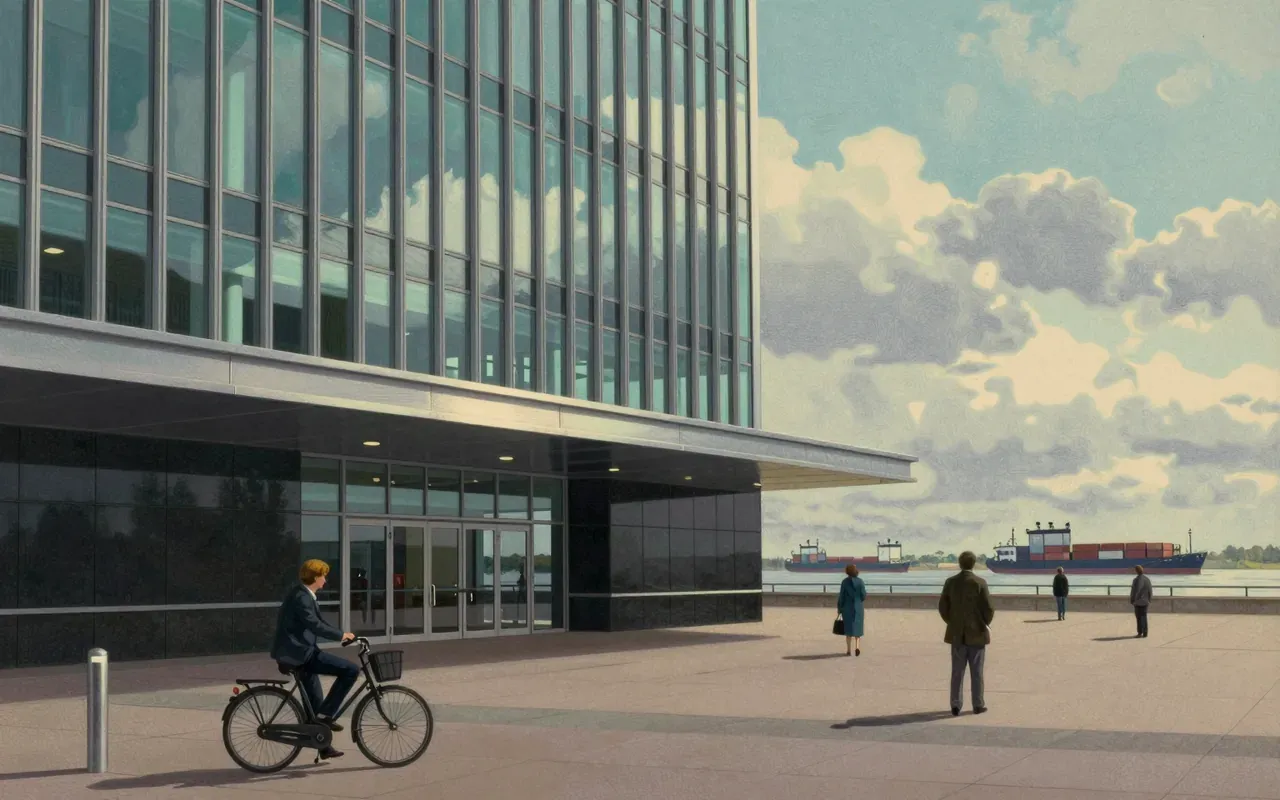
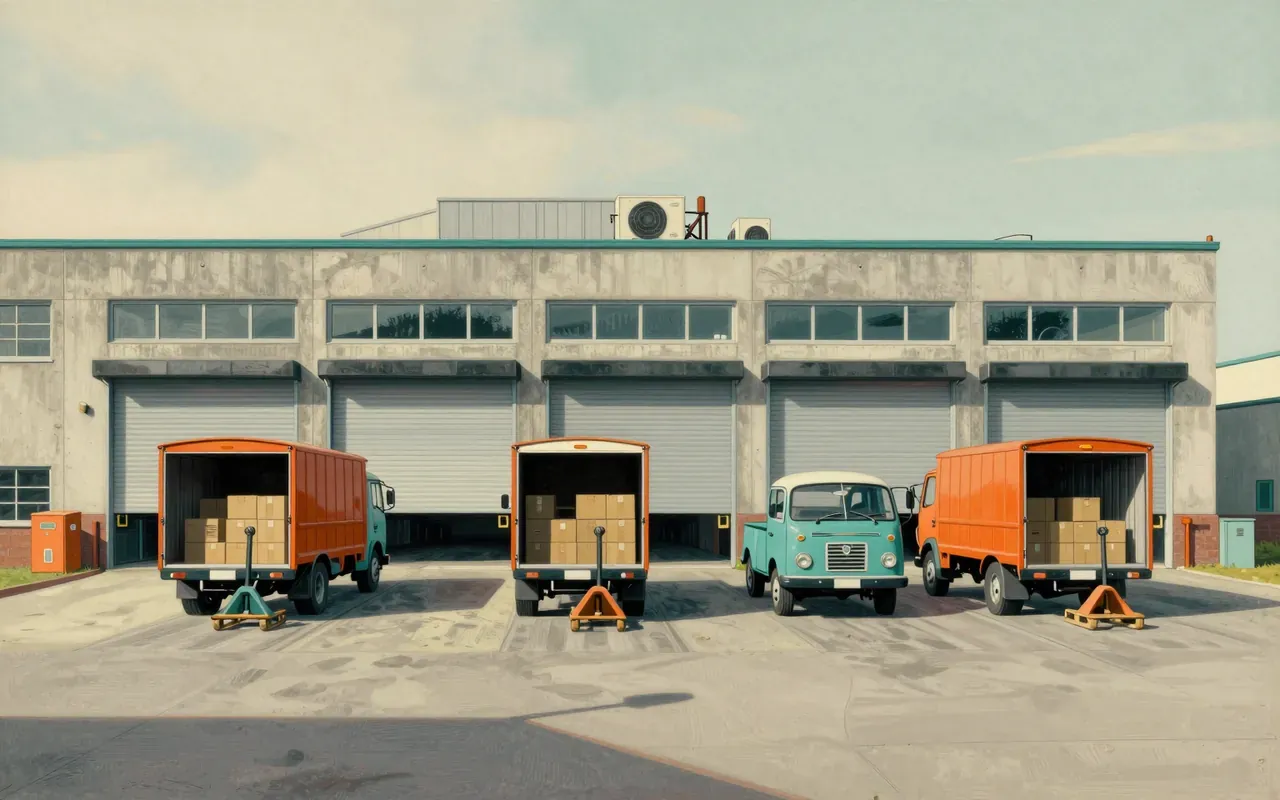
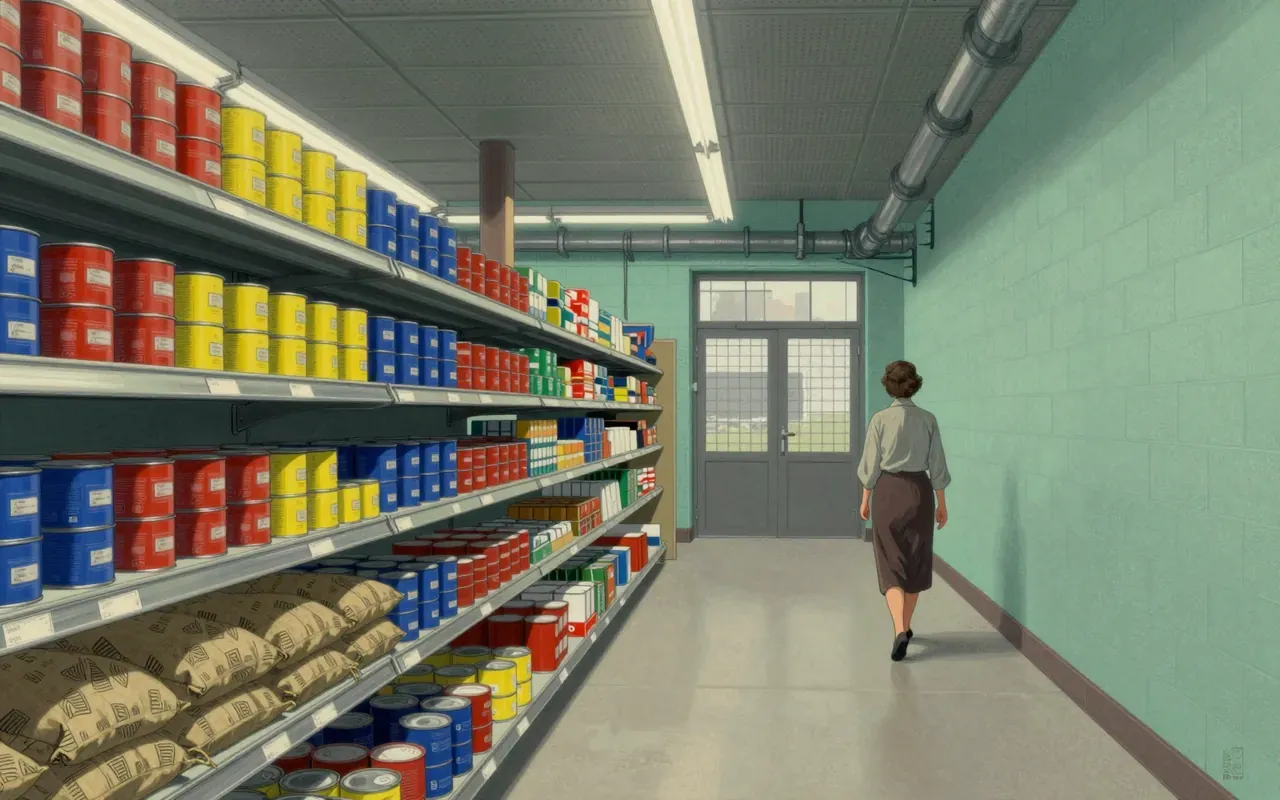
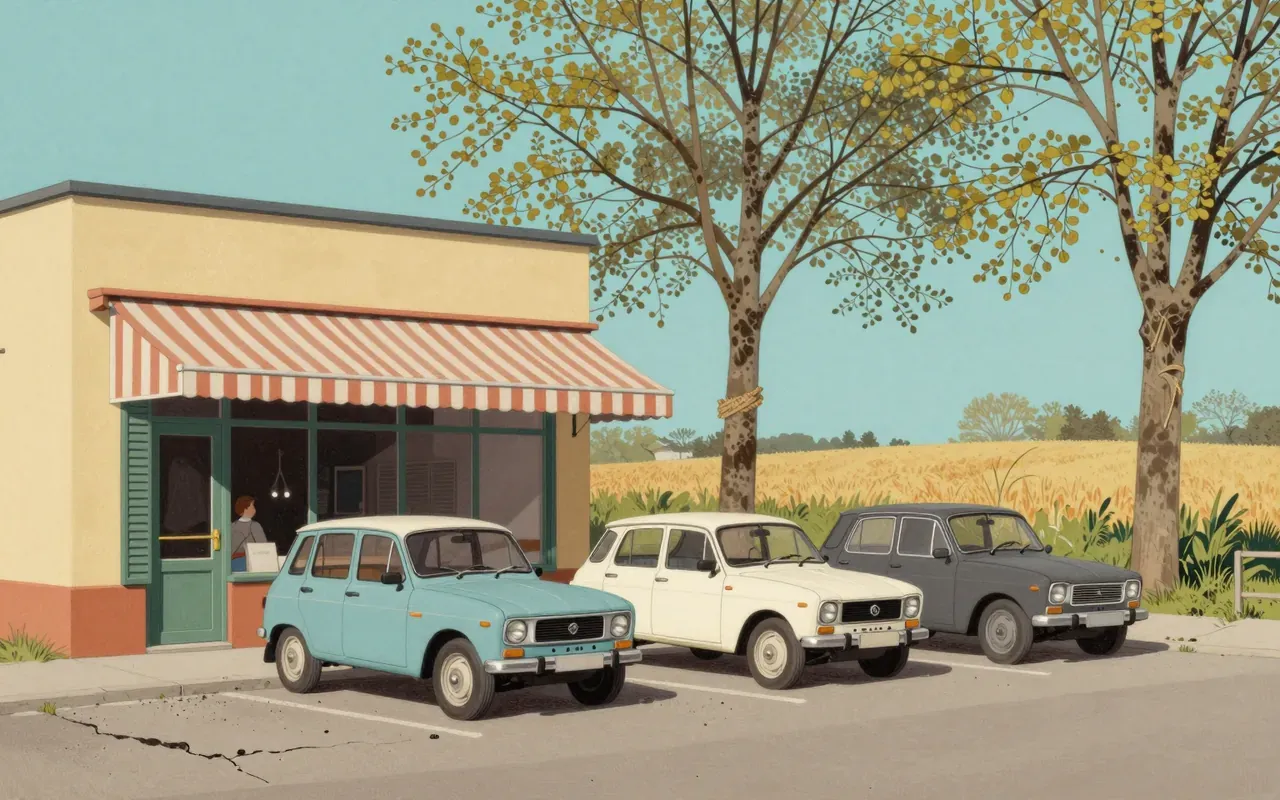
Carrefour is a foundational case in retail format design — not technology, not branding, not finance — but physical integration, location logic, and incremental scaling.

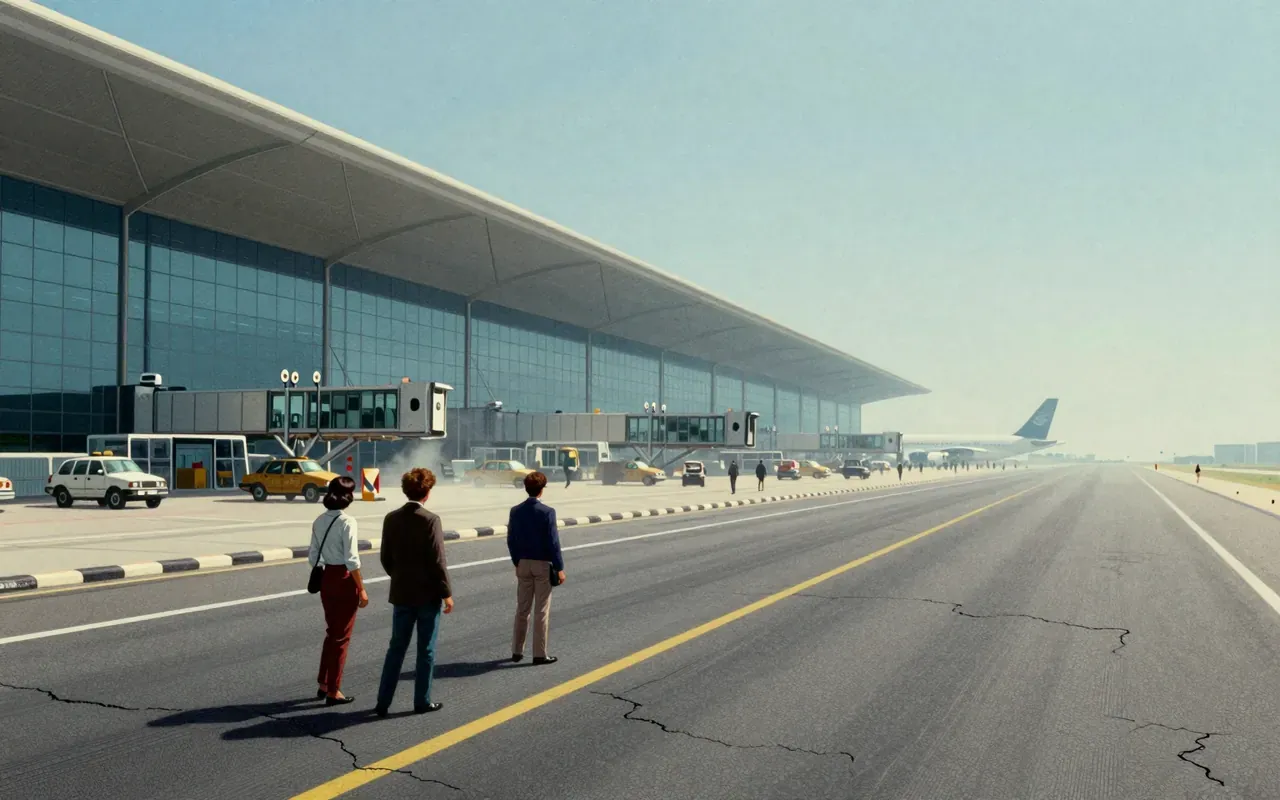
Emirates is a state-owned UAE flag carrier founded in 1985 after Gulf Air reduced Dubai services. It operates over 3,600 weekly flights from Dubai International Airport’s Terminal 3, serves 150+ cities across six continents, and ranks third globally by passenger volume and second by freight volume. Its ownership lies with Dubai’s Investment Corporation of Dubai, and its cargo arm is Emirates SkyCargo. It is not part of any global airline alliance.
Kaufland is a German hypermarket chain founded in 1984 in Neckarsulm, part of the Schwarz Gruppe, and developed by Dieter Schwarz as a full-range alternative to Lidl’s discount format. It makes money by selling groceries and general merchandise from hypermarkets averaging over 10,000 m², operating under vertical integration — running in-house bakeries since 1994, meat processing facilities, and organic product lines launched in November 2018. Its strategy of acquiring competitor assets (e.g., 12 famila stores and a Cash-&-Carry-Markt in January 2010) and rebranding existing Handelshof locations gave it rapid scale. It dominates eastern Germany today — a result of opening its first East German store in Meißen in 1990, immediately after reunification. Its Australian expansion failed within a year (2019–2020), exposing limits to its model outside culturally and logistically aligned markets. It does not operate outside Europe. The gap between Kaufland’s self-presentation as a sustainability- and quality-driven retailer (e.g., 2021 decarbonisation strategy, organic range) and its operational reality — acquisitions, rebranding, and regional dominance built on post-reunification timing and antitrust-cleared takeovers — reveals how legacy retail power consolidates without innovation.

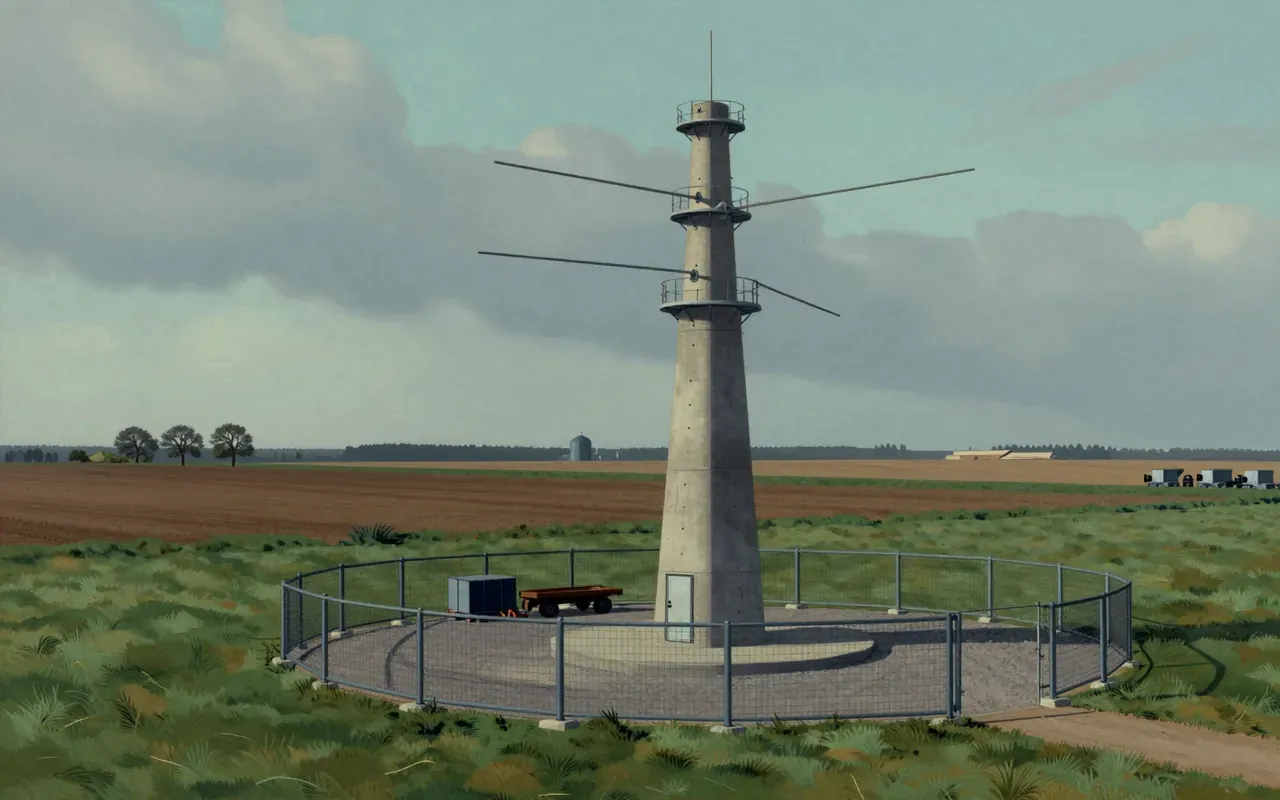
RTL Group is a broadcast-first European media operator built through merger, not innovation. Its structure reflects regulatory fragmentation, not technological ambition.
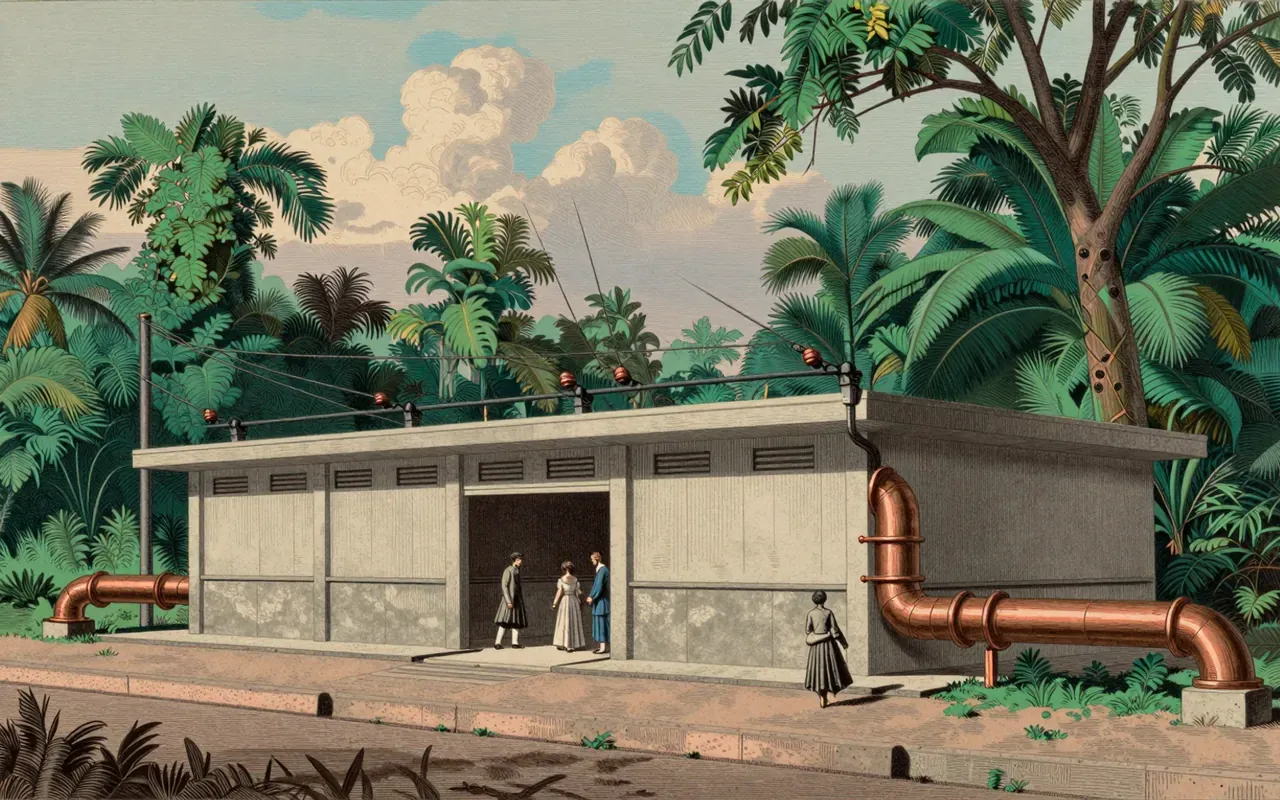
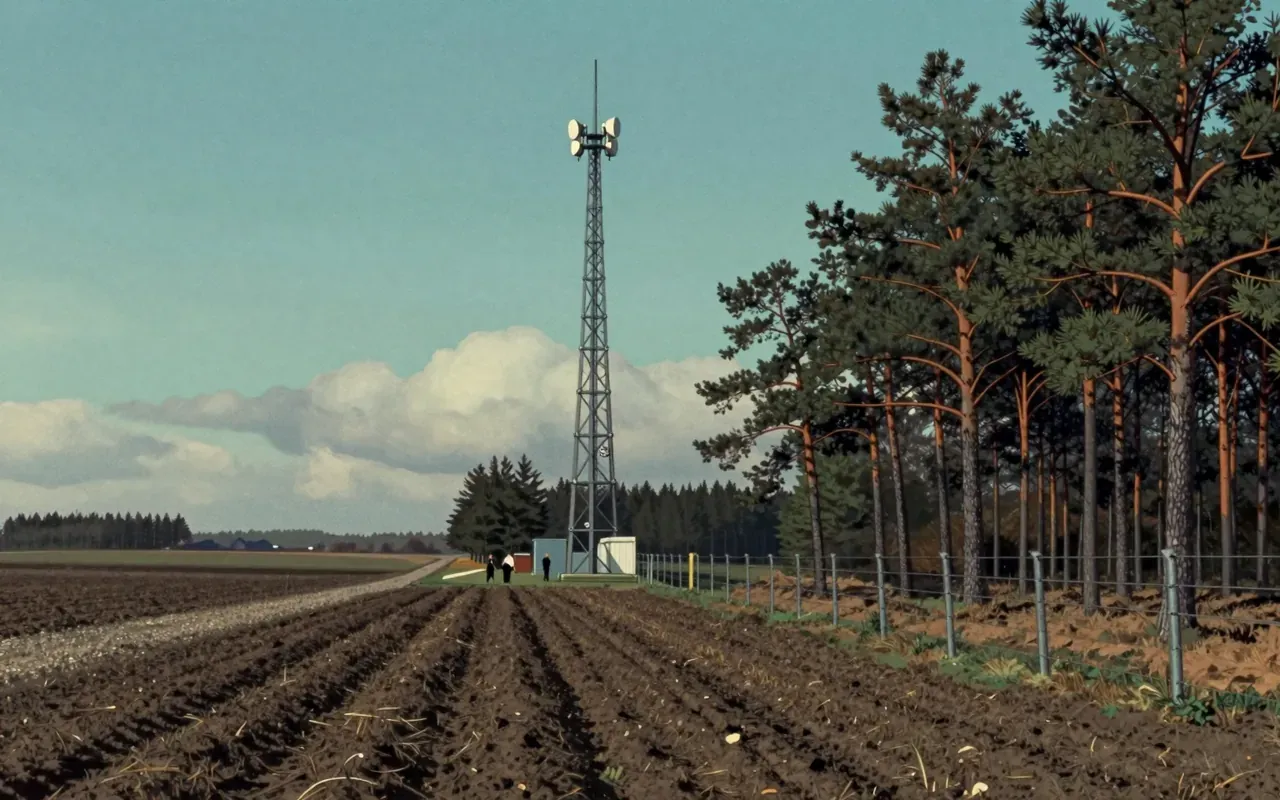


Canadian Solar is a vertically integrated solar energy firm founded in 2001 by Dr. Shawn Qu, headquartered in Kitchener, Ontario, with operations spanning manufacturing, project development, and storage system provision.
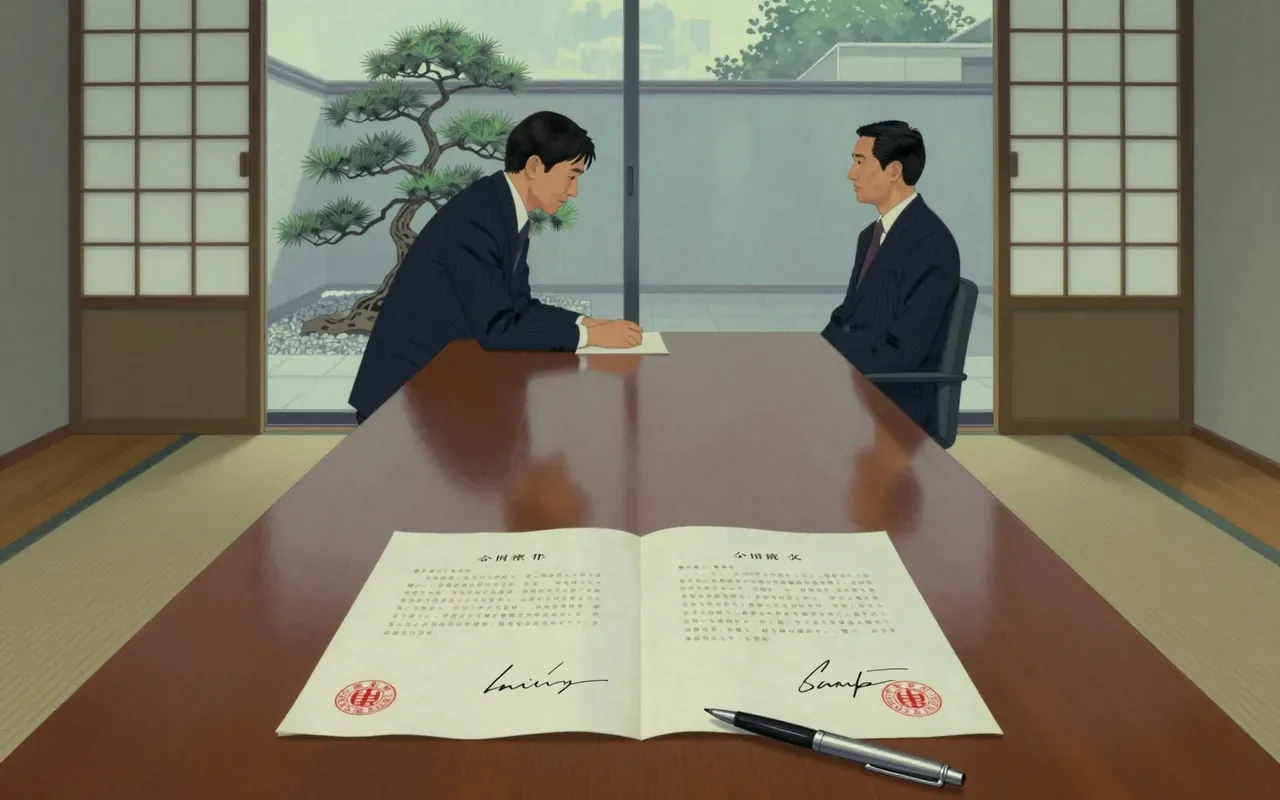
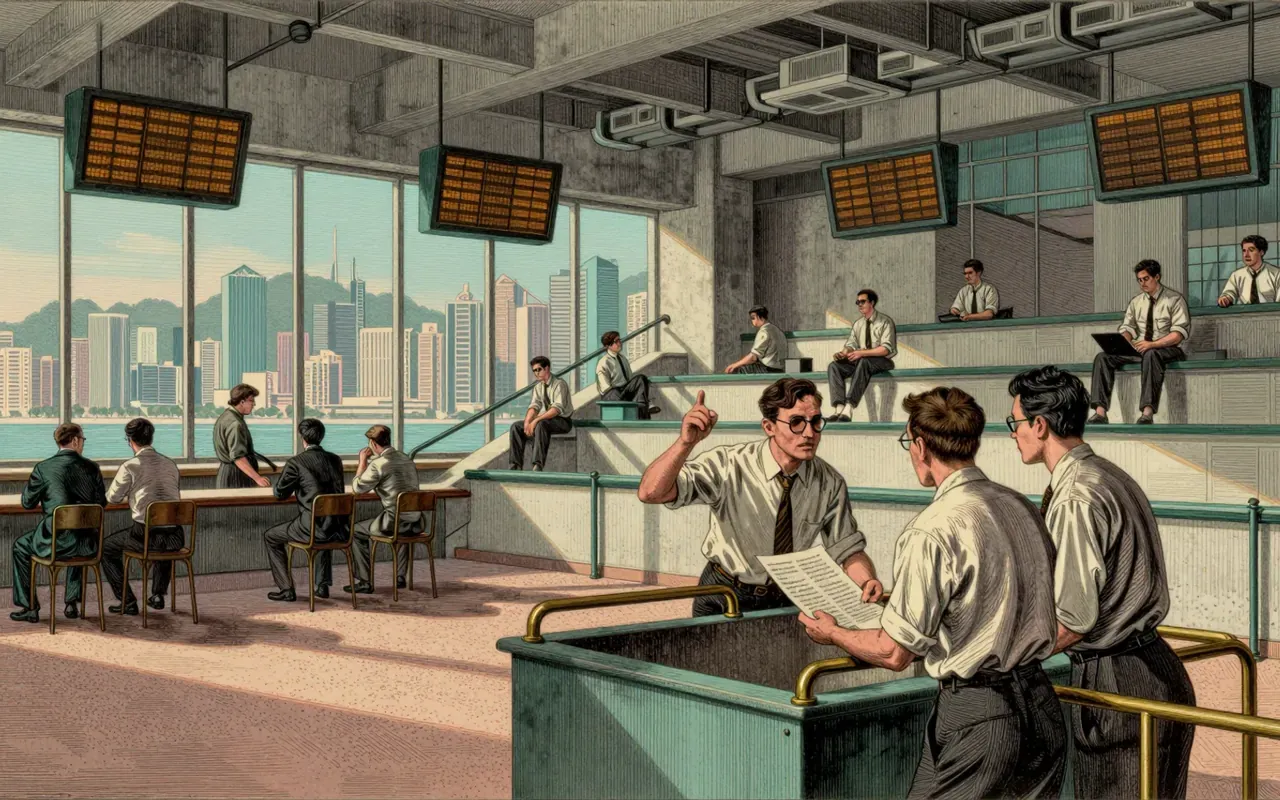


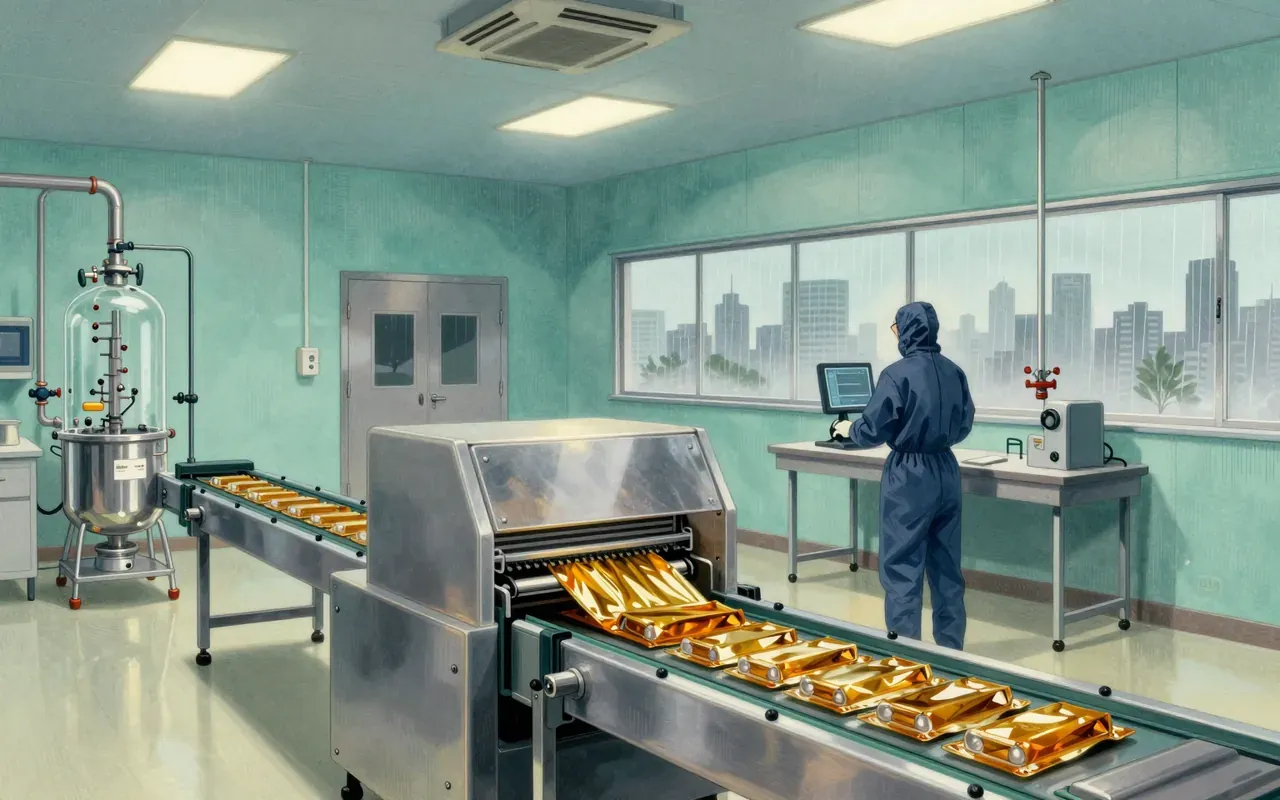
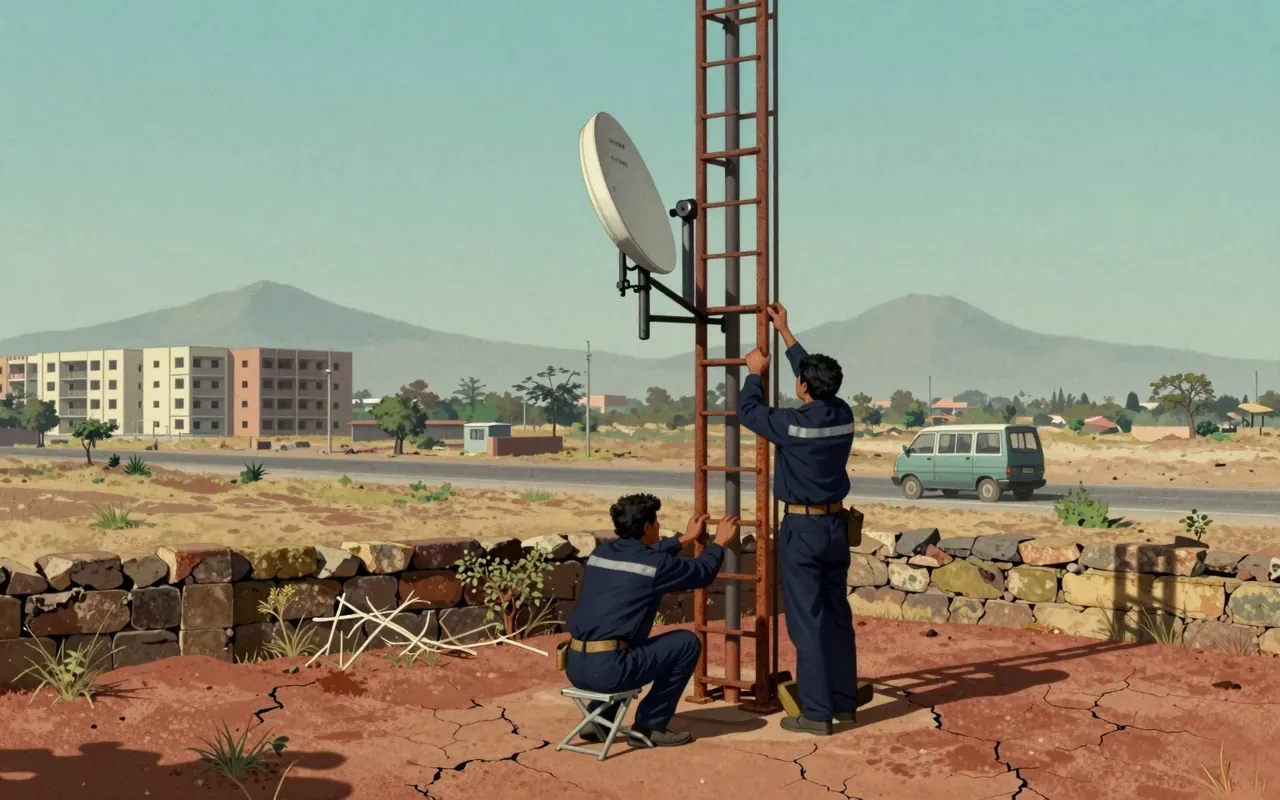
Bharti Airtel is not a tech innovator but a regulatory arbitrageur—its real product is the ability to operate at scale across borders where others stall on licensing, spectrum, or infrastructure cost. It built nothing foundational in telecom standards or silicon, but mastered the sequencing: assemble → manufacture → license → outsource → bundle → expand. That sequence works only once per market—and only if you start before the rules harden.
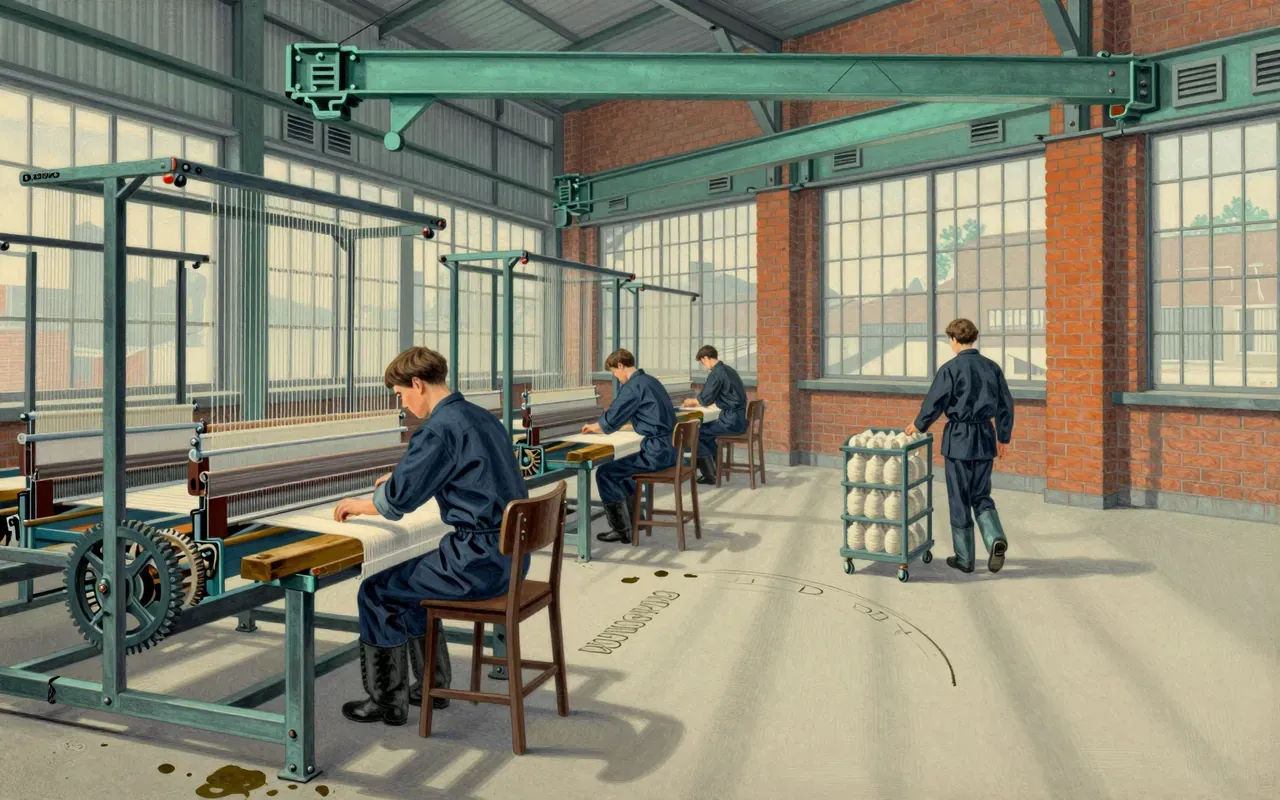
Daewoo was a South Korean chaebol founded in March 1967 by Kim Woo-choong as a small textiles trading corporation. It expanded using government-sponsored cheap loans tied to export potential, acquiring near-bankrupt companies across shipbuilding, electronics, and automotive sectors. By the 1990s, it ranked second largest in assets and third in revenues among South Korean conglomerates. It collapsed in November 1999 with $50 billion in debt after the 1997 Asian financial crisis exposed its reliance on continuous credit. Its story reveals how state-backed finance can substitute for profitability — until it cannot.
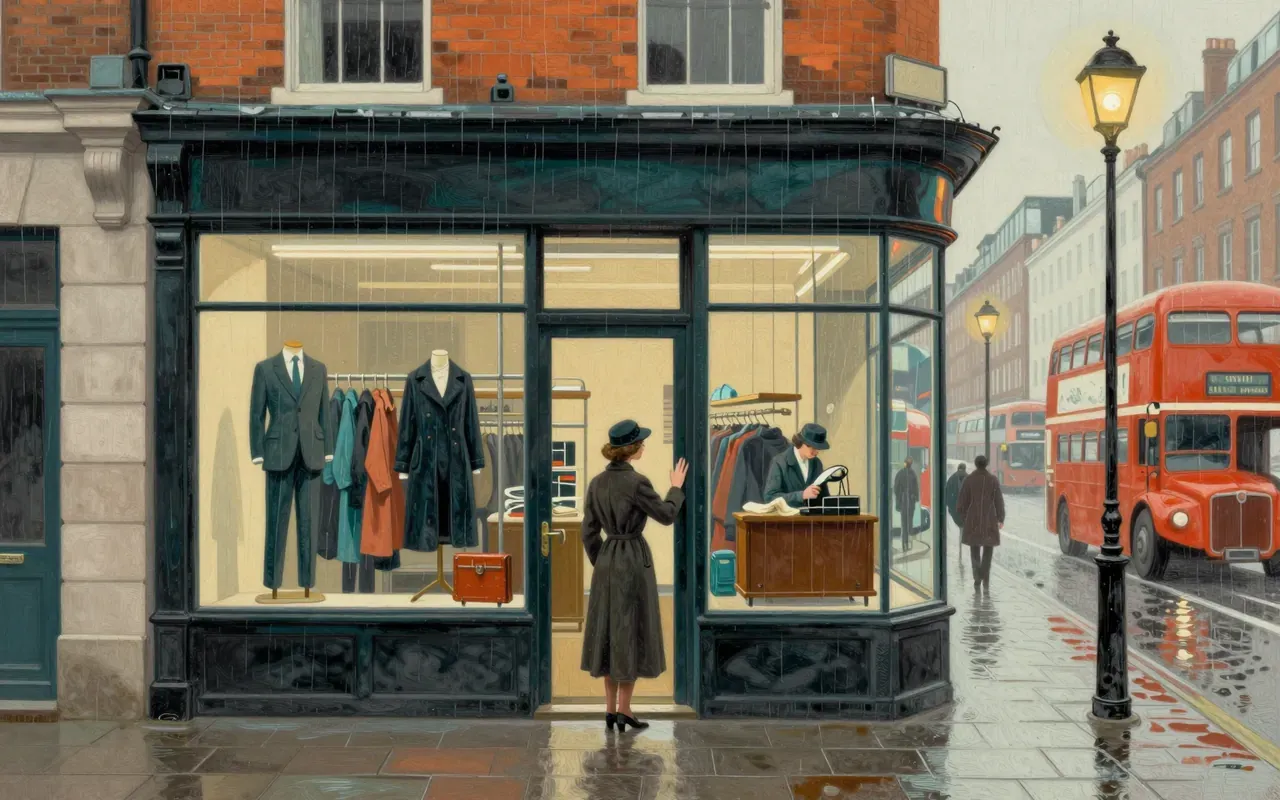
H&M is a Swedish multinational clothing company headquartered in Stockholm, founded in 1947 by Erling Persson in Västerås as a women’s-only retailer named Hennes. Built on a fast fashion business model, it sells apparel, accessories, and homeware. In 1968, Persson acquired the hunting apparel retailer Mauritz Widforss, added menswear, and changed the name to Hennes & Mauritz. The company was listed on the Stockholm Stock Exchange in 1974 and opened its first store outside Scandinavia in London in 1976. It began online retailing in 1998 using the domain hm.com, registered in 1997.
Infosys is a textbook example of policy-led scaling: no proprietary tech, no venture funding, no market creation — just disciplined execution on a regulatory opportunity.


Warner Bros. is a trademarked asset that has outlived every corporate owner since its 1923 founding — surviving mergers, spin-offs, and acquisitions not through creative consistency, but because its library and IP rights remain licensable across shifting distribution models.

Lotte is a textbook case of chaebol formation through sequential anchoring — first in Japan, then decisively in Korea — but its financial mechanics remain unreported.

Starbucks is the world’s largest coffeehouse chain. It was founded in 1971 in Seattle as a coffee bean wholesaler. Howard Schultz transformed it into a company-owned coffeehouse chain serving espresso-based drinks. As of November 2022, it operated 35,711 stores in 80 countries. It held an IPO on June 26, 1992, raising $271 million to double its store count. It credits its growth to rejecting domestic franchising and positioning stores as social hubs — driving the second wave of coffee culture.