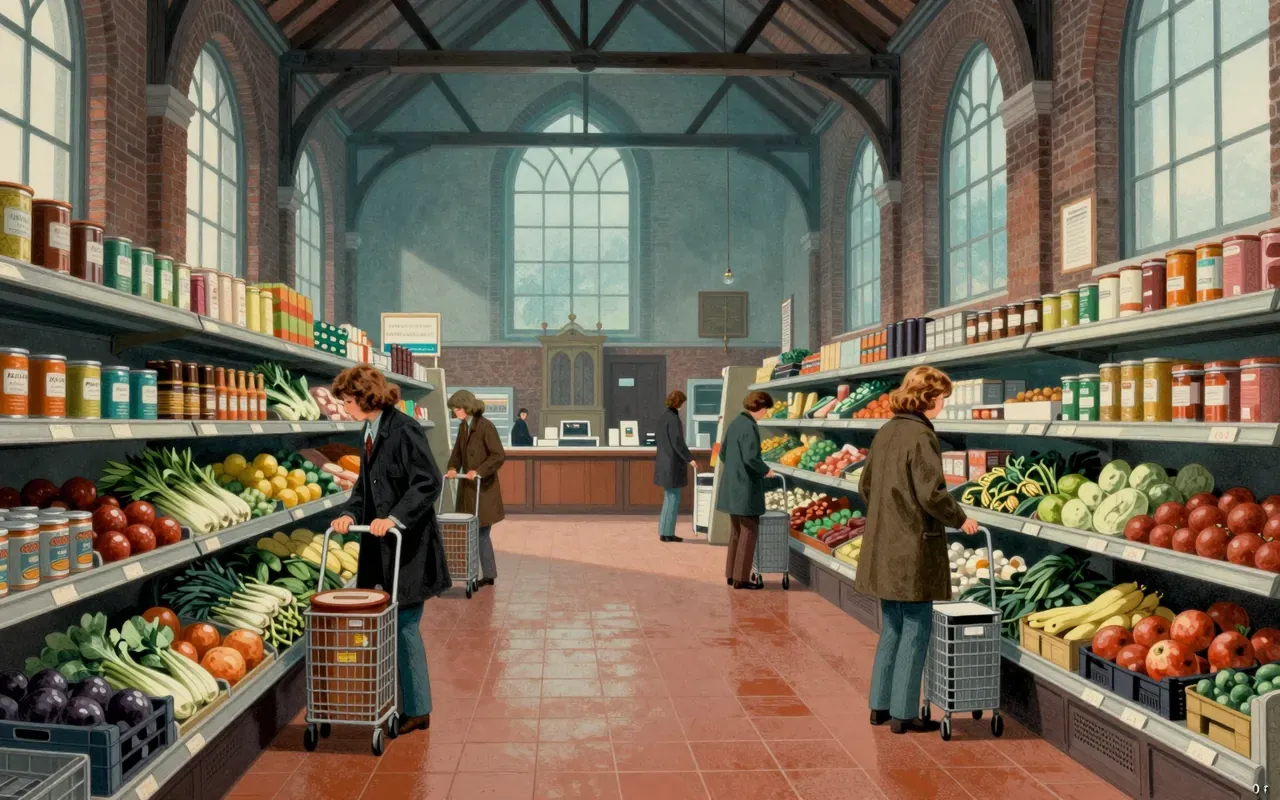
Jumbo
Jumbo is a Dutch supermarket chain, owned by the Van Eerd Group, that grew from one store in a former church in Tilburg into the second largest in the Netherlands.
The last hundred metres of the economy, repeatedly reinvented.
Hemköp is a Swedish supermarket chain owned by Axfood. It operated around 200 stores in 2024. Its business model relies entirely on physical retail scale within a consolidated ownership structure. No data is provided on margins, digital performance, private label, or customer behaviour. Its value lies in infrastructure reuse — not innovation.
Biedronka is a Polish discount supermarket chain owned by Portuguese group Jerónimo Martins. It operates 3,730 stores in Poland, employs 84,000 people, and accounts for approximately 70% of its parent’s sales. Its model relies on high-volume, low-margin sales of local and own-label goods — not differentiation or premium pricing. Its sole international move — one store in Slovakia, opened March 2025 — shows no evidence of traction. Its strength is also its risk: extreme geographic concentration in Poland.

Birks Group is the legal successor to Henry Birks and Sons — a Canadian jeweller founded in 1879, vertically integrated from design to retail, with manufacturing roots in Roden Bros. and national reach built through owned stores and co-branded acquisitions. Its 2005 merger with Mayors was a structural consolidation, not a new beginning.
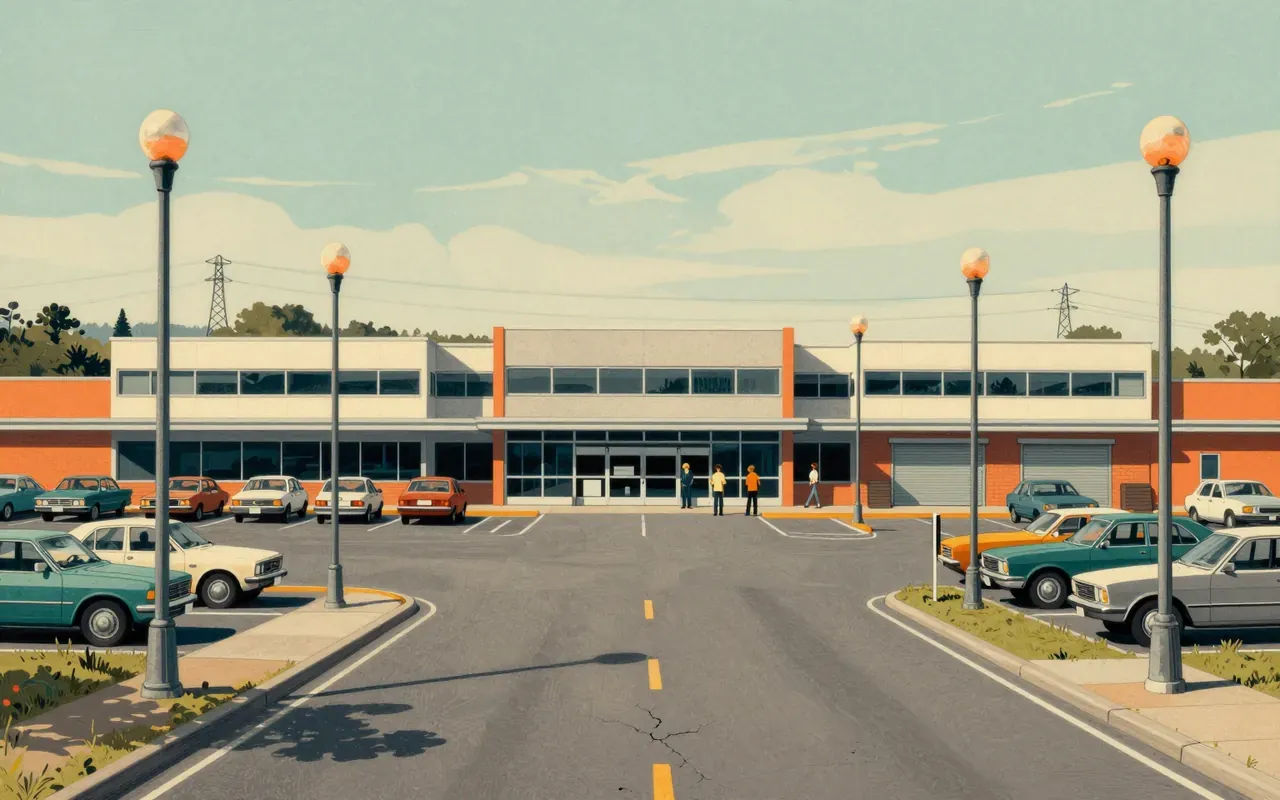

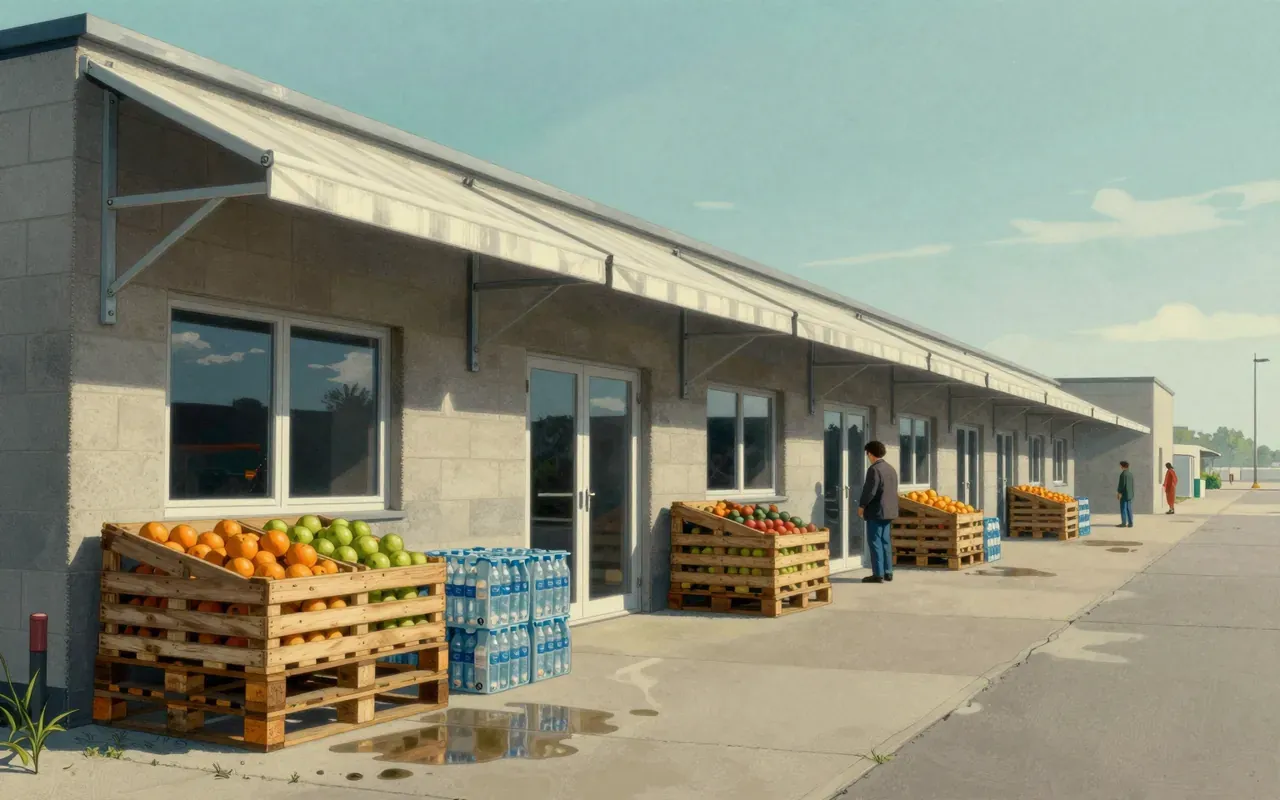
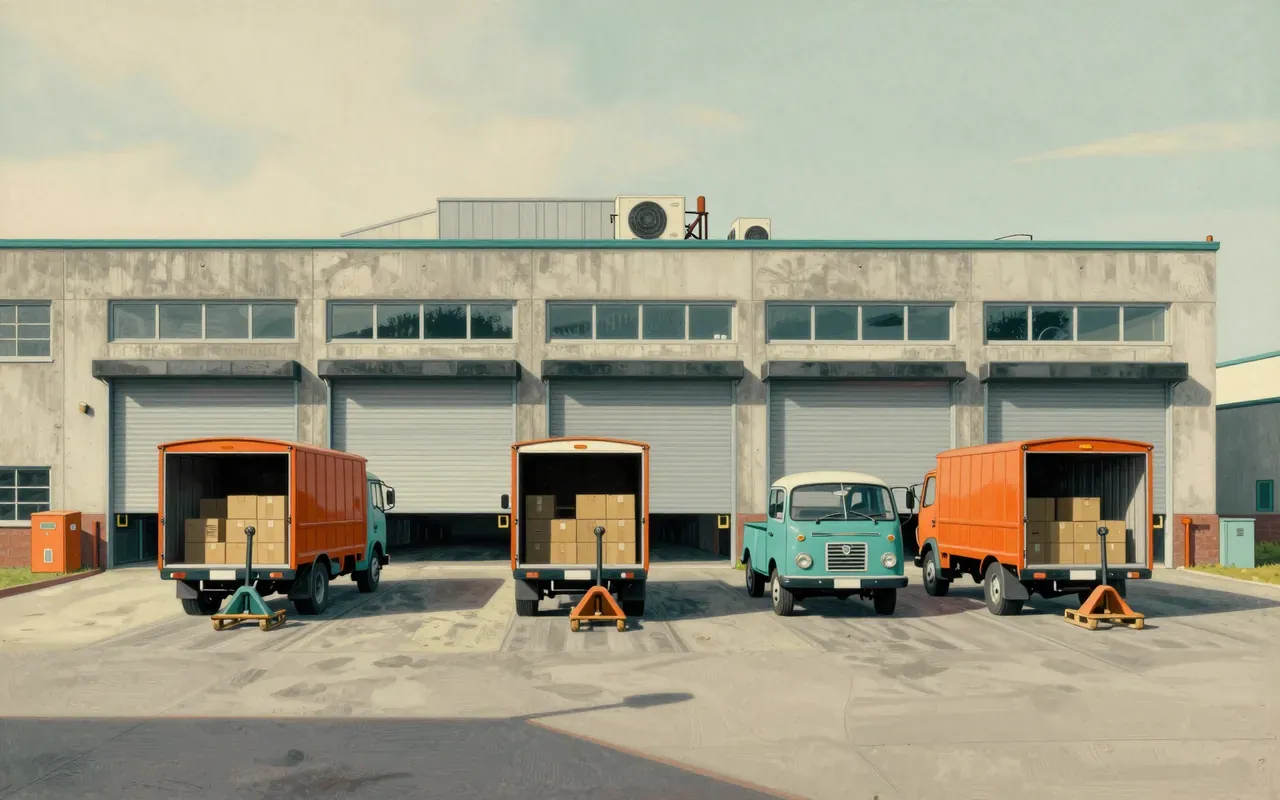
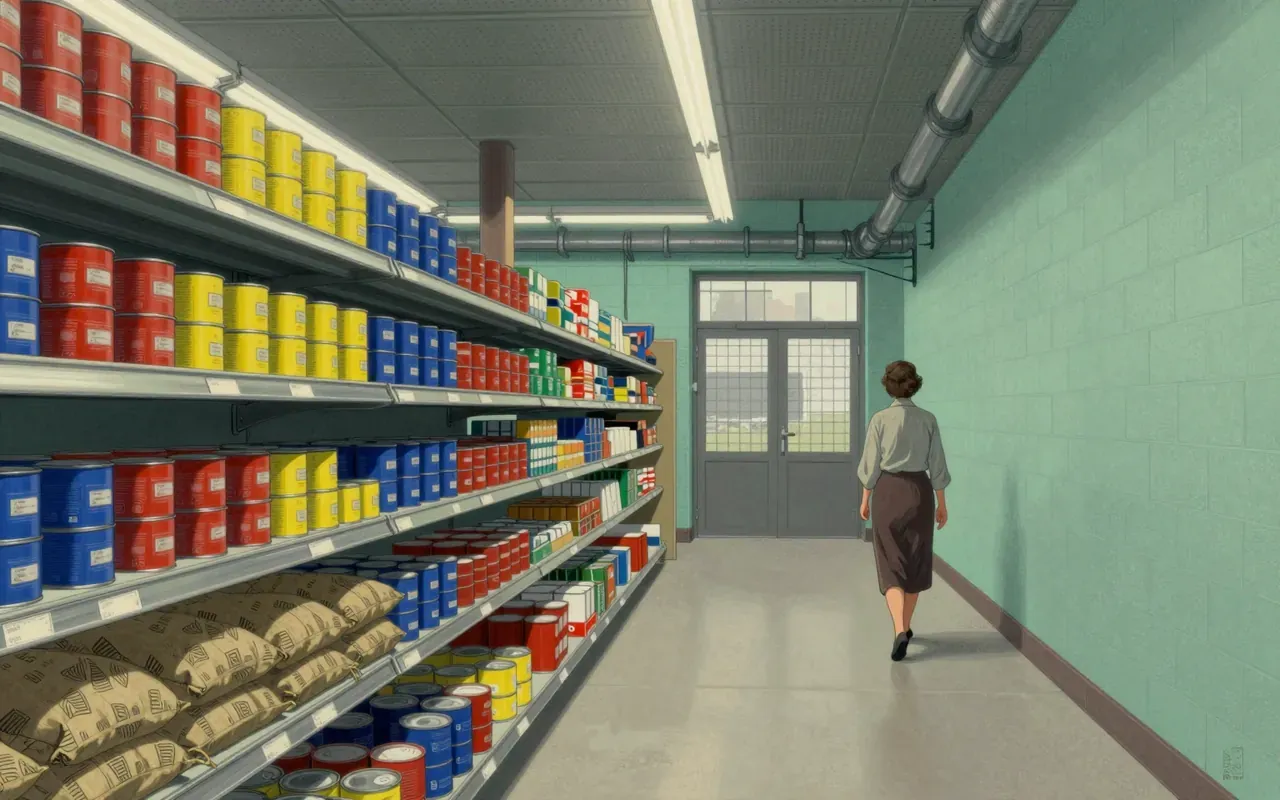
E.Leclerc is a French retailers’ cooperative founded in 1948. It pioneered the hypermarket format in 1964, adopted self-service retailing from the Félix Potin model, launched wine fairs in 1973, discontinued disposable plastic bags in 1996, introduced the Repère brand in 1997, and expanded internationally starting with Pamplona in 1992 and most recently into Luxembourg in 2023 via acquisition.
Magnit is a Russian food retailer founded in 1994 in Krasnodar by Sergey Galitsky. It grew rapidly from a regional chain into a national leader, adopting the convenience store format in 2004 and expanding to 1,000 stores by 2000 and 1,500 by 2005—surpassing Pyaterochka in revenue. By 2010 it ranked among the world’s top 250 retailers (Deloitte), and in 2014 became Russia’s largest importer. Its growth continued with milestones including 10,000 stores (2015), entry into pharmacy and drogerie formats, and strategic acquisitions like Dixy (2021) and Samberi (2024). Ownership shifted significantly after 2018, with Marathon Group becoming the largest shareholder in November 2021. Management transitioned from Galitsky to external CEOs starting in 2018, and the company pursued vertical integration via in-house production facilities and distribution infrastructure.
Aldi is not a single company. It is two legally and financially separate firms — Aldi Nord and Aldi Süd — born from a 1960 split triggered by a disagreement over cigarettes. They share a name, a cost-cutting method, and a lineage, but no ownership, no shared board, and no central strategy. Their model works because it eliminates variables: no fresh produce, no advertising, no unsold stock, no large stores, no rebates beyond the legal 3%. By 1960, that method had scaled to 300 stores. Family control ended by 2002. The business survives not through narrative, but through subtraction.
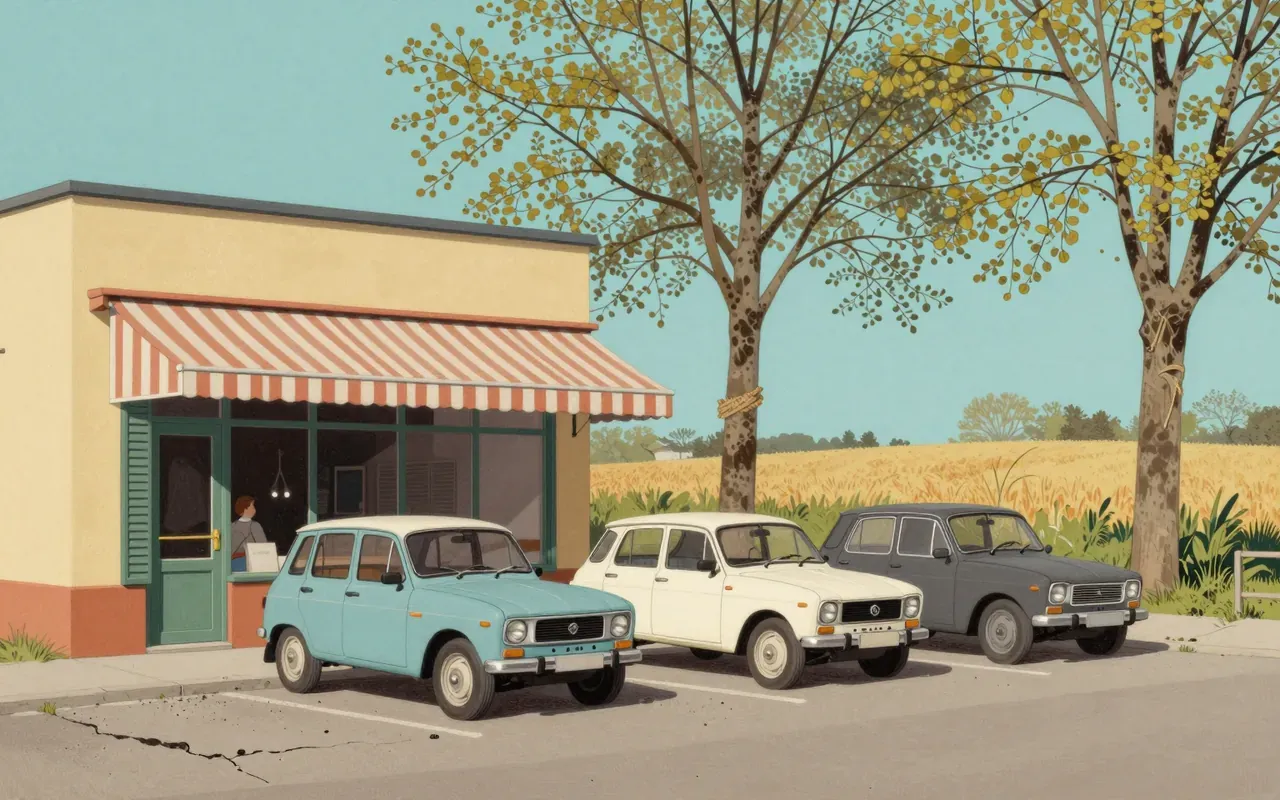
Carrefour is a foundational case in retail format design — not technology, not branding, not finance — but physical integration, location logic, and incremental scaling.
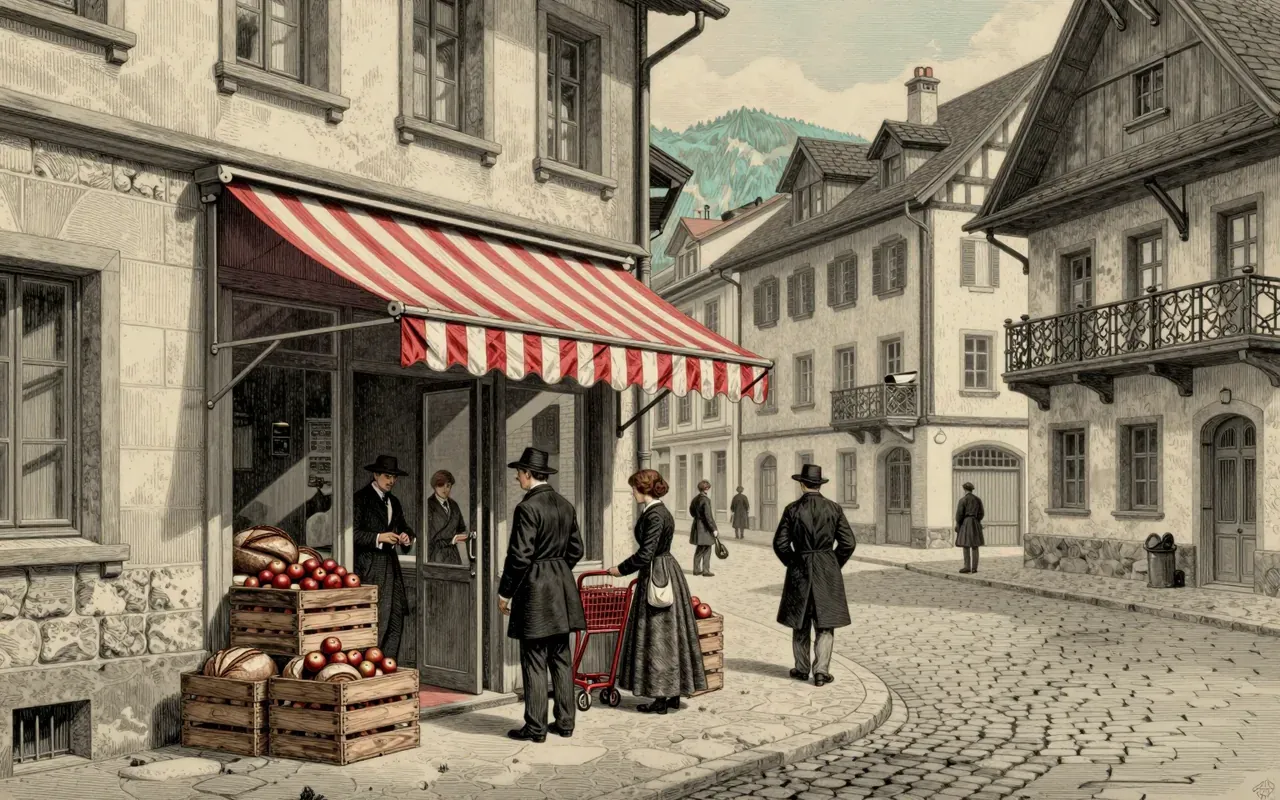
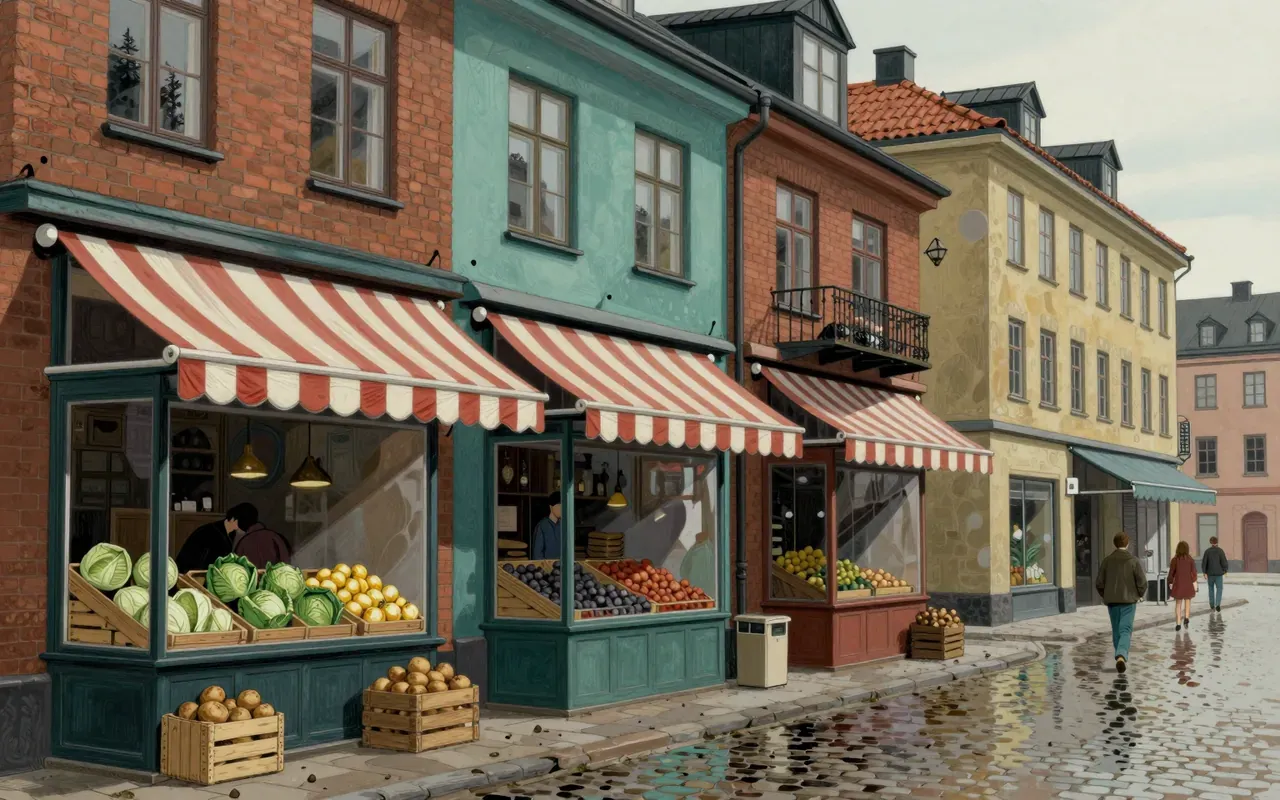
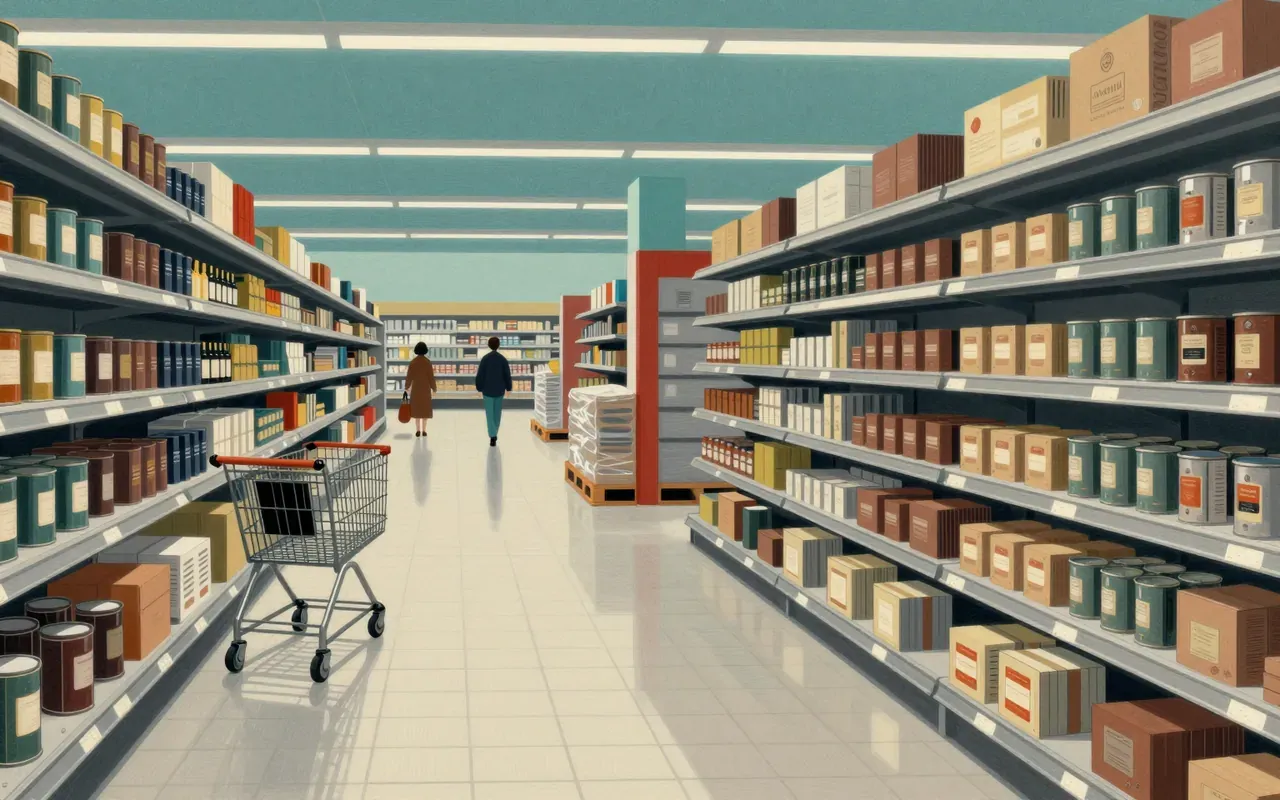

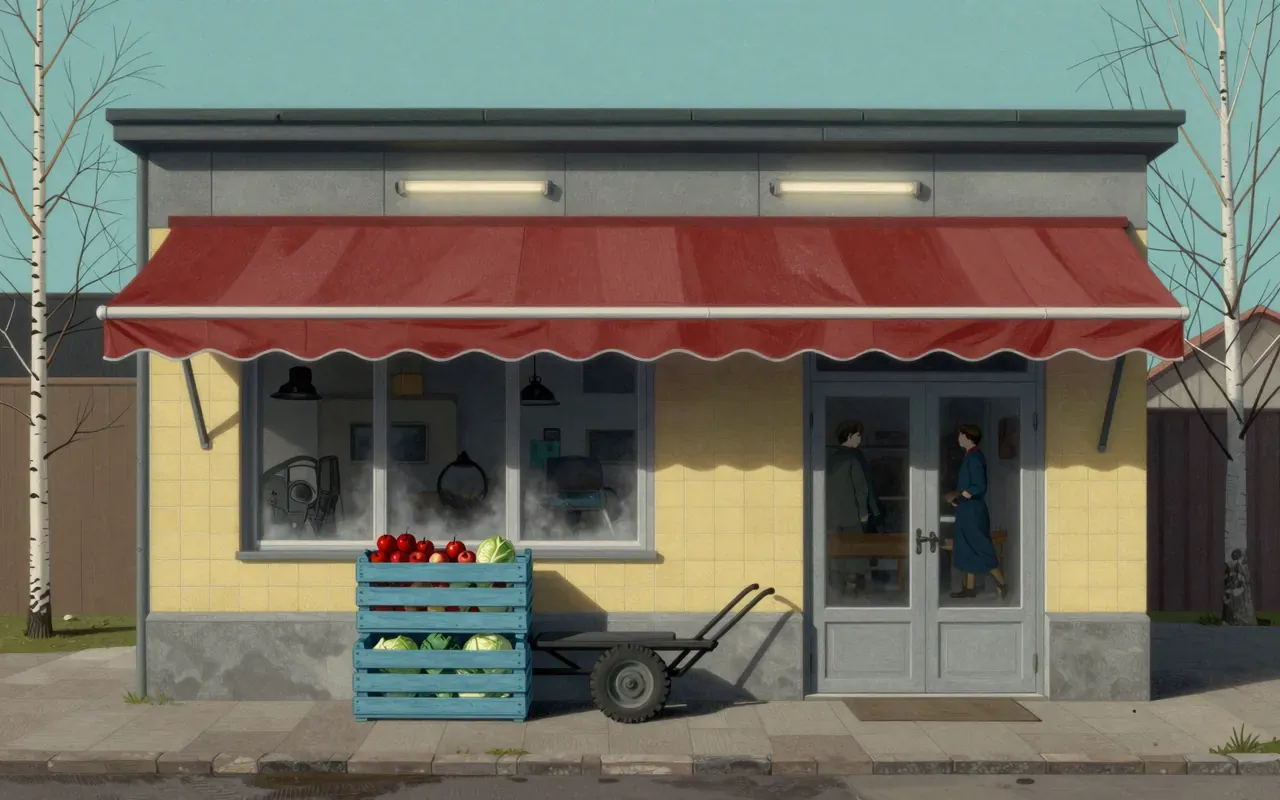
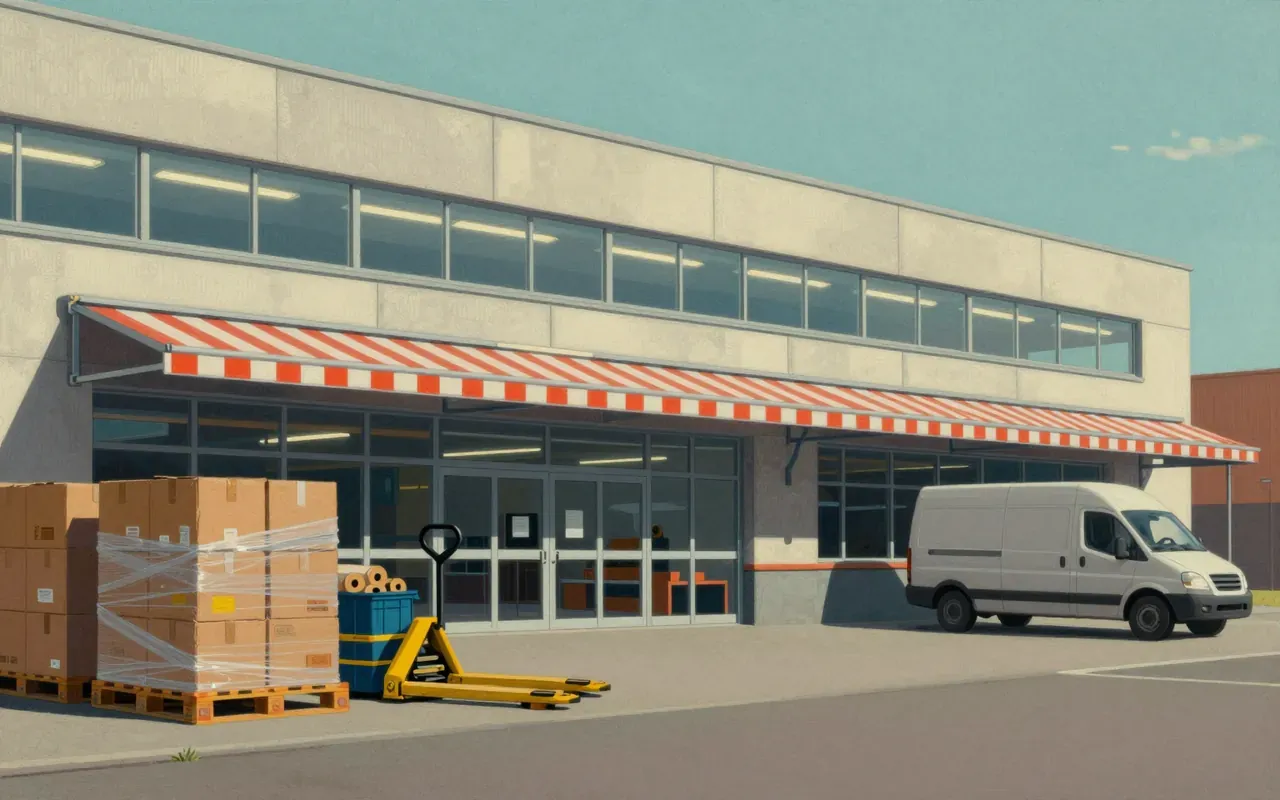
Kaufland is a German hypermarket chain founded in 1984 in Neckarsulm, part of the Schwarz Gruppe, and developed by Dieter Schwarz as a full-range alternative to Lidl’s discount format. It makes money by selling groceries and general merchandise from hypermarkets averaging over 10,000 m², operating under vertical integration — running in-house bakeries since 1994, meat processing facilities, and organic product lines launched in November 2018. Its strategy of acquiring competitor assets (e.g., 12 famila stores and a Cash-&-Carry-Markt in January 2010) and rebranding existing Handelshof locations gave it rapid scale. It dominates eastern Germany today — a result of opening its first East German store in Meißen in 1990, immediately after reunification. Its Australian expansion failed within a year (2019–2020), exposing limits to its model outside culturally and logistically aligned markets. It does not operate outside Europe. The gap between Kaufland’s self-presentation as a sustainability- and quality-driven retailer (e.g., 2021 decarbonisation strategy, organic range) and its operational reality — acquisitions, rebranding, and regional dominance built on post-reunification timing and antitrust-cleared takeovers — reveals how legacy retail power consolidates without innovation.
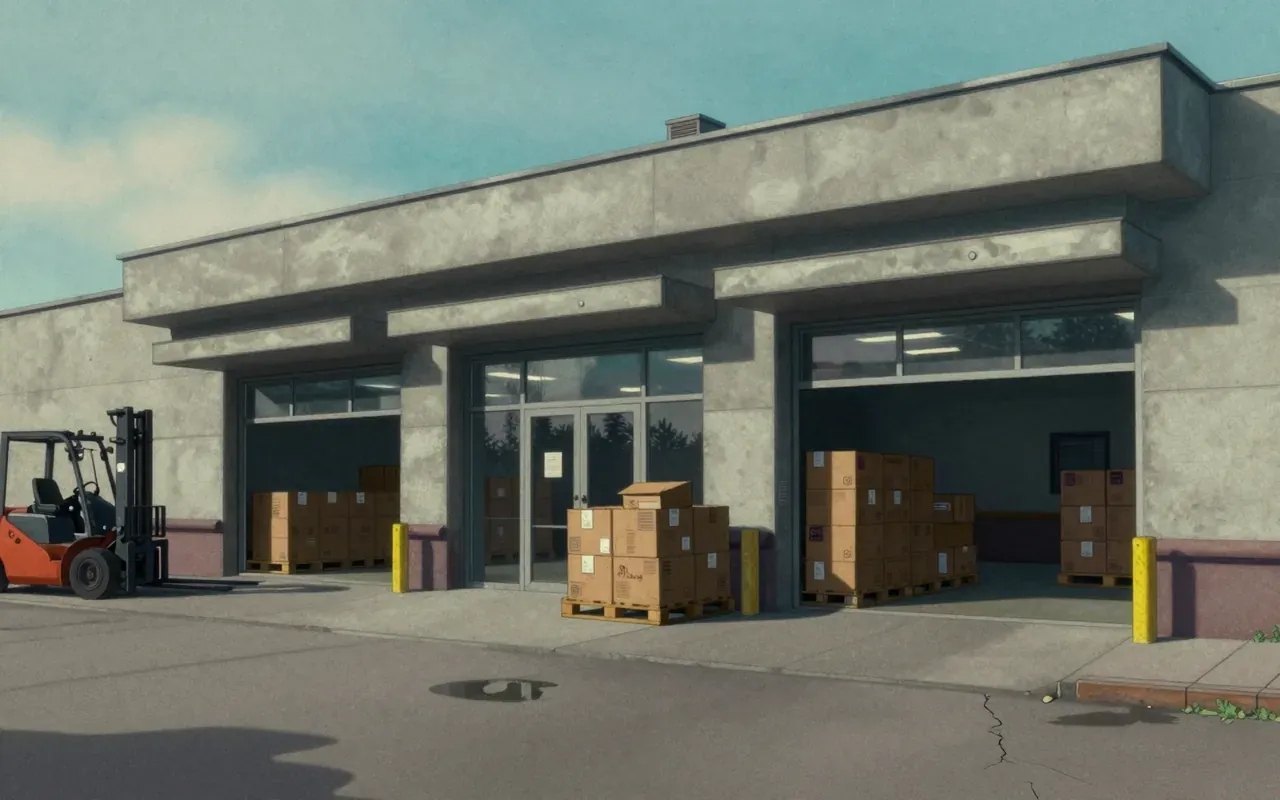
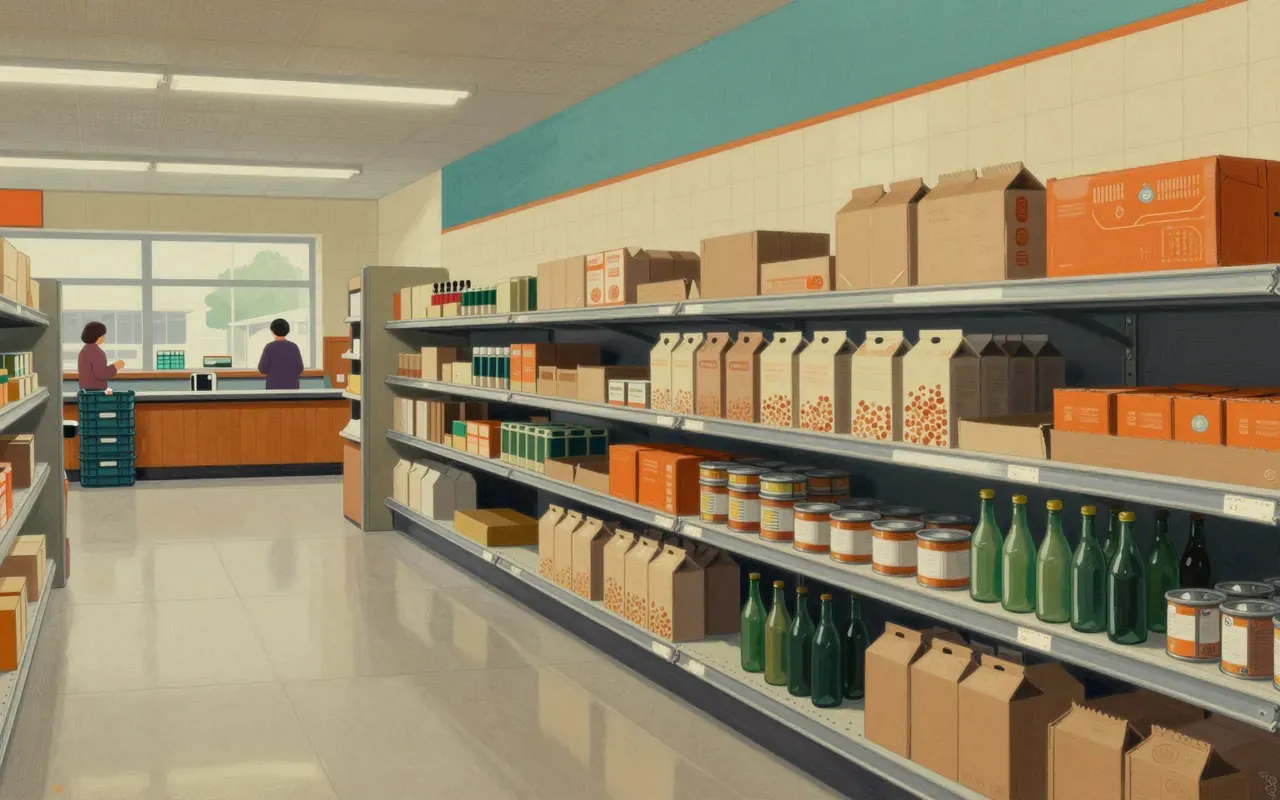
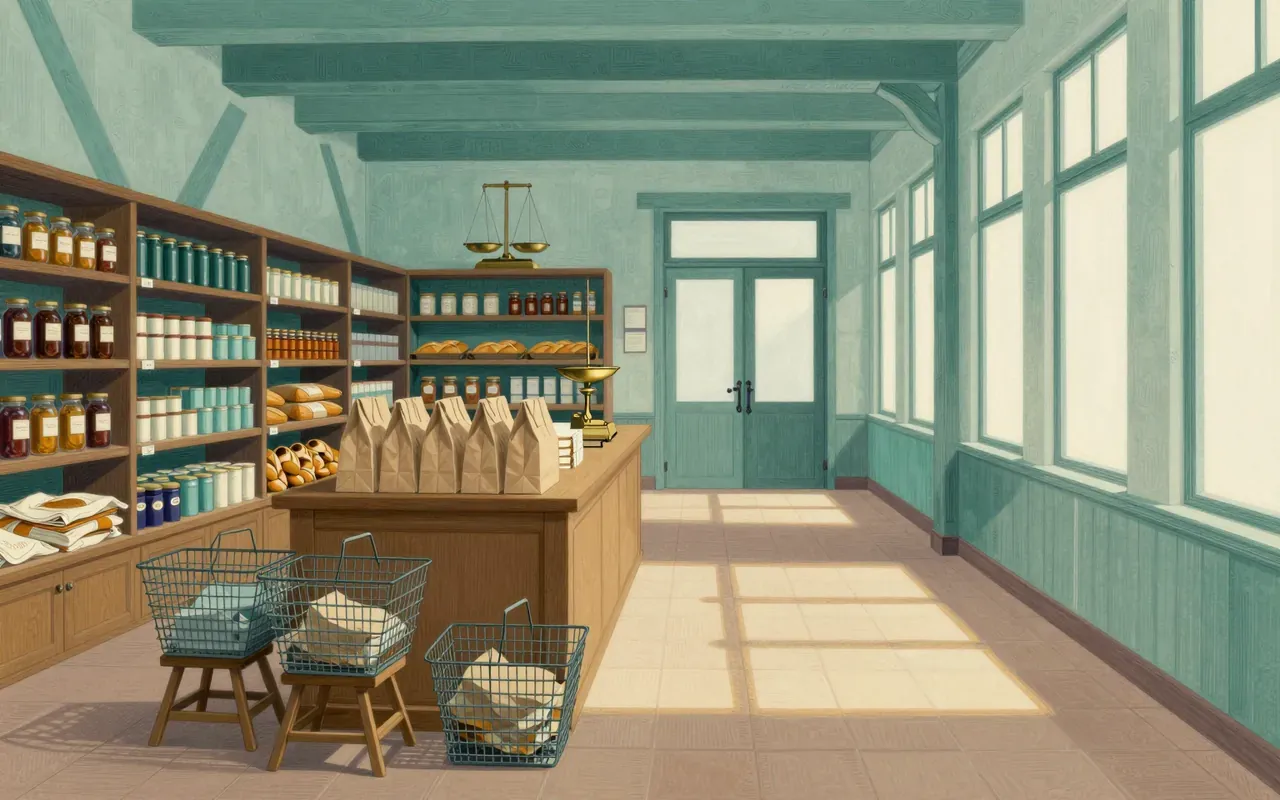
Migros is a Swiss retail cooperative founded in 1925 in Zurich by Gottlieb Duttweiler as a private enterprise delivering six staple goods via five lorries to households with limited market access.
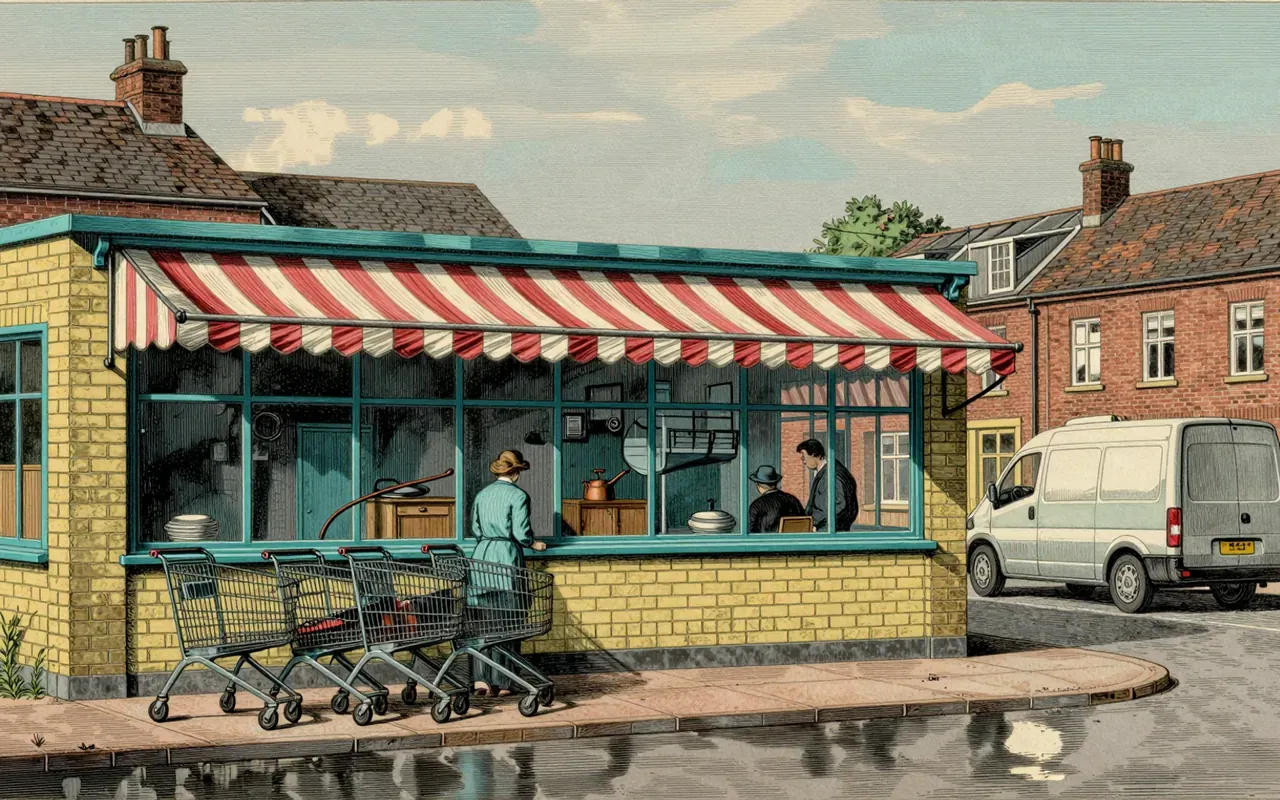
Morrisons is a UK supermarket chain founded in 1899 as an egg and butter stall in Rawson Market, Bradford. It grew regionally until the 2004 Safeway acquisition gave it national reach across Great Britain and one store in Gibraltar. As of 2021, it operated 497 stores, employed 110,000 people, and served ~11 million customers weekly. It was listed on the London Stock Exchange until its October 2021 acquisition by Clayton, Dubilier & Rice. Since then, it has struggled financially and fallen to fifth place in UK market share (8.6%), overtaken by Aldi in September 2022.
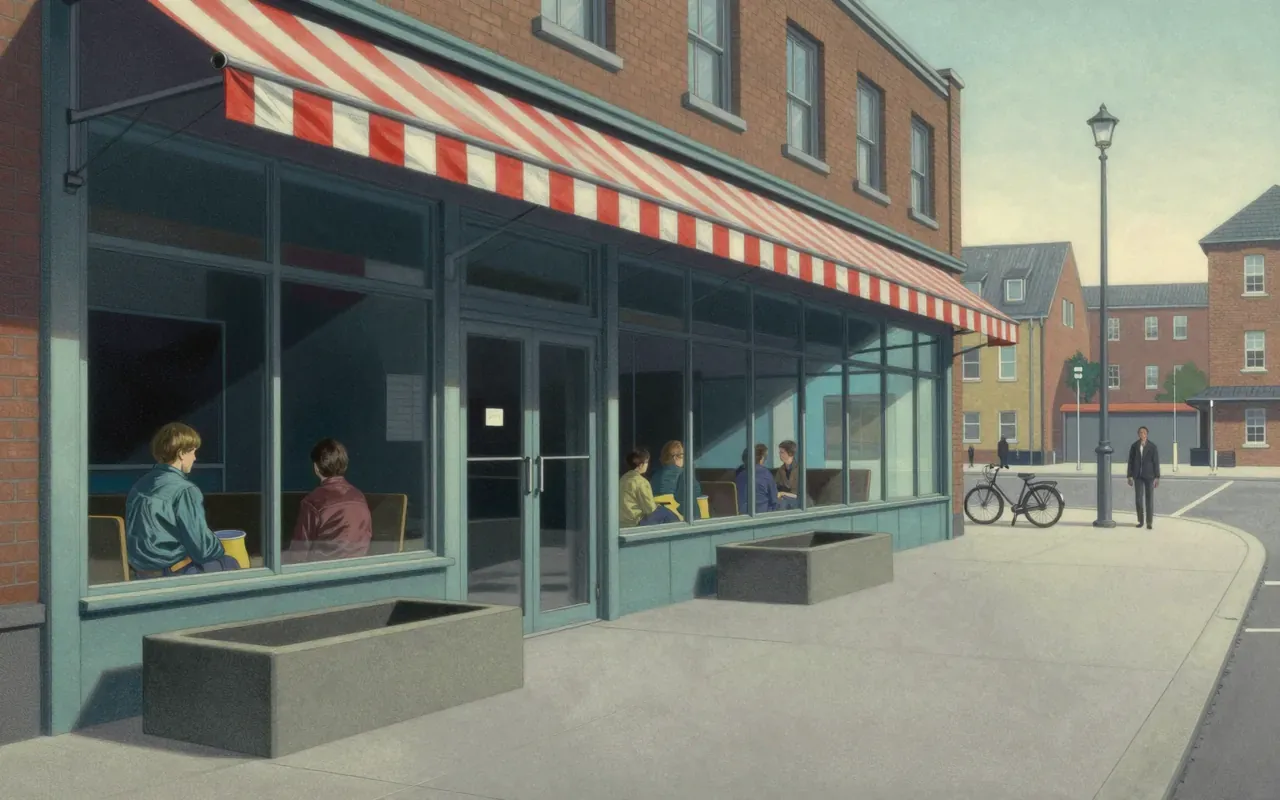

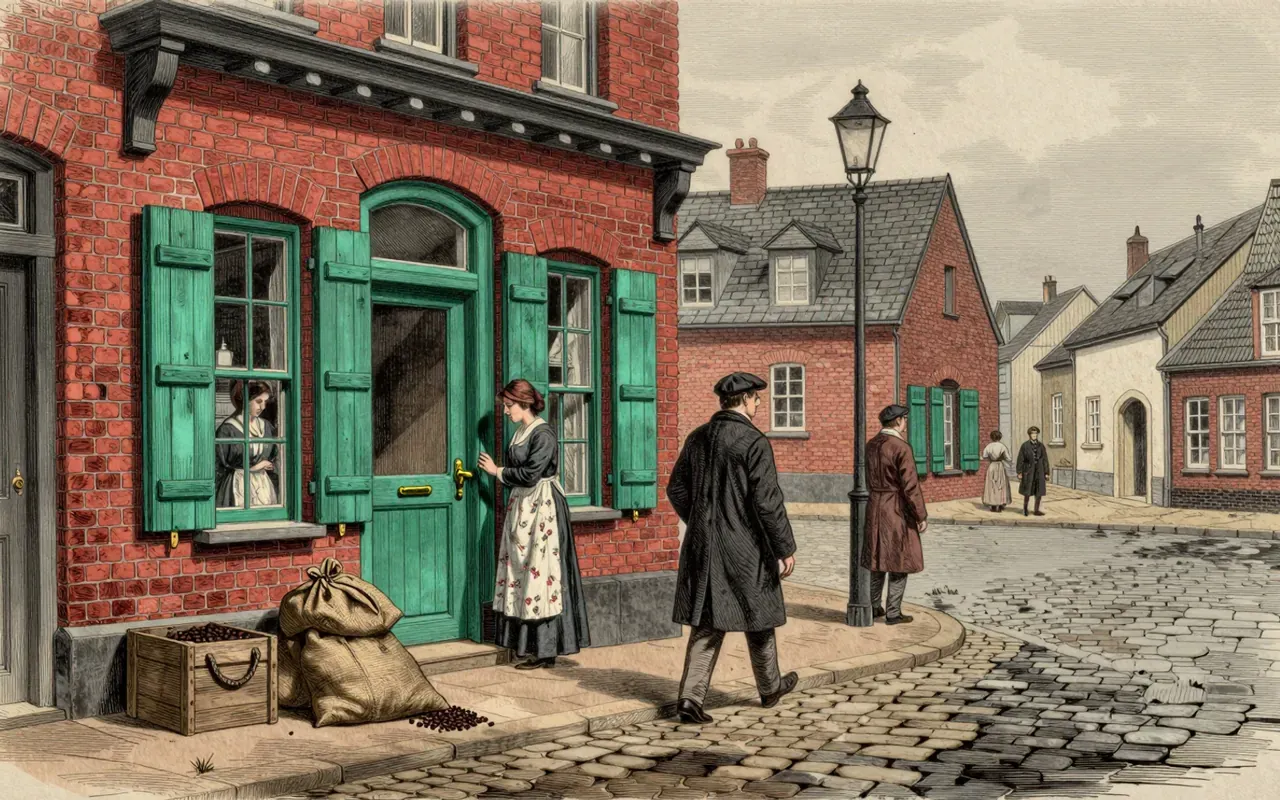
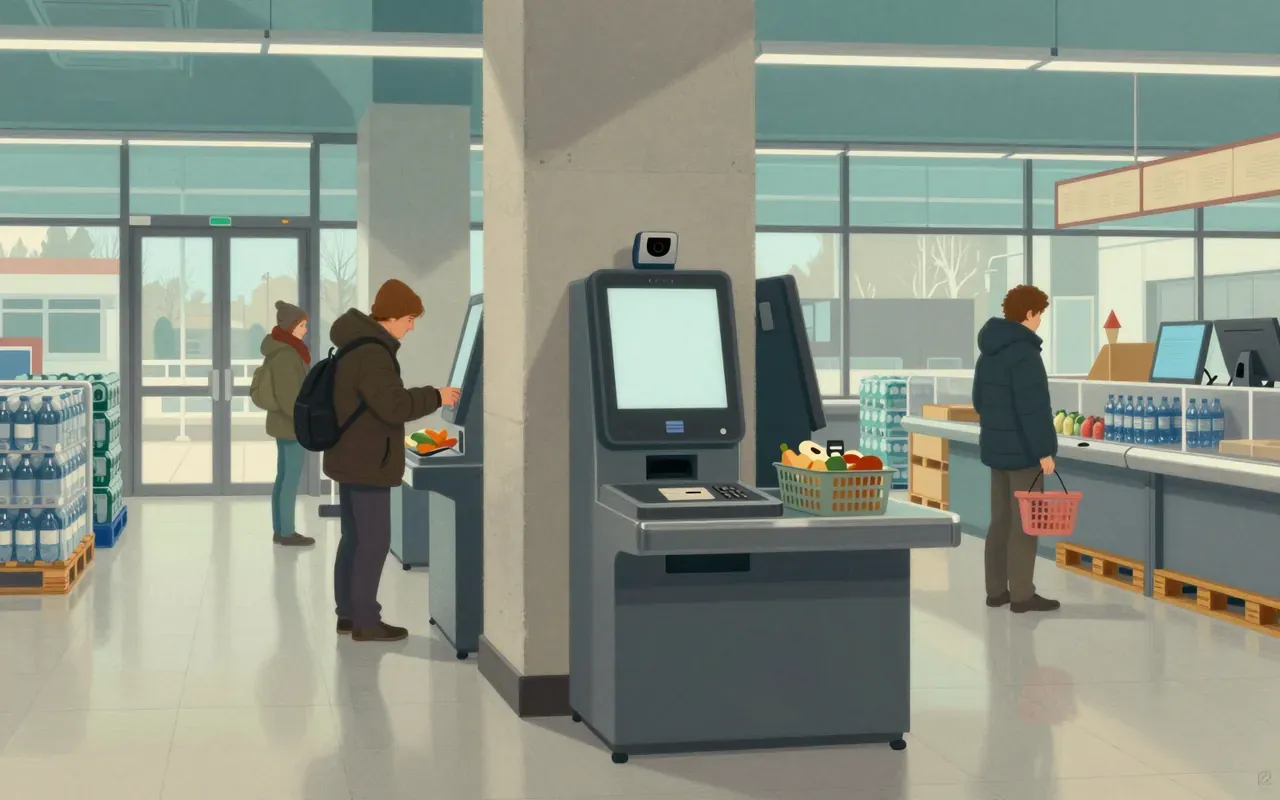
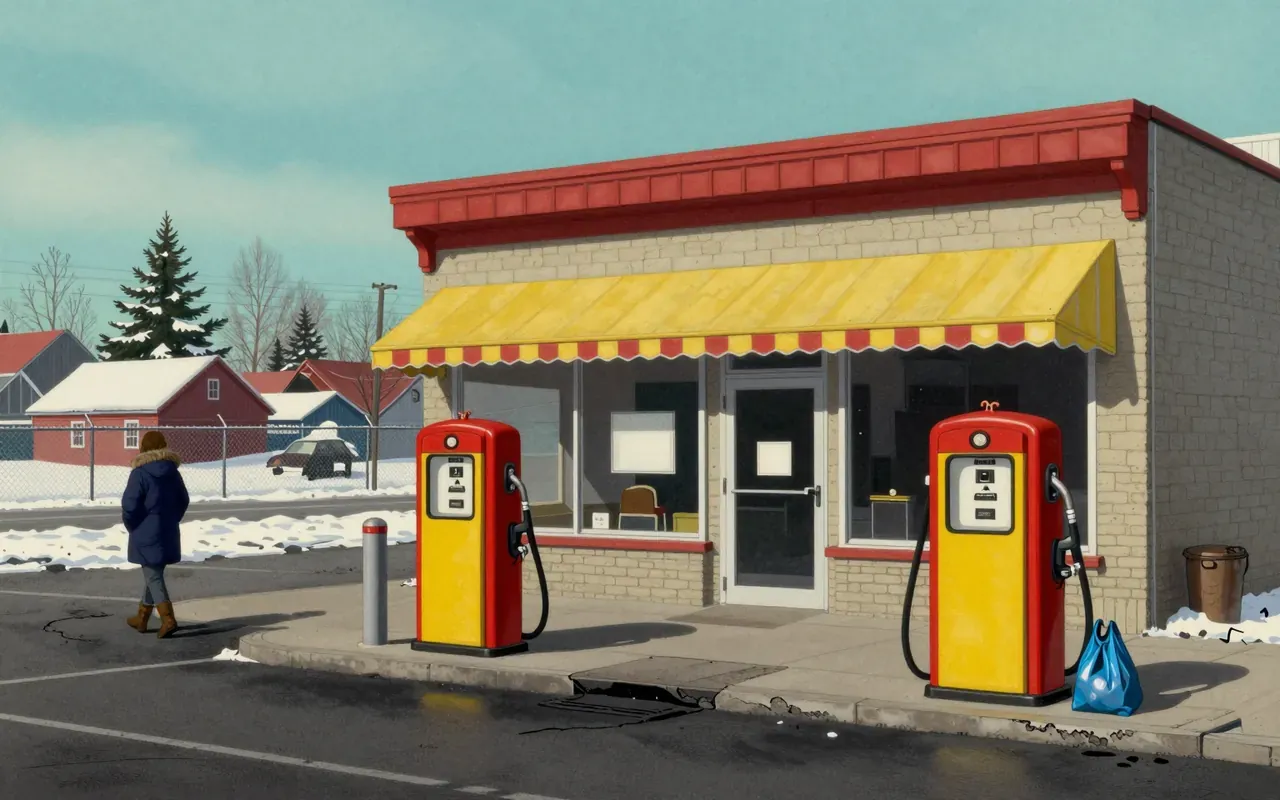
Alimentation Couche-Tard is a textbook case of geographic and operational scaling through acquisition and banner standardisation — not product, tech, or marketing innovation. Its model depends on acquiring undermanaged regional chains, stripping overlapping functions, and enforcing consistency in procurement and site selection. It reveals little about consumer behaviour or retail design, but much about how capital, real estate leverage, and decentralised execution combine to dominate fragmented markets.
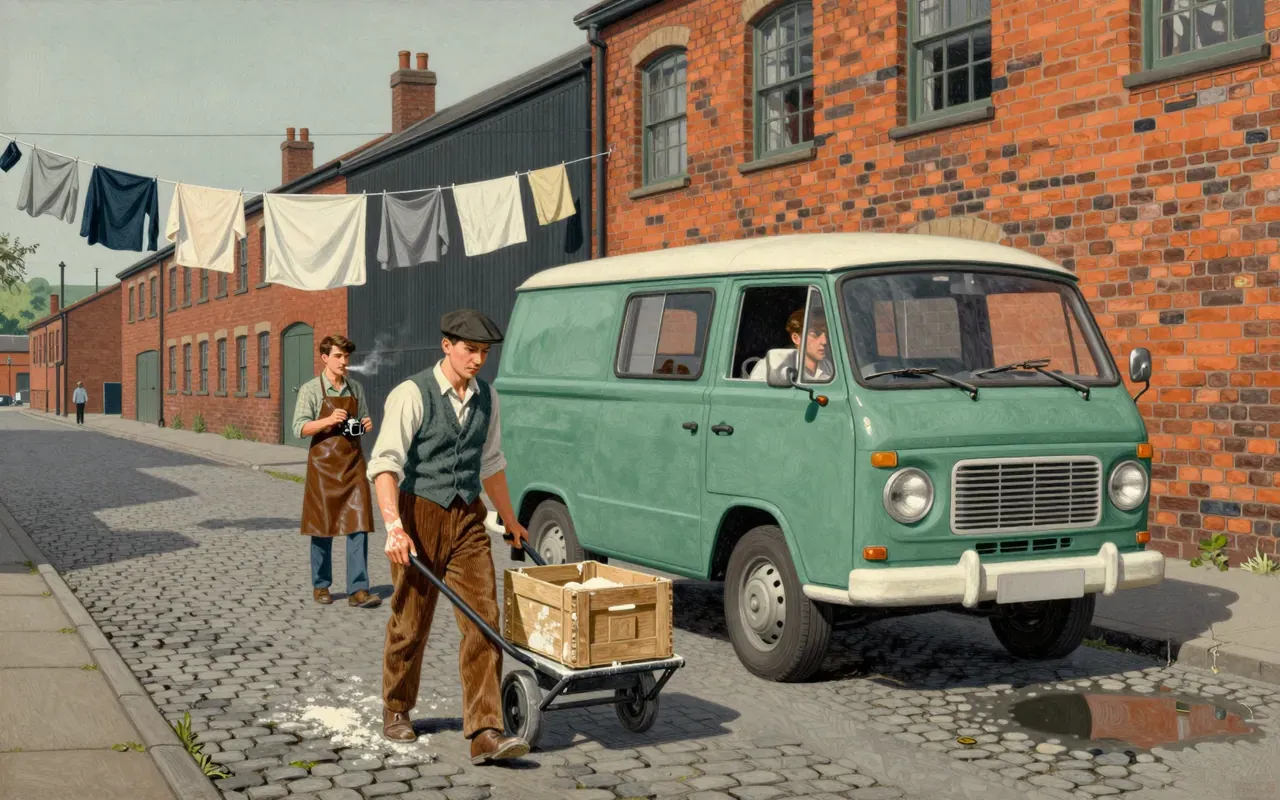
Asda's origin story is a case study in opportunistic capital allocation — not disruption. It used regulatory shifts, tax law, and real estate terms to scale before it had a coherent brand or national footprint.
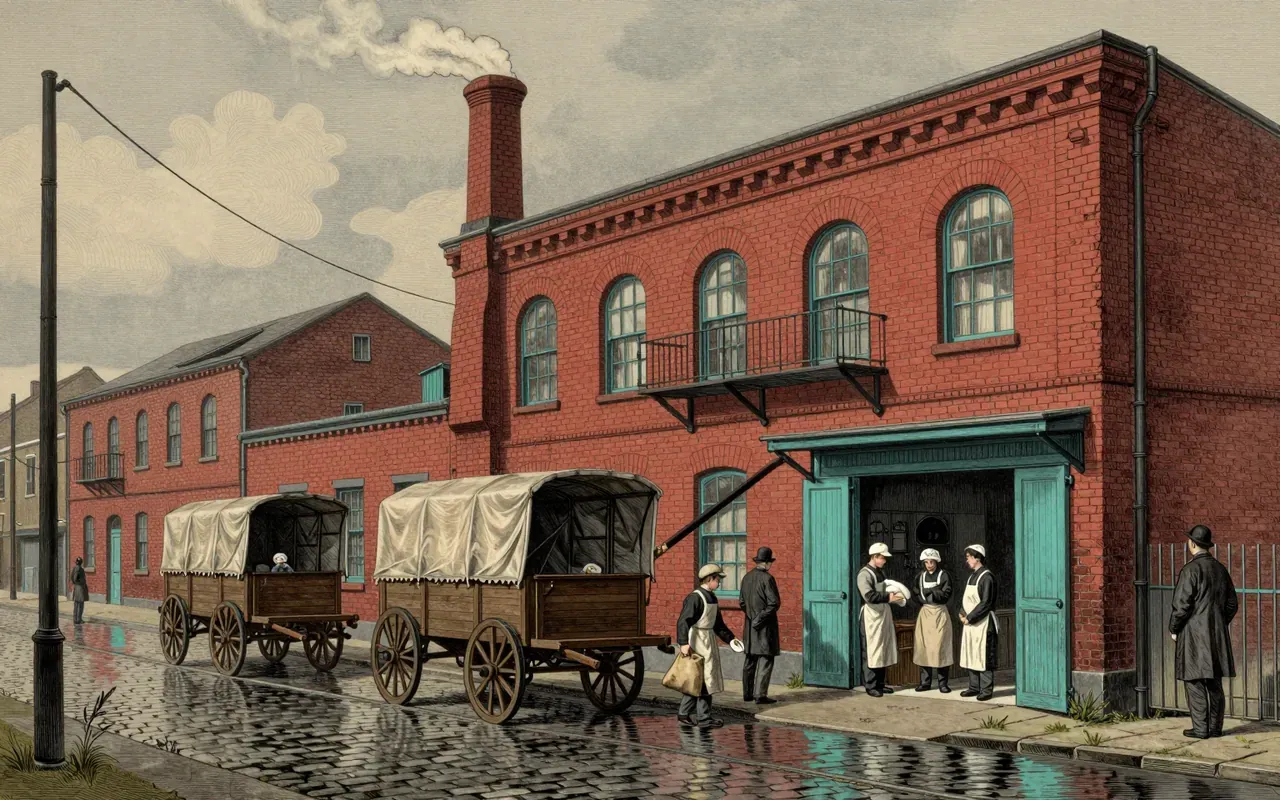
George Weston Limited is a Canadian holding company founded in 1882, structured around two core assets: Loblaw Companies Limited and Choice Properties REIT.
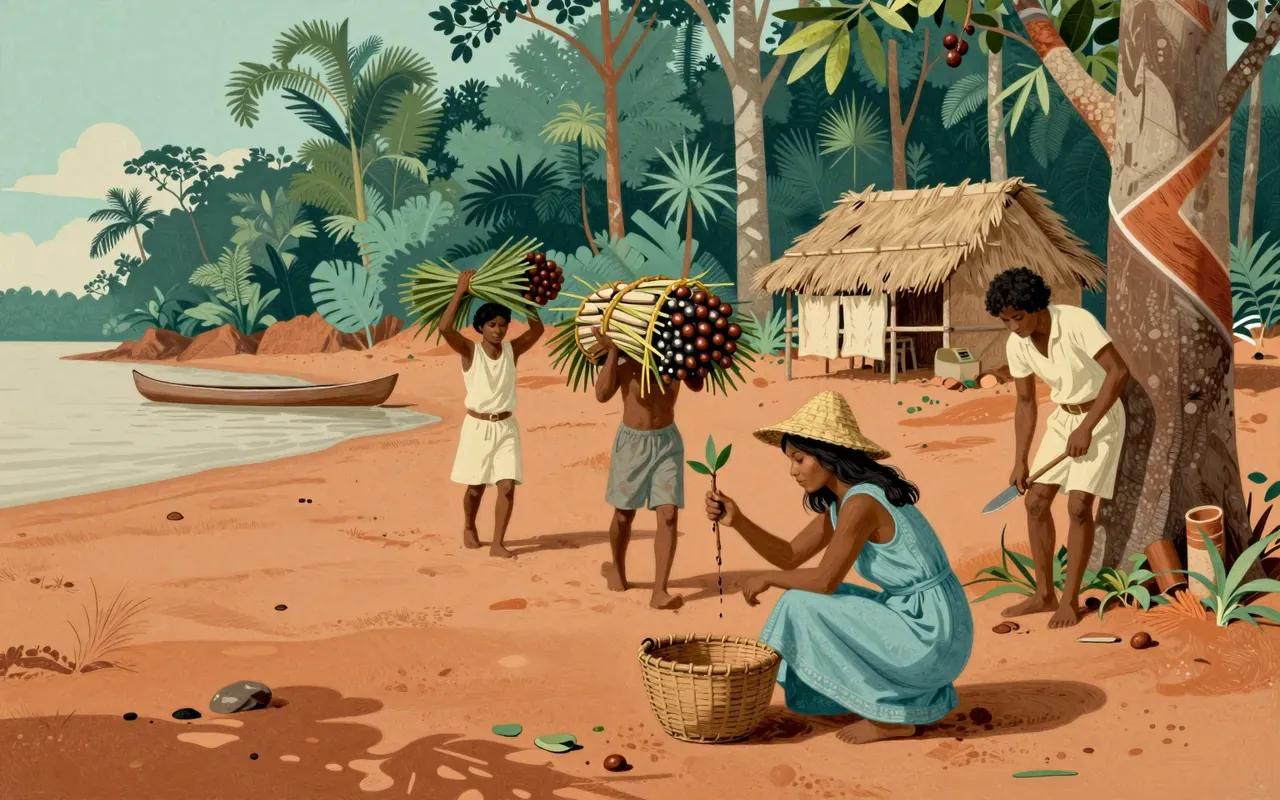
Natura built a global cosmetics business using direct sales—not digital platforms—and anchored its identity in ethical sourcing and animal-testing bans. It listed on Brazil’s highest-governance stock exchange tier in 2004. But none of its stated commitments include third-party verification, cost impact, or enforcement mechanisms. Its scale—6.6 million consultants in 2018—is real. Its ethics are aspirational.
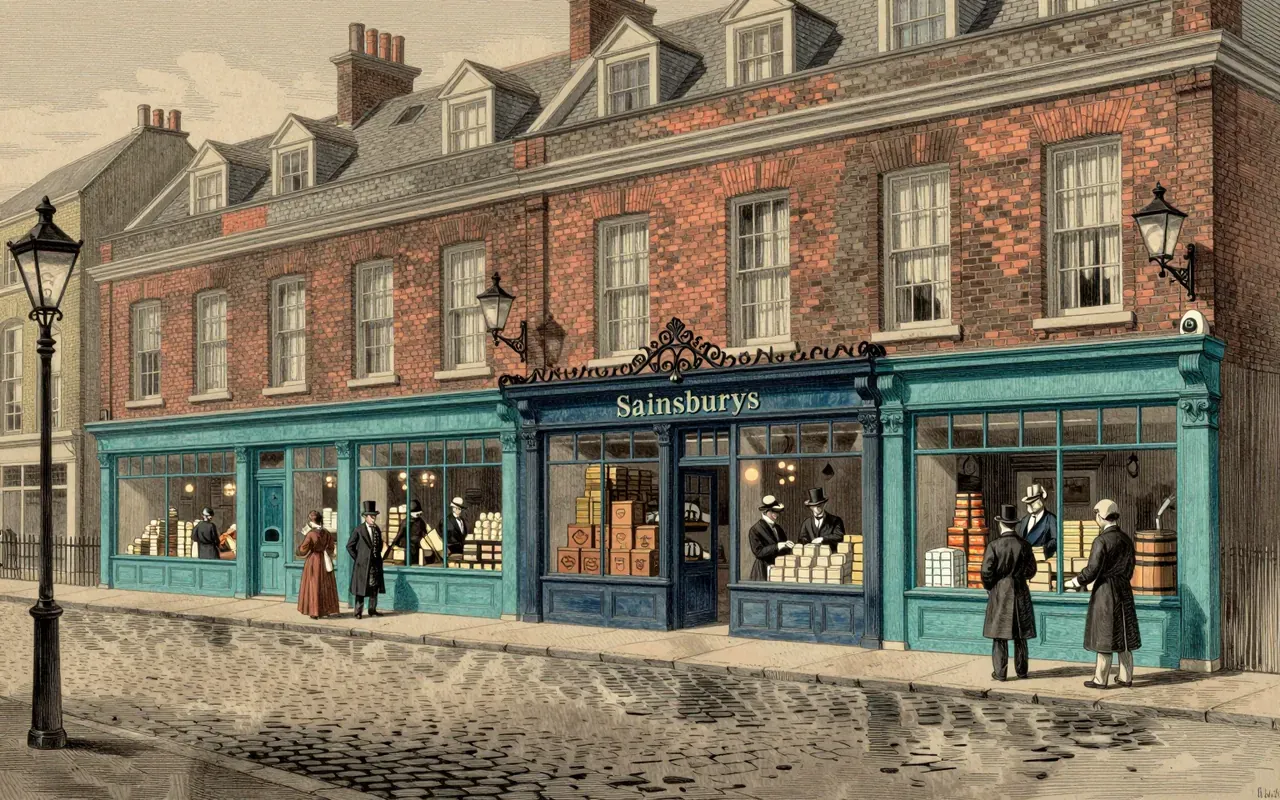
Sainsbury’s is the second-largest UK supermarket chain. It was the largest UK grocery retailer for most of the 20th century. It was founded in 1869 as a partnership by John James Sainsbury and Mary Ann Sainsbury at 173 Drury Lane in London. It began selling fresh foods and later expanded into packaged groceries. Its founding philosophy was 'Quality perfect, prices lower'. It used distinctive cast-iron signage, offered home delivery, and prioritised centrally located shops for better display and cooling before refrigeration existed. It grew to 128 stores by 1928 and remained a family business throughout Sainsbury’s lifetime. He served as Chairman and Governing Director from incorporation in 1922 until his death in 1928.
Tesco is a British multinational groceries and general merchandise retailer headquartered in Welwyn Garden City, England. It was founded in 1919 by Sir Jack Cohen in Hackney, London, beginning with a market stall selling war-surplus groceries. The Tesco brand emerged in 1924 from supplier initials and Cohen’s surname. The first dedicated shop opened in 1931 in Edgware. It was floated on the London Stock Exchange in 1947. It pioneered self-service (1948) and supermarket formats (1956). Cohen’s core business method was 'pile it high and sell it cheap' and the motivational internal motto 'YCDBSOYA'.
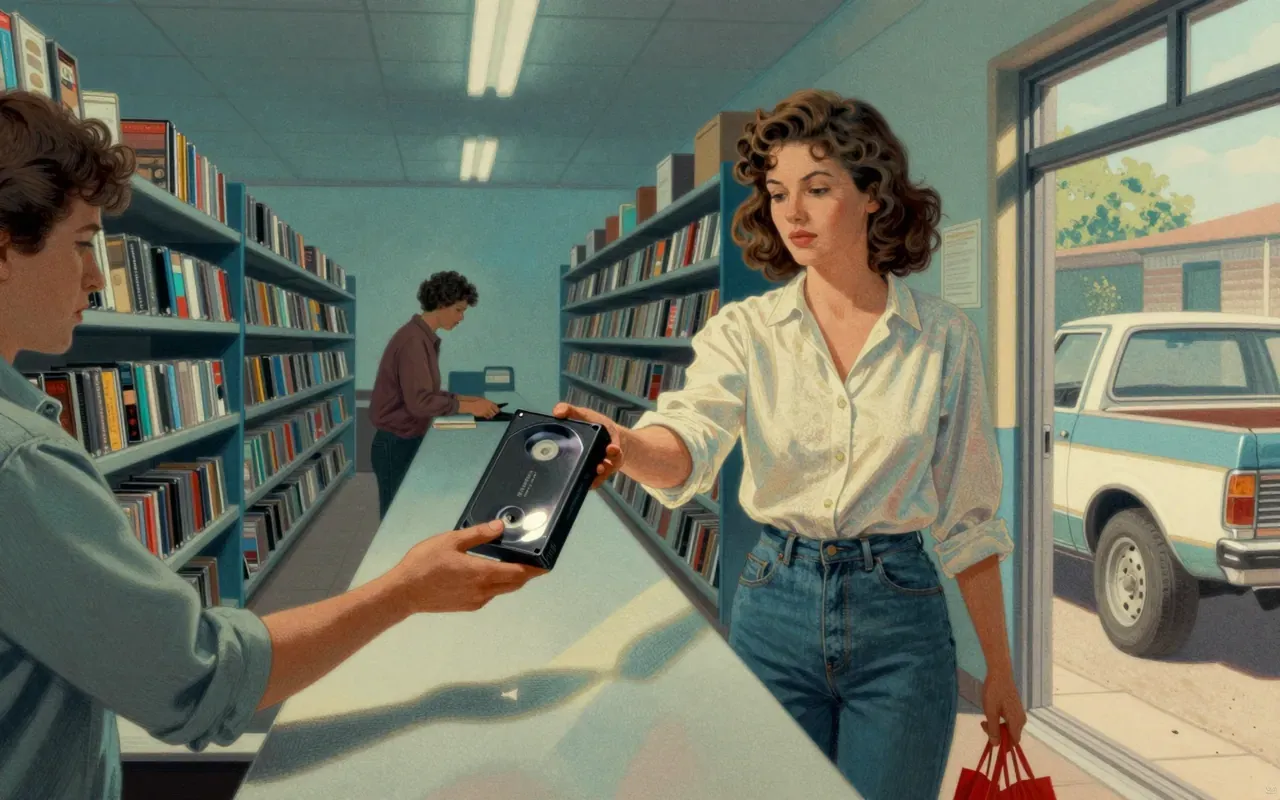
Blockbuster’s story is not about disruption — it is about refusal. It controlled distribution, not demand. It priced convenience as punishment. Its collapse was mechanical, not mystical.

Gap Inc. was a logistics play disguised as youth culture — and its early success came from solving stockouts, not selling identity.
H&M is a Swedish multinational clothing company headquartered in Stockholm, founded in 1947 by Erling Persson in Västerås as a women’s-only retailer named Hennes. Built on a fast fashion business model, it sells apparel, accessories, and homeware. In 1968, Persson acquired the hunting apparel retailer Mauritz Widforss, added menswear, and changed the name to Hennes & Mauritz. The company was listed on the Stockholm Stock Exchange in 1974 and opened its first store outside Scandinavia in London in 1976. It began online retailing in 1998 using the domain hm.com, registered in 1997.
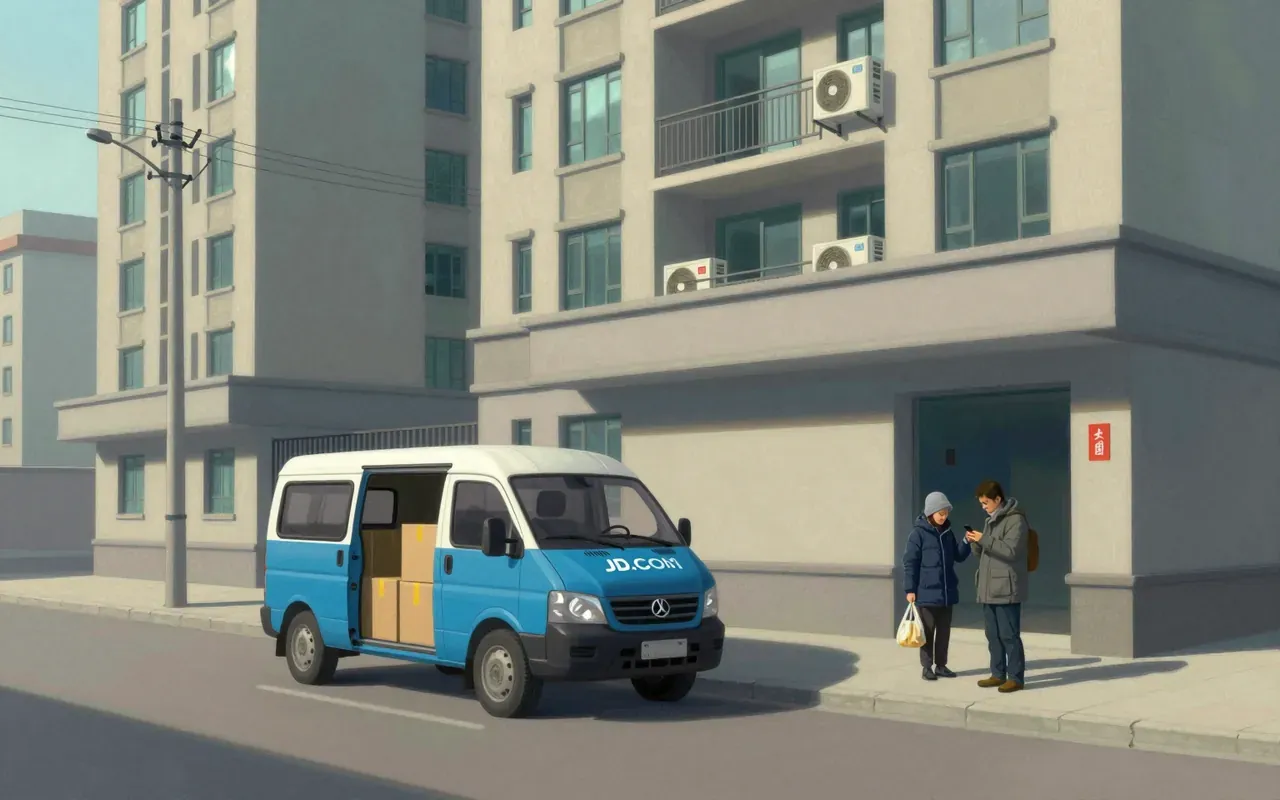
JD.com is not a platform play. It is a logistics-and-service company disguised as an e-commerce site. Its scale comes from owning the last mile — and the first response.
L'Oréal is the world's largest cosmetics company — not because it invented beauty, but because it industrialised chemistry, controlled distribution, and systematised intellectual property.
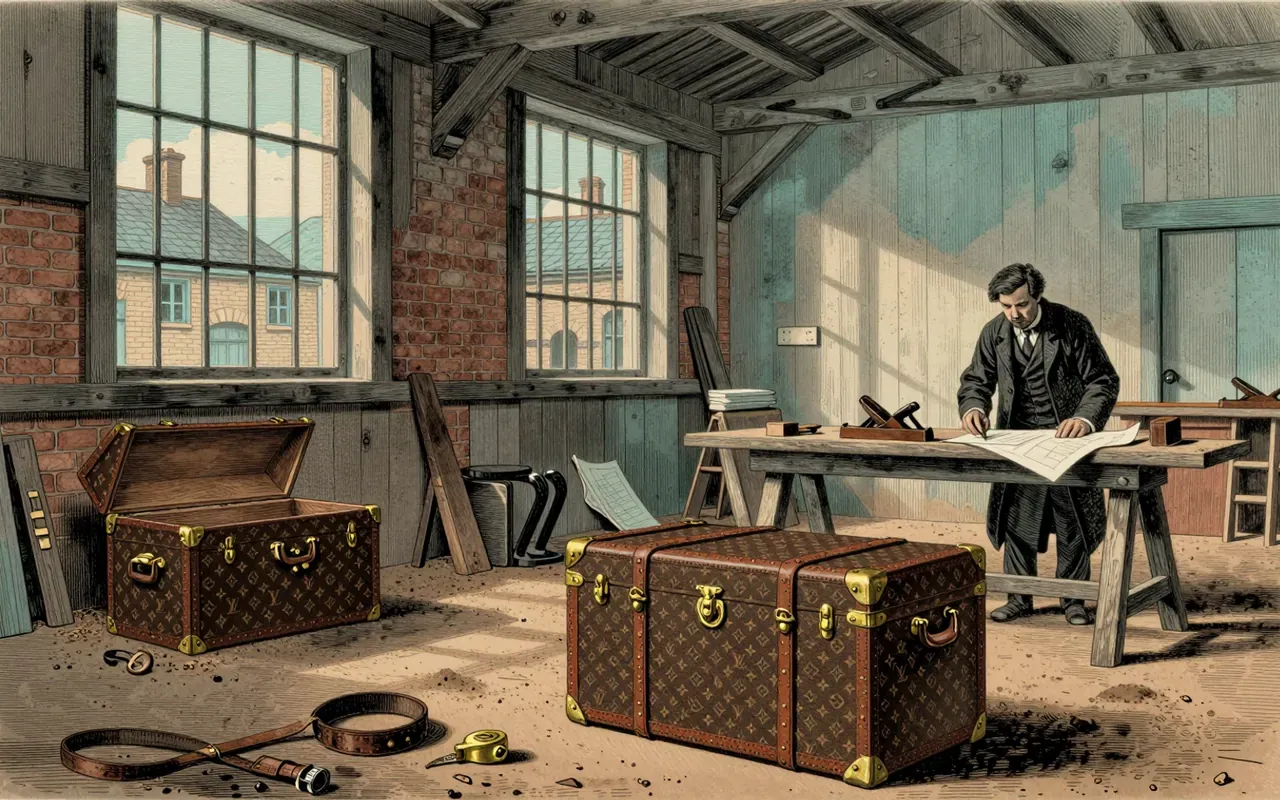
Louis Vuitton is a French luxury fashion house founded in 1854. It merged into LVMH in 1987. It earns revenue from globally distributed, monogrammed luxury goods sold via 460+ owned stores. Its valuation rose from US$25.9bn (2012) to US$28.4bn (2013), alongside US$9.4bn revenue that year. It is repeatedly named the world’s most valuable luxury brand—but never discloses margins, unit costs, or subsidiary-level financials. Legal actions, WWII collaboration, model mistreatment, UNESCO site damage, and cultural appropriation claims are documented—but none appear in its financial reporting or governance disclosures.

LVMH is a French multinational luxury goods conglomerate formed in 1987 by merger—not founded—of Louis Vuitton and Moët Hennessy. Bernard Arnault assumed control shortly thereafter, not by founding but by outmanoeuvring the initial family owners. The company operates through ~60 subsidiaries managing 75 luxury brands across six branches. Its $500B valuation in April 2023 reflects disciplined acquisition—Boussac Saint-Frères (1984), Tiffany & Co. (2021)—and structural decentralisation that preserves brand identity while centralising financial control. LVMH does not invent luxury; it acquires, integrates, and governs it.
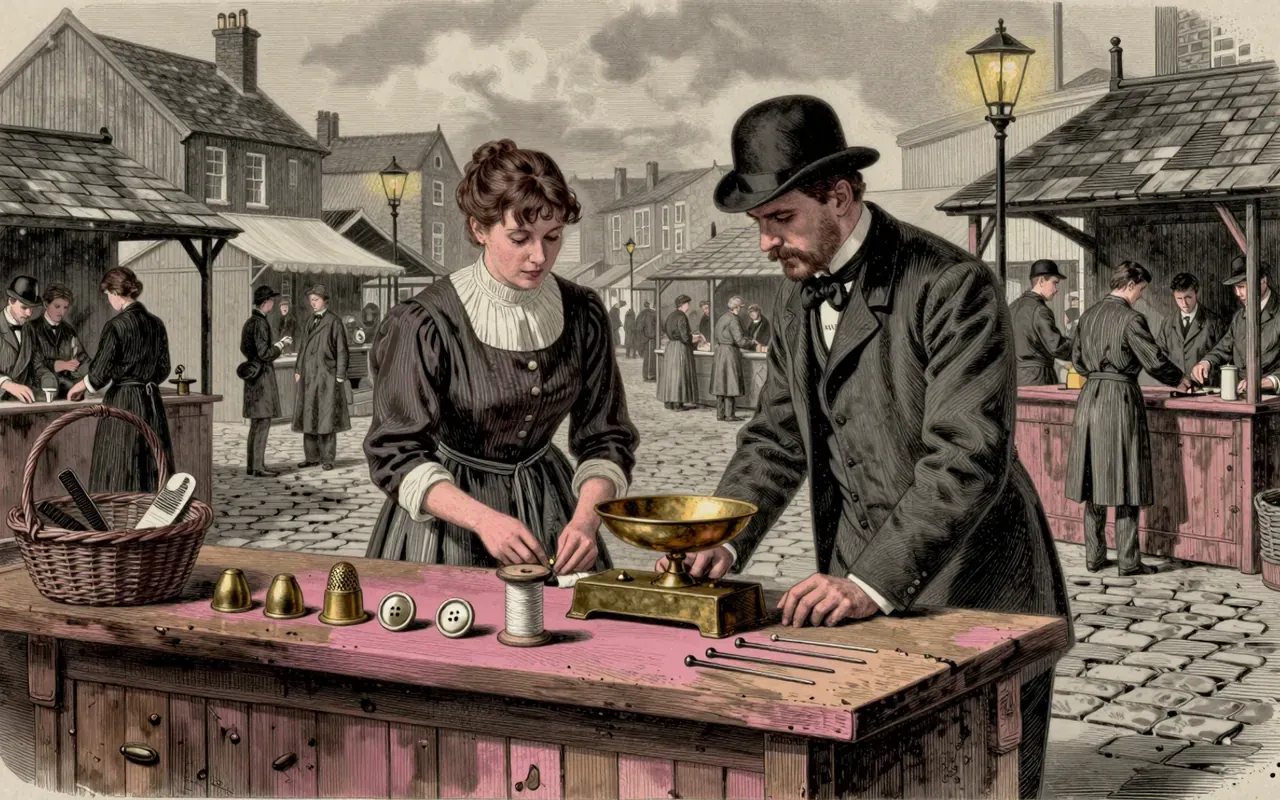
Marks & Spencer began as a £5 stall with a slogan — not a brand, not a department store, but a refusal to haggle.

Uniqlo is a case study in industrialised apparel: no hype, no heritage theatre, no seasonal spectacle — just a tightly coupled system for making, moving, and refining simple clothes at scale.
Zara is a case study in operational rigour, not branding or tech. Its advantage is physical: proximity, control, and repetition — not algorithms or virality.
Costco is a membership-first retail system whose financial mechanics are transparent: fees fund operations, low margins enforce discipline, and private label locks in loyalty. It works where density, income, and culture permit bulk buying — and fails where they don’t. No hype. No exceptions.


IKEA is a case study in disciplined execution — not innovation. Its success rests on replicating a single operating model globally, enforced by geographic and legal separation between brand and retail. Nothing in the source material supports claims about culture, sustainability, or digital transformation — only cost, control, and structure.


Shopify is a Canadian multinational cloud e-commerce management platform for retail point-of-sale systems, founded in 2006 by Tobias Lütke, Daniel Weinand, and Scott Lake. In 2024, it processed US$292.3 billion in transactions, with 5 million customers. Its software is praised for ease of use and reasonable fee structure, and it is described as the 'go-to e-commerce platform for startups'. Shopify went public in 2015 and uses a two-class voting structure that grants disproportionate voting control to Lütke despite his minority economic stake.

Starbucks is the world’s largest coffeehouse chain. It was founded in 1971 in Seattle as a coffee bean wholesaler. Howard Schultz transformed it into a company-owned coffeehouse chain serving espresso-based drinks. As of November 2022, it operated 35,711 stores in 80 countries. It held an IPO on June 26, 1992, raising $271 million to double its store count. It credits its growth to rejecting domestic franchising and positioning stores as social hubs — driving the second wave of coffee culture.

Walmart’s early success was mechanical, not magical. It used known levers — location, transport, procurement — with unusual discipline. Its story is not about disruption but about execution fidelity.