What the company or idea is
IKEA is a Swedish furniture retailer founded in 1943 by Ingvar Kamprad, built on ready-to-assemble products, immersive showroom layouts, strict cost control, and a split corporate architecture separating brand ownership from store operations.
How it actually makes money
IKEA makes money by selling ready-to-assemble furniture and home goods through large-format stores and online, using centralised design and sourcing in Älmhult to drive down unit costs, while licensing the IKEA brand to Ingka Group — a for-profit operator — and collecting royalties from it.
What works
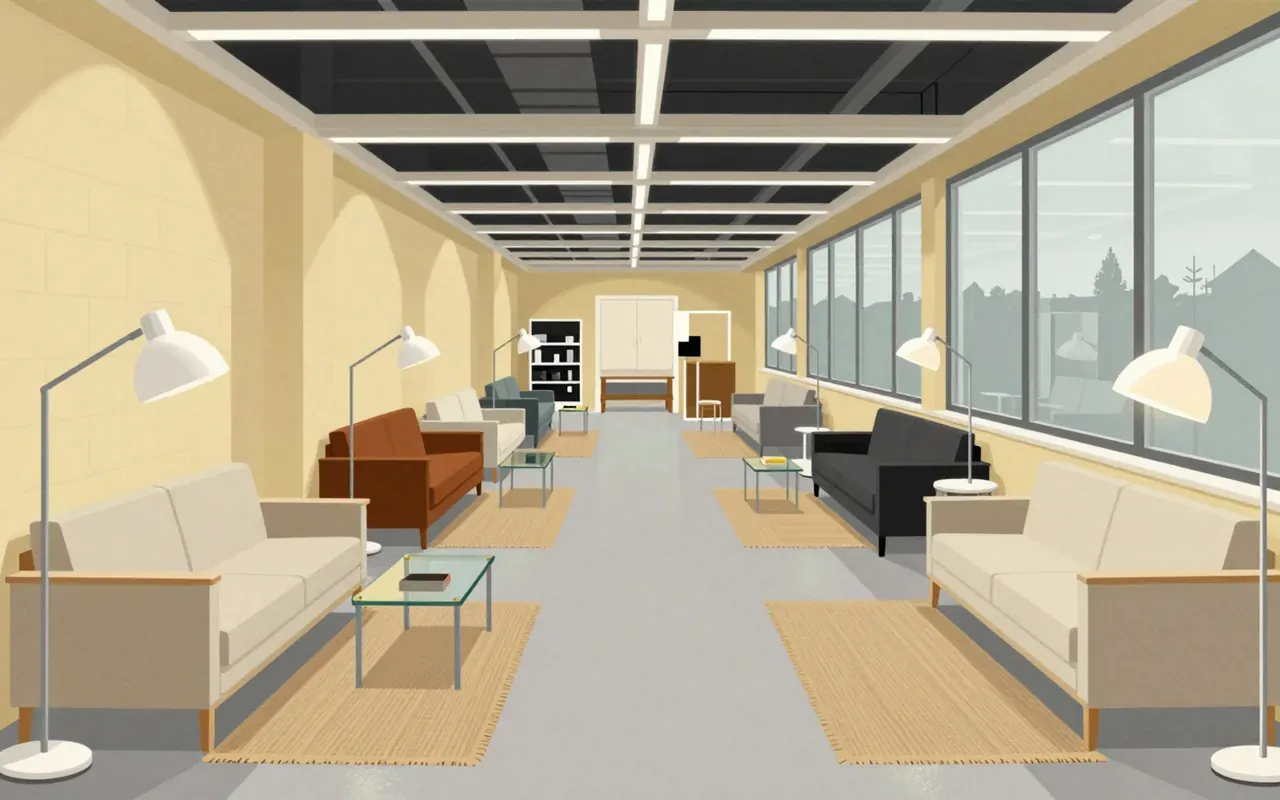
The immersive showroom model works. Customers navigate curated room settings inside big-box stores. The ready-to-assemble model works. It lowers shipping and storage costs. Centralising product development and supply chain in Älmhult works. It enforces uniformity and cost discipline.
What does not
The dual-corporate structure does not make IKEA transparent. Inter IKEA Systems B.V. owns the brand; Ingka Group operates most stores. Neither is publicly traded. No revenue, profit, or valuation figures are disclosed in the source material.
What to take from it
The gap between IKEA’s public philosophy of frugality and its opaque, multi-layered corporate setup reveals how ideological consistency can coexist with structural complexity — as long as pricing and customer experience remain tightly controlled.
Is it worth your time
Yes — if you are studying how cost discipline, operational centralisation, and structural separation between brand ownership and retail execution can scale a commodity business across cultures without diluting price positioning.