businessbriefs
10:56in productionCh. 1 · A Merger, Not a Startup/ 10:56 · ceiling 15 min
Companies · Product

ABB

ABB isn’t a tech disruptor — it’s a merger-built infrastructure steward that sells fire-safe circuit breakers and ship propulsion systems.

ABB is a post-merger industrial incumbent whose value lies in proven, regulated, physical infrastructure — not software, platforms, or scalability stories.

Chapters & takeaways6
  1. 1:01
    A Merger, Not a Startup

    ABB was not founded — it was assembled in 1988 from two century-old European engineering firms.

  2. 2:01
    Electrification and Automation Are Physical

    Its business is physical infrastructure: electricity distribution and industrial control systems.

  3. 3:10
    Hardware That Doesn’t Announce Itself

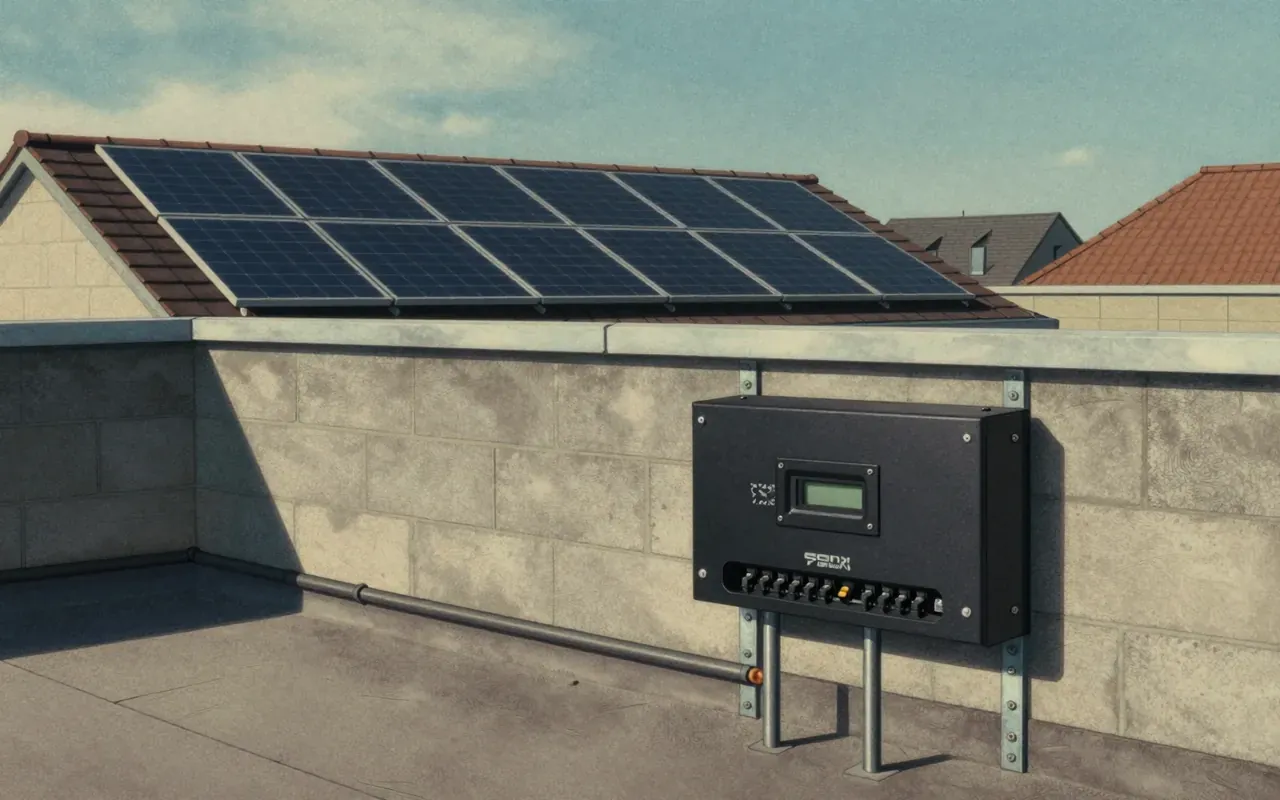
    Its most consequential products are embedded, invisible, and mission-critical: circuit breakers in walls, robots on factory floors, propulsion units on ships.

  4. 4:26
    Staying in the 500 Is a Maintenance Job

    Thirty years in the Fortune Global 500 signals stability — not growth velocity or market creation.

  5. 5:36
    Swiss Incorporation, Swedish Roots

    Dual listing in Stockholm and Zurich reflects its engineered neutrality — not global ambition.

  6. 6:46
    No Founder Myth, Just Engineering Teams

    Its innovations were developed by employees — not founders — inside established corporate labs.

Worth your time?

Yes. Study the whole thing.

4/ 5
What works
  • merger architecture
  • technology inheritance
  • hardware longevity
  • regulatory-grade product deployment
What does not
  • revenue
  • valuation
  • headcount
  • market share
Study it if
  • industrial strategists
  • infrastructure investors
  • technology historians
Skip it if
  • startup founders
  • VC analysts
  • growth marketers
The written brief1 min read

What the company or idea is

ABB is a Swedish-Swiss industrial technology company formed in 1988 from the merger of ASEA (Sweden) and Brown, Boveri & Cie (Switzerland). It operates in electrification and automation.

How it actually makes money

ABB makes money by selling hardware, software, and services for electrification and industrial automation — circuit breakers, robots, electric propulsion systems, and related engineering support.

What works

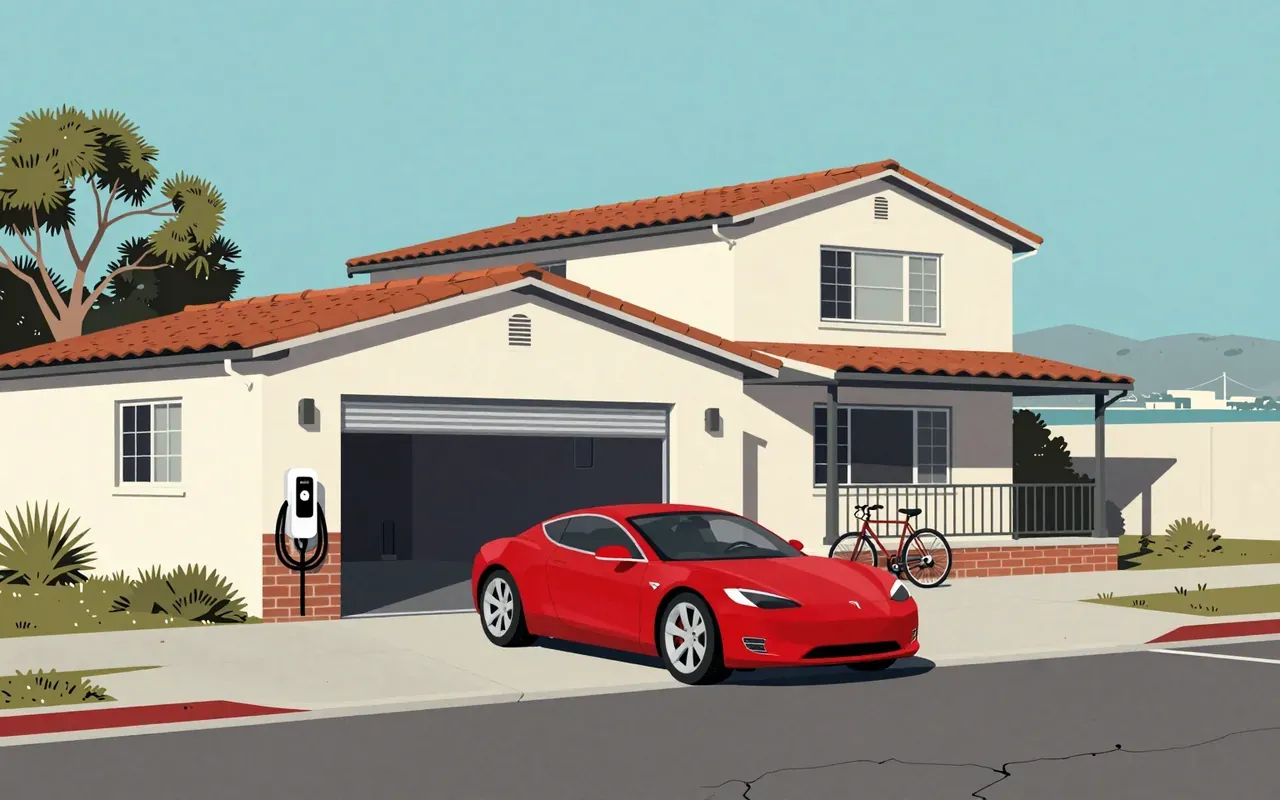
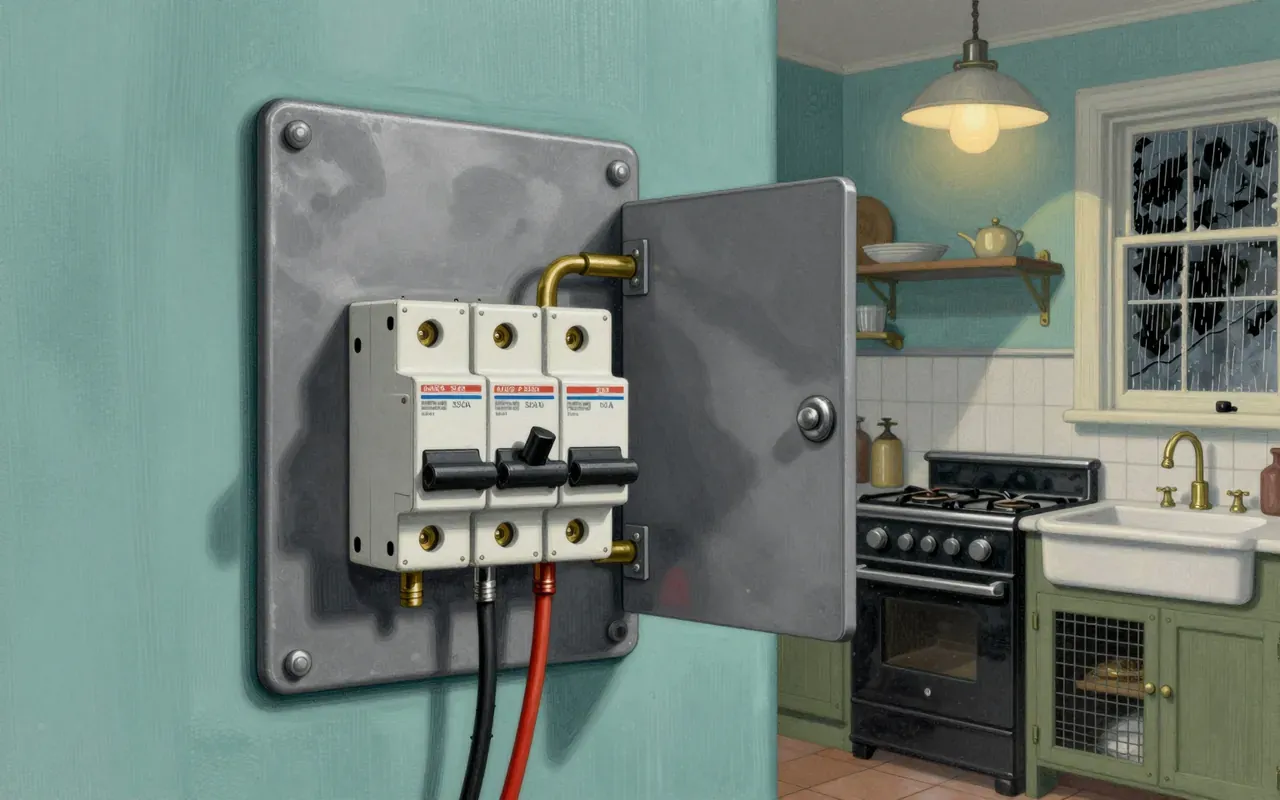
Its predecessor companies delivered foundational industrial technologies: the miniature circuit breaker (fire safety in homes), microprocessor-integrated industrial robots, and the Azipod propulsion system (external hull electric propulsion for ships).

What does not

The material does not establish ABB’s current revenue, profit margins, customer concentration, geographic sales breakdown, or cost structure. It says nothing about its competitive position against Siemens, Schneider Electric, or Mitsubishi.

What to take from it

ABB’s longevity reflects institutional continuity — not disruption — built on inherited technologies, regulatory-grade hardware, and infrastructure-scale contracts.

Is it worth your time

Yes — if you are studying how legacy industrial firms sustain scale through merger, technology inheritance, and dual-market listing without relying on venture narratives or founder mythology.

Same desk · Companies4 of 164
10:50
AbbVie2012AbbVie is a textbook example of post-innovation pharmaceutical value extraction — built on a single blockbuster, sustained by patent thickets and pricing, checked only by biosimilars and congressional scrutiny.
10:55
Air Canada1937Air Canada is Canada’s state-founded, privatised, hub-based flag carrier—large by fleet and passengers, anchored in Montreal, Toronto, and Vancouver, and embedded in Star Alliance. It carried 45.3 million passengers in 2025. It was founded in 1937 as Trans-Canada Air Lines, renamed in 1965, privatised in 1988, acquired Canadian Airlines in 2000, and filed for bankruptcy protection in 2003 before emerging in 2004.
10:34
Air France1933Air France is the French flag carrier, formed on 30 August 1933 via merger of five airlines. It operates from Charles de Gaulle Airport, served 201 destinations across 78 countries as of 2013, and held a politically critical role in West Berlin from 1950 to 1990. Since 2003, it has been a subsidiary of Air France–KLM — not an independent entity. Its revenue comes from scheduled passenger and cargo services. Its longevity reflects state support and geopolitical utility, not market resilience or innovation.
10:10
Alimentation Couche-TardAlain Bouchard · 1980Alimentation Couche-Tard is a textbook case of geographic and operational scaling through acquisition and banner standardisation — not product, tech, or marketing innovation. Its model depends on acquiring undermanaged regional chains, stripping overlapping functions, and enforcing consistency in procurement and site selection. It reveals little about consumer behaviour or retail design, but much about how capital, real estate leverage, and decentralised execution combine to dominate fragmented markets.
Up next in Business

AbbVie

2012 · 10:50

AbbVie didn’t win the autoimmune market with science — it won with patents, pricing, and settlements.

10:50