businessbriefs
Ideas

Product

27
briefs
10:39
average
287 min
in total
21
founders
All briefs27
video still
10:56

ABB

Charles Eugene Lancelot Brown · 1988

ABB is a post-merger industrial incumbent whose value lies in proven, regulated, physical infrastructure — not software, platforms, or scalability stories.

video still
11:35

Biogen

Cesar Milstein · 1978

Biogen is a neurology-focused biotech that built scale via acquisition, not foundational science — and César Milstein, whose hybridoma work underpins modern antibody therapeutics, has no documented relationship to the company.

video still
10:16

First Solar

Harold McMaster · 1999

First Solar is a U.S. solar panel manufacturer that builds cadmium telluride (CdTe) thin-film modules in domestic factories. It was founded in 1990 as Solar Cells, Inc. by Harold McMaster, acquired and rebranded in 1999, and went public in 2006. Its technology diverges from mainstream silicon PV. As of March 2026, it had ~14 GW of annual domestic nameplate capacity across facilities in Ohio, Alabama, and Louisiana. It does not produce silicon panels, does not operate overseas factories, and does not integrate storage or software.

video still
9:24

Genmab

Jan van de Winkel · 1998

Genmab is a platform biotech — not a drug developer — built around two licensed and proprietary antibody generation methods. Its value is in reducing discovery risk and time, not in owning clinical or commercial outcomes.

video still
11:36

Lancia

A legendary rally brand that stopped making real cars in 1992 — and has been selling rebadged Chryslers ever since.
video still
12:25

Moderna

Moderna isn’t an RNA platform company—it’s a pandemic procurement vehicle that hasn’t yet proven its tech works beyond emergency use.
video still
11:42

Activision

David Crane & others · 1979

Activision’s founding was a contractual rupture, not a technological leap. It turned programmer identity and shelf presence into revenue — and proved third-party publishing could exist only after winning in court.

video still
10:53

Epic Games

Tim Sweeney · 1991

Epic Games is a vertically integrated software and entertainment company whose business model relies on cross-subsidising its store and engine through a hit game. Its self-portrait as a developer ally conflicts with its contractual terms and revenue structure. The gap between that story and its mechanics is where the real lesson lies.

video still
10:38

Facebook

Mark Zuckerberg · 2004

Facebook is an American social networking service founded in 2004 by Mark Zuckerberg and four Harvard College roommates; initially limited to Harvard students, it expanded to other North American universities and then globally to users aged 13+ (14+ in select regions) starting in 2006; as of December 2023 it had ~3.07 billion monthly active users and as of July 2025 ranked third globally by web traffic, with 23% originating from the US; it was the most downloaded mobile app of the 2010s and is accessible across internet-connected devices including PCs, tablets, and smartphones; its headquarters are in Palo Alto, California.

video still
9:16

Instagram

Kevin Systrom & Mike Krieger · 2010

Instagram is a photo- and short-video-sharing social networking service launched in October 2010 by Kevin Systrom and Mike Krieger in San Francisco, after pivoting from a check-in app called Burbn.

video still
10:57

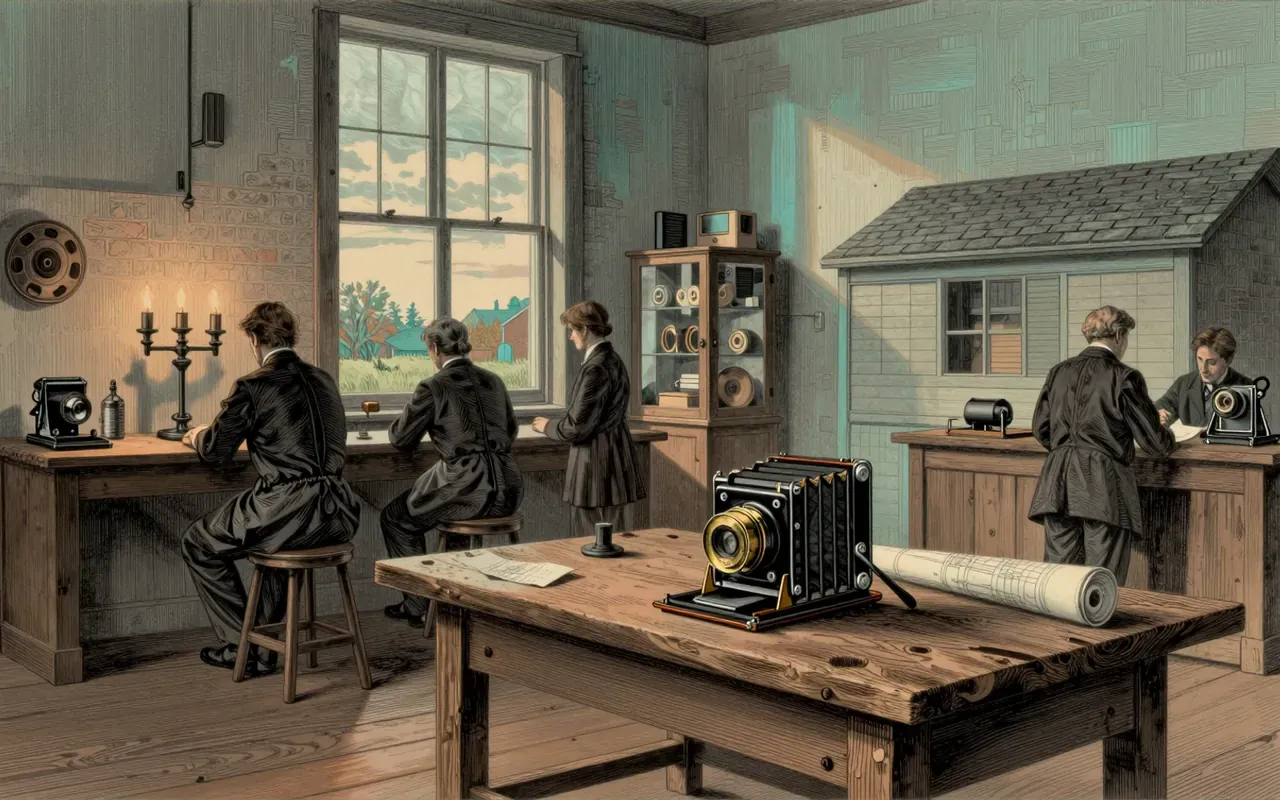
Kodak

George Eastman · 1880

Kodak was not a camera company first — it was a film company that used cameras to distribute its consumable. Its 1888 system created a new market by removing technical barriers. Its dominance came from controlling the film supply chain, not the hardware. No source mentions digital disruption, so the brief stops at peak film-era success.

video still
9:59

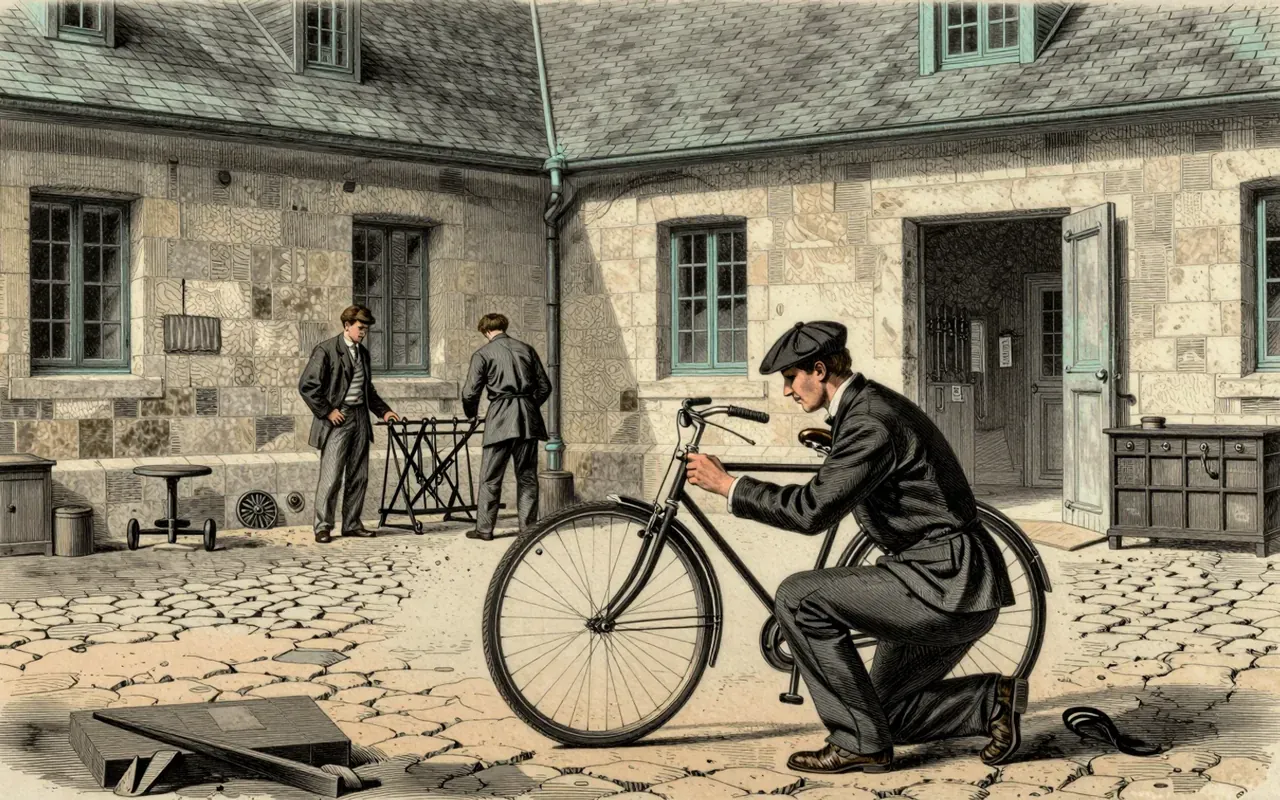
Michelin

André Michelin · 1889

Michelin is a tyre company whose early dominance came from patenting and proving mechanical improvements — detachable, automobile, run-flat, radial, asymmetric — all tested in races or real-world conditions. It monetised mobility itself: first via tyres, then via the Michelin Guide, which existed solely to grow the car-tourism market and thus tyre sales. No evidence supports claims about culture, legacy, or unmeasured influence — only documented innovations, patents, and commercial pivots.

video still
11:01

Nestlé

Henri Nestlé · 1866

Nestlé is a case study in how industrial food companies scale not through singular genius, but through technical borrowing, wartime procurement, and post-war recalibration. Henri Nestlé invented a product, then exited. The company that bears his name grew via merger, contract, and consolidation — not continuity.

video still
11:01

Rolex

Hans Wilsdorf · 1905

Rolex is a vertically integrated Swiss luxury watchmaker founded in London in 1905, whose early authority came from technical validation (Kew Observatory, 1914), wartime policy (RAF replacement), and structural control (foundation ownership since 1960). It claimed the first waterproof wristwatch case in 1926 — but Depollier patented a functionally identical design eight years earlier. No financial data appears in the sources.

video still
10:44

Twitter, Inc.

Jack Dorsey, Noah Glass, Biz Stone & Evan Williams · 2007

Twitter, Inc. was a social media company founded in March 2006 in San Francisco, spun off from Obvious Corporation (formerly Odeo), operating the Twitter platform and other services. It prioritised uptime and design principles over revenue until after 2008, grew to over 100 million users by 2012 and 330 million monthly active users by 2019, went public in November 2013, and was acquired by Elon Musk for $44 billion in April 2022 before merging into X Corp. in April 2023. No source states its revenue model, unit economics, or profitability.

video still
12:11

WeChat

Allen Zhang · 2011

WeChat is a product of Tencent’s Guangzhou lab, launched in 2011 by Allen Zhang. It bundles messaging, social, and payments — and dominates China not because it is open or interoperable, but because it is closed, complete, and compliant.

video still
9:58

WhatsApp

Jan Koum & Brian Acton · 2009

WhatsApp is not a messaging app with a business model—it is a telecom identity layer wrapped in an app. Its value lies in what it replaced (SMS, MMS, local calling) and what it enabled (cross-border, zero-cost, asynchronous communication at planetary scale). Its acquisition by Facebook in 2014 for $19.3 billion confirmed its strategic value as infrastructure—not as a consumer product.

10:56

Adidas

Adolf Dassler · 1924

Adidas is a German multinational athletic apparel and footwear corporation headquartered in Herzogenaurach. It was founded by Adolf Dassler in 1948, following the breakup of the Dassler Brothers Shoe Factory. Adidas makes money selling athletic apparel and footwear. Its revenue in 2024 was €23 billion. It operated 17 factories and generated one billion Deutschmarks in annual sales by 1978. Dassler’s focus on functional footwear innovation worked: he redesigned spiked running shoes, introduced interchangeable screw-in studs for football boots, and secured high-visibility athlete adoption (Jesse Owens, 1936). The three-stripe logo became a registered trademark in 1949 and a scalable visual identifier. The 1924 Dassler Brothers Shoe Factory was a shared venture — not Adidas — and dissolved in 1948 amid a rift. Post-war material shortages forced rapid reconversion from weapons to shoes — yet Adidas hit one billion Deutschmarks in sales by 1978. Adidas shows how a narrow technical advantage — screw-in studs, canvas-rubber spikes, the three-stripe trademark — can anchor decades of manufacturing expansion when paired with strict control over production, branding, and distribution channels. Yes — as a case study in how technical footwear innovation, trademark discipline, and athlete-led validation built industrial scale in post-war Europe — but only if you treat its origin story as a business reconstitution, not a founding myth.

10:33

Intel

Robert Noyce & Gordon Moore · 1968

Intel is a foundational semiconductor company whose business model pivoted from memory to microprocessors—and whose lasting leverage came from controlling the x86 instruction set, not just fabrication.

11:08

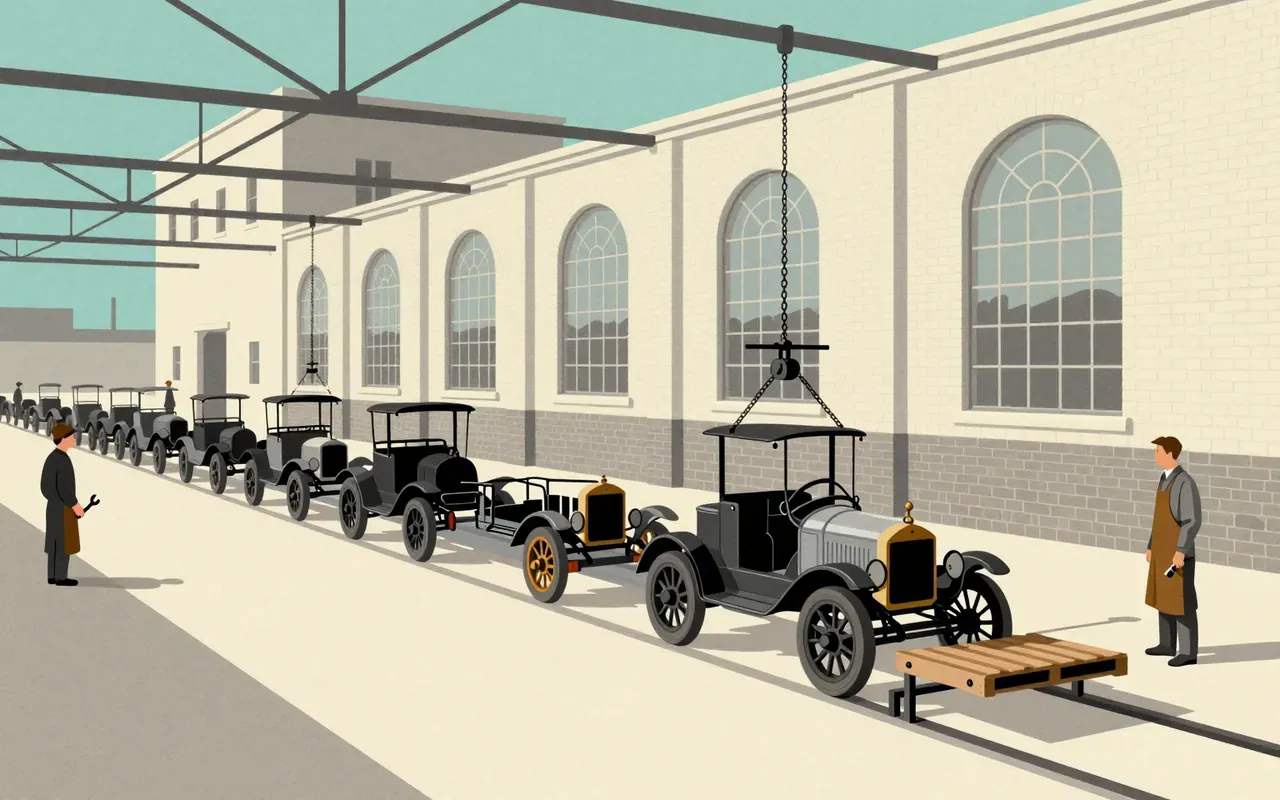
Ford Motor Company

Henry Ford · 1903

Ford Motor Company was not an idea about mobility—it was a financial and mechanical system for turning $28,000 into 15 million cars. Its power came from eliminating variability: in parts, in process, in price, and eventually in design. It succeeded by making everything repeatable—including authority.

9:34

Patreon

Jack Conte & Sam Yam · 2013

Patreon is not a creator empowerment tool — it is a monetisation layer that captures value at the point of transaction, enforces terms unilaterally, and scales through volume, not trust.

9:08

Reddit

Steve Huffman & Alexis Ohanian · 2005

Reddit is a community platform whose founding mechanics—Lisp prototype, Swartz-led rewrite, rapid acquisition, deferred monetisation, and founder re-entry—reveal how infrastructure survives without a clear business model.

9:59

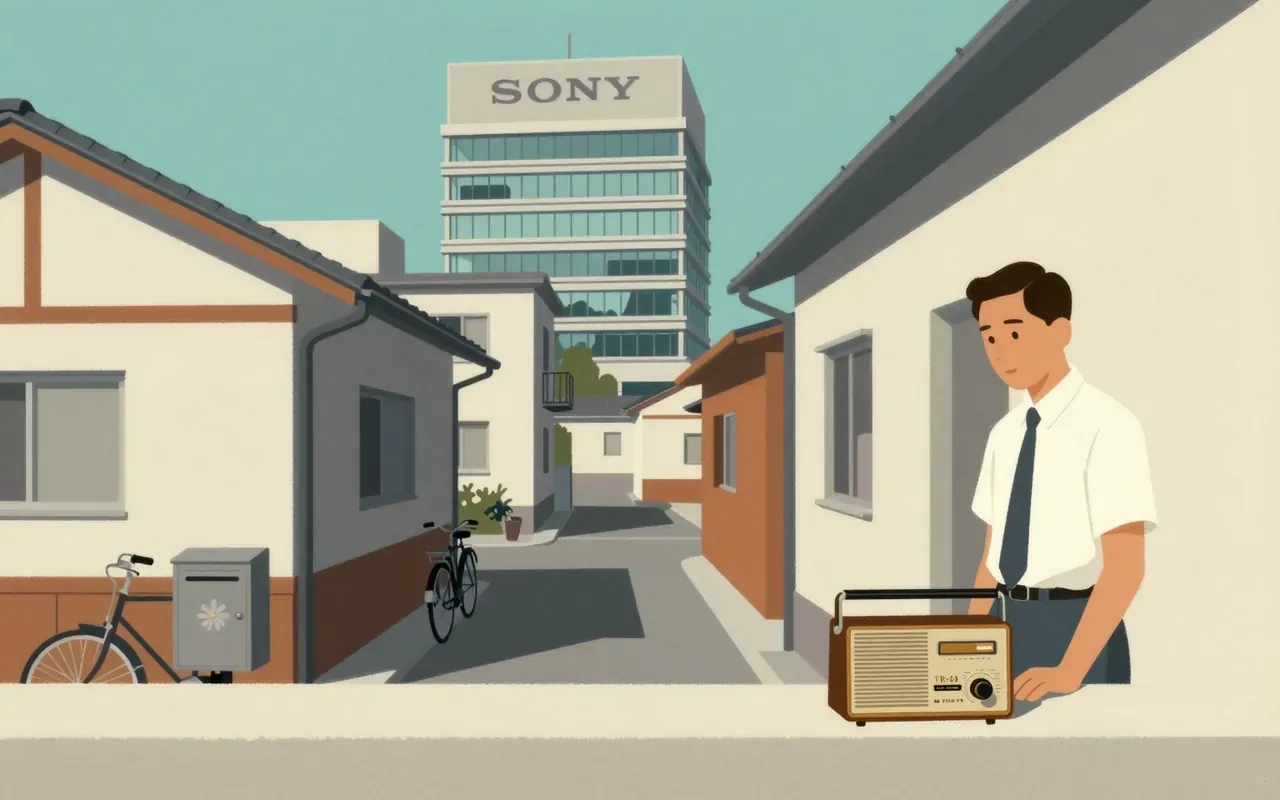
Sony

Akio Morita & Masaru Ibuka · 1946

Sony’s early business model was hardware-first, export-first, and name-first — built on tangible, shipable, patentable devices that redefined category boundaries in foreign markets.