10:34in productionCh. 1 · The Ranch Observation/ 10:34 · ceiling 15 min
Product · Startups & venture
Enphase Energy
2006
Enphase didn’t invent solar—it invented a way to sell inverters as the bottleneck, not the afterthought.
Enphase Energy is a hardware-first energy technology company that built market position by solving a specific, observable failure in residential solar—central inverter underperformance—then scaling through successive generations of microinverters. Its business model relies entirely on third-party installers and distributors. It has no recurring revenue stream, no customer-facing software layer, and no ownership of energy generation. Its success reflects disciplined component-level innovation—not ecosystem control.
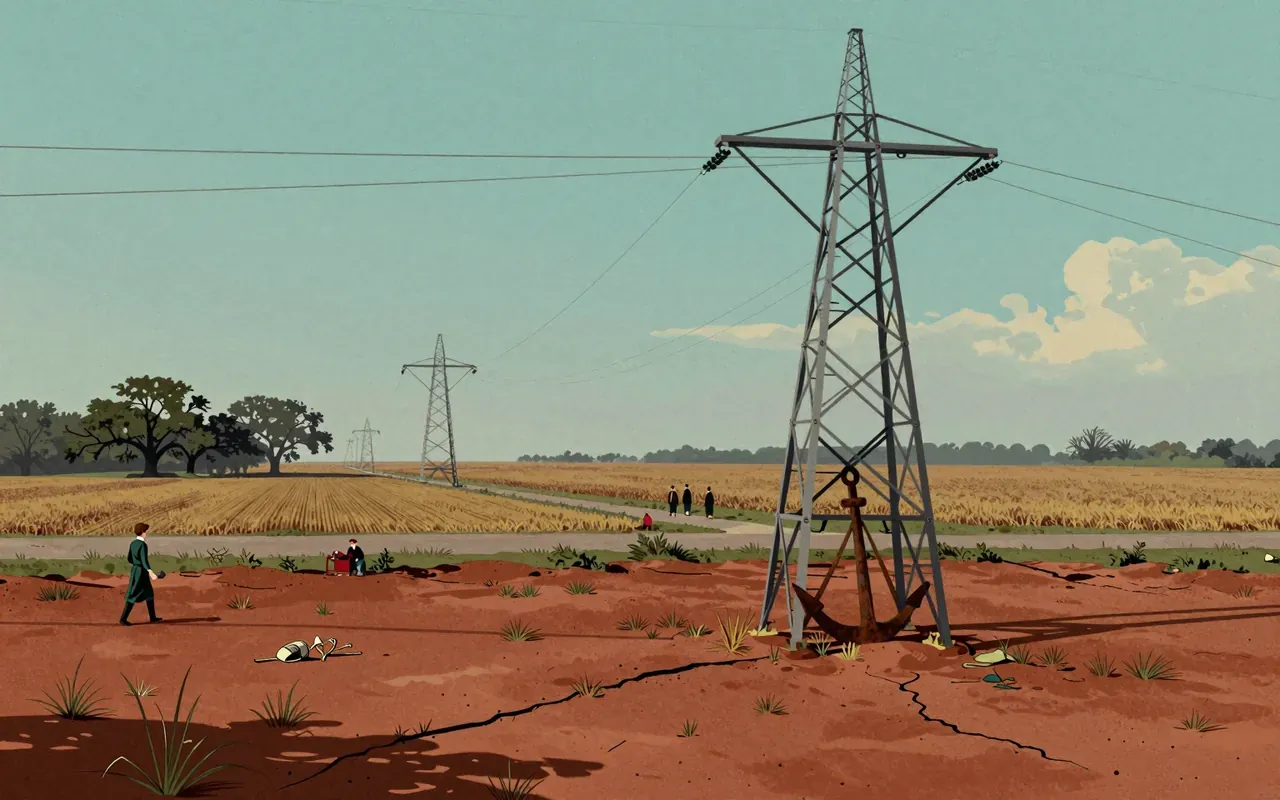
Enphase was the first company to successfully commercialise solar micro-inverters—a technical pivot born from observing a single underperforming inverter on a ranch.
2:27
First Product, First Capital
$6 million in private equity funded the M175—the first commercially shipped microinverter—in 2008.
4:08
Market Share Before IPO
By early 2010, Enphase had shipped ~400,000 M190 units and captured 13% of the U.S. residential inverter market.
5:30
IPO as Milestone, Not Inflection
Enphase went public in March 2012—four years after its first product shipped and two years after achieving double-digit U.S. market share.
7:03
Scale Without Vertical Control
Over 48 million microinverters shipped to 2.5 million solar systems across 140 countries shows global distribution reach—but says nothing about margins, service revenue, or replacement cycles.
Worth your time?
Yes. Study the whole thing.
3.5/ 5
What works
technical specificity
installer-driven distribution
generation-based iteration
What does not
software
services
grid-scale
direct-to-consumer
Study it if
product managers
hardware founders
energy supply-chain analysts
Skip it if
utility strategists
SaaS investors
policy analysts
The written brief1 min read
What the company or idea is
Enphase Energy is a U.S. hardware company founded in 2006 that commercialised solar micro-inverters—devices that convert DC power from individual solar panels into AC power—and later added battery storage and EV charging for homes.
How it actually makes money
Enphase makes money by selling microinverters, battery storage systems, and EV chargers to residential solar installers and distributors. It does not own or operate solar assets. Revenue comes from hardware sales, not services or subscriptions.
What works
The M175 microinverter launched in 2008 after $6 million in private equity. The M190 sold ~400,000 units by early 2010. By mid-2010, Enphase held 13% of the U.S. residential solar inverter market—proof that component-level differentiation can capture share before full system integration.
What does not
Enphase does not control installation, financing, or customer acquisition. Its market share depends entirely on installer adoption and regional permitting rules—not brand loyalty or direct consumer relationships.
What to take from it
A successful energy hardware play hinges on solving one observable failure mode (e.g., central inverter underperformance), then iterating rapidly across generations while relying on third-party distribution and installer networks.
Is it worth your time
Yes—if you are studying how a narrowly defined technical innovation (microinversion) can scale into a multi-product residential energy platform without vertical integration. No—if you expect insight into grid-scale storage, utility partnerships, or software-led energy management.