What the company or idea is
Entergy is a vertically integrated electric utility headquartered in New Orleans, formed in 1913 as Arkansas Power Company, renamed in 1989, and expanded via the 1994 merger with Gulf States Utilities.
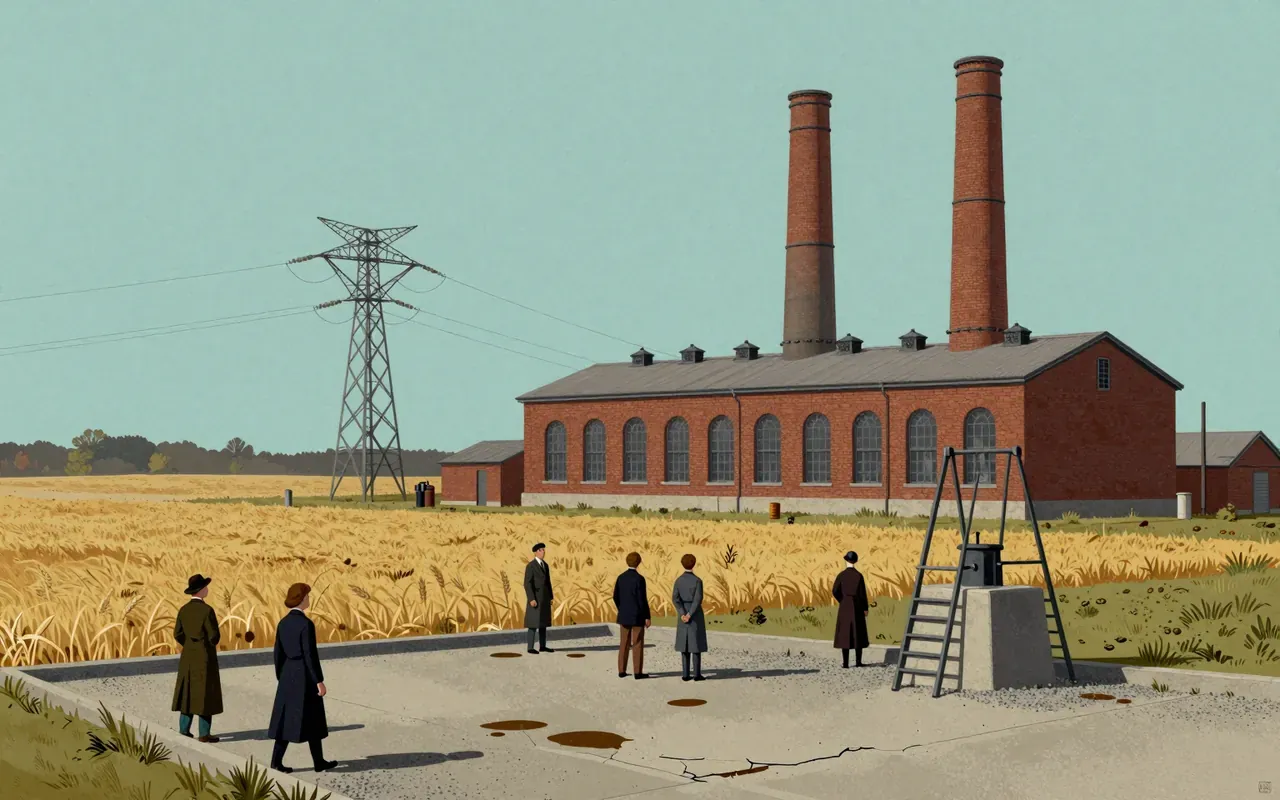
The founder, Harvey C. Couch, used sawdust from a lumber company to bring electricity to rural Arkansas. In 1923 he merged four independent Mississippi companies into Mississippi Power and Light, and two years later formed Louisiana Power and Light to supply his Mississippi customers from northern Louisiana’s natural gas fields. In 1925 the Electric Bond and Share Company, a General Electric subsidiary, formed Electric Power and Light Corporation in New Orleans with Couch as president, as parent of the Mississippi, Louisiana, New Orleans and Arkansas utilities. Electric Bond and Share fought the constitutionality of the Public Utility Holding Company Act of 1935, lost a Supreme Court case in 1938 and was ordered dissolved in 1949. The four utilities were deemed an integrated system and reorganised under a new holding company, Middle South Utilities.
How it actually makes money
Entergy makes money by generating and selling electricity to three million retail customers across Arkansas, Louisiana, Mississippi, and Texas.
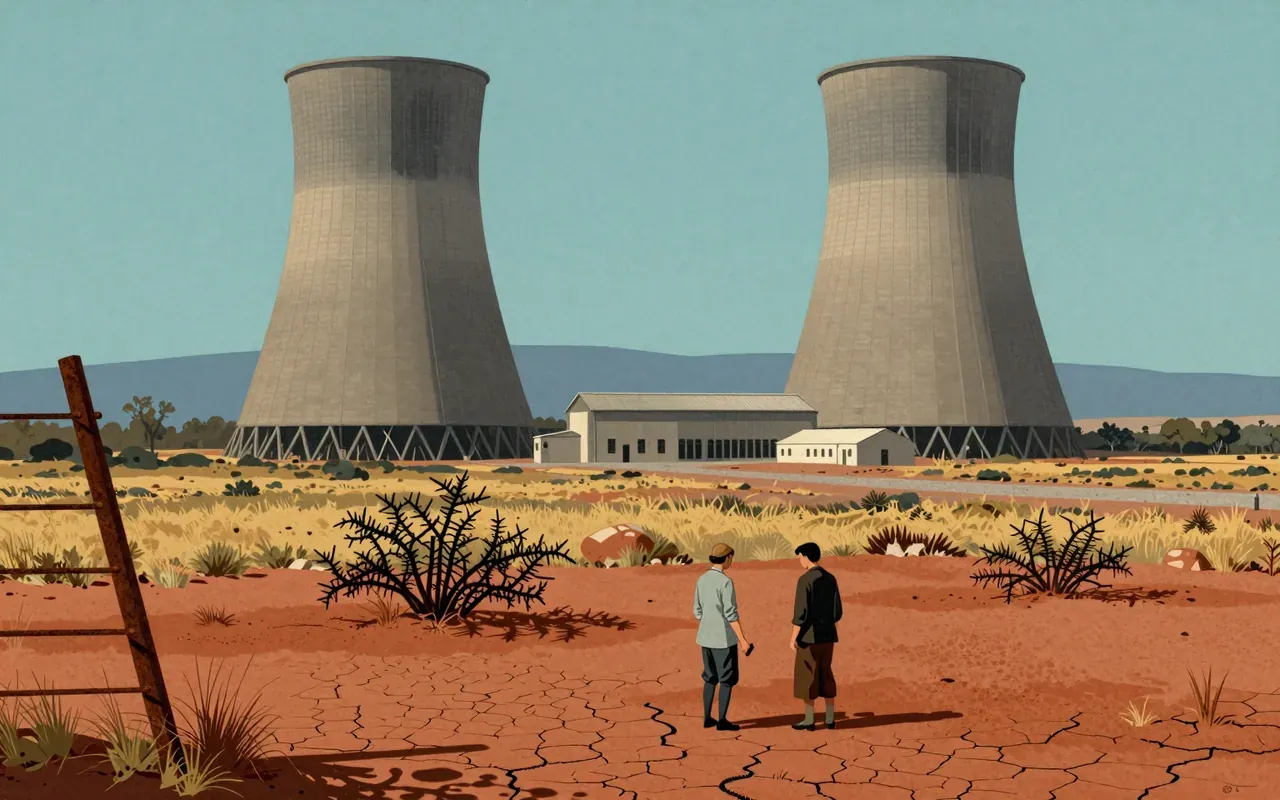
The business has two main segments: a US utility segment that sells retail electricity to roughly 2.9 million customers in those four states, and a non-utility nuclear segment that owns and operates six nuclear units. They are Arkansas Nuclear One Units 1 and 2, River Bend and Waterford in Louisiana, Grand Gulf in Mississippi, and Palisades in Michigan, which closed in spring 2022. Its subsidiaries are Entergy Arkansas, Louisiana, New Orleans, Mississippi, Texas and Nuclear.
The integrated model shapes the company’s incentives. Because Entergy makes money by constructing power plants, its incentive to build transmission linking its territory to other regions is reduced. Experts say the resulting capacity constraints mean higher profits for the company at the expense of customers and reliability, citing rolling blackouts during Winter Storm Uri in 2021.
What works
Its scale works: 24,000 MW of generating capacity, $11 billion in annual revenue, and service to three million customers confirm operational reach within its four-state footprint. The same source also gives different figures: about 30,000 MW of capacity, more than 40 plants burning natural gas, nuclear, coal, oil and hydro, and a transmission system of more than 15,700 miles of lines across 114,000 square miles. The 24,000 MW figure and the 30,000 MW figure are not reconciled there. It also reports that Entergy made the Dow Jones Sustainability Index nine years in a row, and was named to Forbes’ 2008 list of America’s Most Trustworthy Companies.
What does not
The material does not establish how Entergy funds its capital expenditures, what its profit margins are, how it prices power, or how it manages climate-related regulatory risk.
The record it does give is mixed. In the late 1990s Entergy expanded into unregulated markets, buying substantial facilities in Australia, Argentina and the United Kingdom. Shareholder dissatisfaction led to the ouster of longtime CEO Ed Lupberger in 1998, and his successor Wayne Leonard oversaw the disinvestment from overseas holdings. Entergy joined the Midcontinent Independent System Operator in 2013 following a Department of Justice investigation into its anti-competitive behaviour; by choosing it over the Southwest Power Pool, its service areas stayed only weakly interconnected with the rest of the grid. In May 2018 an Entergy subcontractor used Crowds on Demand to stage support for a gas plant proposed in East New Orleans, and the New Orleans City Council fined Entergy New Orleans $5 million over the paid-actors scandal.
What to take from it
Entergy illustrates the persistence of regional, regulation-dependent utility models—built on century-old foundations, scaled through acquisition, and sustained by captive retail customers—not innovation or market expansion.
Is it worth your time
Yes—if you are studying how vertically integrated utilities operate in regulated southern US markets, or how legacy infrastructure companies consolidate through merger.