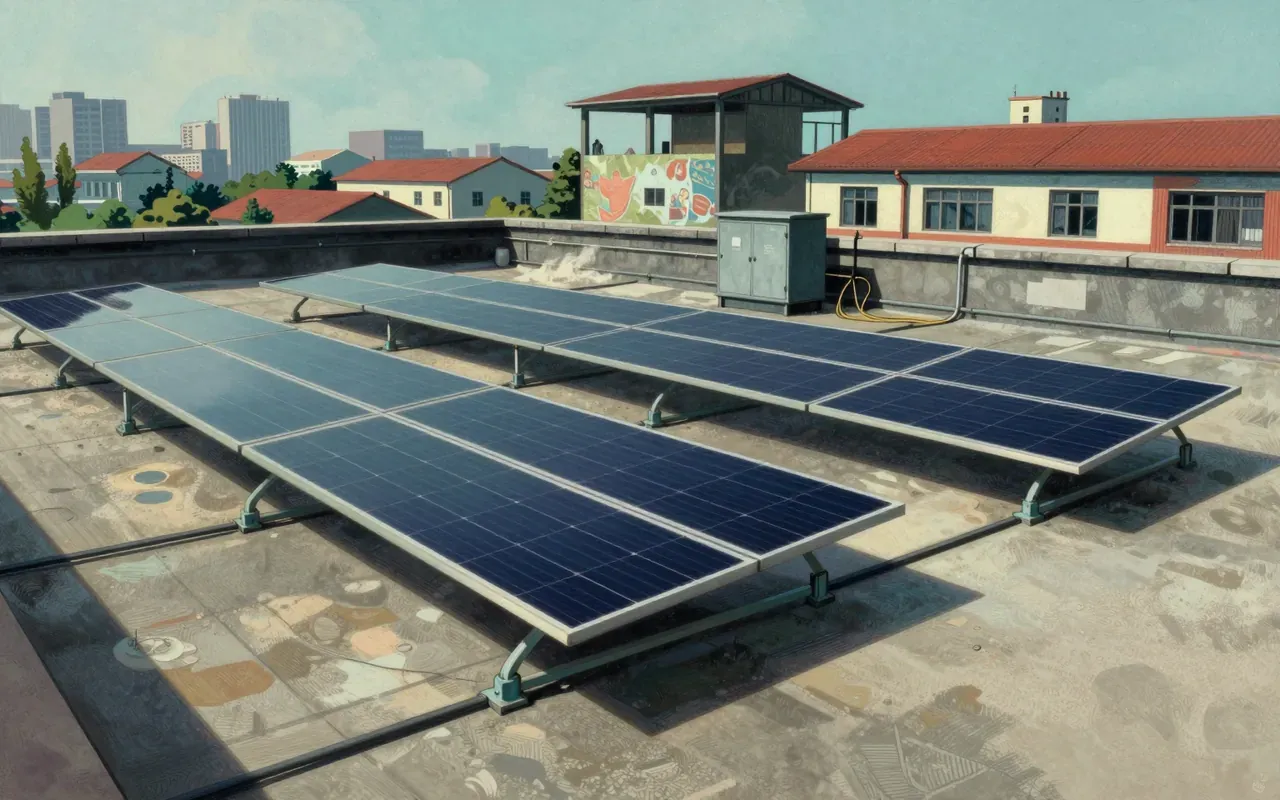
Trina Solar
A solar company that sells panels while facing forced labour findings, tariff circumvention rulings, and a US military-linked designation.
What everything costs, and the politics of where it comes from.
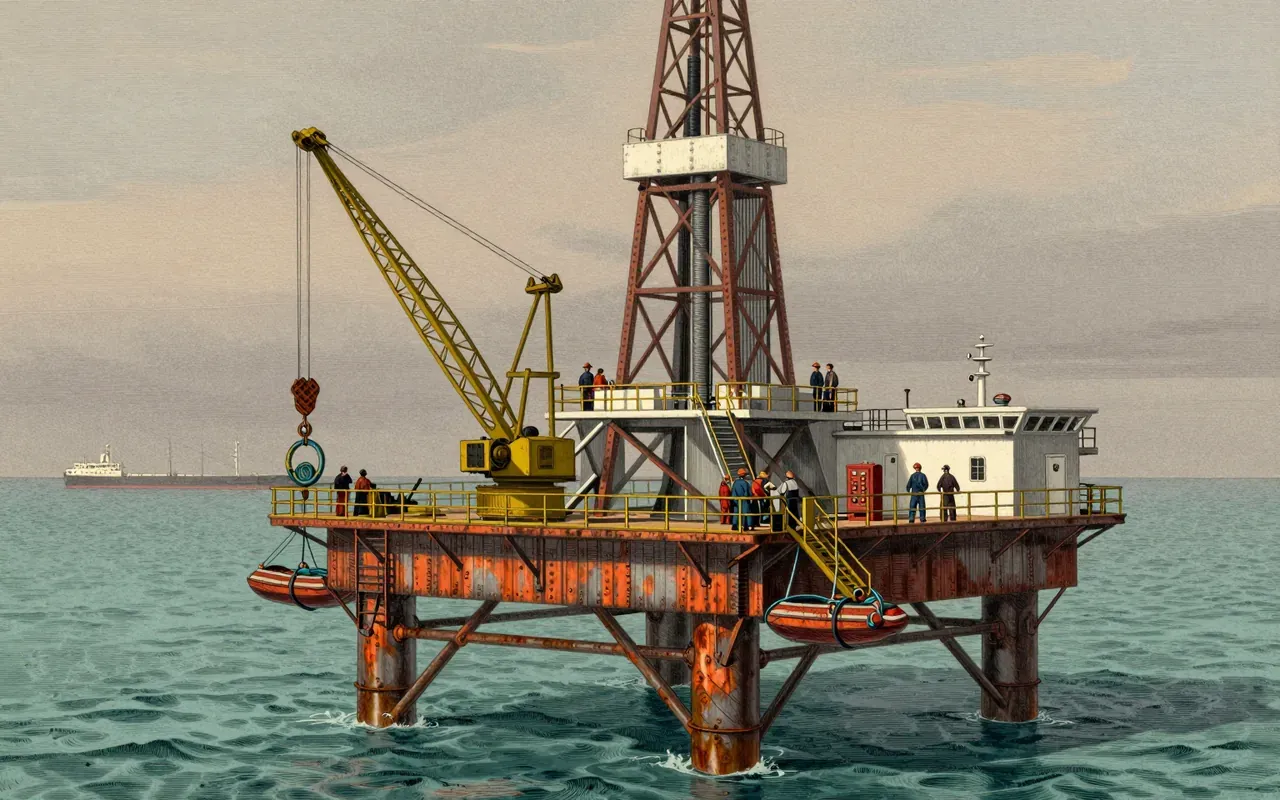
ExxonMobil is the largest U.S.-based oil and gas company. It was formed in 1999 by merging Exxon and Mobil. It is vertically integrated across oil and gas and its chemicals division. It produces about 3% of the world’s oil and 2% of global energy. In 2024, it emitted 610 Mt of CO2 — 1.58% of global emissions. It has faced widespread criticism and litigation over environmental incidents, including the 1989 Exxon Valdez oil spill, and for decades of climate change denial despite internal scientific accuracy.
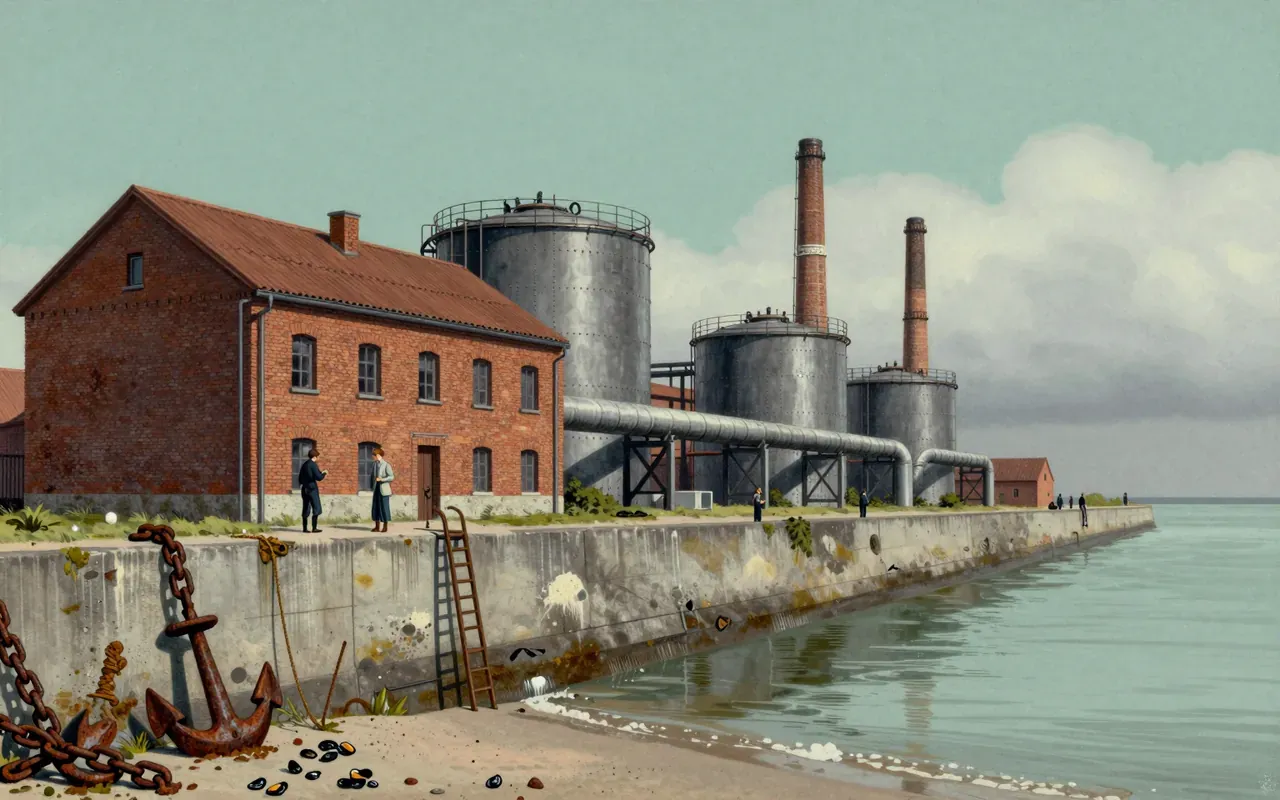
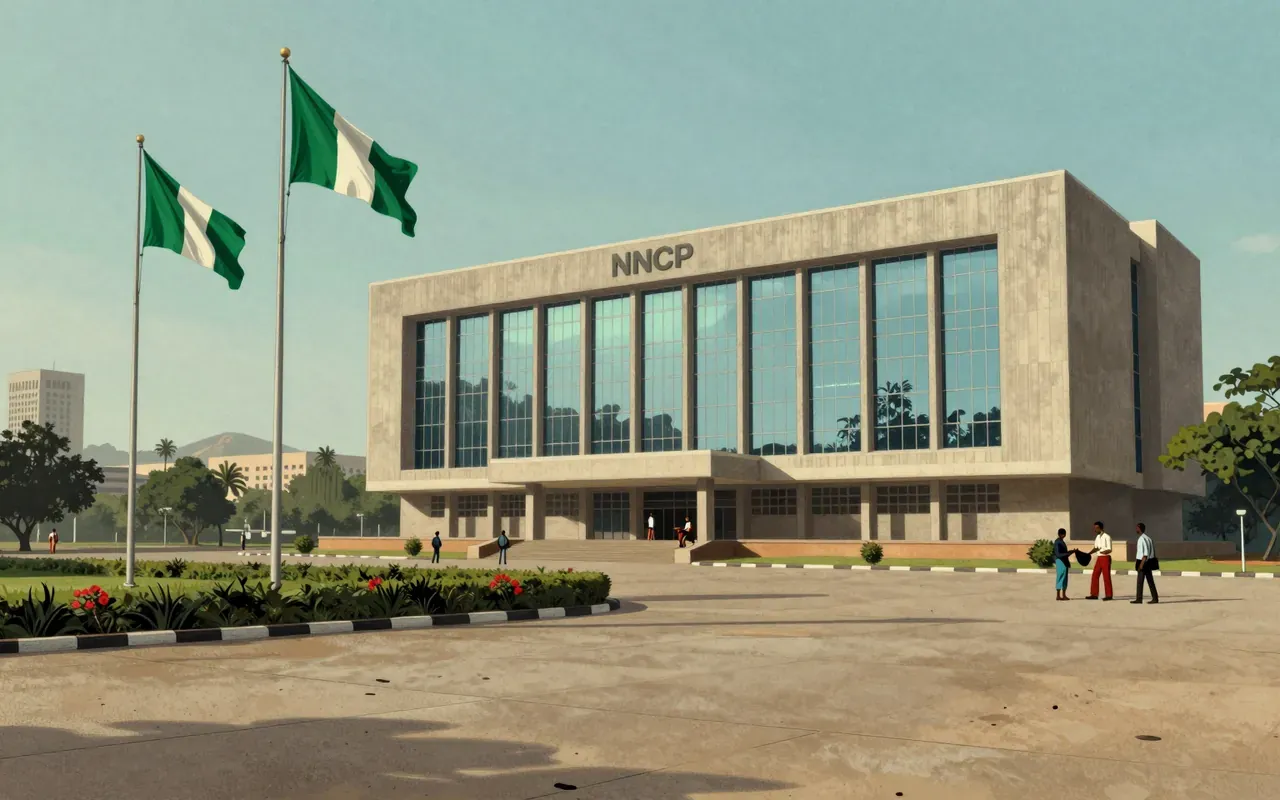
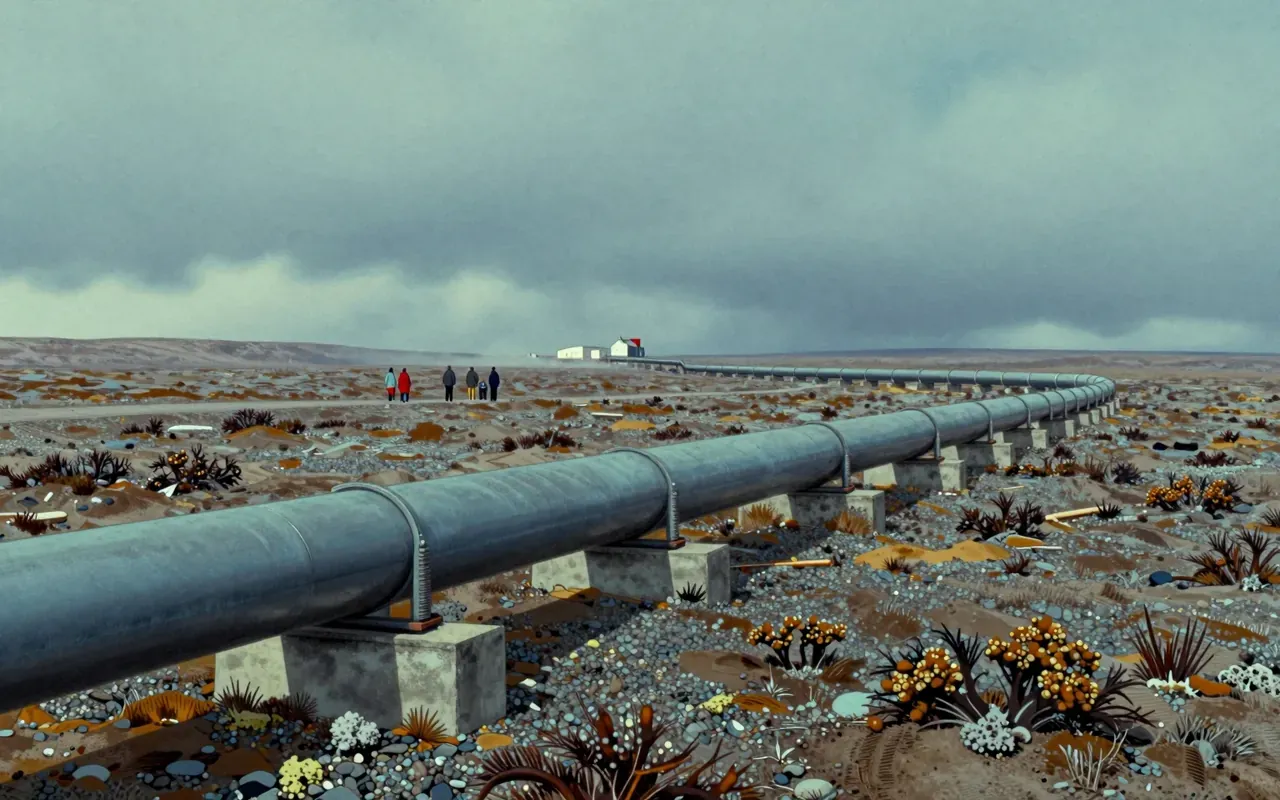
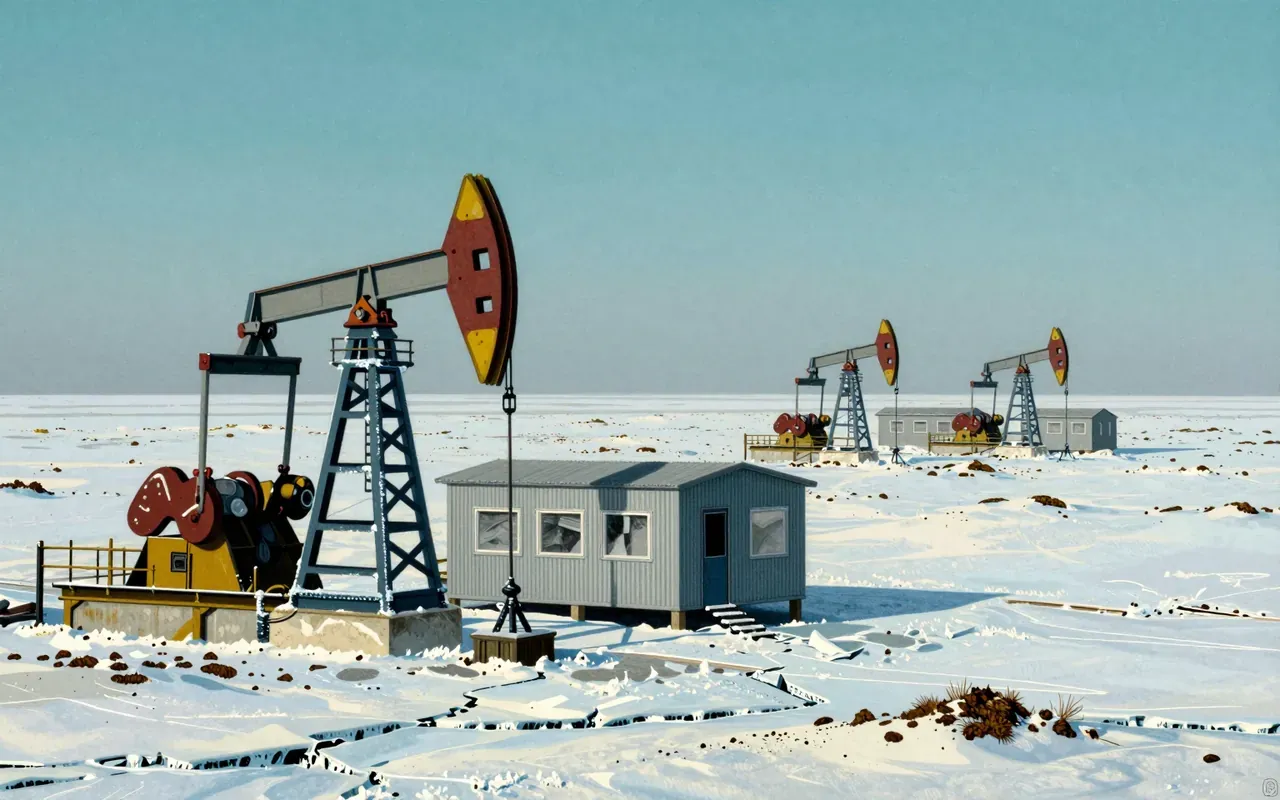
Surgutneftegas is a Russian oil and gas company formed in 1994 by merging state-owned entities holding major Western Siberian reserves. It became a private company in 1993 and has operated under Vladimir Bogdanov’s leadership since. Its business model relies on control of upstream assets, state-granted infrastructure rights, and export relationships — not capital markets, innovation, or transparency.
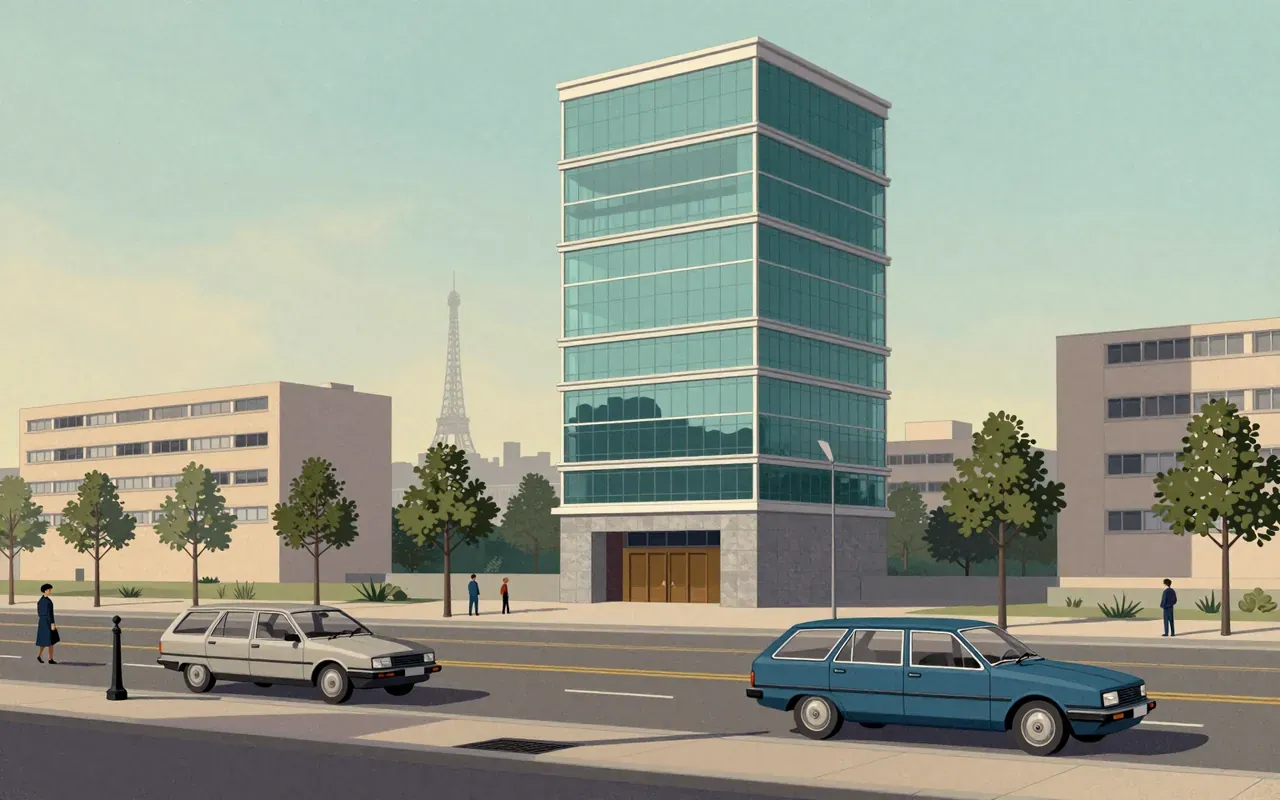

OMV is Austria’s major integrated oil- and gas company, founded in 1956 as the successor to the Soviet Mineral Oil Administration in occupied Austria. It makes money from refining crude oil at Schwechat, importing oil via the Adria–Vienna Pipeline from Trieste, selling natural gas supplied under contract with the Soviet Union, and operating transit infrastructure like the Trans-Austria Gas Pipeline. Its vertical integration worked: Schwechat refinery (1960), Soviet gas supply (1968), Adria–Vienna Pipeline (1970), and Trans-Austria Gas Pipeline (1974) formed a self-reinforcing system that locked in Austria’s role as a Central European energy node. OMV’s foundational model does not address decarbonisation, renewable generation, or energy storage. Its 1956–1974 expansion relied entirely on fossil fuel import, processing, and transit — with no indication of diversification beyond that scope in the source material. OMV shows how a national energy company can be built not through innovation or market creation, but through sequential infrastructure capture: refinery, pipeline, gas contract, transit corridor — each reinforcing the others’ value. Yes — as a case study in state-origined energy integration, infrastructure-led regional positioning, and Cold War-era resource diplomacy. Not as a model for modern energy transition strategy.
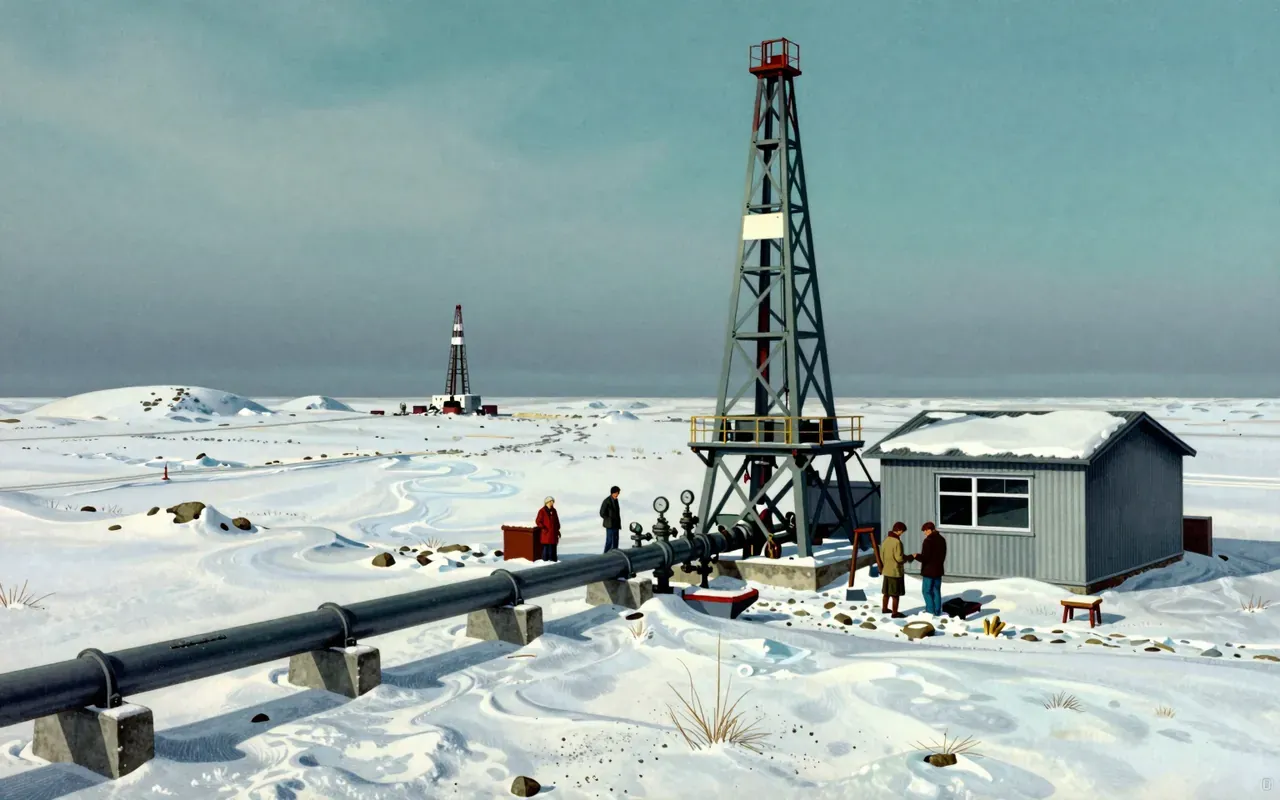


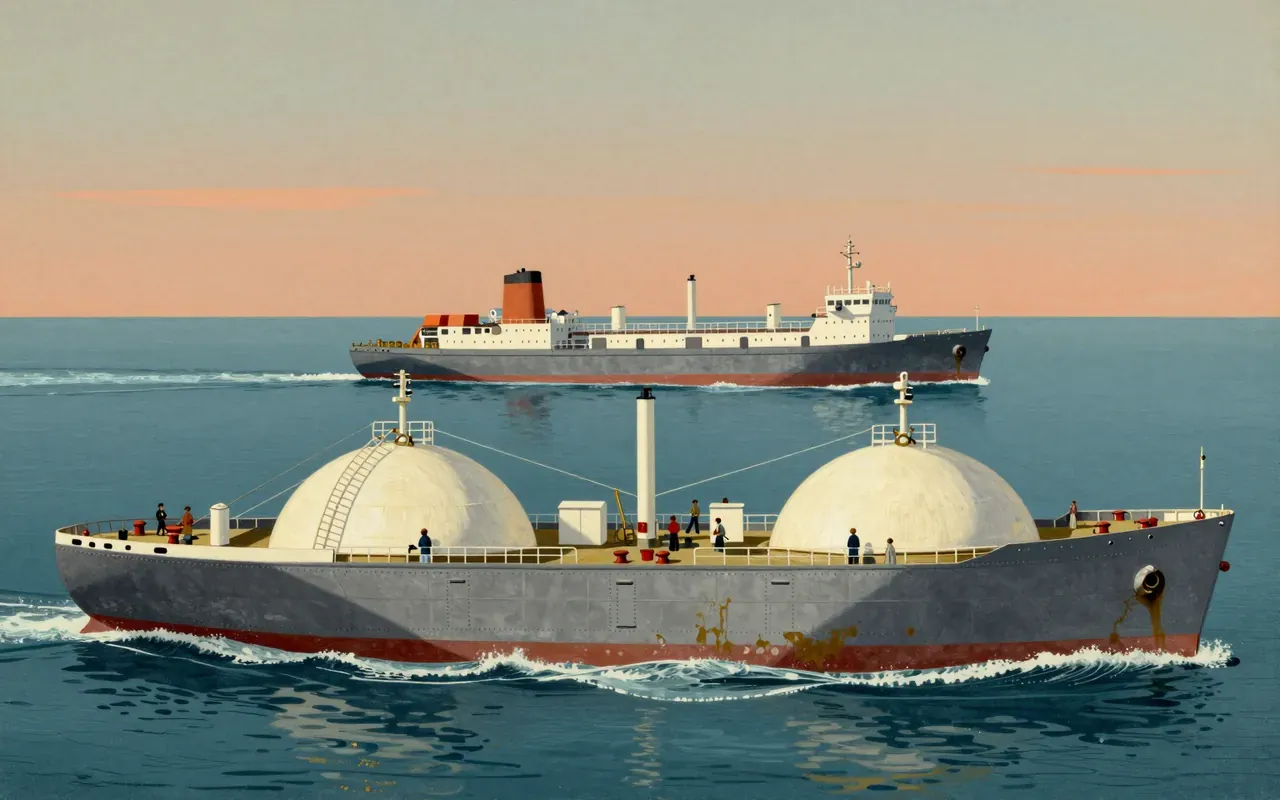
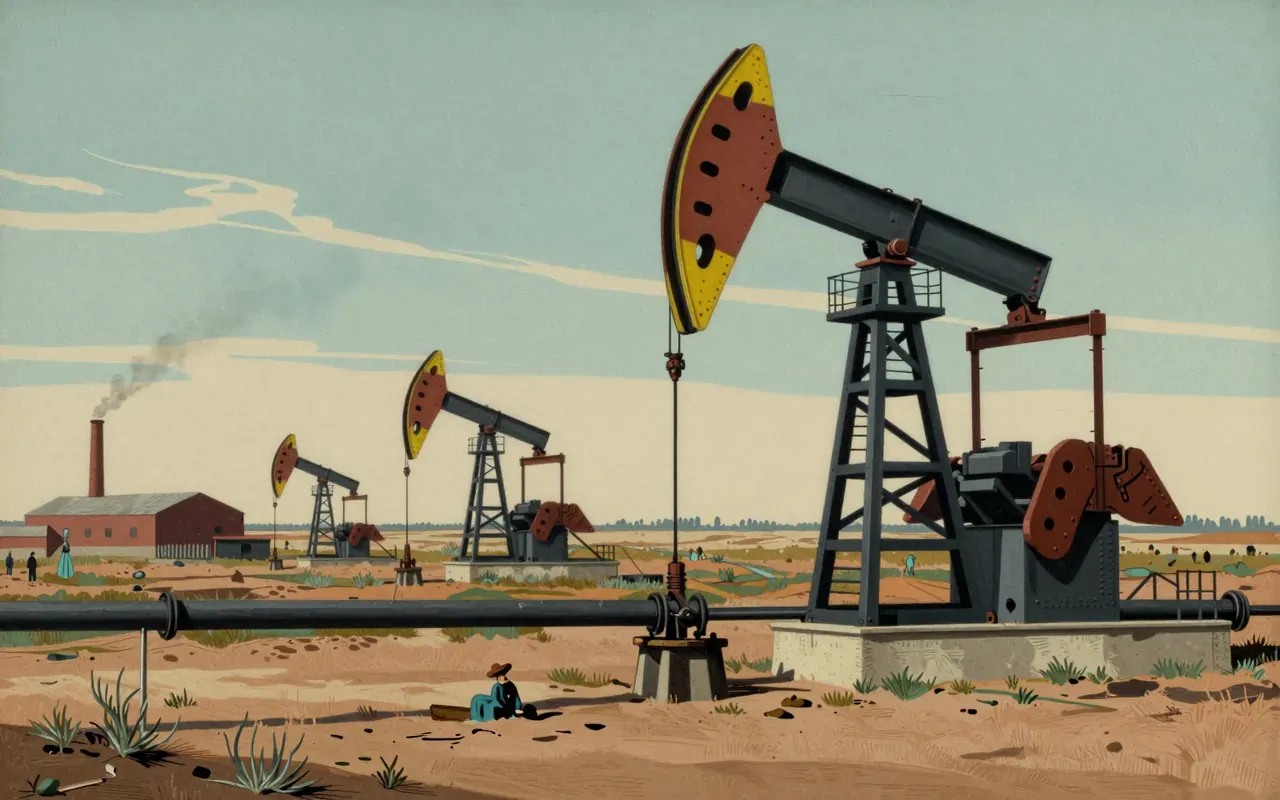
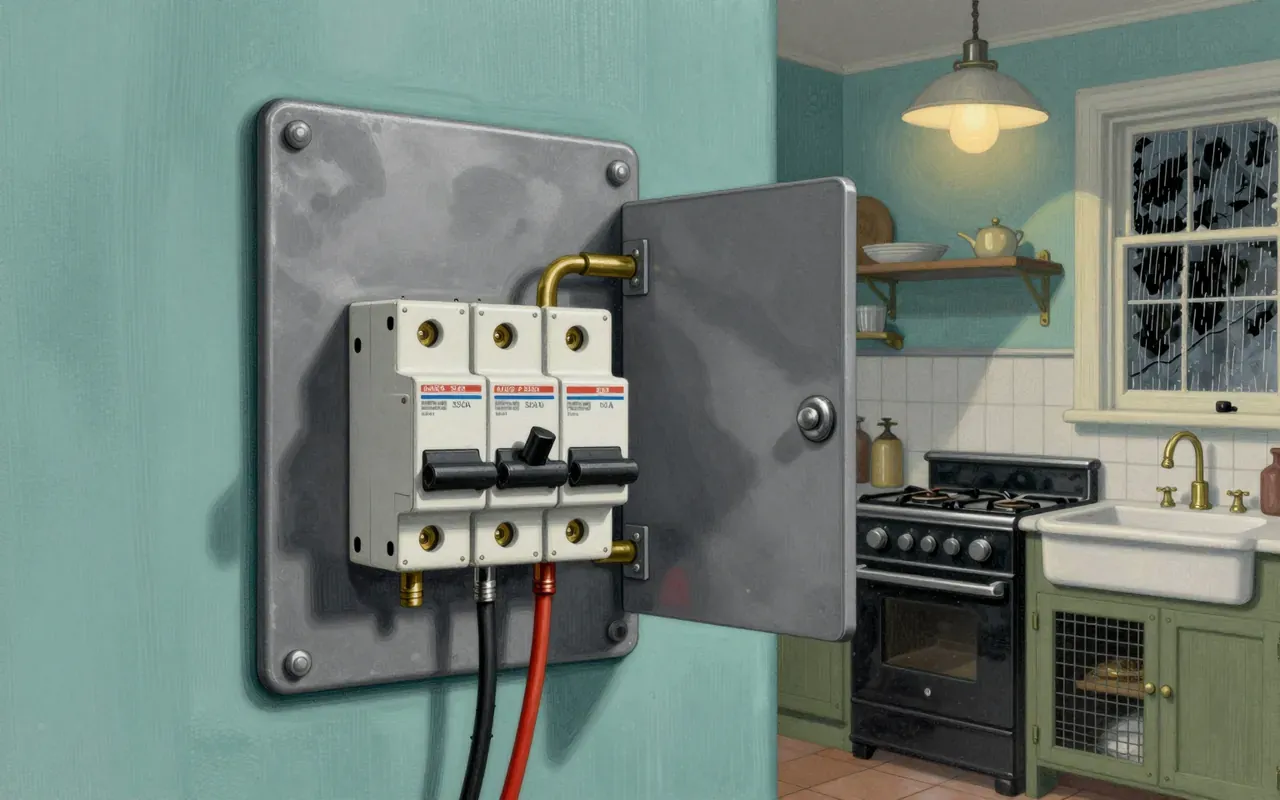
ABB is a post-merger industrial incumbent whose value lies in proven, regulated, physical infrastructure — not software, platforms, or scalability stories.
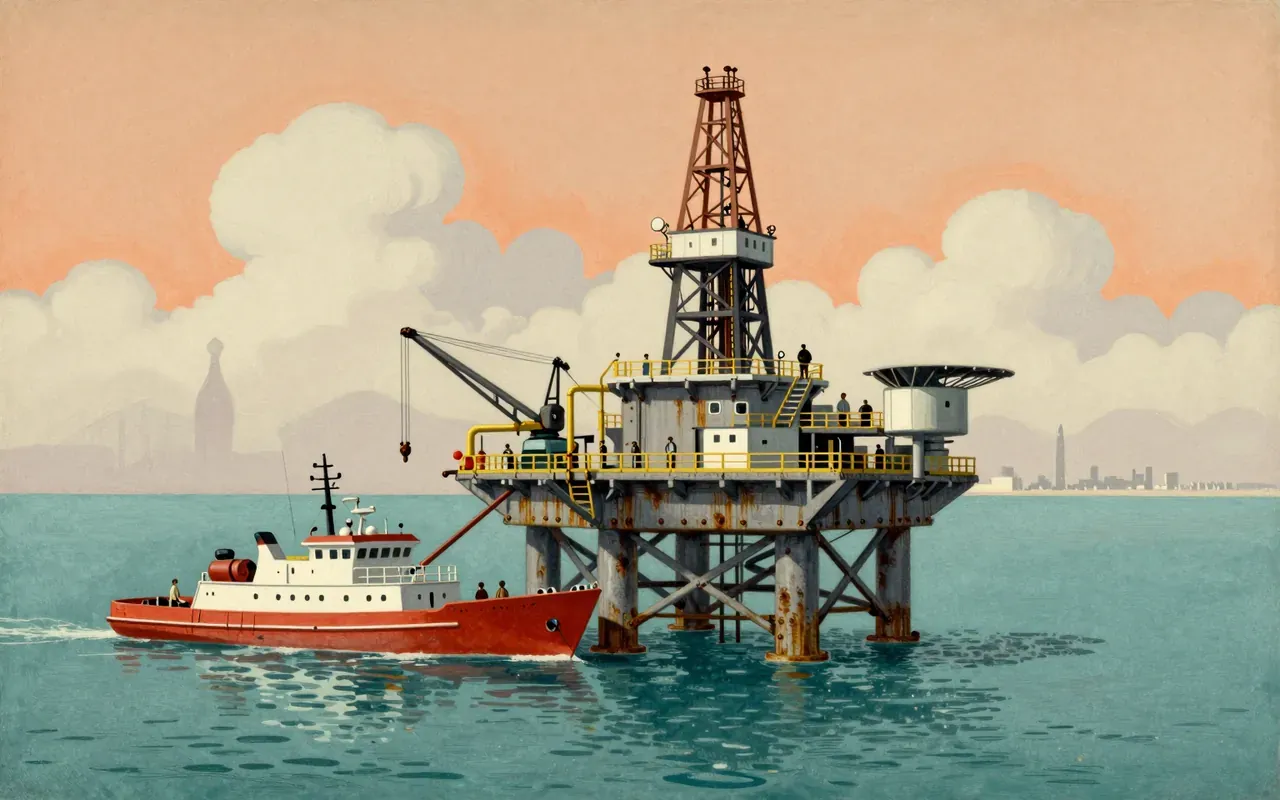
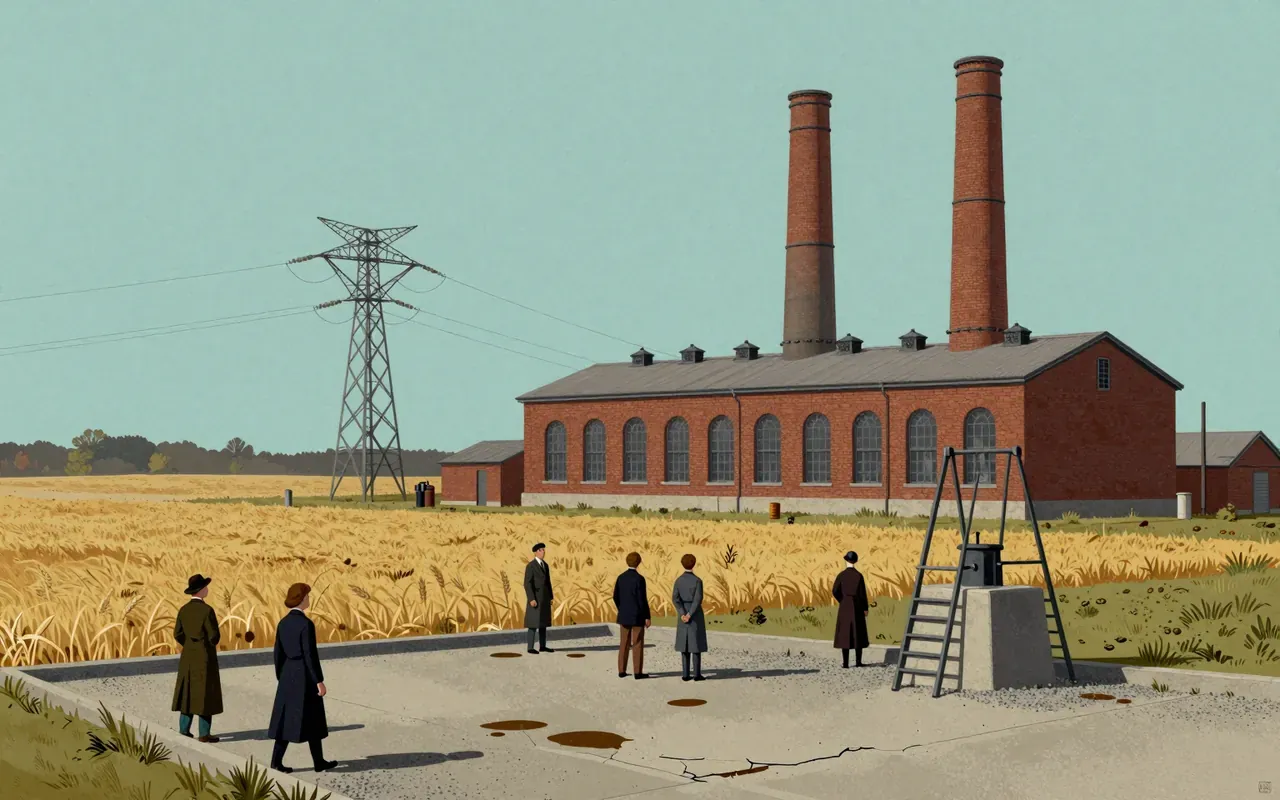
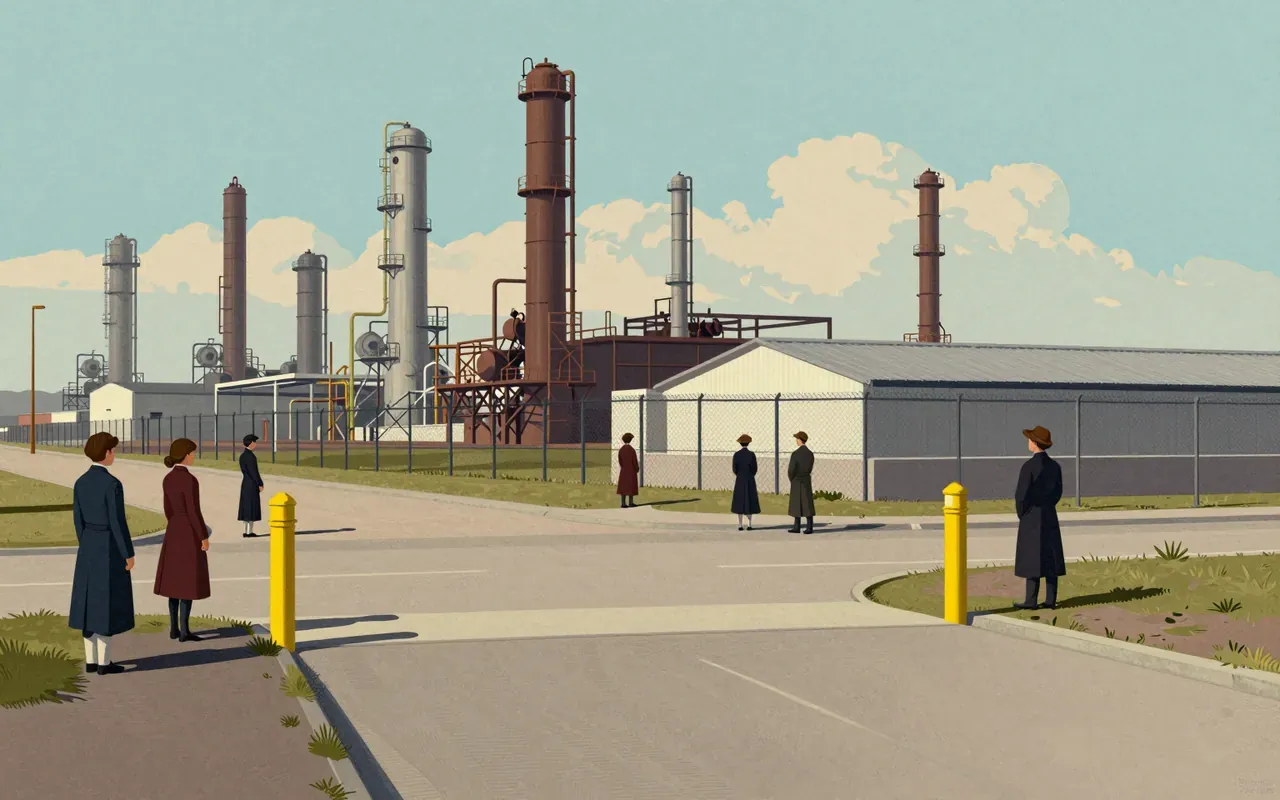

Canadian Solar is a vertically integrated solar energy firm founded in 2001 by Dr. Shawn Qu, headquartered in Kitchener, Ontario, with operations spanning manufacturing, project development, and storage system provision.



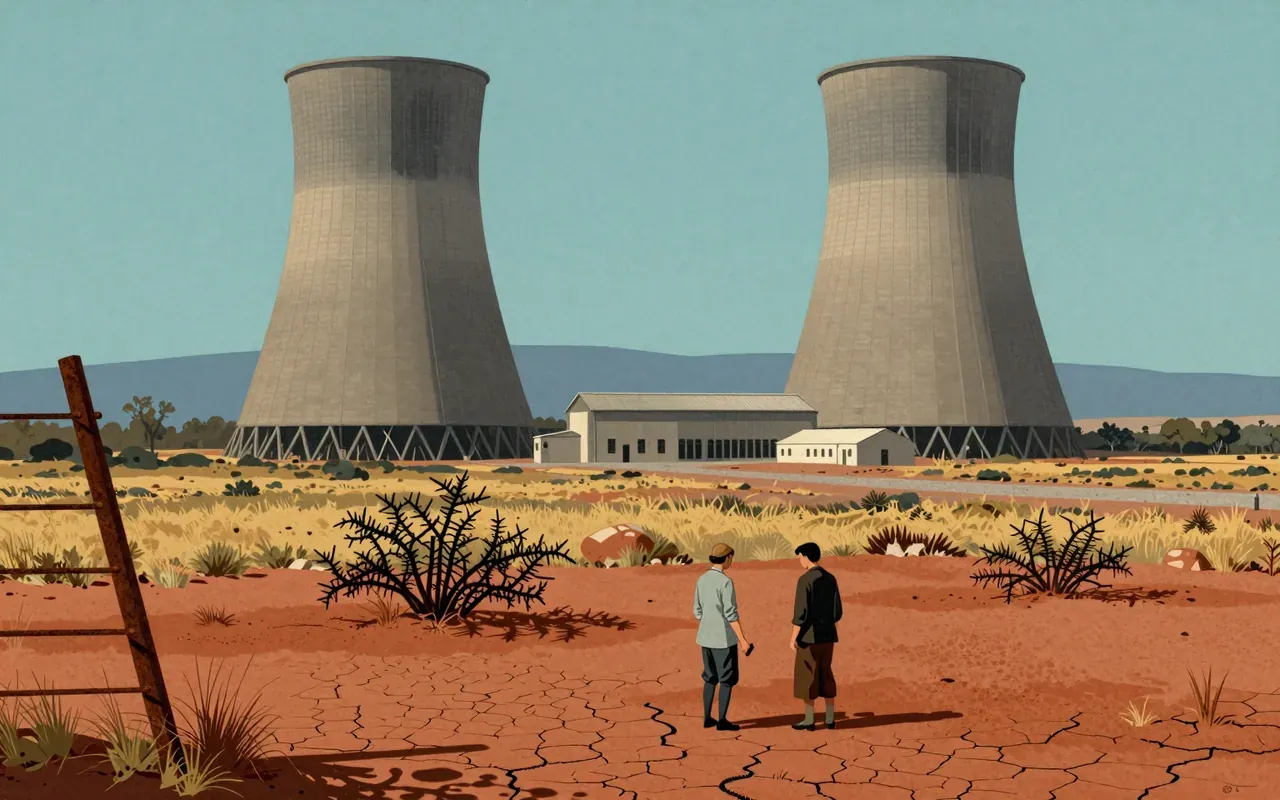
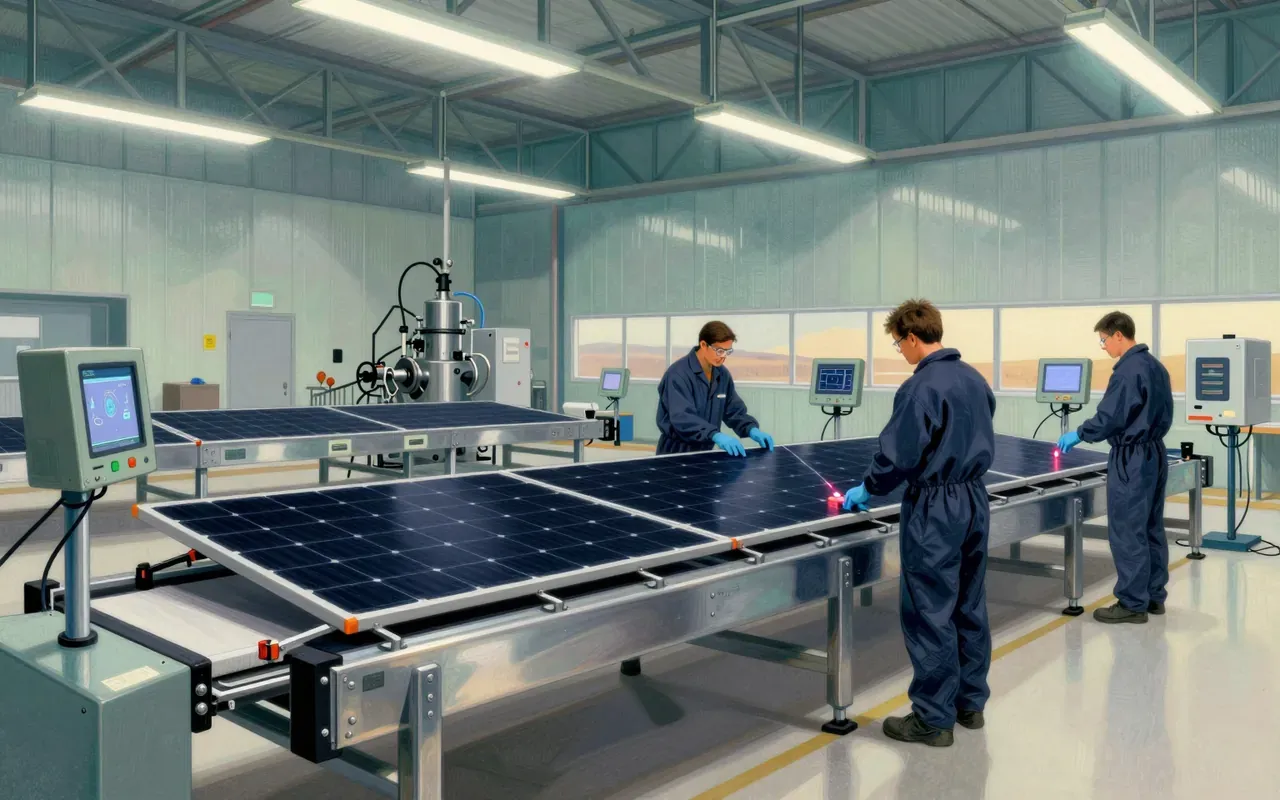
First Solar is a U.S. solar panel manufacturer that builds cadmium telluride (CdTe) thin-film modules in domestic factories. It was founded in 1990 as Solar Cells, Inc. by Harold McMaster, acquired and rebranded in 1999, and went public in 2006. Its technology diverges from mainstream silicon PV. As of March 2026, it had ~14 GW of annual domestic nameplate capacity across facilities in Ohio, Alabama, and Louisiana. It does not produce silicon panels, does not operate overseas factories, and does not integrate storage or software.

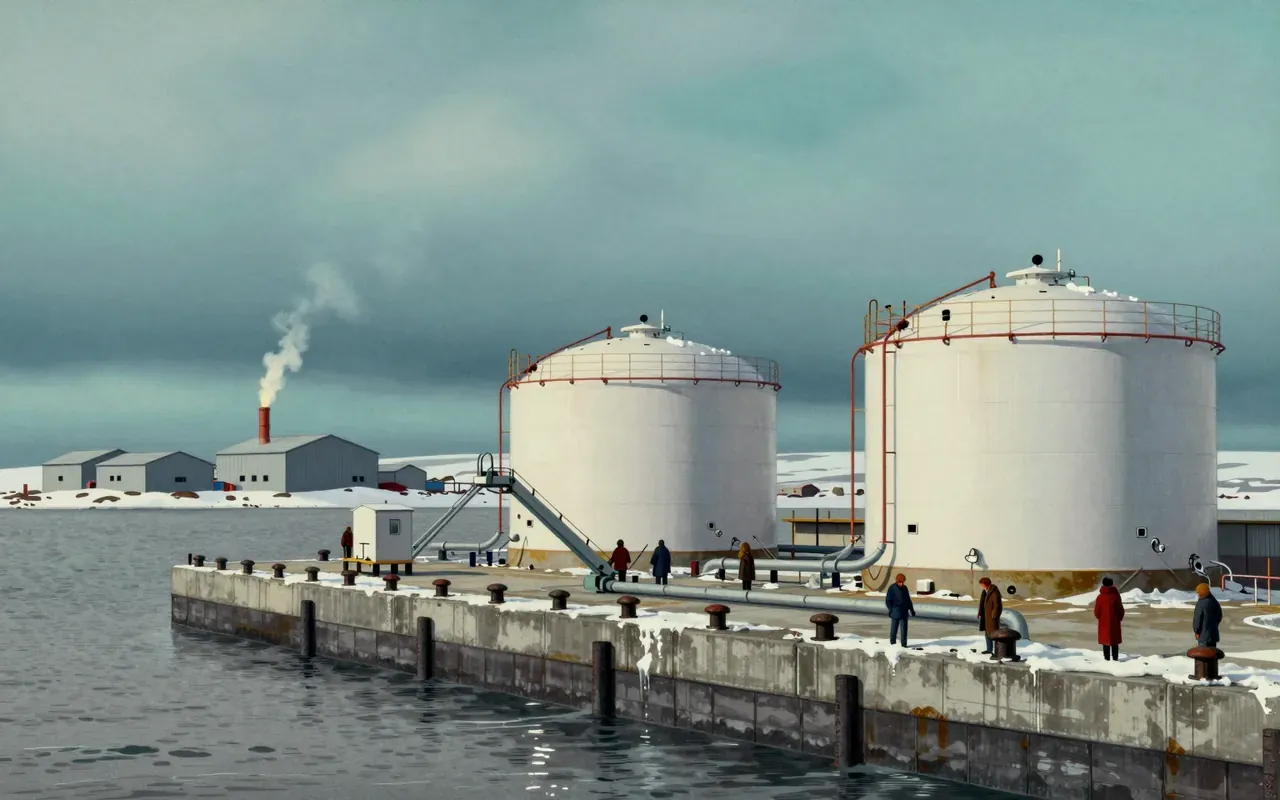
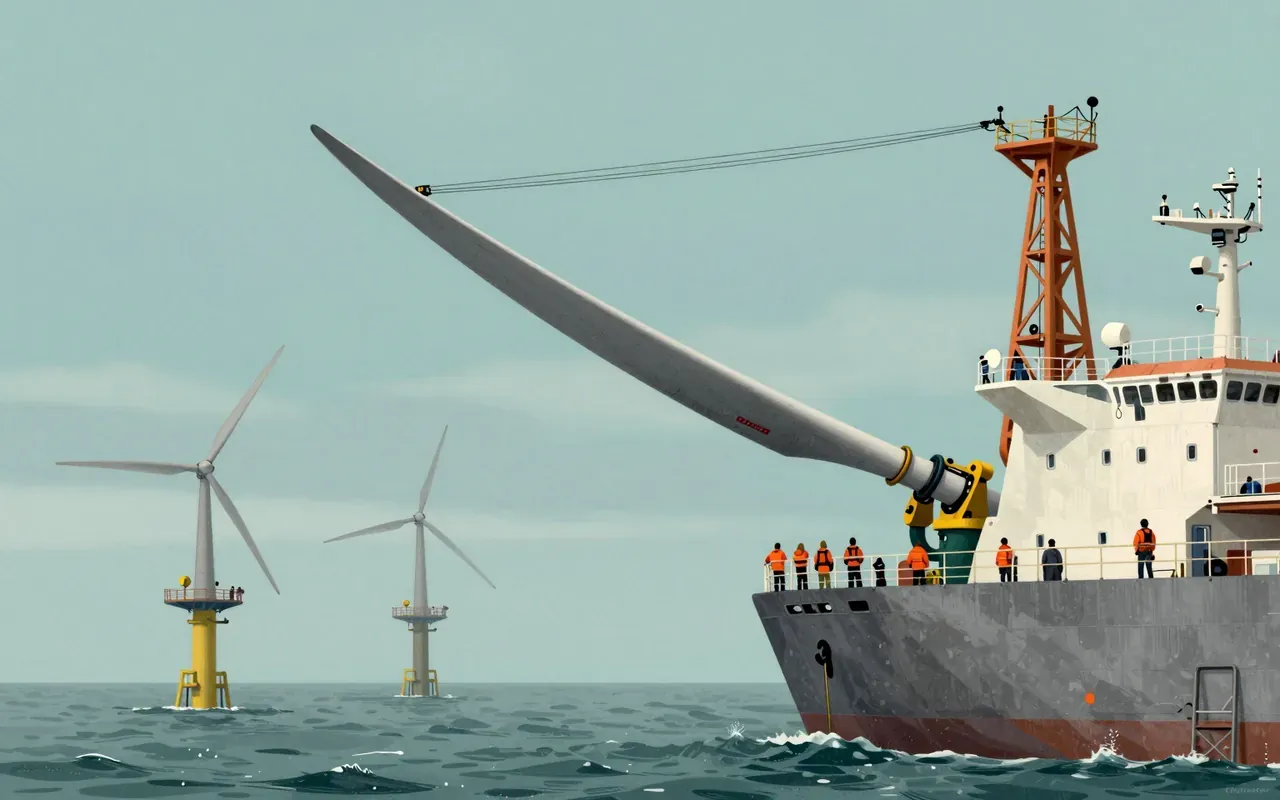
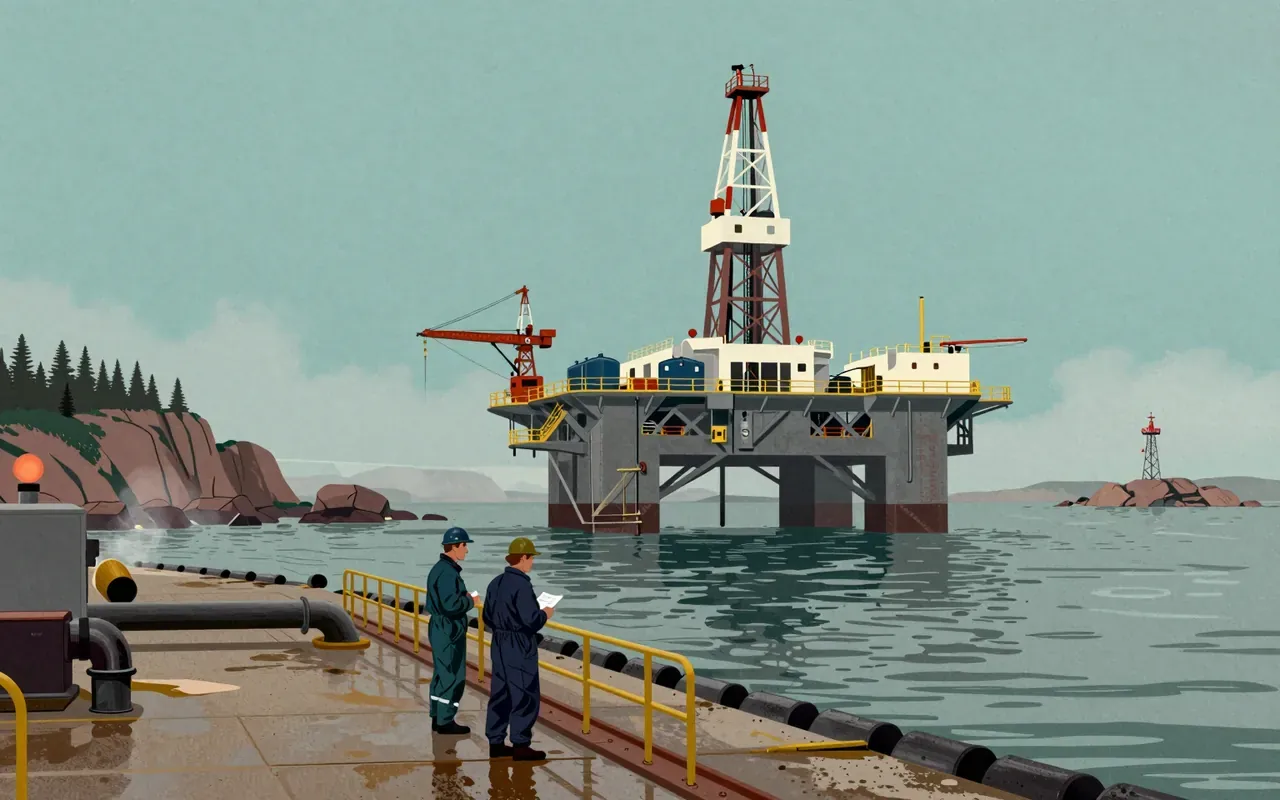
Husky Energy was a long-lived, vertically integrated petroleum company whose geographic reach and operational scope did not prevent its absorption into Cenovus Energy in 2021.
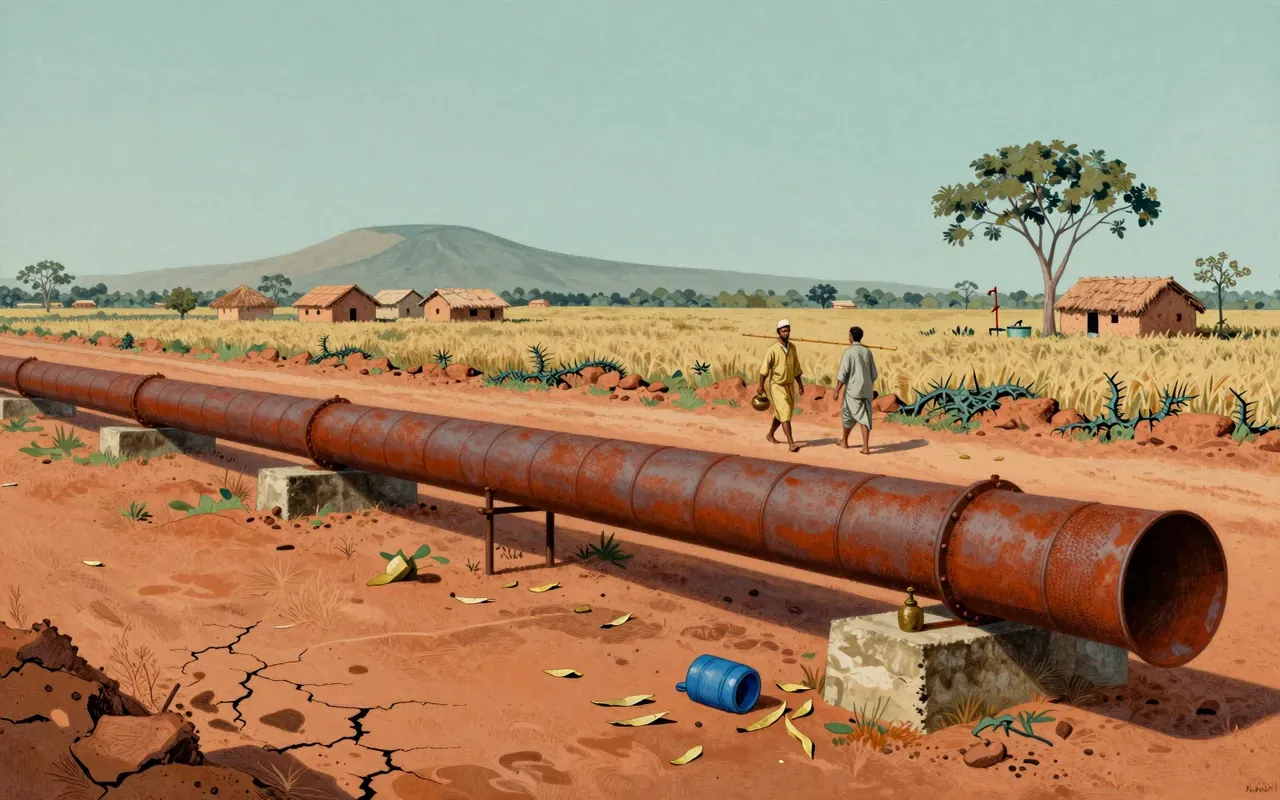
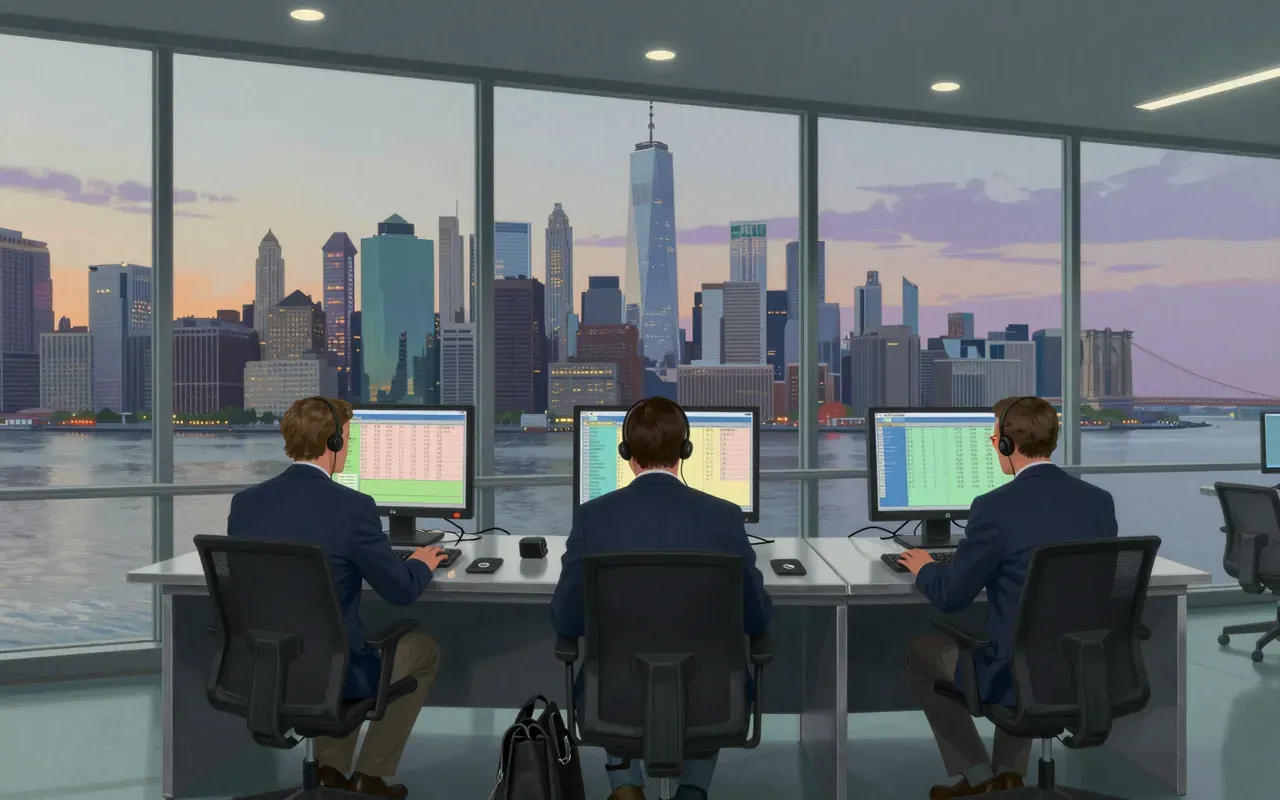
ICE is a financial infrastructure consolidator — not a technology innovator or market creator. It turned energy trading into a global clearing and exchange empire by acquiring failing or exposed rivals, shutting down physical floors, and layering data and mortgage tech atop core exchange revenue. Its business model depends on regulatory moats, scale-driven pricing, and vertical integration — not speed, intelligence, or user experience.
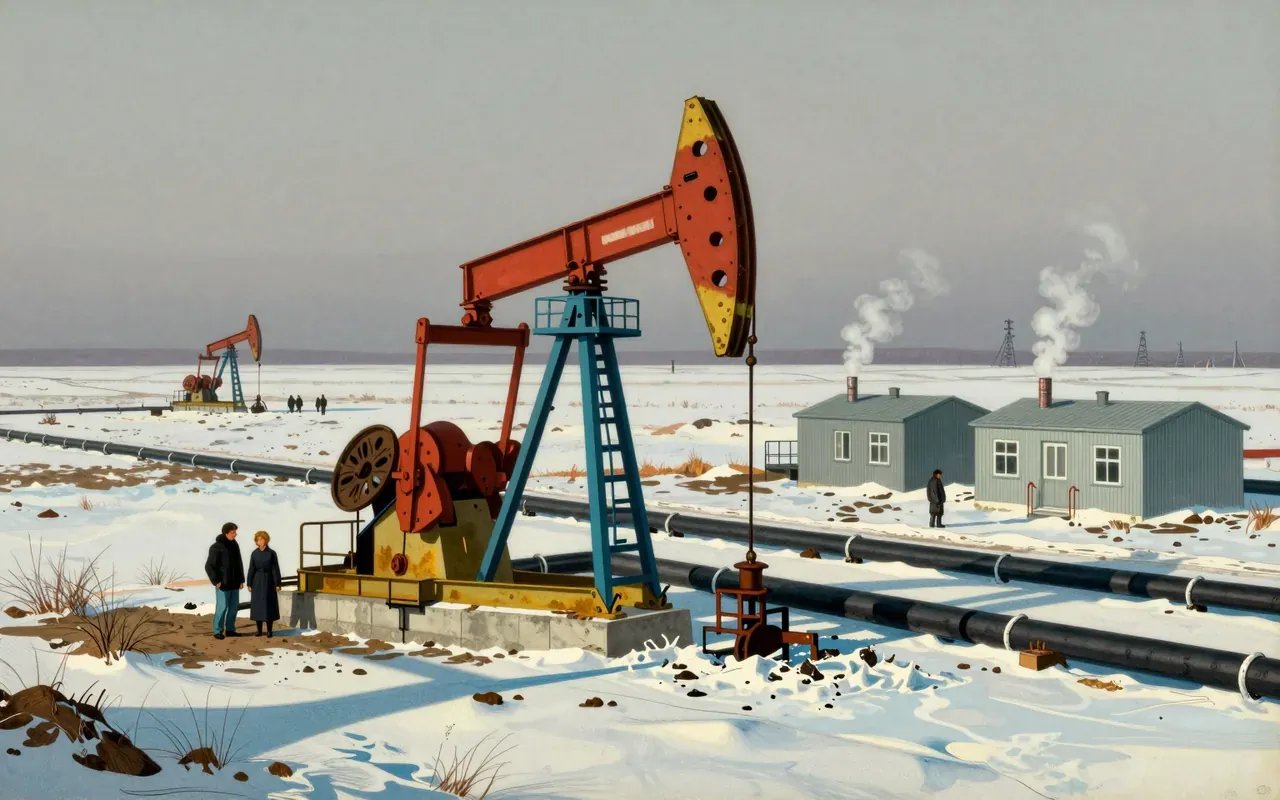
Lukoil is a Russian multinational energy corporation headquartered in Moscow, formed in 1991 by merger of three state-run western Siberian oil enterprises: Langepasneftegaz, Urayneftegaz, and Kogalymneftegaz.
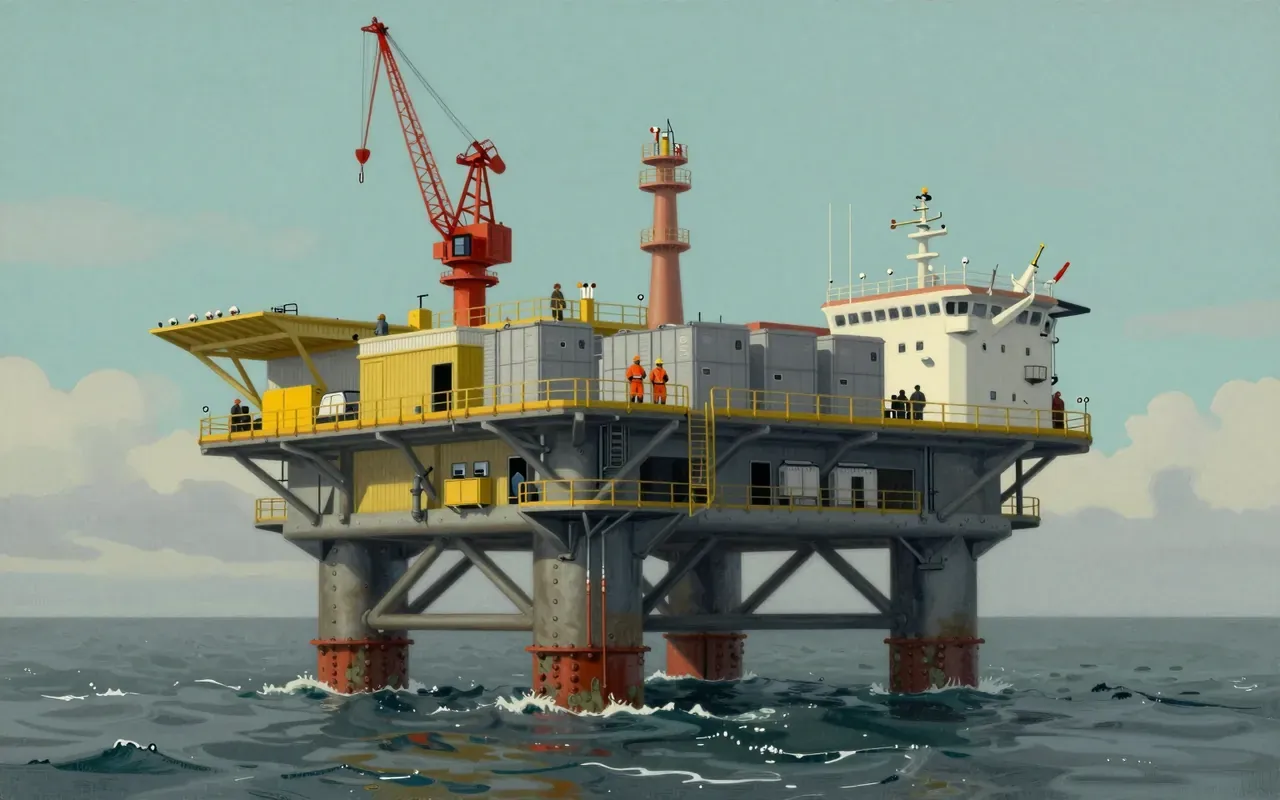

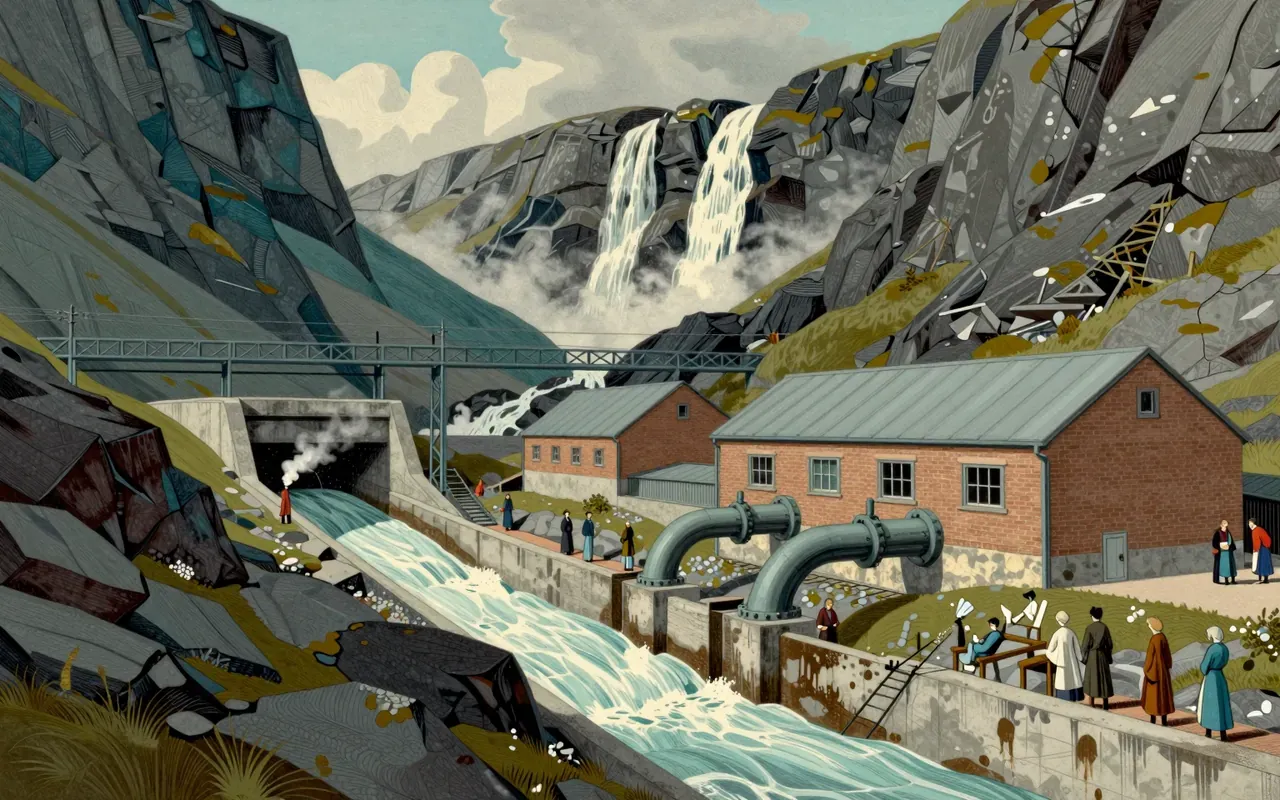
Norsk Hydro began as a single-purpose vehicle for Birkeland’s nitrogen-fixing arc — a physics experiment turned factory. Its early dominance came not from IP or management, but from locking in Norway’s hydropower geography. It survived obsolescence not through reinvention, but by ceding chemical control to IG Farben. Its WWII role — sole European heavy water producer — was accidental infrastructure reuse. Its current aluminium and renewables business shares no technology with its origin, only its dams, debt, and place.
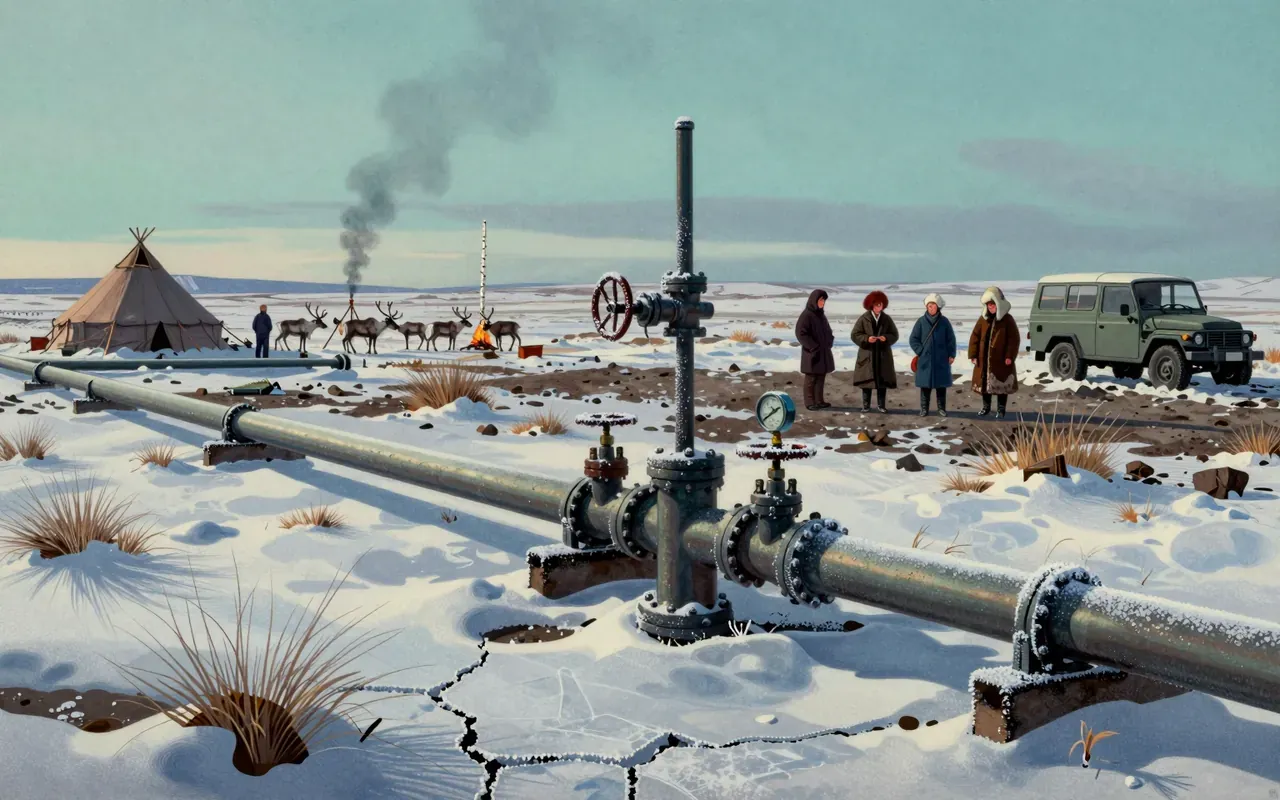
Novatek is a state-tolerated gas monopoly-in-waiting: dominant domestically, absent internationally, priced by regulation not competition.

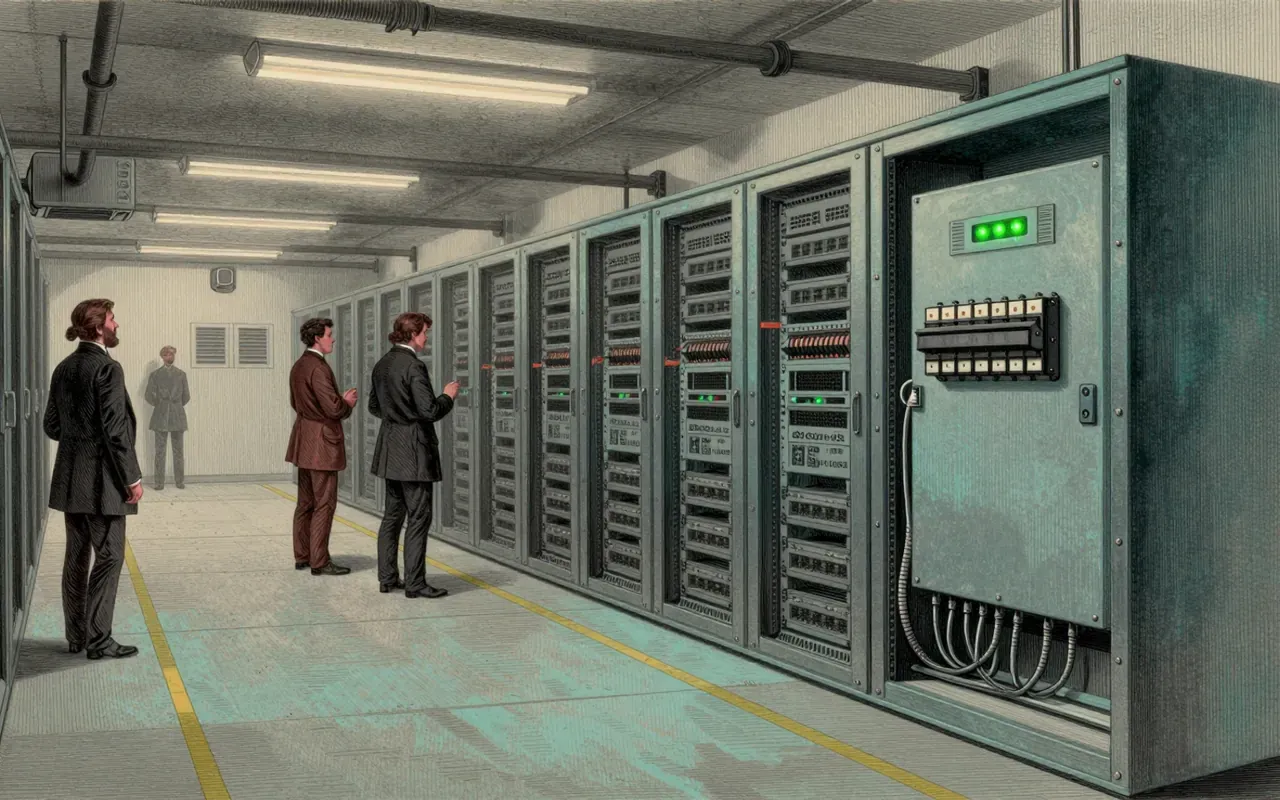

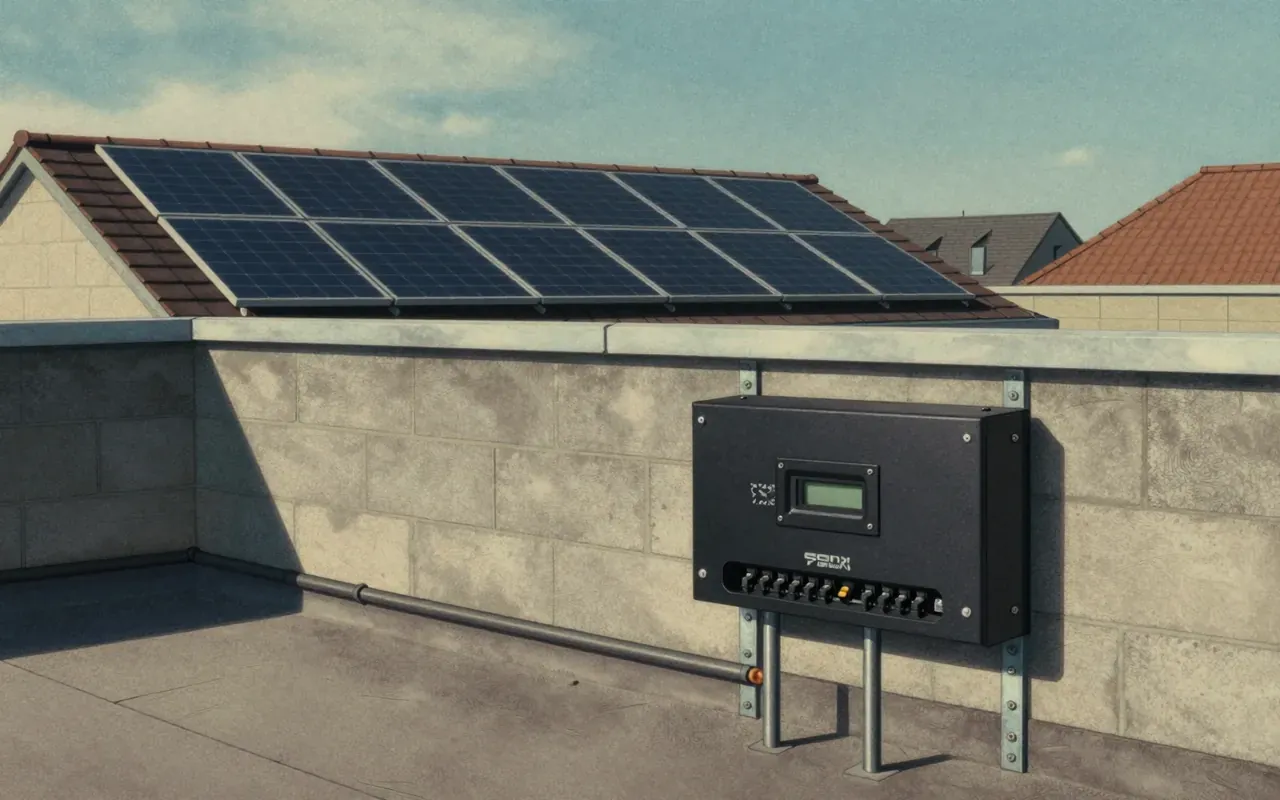


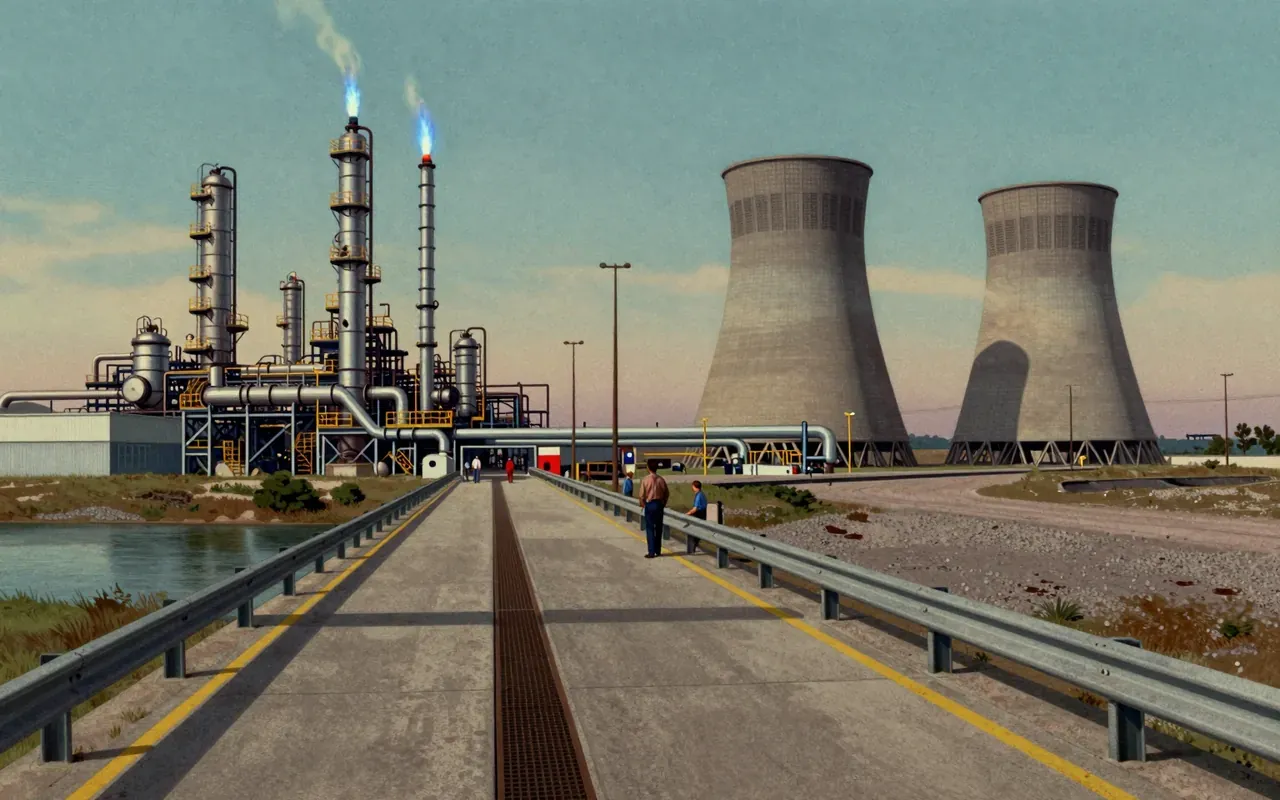
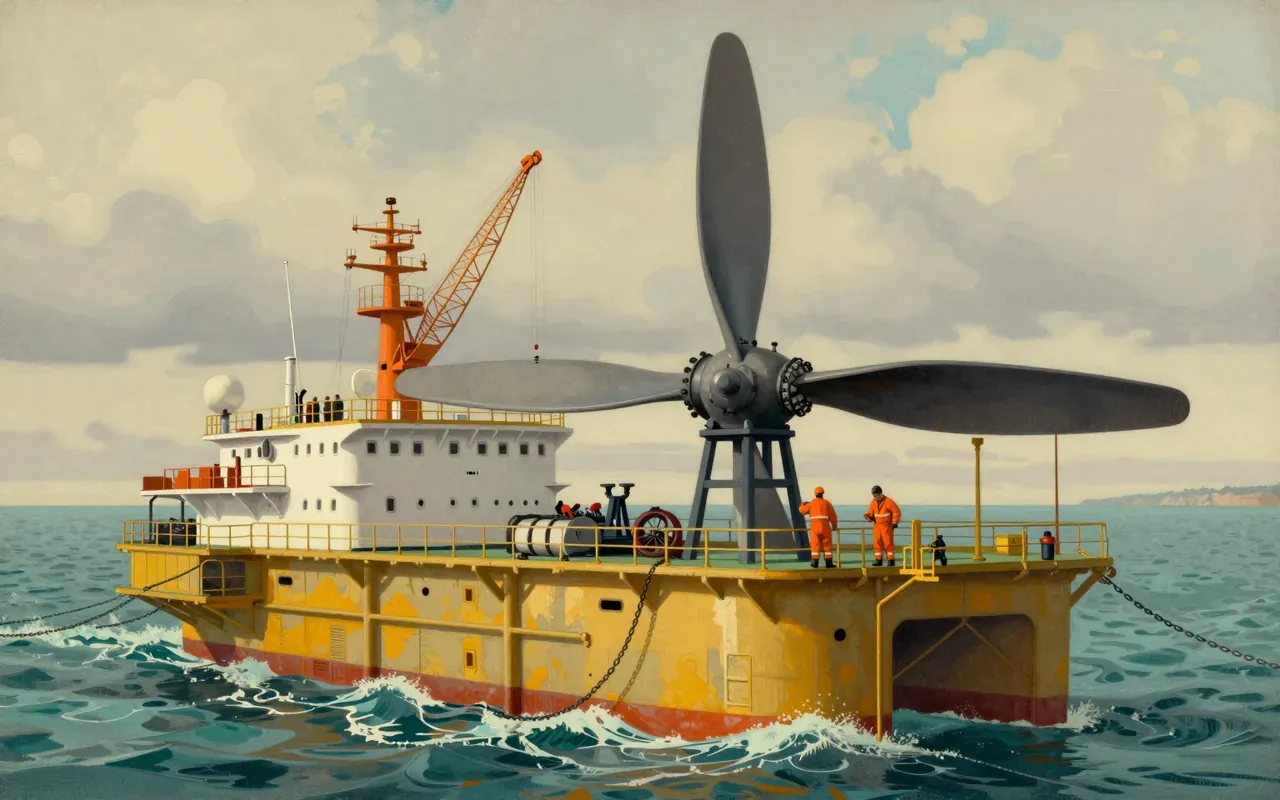
Vestas is a Danish wind turbine company founded in 1945, engaged in manufacturing, selling, installing, and servicing turbines globally; it details major operational milestones including global installations, R&D investment and patenting activity, strategic mergers, facility expansions and closures, and technical innovations such as stealth blades and floating turbines.

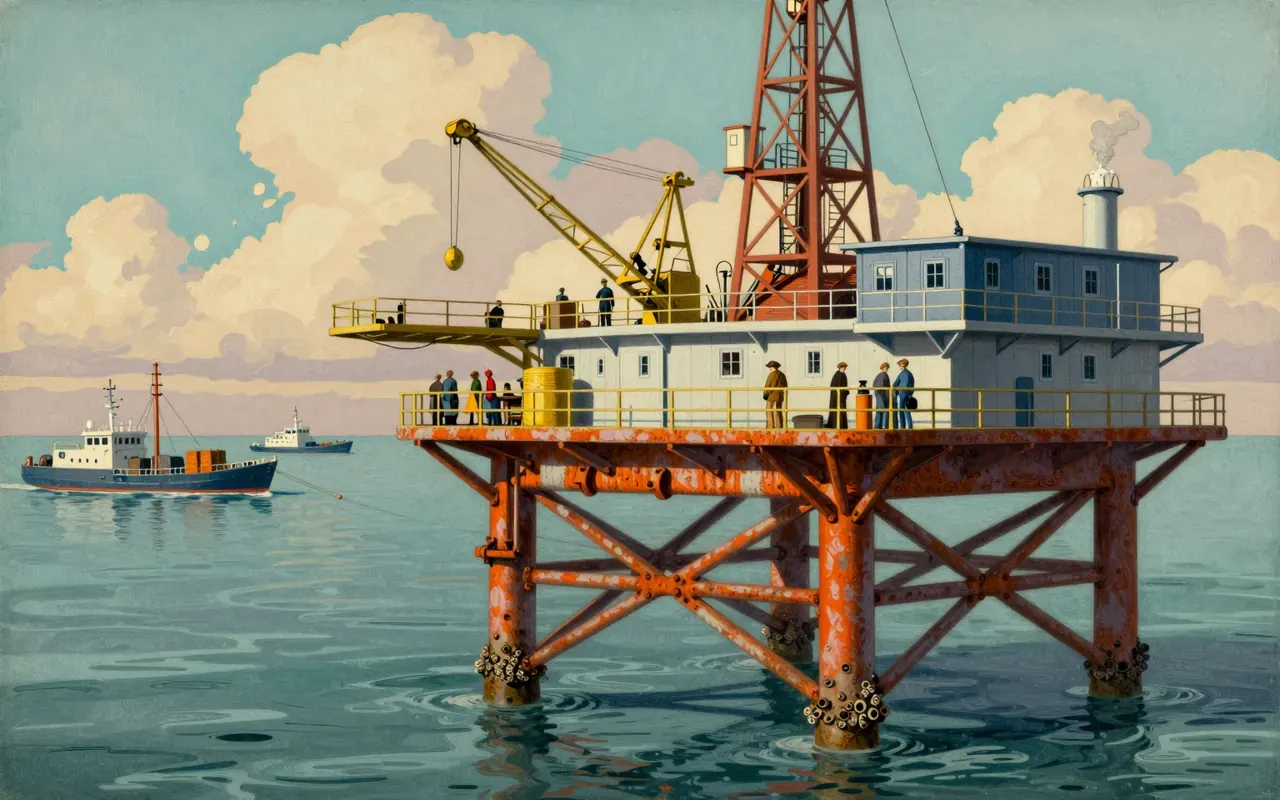

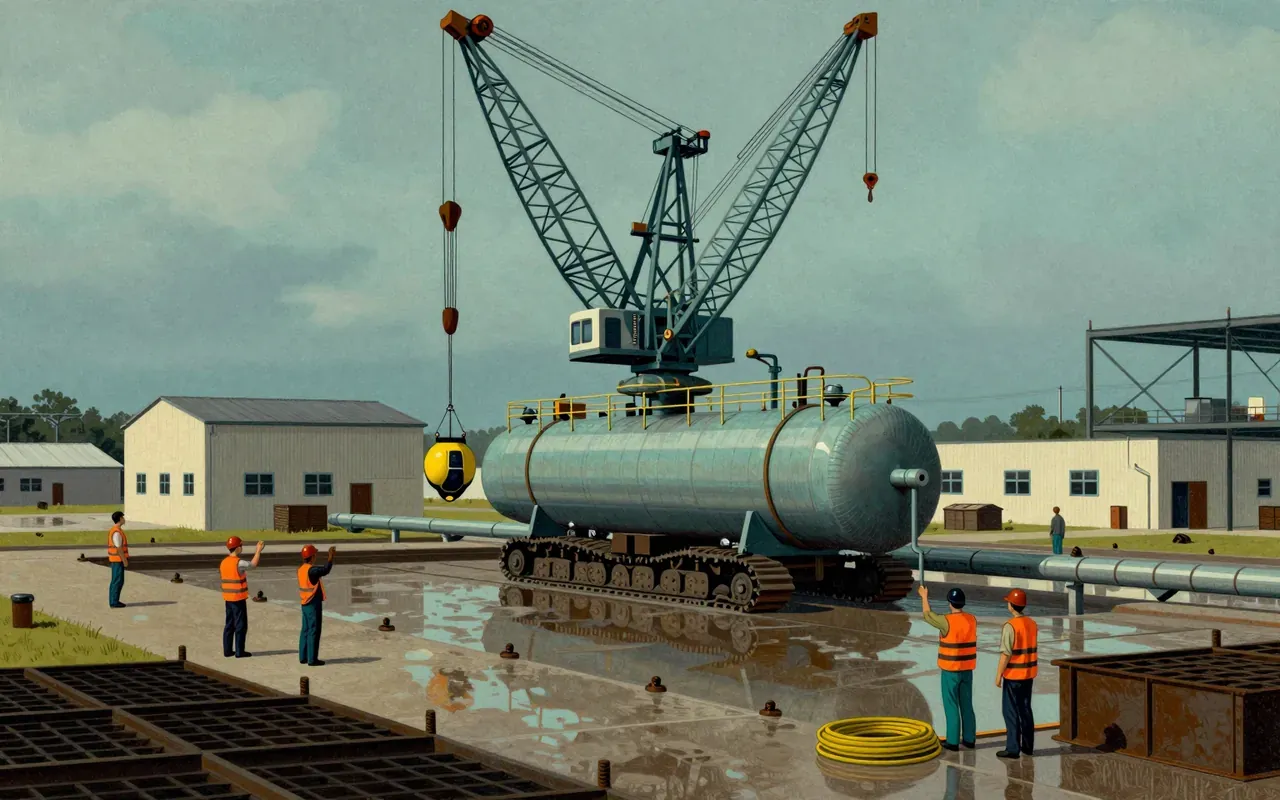
SK Group is a South Korean chaebol founded in 1953 through the acquisition of Sunkyong Textiles — Japanese-owned property seized by the South Korean government after the Korean War armistice. It is the second-largest chaebol by revenue, controlled by the estate of Chey Tae-won via SK Inc., and operates 186 subsidiaries under the SKMS management system. Its cornerstone remains energy and chemicals, though it spans AI semiconductors, flash memory, telecommunications, and petrochemicals. The material confirms no revenue figures, margins, valuations, or operational metrics beyond structure, origin, control, and sectoral scope.
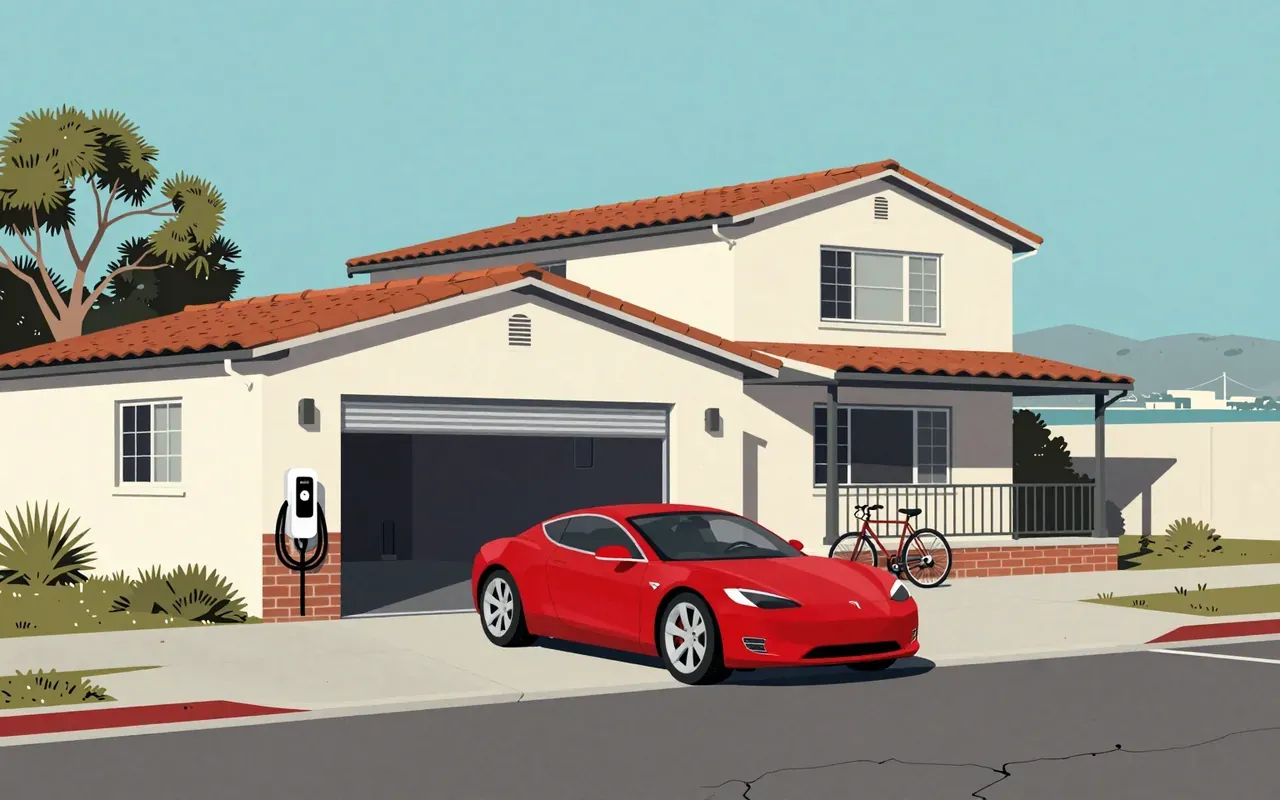
Tesla is not a software or AI company—it is a vertically integrated hardware manufacturer whose valuation rests on future scale, not current unit economics. Its founders were Eberhard and Tarpenning. Musk joined in 2004, led funding, took control, and shaped its public narrative. It sells cars, batteries, and solar—but publishes no per-product margin data. Its market dominance is financial, not operational.