What the company or idea is
ConocoPhillips is a U.S.-based multinational hydrocarbon exploration and production company formed in 2002 by merging Conoco Inc. and Phillips Petroleum Company; its lineage traces to the 1875 founding of Conoco in Ogden, Utah.
How it actually makes money
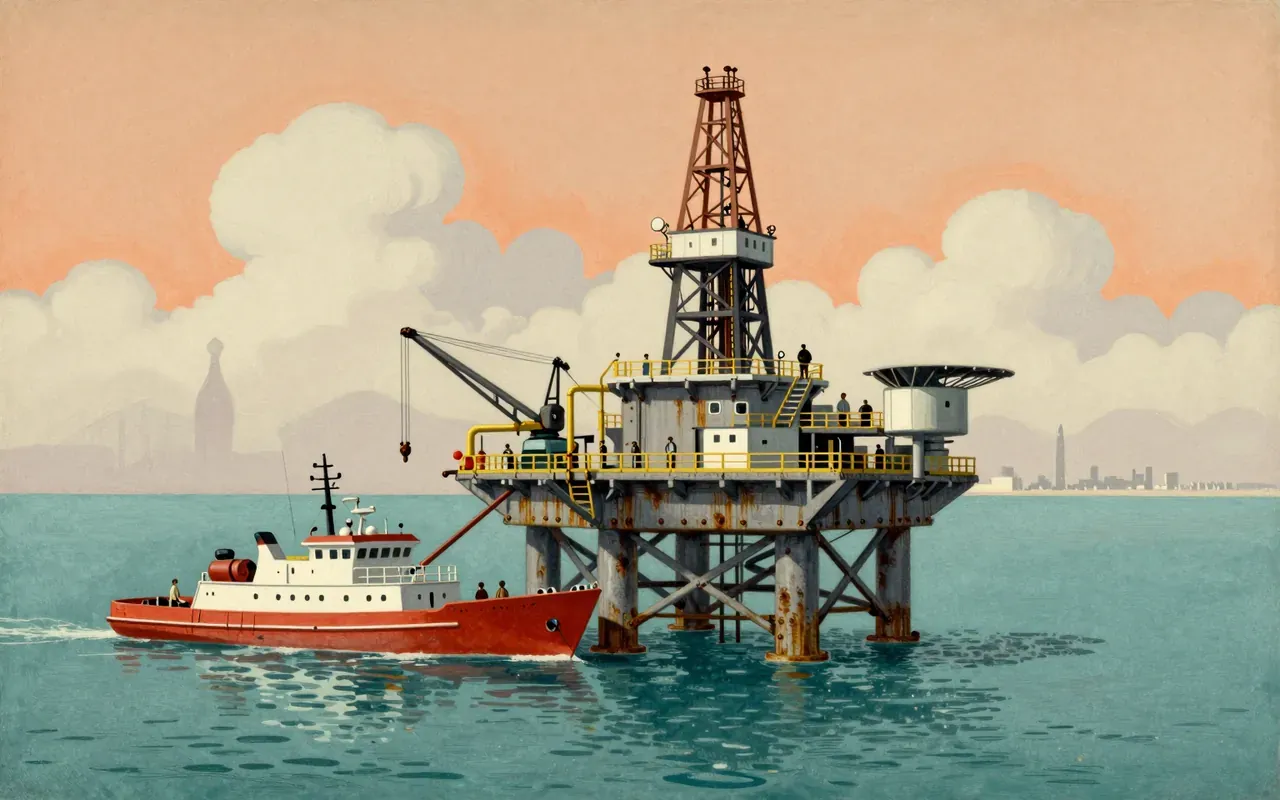
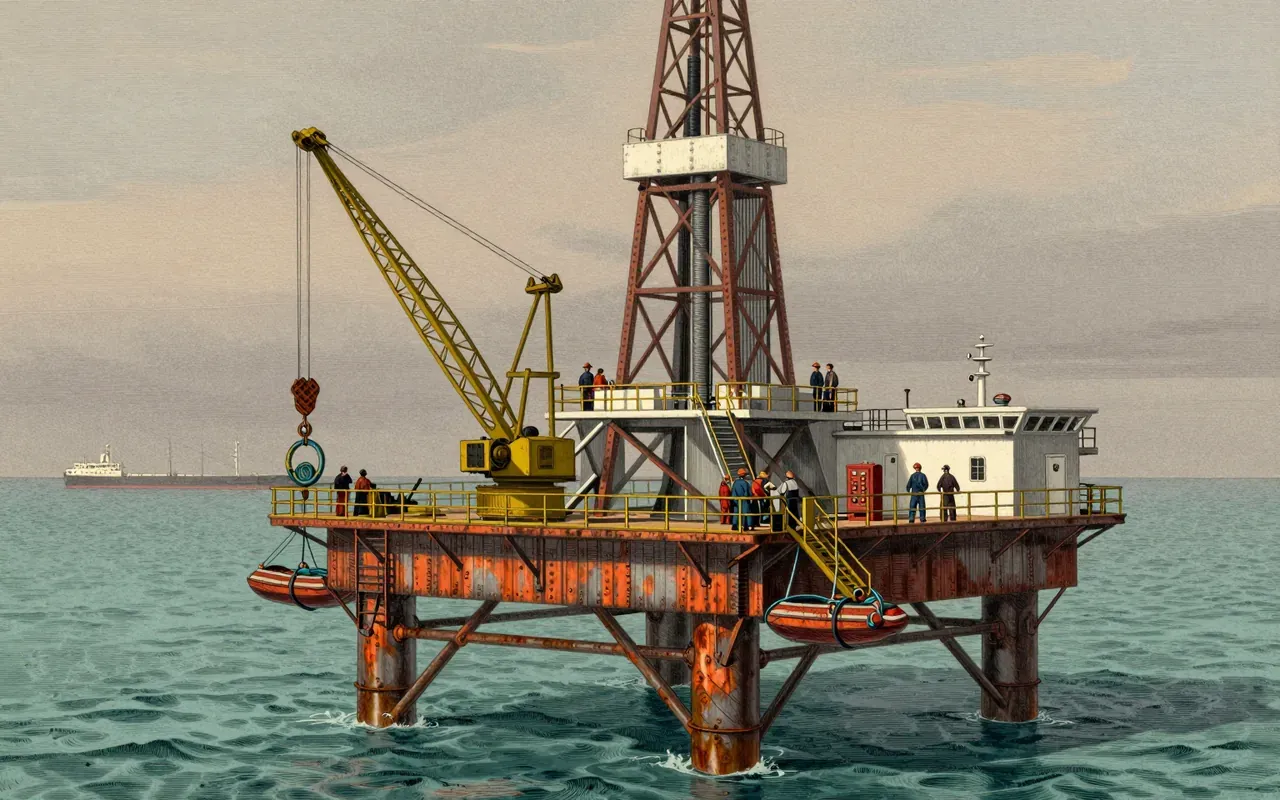
ConocoPhillips makes money by extracting and selling hydrocarbons — petroleum, natural gas, natural gas liquids, and bitumen — from proved reserves it holds globally.
What works
It maintains scale across 15 countries, with nearly two-thirds of 2019 production concentrated in the U.S., Norway, and Australia. Its 2023 proved reserves total 6,758 million barrels of oil equivalent.
What does not
It does not operate downstream. Its 2012 spin-off of Phillips 66 removed all refining, marketing, and chemicals operations. It is upstream-only.
What to take from it
The gap between its self-presentation as a focused E&P operator and its documented contribution to industrial emissions (0.91% of global industrial GHG from 1988–2015) defines its strategic tension.
Is it worth your time
Yes — if you are assessing how a legacy hydrocarbon producer navigates scale, emissions liability, and structural separation from refining and marketing.