businessbriefs
Saved
Topic

Oil

The commodity that shaped the geopolitics of a century.

40
in business
10:47
average
431 min
in total
42
across the network
Oil across the network →
All briefs40
12:06

ExxonMobil

Rockefeller Standard Oil · 1882

ExxonMobil is the largest U.S.-based oil and gas company. It was formed in 1999 by merging Exxon and Mobil. It is vertically integrated across oil and gas and its chemicals division. It produces about 3% of the world’s oil and 2% of global energy. In 2024, it emitted 610 Mt of CO2 — 1.58% of global emissions. It has faced widespread criticism and litigation over environmental incidents, including the 1989 Exxon Valdez oil spill, and for decades of climate change denial despite internal scientific accuracy.
9:48

Grupa Lotos

A national refiner with scale and lubricant leadership — but no defensible moat, no retail proof, and no independent future after 2022.
11:09

NNPC

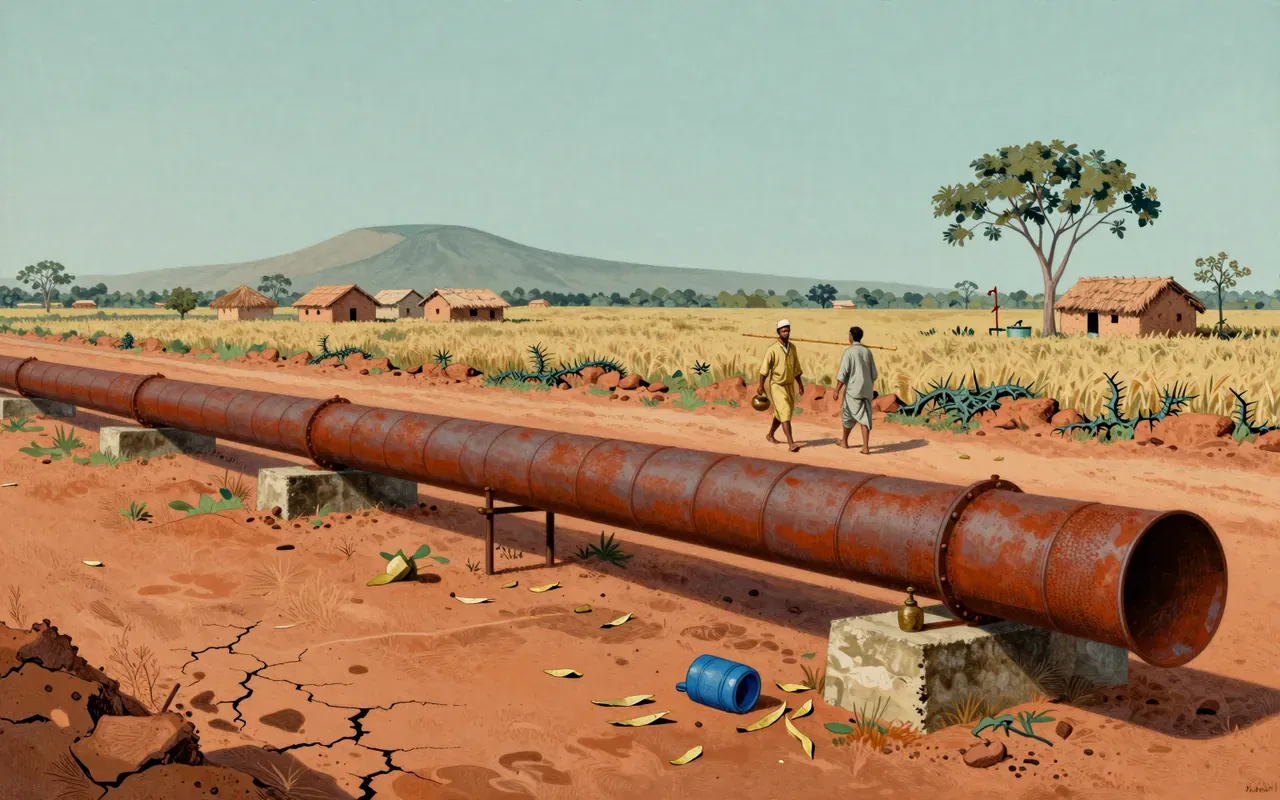
NNPC is not a commercial oil company — it is a state monopoly dressed in corporate clothing.
11:34

Surgutneftegas

Vladimir Bogdanov · 1993

Surgutneftegas is a Russian oil and gas company formed in 1994 by merging state-owned entities holding major Western Siberian reserves. It became a private company in 1993 and has operated under Vladimir Bogdanov’s leadership since. Its business model relies on control of upstream assets, state-granted infrastructure rights, and export relationships — not capital markets, innovation, or transparency.
10:14

Gazprom Neft

A state-engineered oil company disguised as a startup — founded with ready-made assets, not a business plan.
10:01

MOL (company)

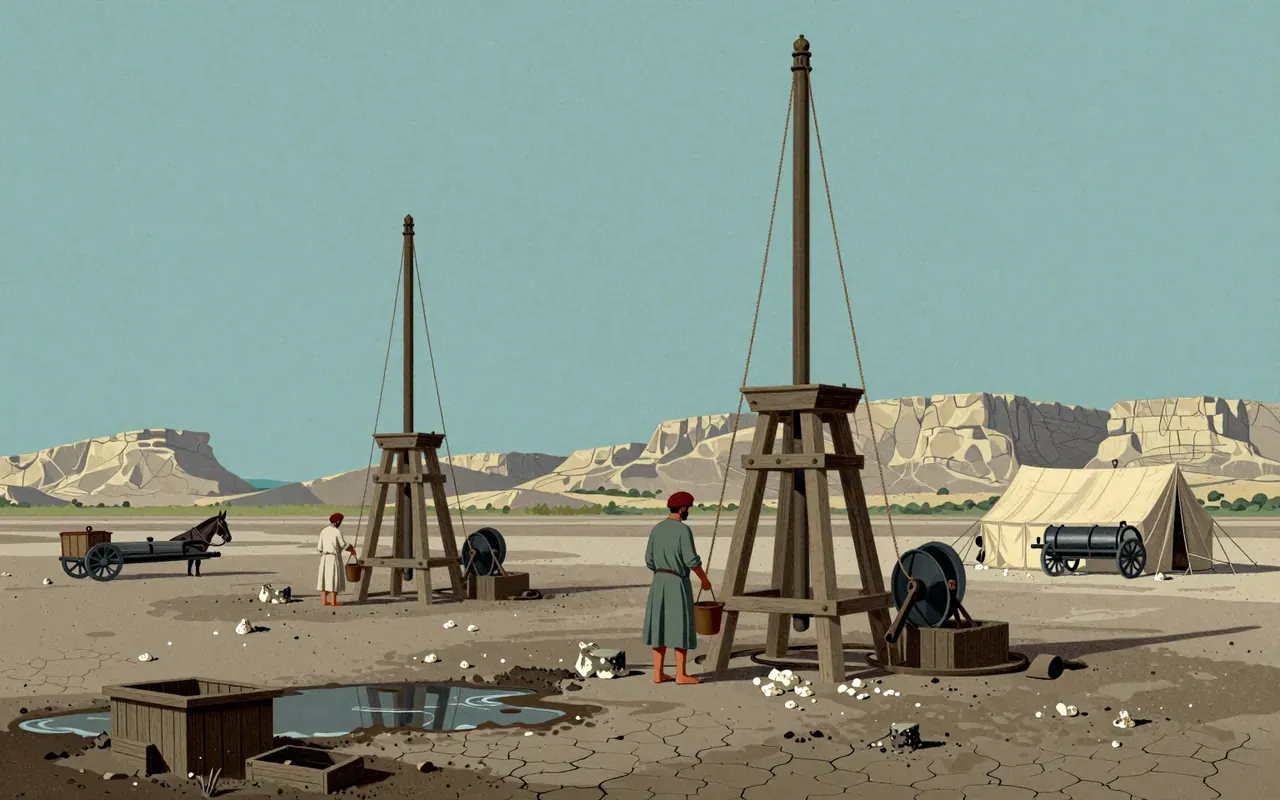
MOL is not a disruptor—it’s a post-state apparatus that learned to trade, refine, and retreat when necessary.
11:20

Orlen

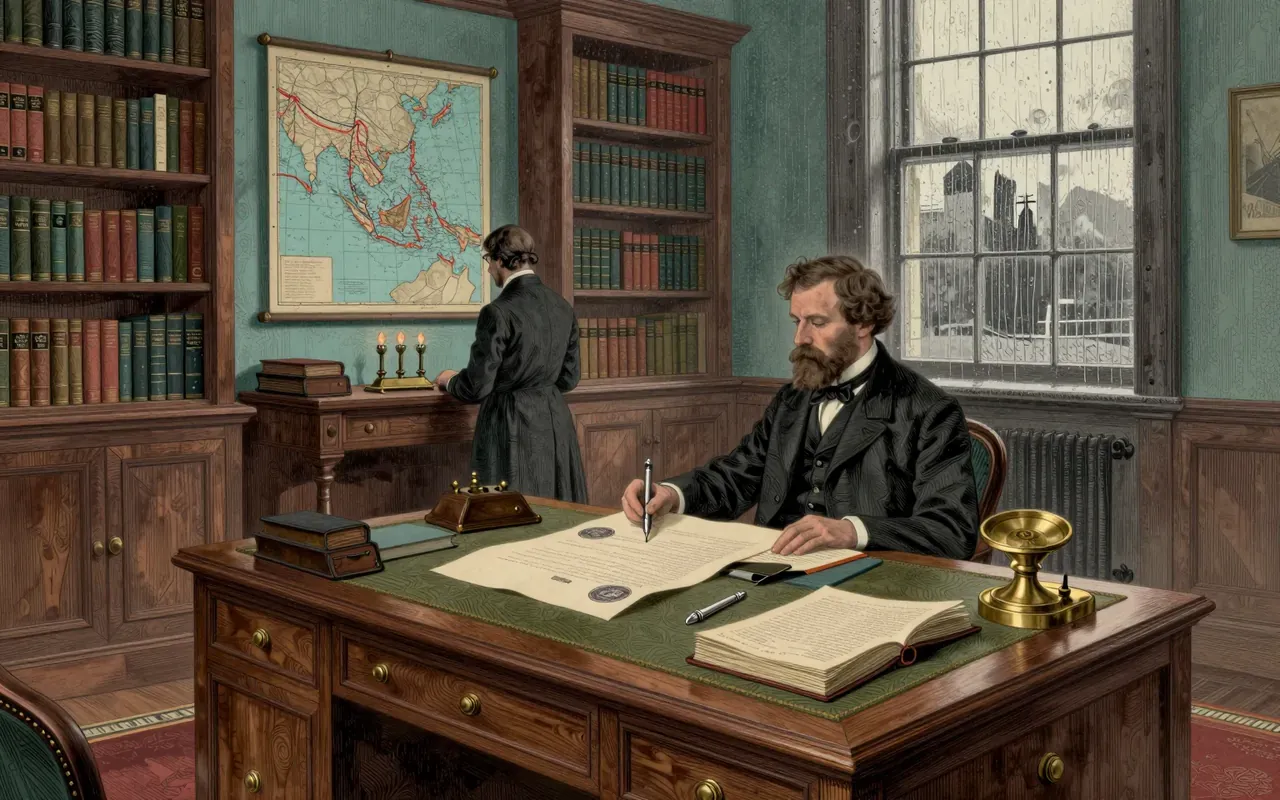
A state-directed oil giant masquerading as a multinational — its scale is real, its independence is not.
10:18

QatarEnergy

QatarEnergy isn’t a company — it’s the Qatari state’s hydrocarbon treasury, fused with its policymaking apparatus.
10:07

Tatneft

A Soviet oil giant built on one field, one republic, and one decree—and still running on that logic sixty years later.
10:48

Transneft

Transneft isn’t a pipeline company — it’s Russia’s oil circulatory system, state-built, state-run, and state-priced.
11:08

Abu Dhabi National Oil Company

ADNOC is expanding oil production while the rest of the industry retreats — not because it ignores climate change, but because it answers to no one but Abu Dhabi.
11:31

Bharat Petroleum

BPCL is not a disruptor — it is India’s second-largest government oil refiner, built on nationalisation, sustained by scale, and constrained by its mandate.
11:38

Cenovus Energy

Cenovus isn’t built — it’s assembled, asset by acquired asset, to look like an integrated energy company.
10:45

Chevron Corporation

Chevron is not a tech company in disguise — it is Standard Oil’s second-largest heir, running legacy systems at global scale.
11:22

ConocoPhillips

A vertically stripped hydrocarbon extractor — upstream only, emissions-heavy, legally separated from its own downstream past.
12:03

Enbridge

Enbridge runs the world’s largest oil export pipeline network — and its first renewable investment was a single wind farm, bought in 2002.
11:34

Equinor

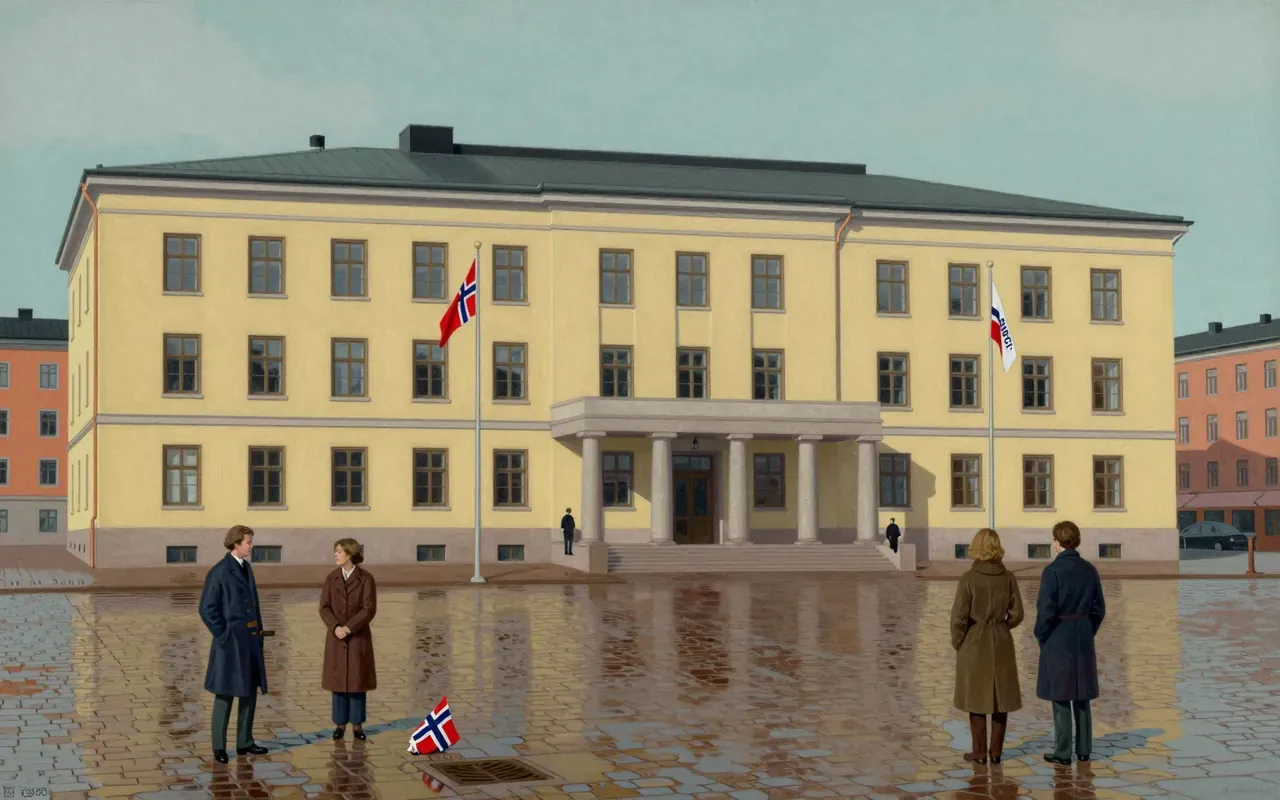
A state-owned petroleum giant that calls itself ‘Equinor’ still emits more than most nations — and answers to Oslo, not shareholders.
10:44

Husky Energy

Hong Kong interest · 1938

Husky Energy was a long-lived, vertically integrated petroleum company whose geographic reach and operational scope did not prevent its absorption into Cenovus Energy in 2021.

10:46

Imperial Oil

Rockefeller Standard Oil · 1880

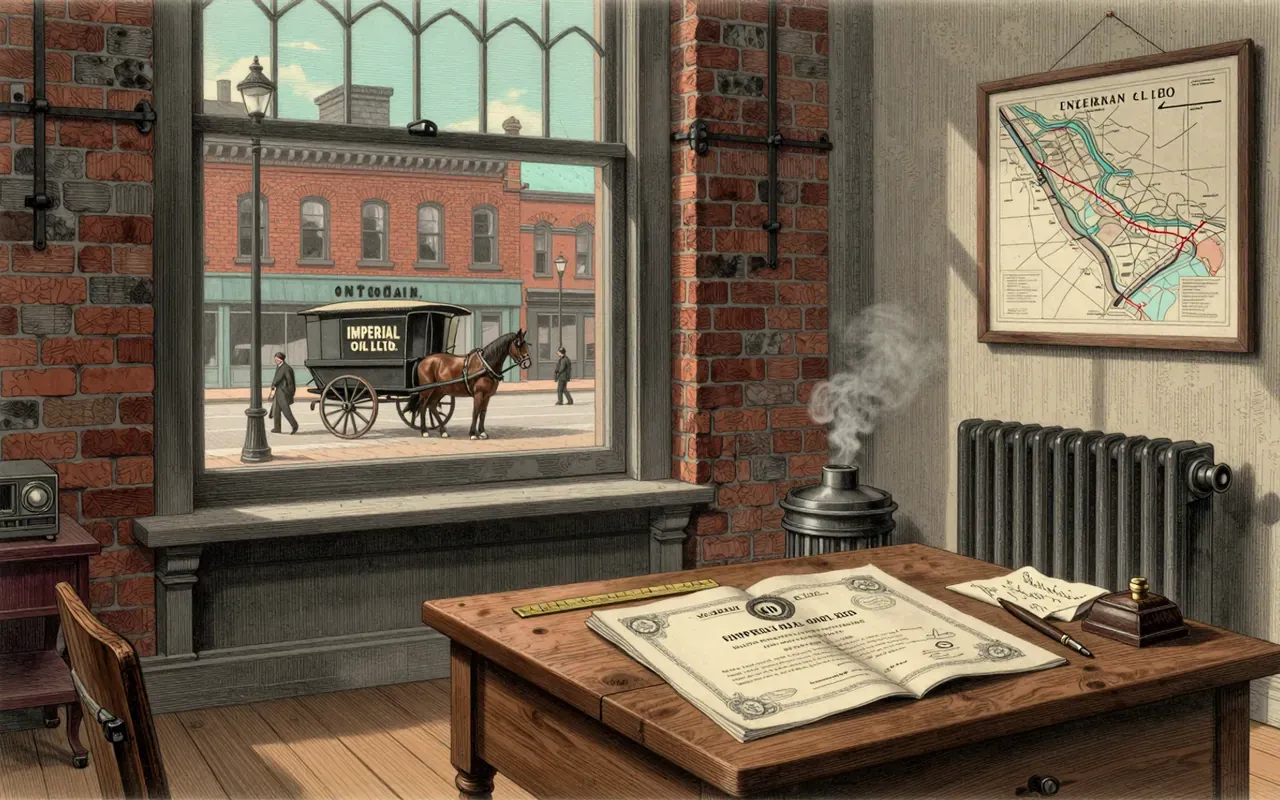
Imperial Oil was founded in 1880 as a Canadian response to Standard Oil’s expansion — a deliberate replication of Rockefeller’s integrated model. It quickly controlled 85% of national refining capacity. After failing to secure British ownership, its board sold 75% to Standard Oil in 1898, absorbing its Canadian subsidiaries. Post-1911 antitrust breakup, Imperial remained legally distinct but was wholly assigned to Jersey Standard — becoming Standard Oil’s exclusive vehicle for Canadian operations.

11:36

Indian Oil Corporation

India’s largest state-owned oil company runs on vertical integration — not disruption, not agility, but scale backed by sovereign control.
9:48

National Iranian Oil Company

NIOC isn’t an oil company—it’s the Iranian state’s legal claim on hydrocarbons, written into law in 1951 and measured in gigatonnes of CO₂.
10:52

Lukoil

Vagit Alekperov · 1991

Lukoil is a Russian multinational energy corporation headquartered in Moscow, formed in 1991 by merger of three state-run western Siberian oil enterprises: Langepasneftegaz, Urayneftegaz, and Kogalymneftegaz.

11:36

Lundin Energy

A fossil fuel company that sold its entire oil and gas business — then kept the name only for the renewables spin-off.
9:42

Novatek

Leonid Mikhelson · 1994

Novatek is a state-tolerated gas monopoly-in-waiting: dominant domestically, absent internationally, priced by regulation not competition.

10:04

Pemex

A national oil company that peaked before the iPhone—and still pays for half of Mexico’s federal budget.
9:16

Perenco

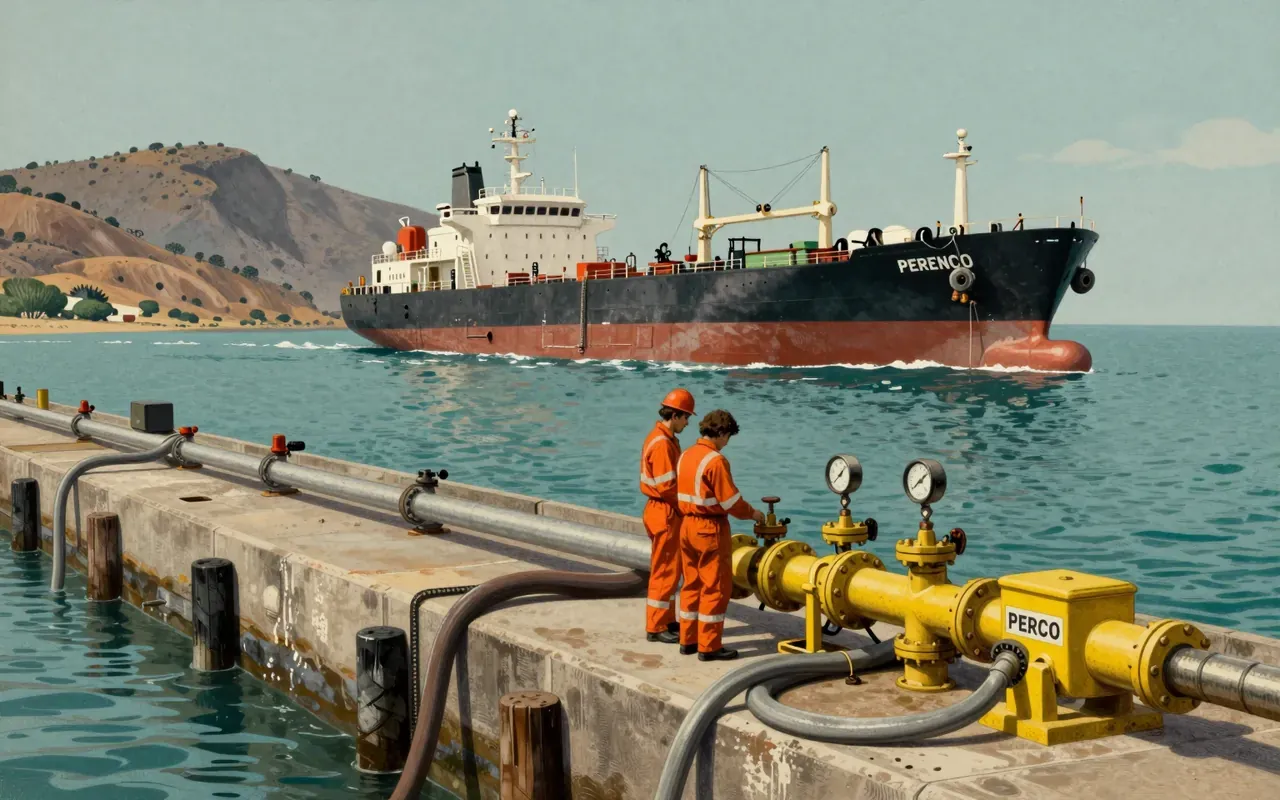
A private oil firm that publishes nothing but its output — and has thrived for half a century doing exactly that.
10:26

Petrobras

A state oil company built fast — but its first-year output was barely a rounding error on global demand.
10:17

John D. Rockefeller

Standard Oil didn’t break the rules—it exploited the absence of them, until the Supreme Court caught up.
10:02

Santos Limited

Australia’s largest gas supplier isn’t a utility—it’s an upstream operator that owns the pipes, plants, and wells.
11:28

Saudi Aramco

Abdul Aziz ibn Saud · 1988

Saudi Aramco is the majority state-owned national oil company of Saudi Arabia. It holds the world's largest proven crude oil reserves and largest daily oil production. It operates the world's largest single hydrocarbon network, the Master Gas System. Its shares began trading on the Saudi Exchange on 11 December 2019, reaching a market capitalisation of about US$1.88 trillion. Its origins lie in a 1933 concession granted by Ibn Saud and executed by Chevron Corporation.

11:11

Suncor Energy

Suncor isn’t a pioneer—it’s a consolidation play built on one province’s tar sands and two governments’ exits.
11:00

Valero Energy

Valero isn’t going green—it’s adding green to an oil-refining empire, one acquired plant at a time.
10:21

Vermilion Energy

Vermilion didn’t build an energy company—it assembled one, country by country, asset by asset, without inventing anything new.
9:45

Woodside Energy

Woodside isn’t just Australia’s biggest oil and gas company — it’s the operator of Australia’s oil and gas production.
10:04

BP

William Knox D'Arcy · 1908

BP’s origin story is not about entrepreneurship or engineering — it is about a sovereign concession enabling extraction. Its business model depends on controlling physical assets and political access, not market creation or product innovation.

10:17

Shell plc

Marcus Samuel · 1890

Shell plc is a British multinational oil and gas company formed in April 1907 through the merger of Royal Dutch Petroleum Company and The 'Shell' Transport and Trading Company — founded in 1897 by Marcus Samuel and his brother. It is vertically integrated across exploration, production, refining, transport, distribution, marketing, petrochemicals, power generation, and trading. It was the ninth-largest corporate greenhouse gas emitter (1988–2015). In 2004, it overstated oil reserves, triggering a £17 million fine and leadership change. In 2021, it rebranded from Royal Dutch Shell plc to Shell plc.