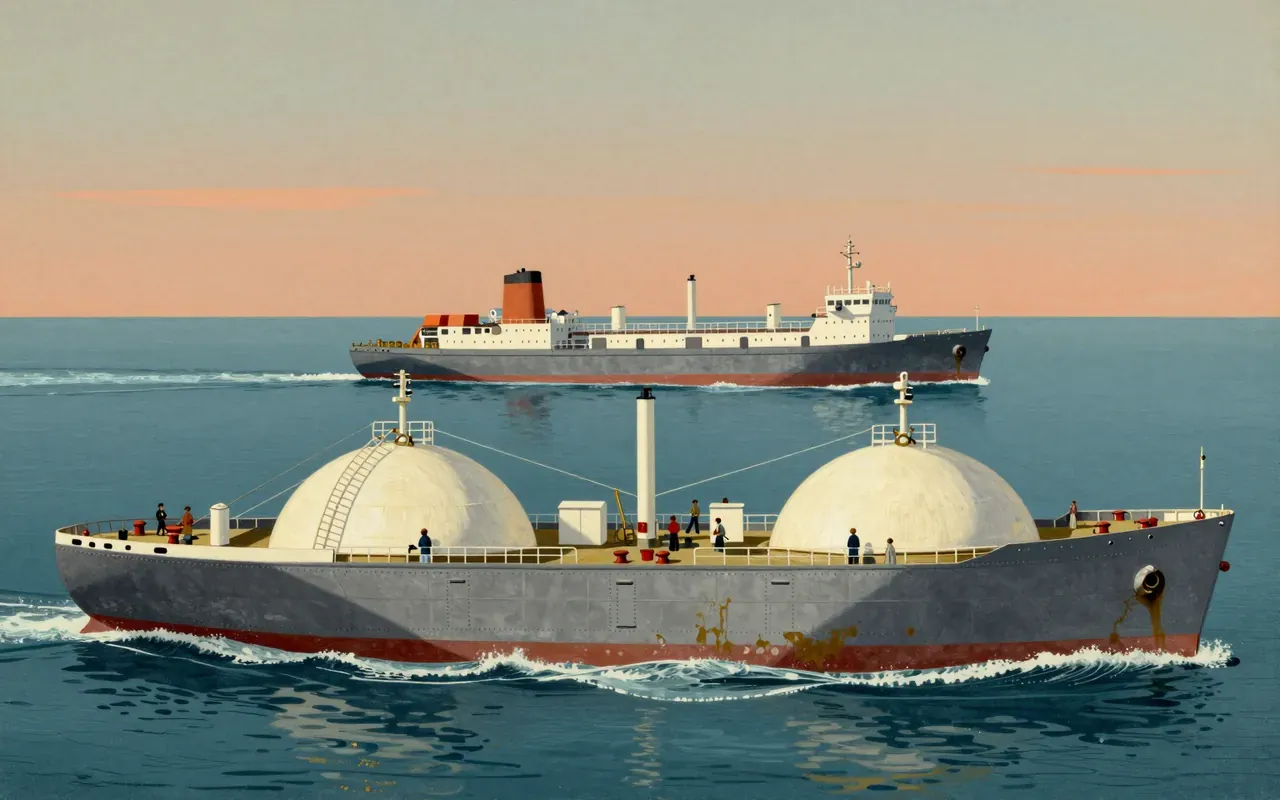
A shell trader’s name became an oil empire — not by inventing energy, but by owning every step from seabed to petrol pump.
Shell plc is a British multinational oil and gas company formed in April 1907 through the merger of Royal Dutch Petroleum Company and The 'Shell' Transport and Trading Company — founded in 1897 by Marcus Samuel and his brother. It is vertically integrated across exploration, production, refining, transport, distribution, marketing, petrochemicals, power generation, and trading. It was the ninth-largest corporate greenhouse gas emitter (1988–2015). In 2004, it overstated oil reserves, triggering a £17 million fine and leadership change. In 2021, it rebranded from Royal Dutch Shell plc to Shell plc.
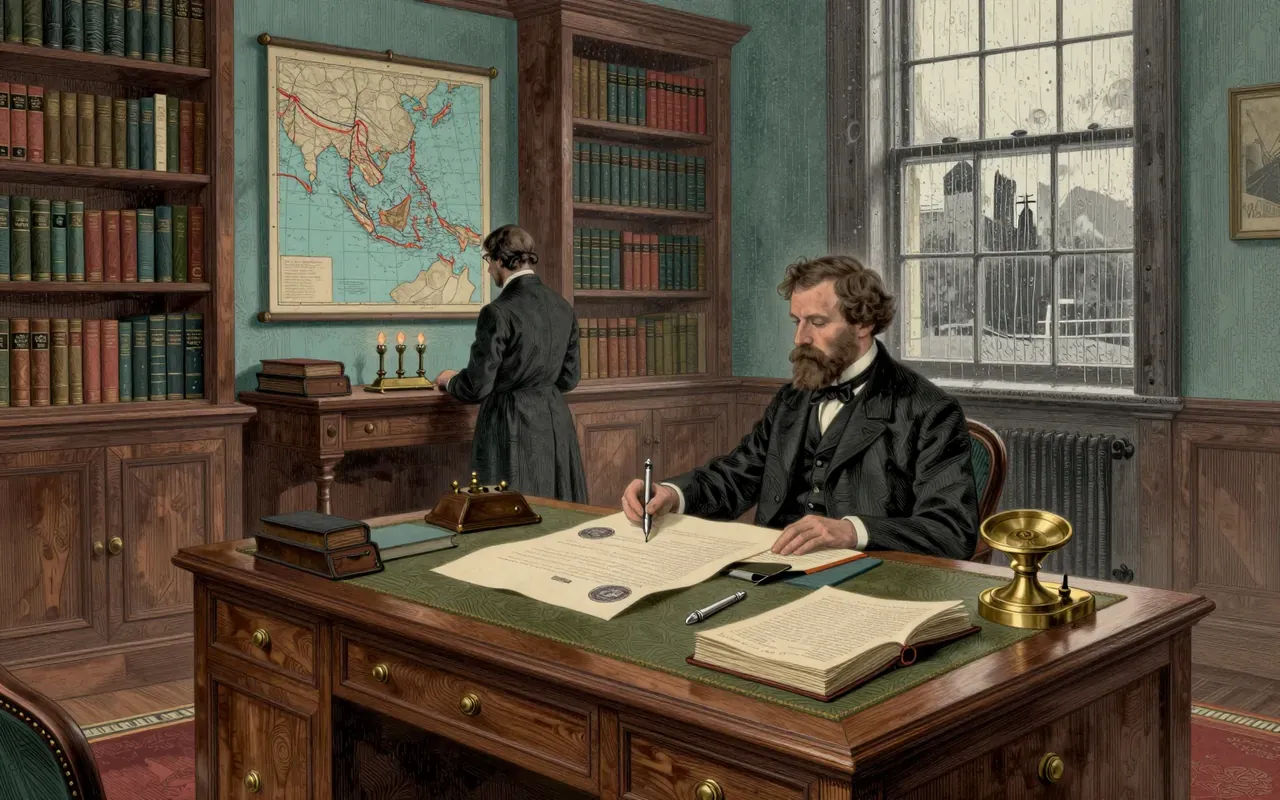
The company began not with oil, but with seashells — a branding decision that outlived its origin.
2:23
How it stays big
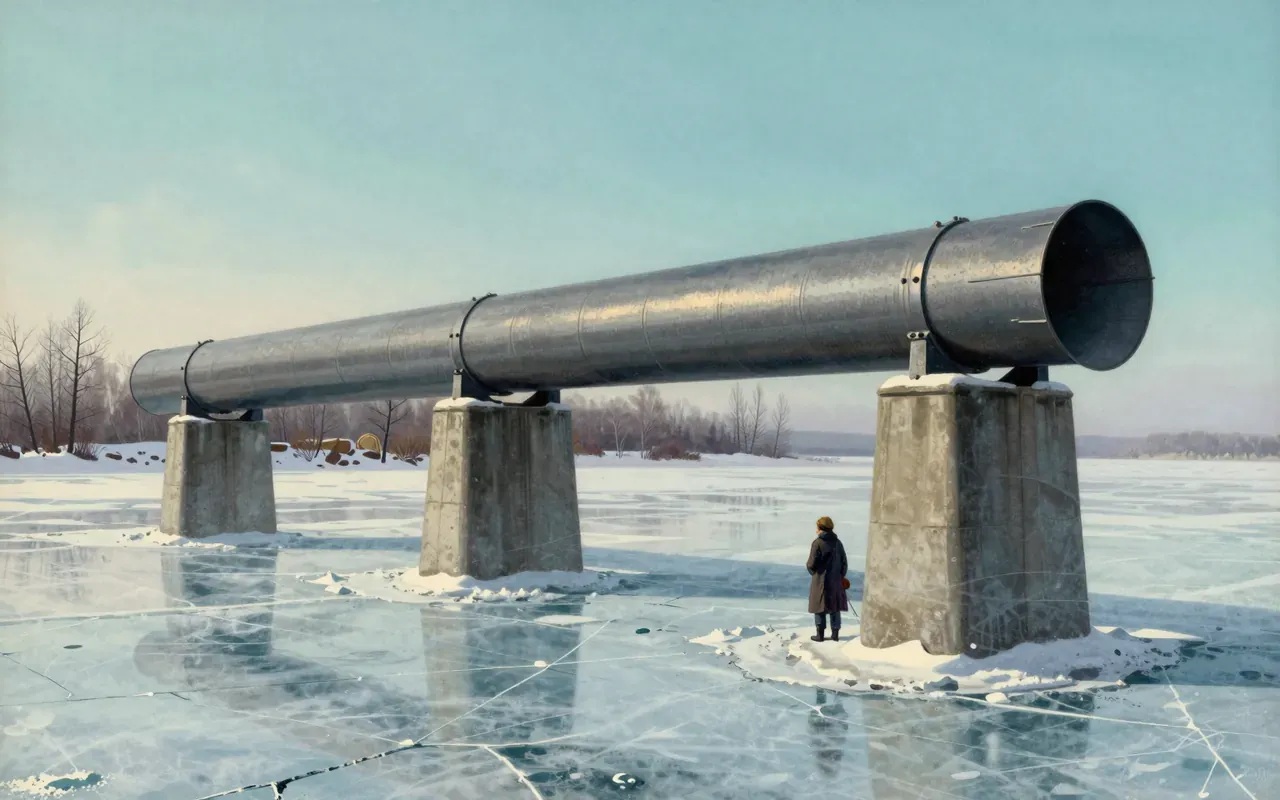
Shell’s power comes from controlling every link in the chain — not from any single technology or discovery.
3:42
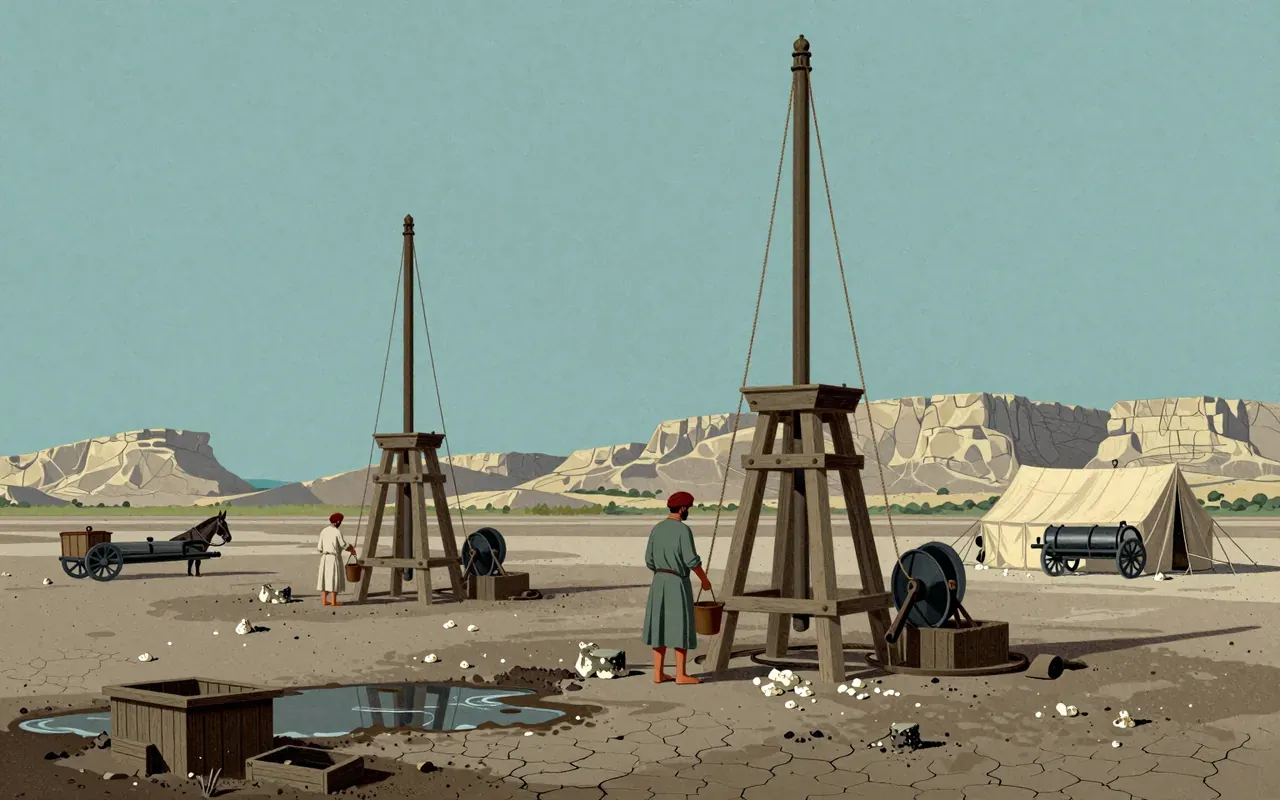
The 2004 reserves scandal
Overstating reserves wasn’t a blip — it revealed how financial credibility depends on unverifiable internal estimates.
5:16
Ninth-largest emitter (1988–2015)
Its emissions rank is a function of scale and scope — not a side effect, but the direct output of its business model.
6:26
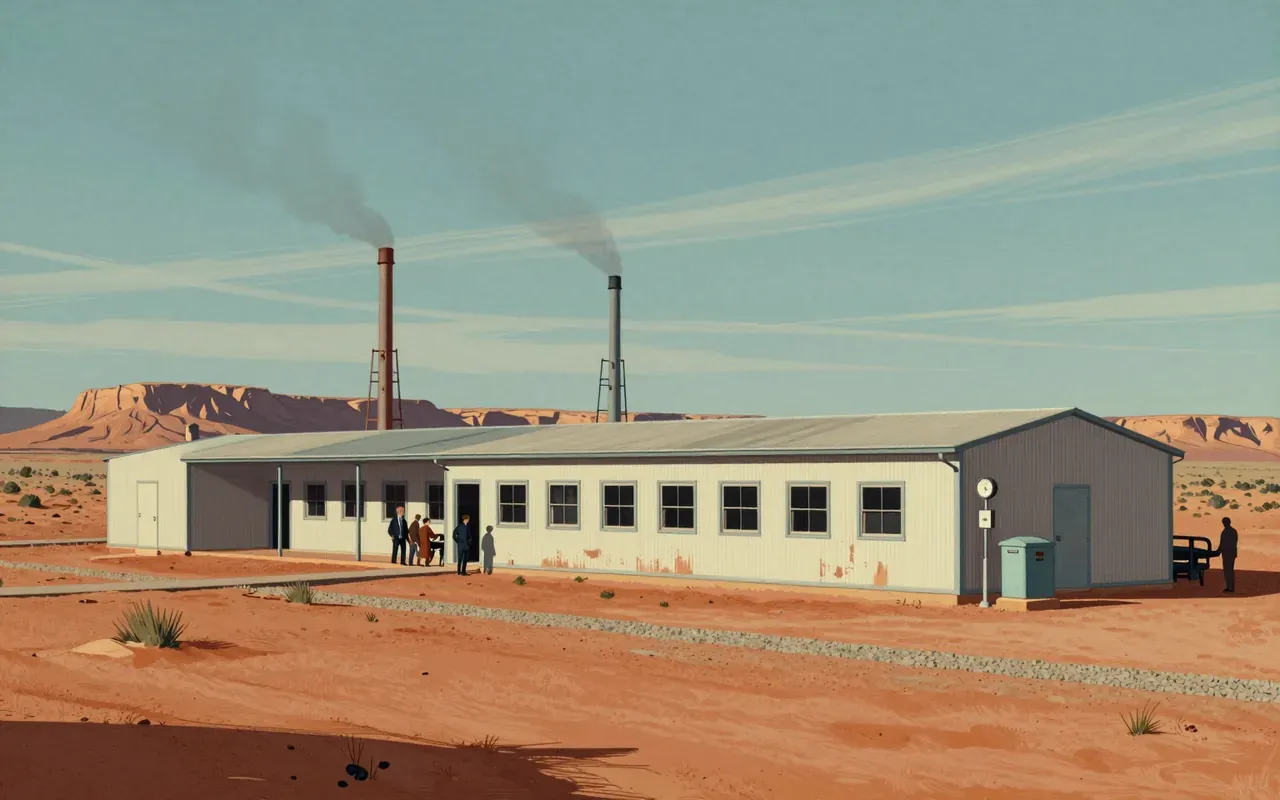
Rebranding without restructuring
Dropping 'Royal Dutch' in 2021 didn’t change operations — just the legal wrapper around the same integrated structure.
Worth your time?
Yes. Study the whole thing.
3.5/ 5
What works
scale
integration
brand-persistence
What does not
innovation
renewables
governance
Study it if
energy-policy-makers
corporate-governance-analysts
climate-accountability-researchers
Skip it if
startup-founders
tech-investors
consumer-brand-strategists
The written brief1 min read
What the company or idea is
Shell plc is a British multinational oil and gas company formed in April 1907 through the merger of Royal Dutch Petroleum Company and The ‘Shell’ Transport and Trading Company — founded in 1897 by Marcus Samuel and his brother.
How it actually makes money
Shell makes money by extracting, refining, transporting, and selling oil and gas across every stage of the value chain — from exploration to retail fuel stations and petrochemicals.
What works
Its vertical integration delivers cost control and market reach across geographies and commodity cycles — proven by its sustained position among the world’s largest emitters and most persistent oil majors.
What does not
Its climate impact is not offset by its rebranding or restructuring. Its 2004 reserves scandal exposed structural flaws in governance and reporting that persist in its emissions record.
What to take from it
Shell shows how a brand rooted in Victorian shell trading became a global energy infrastructure — not through innovation in energy, but through control of logistics, capital, and consolidation.
Is it worth your time
Yes — as a case study in vertical integration, regulatory failure, and the material consequences of corporate scale in fossil fuels.