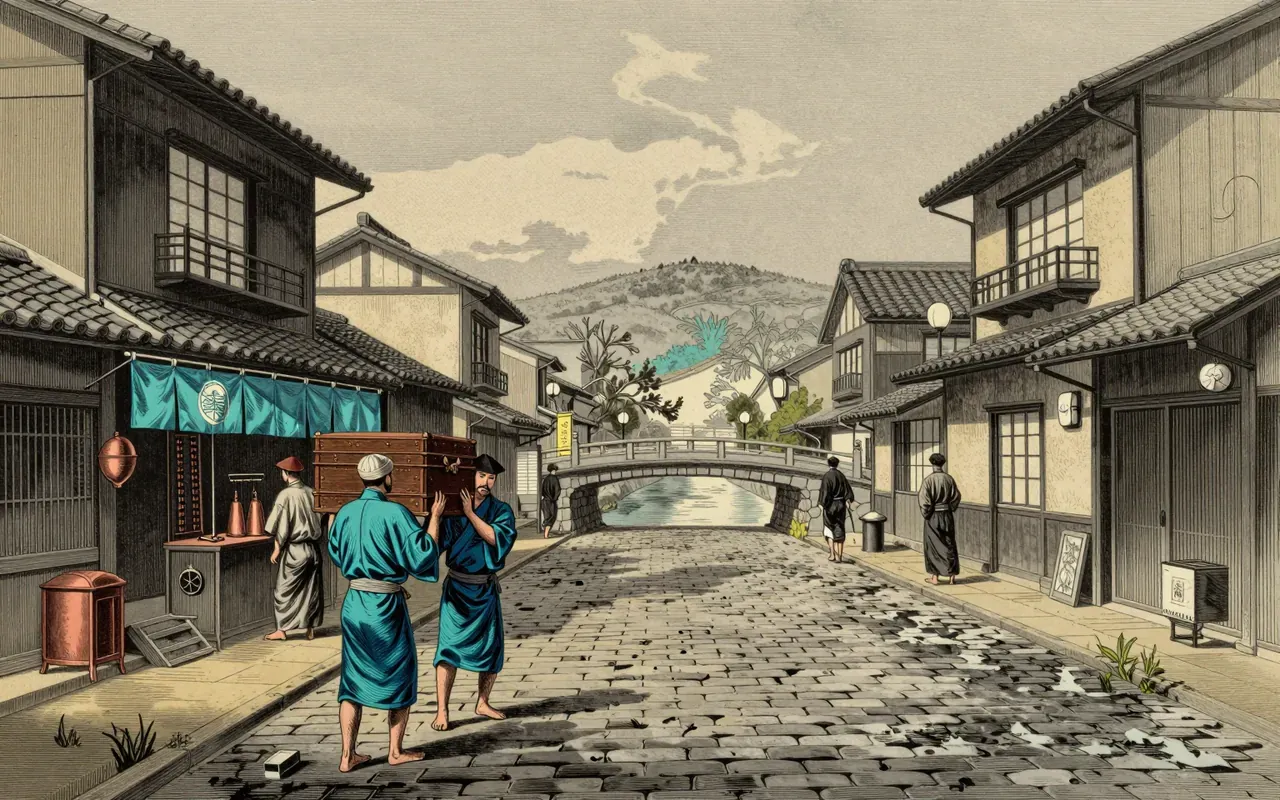
Mitsui
Mitsui didn’t invent capitalism in Japan — it weaponised Edo-period shopkeeping into a state-aligned financial empire.
Settlement, extraction and the argument still being had about both.

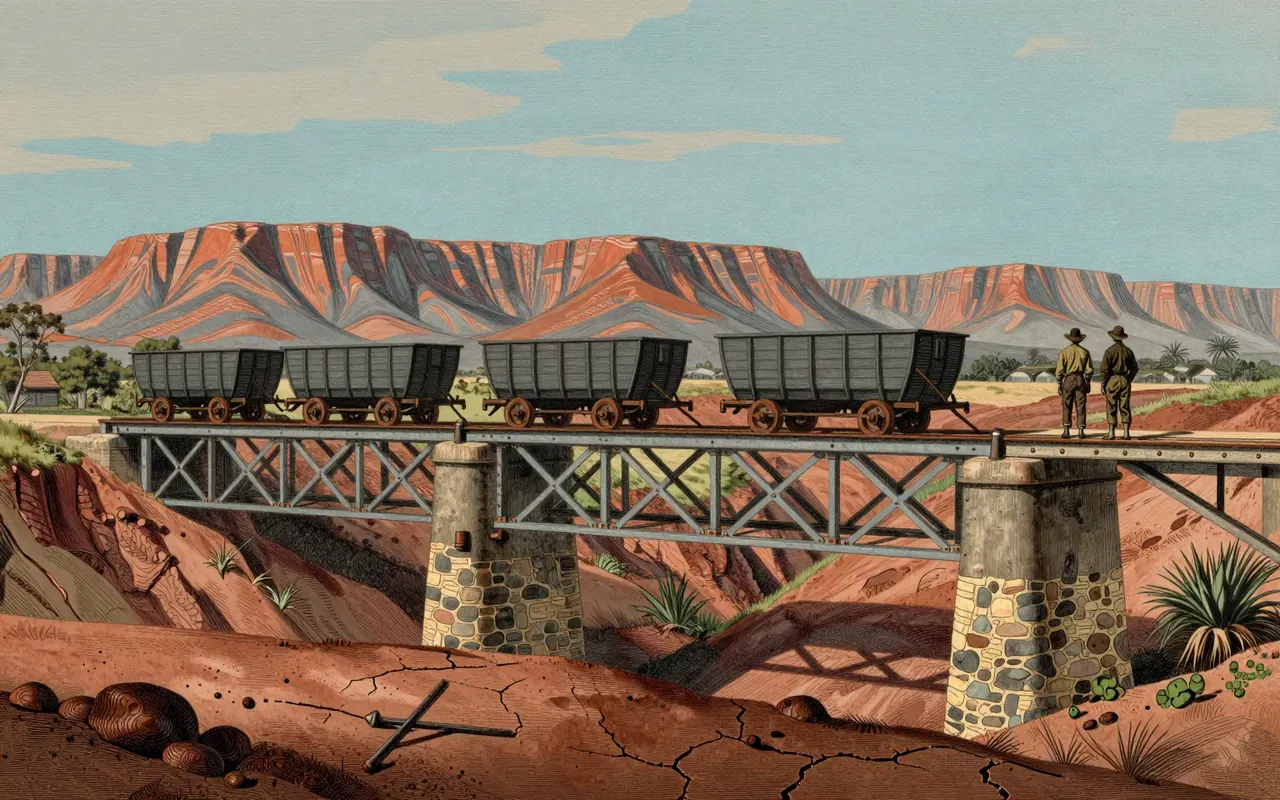
Rio Tinto is a British–Australian multinational mining company founded in 1873, headquartered in London and Melbourne, and operating globally as a major producer of copper, iron ore, aluminium, and lithium. Its history includes early dominance in Spanish copper production, strategic diversification after 1925, pivotal mergers — notably with Consolidated Zinc in 1962 and Alcan in 2007 — and extensive international expansion. The company is dual-listed on the London and Australian stock exchanges and has faced recurring criticism over environmental damage, corruption allegations (especially in Guinea), human rights concerns (e.g., Juukan Gorge), workplace culture issues, and legal challenges related to bribery and espionage. Its operational structure spans four product-based business units and numerous subsidiaries across six continents, with core assets concentrated in Australia and Canada.

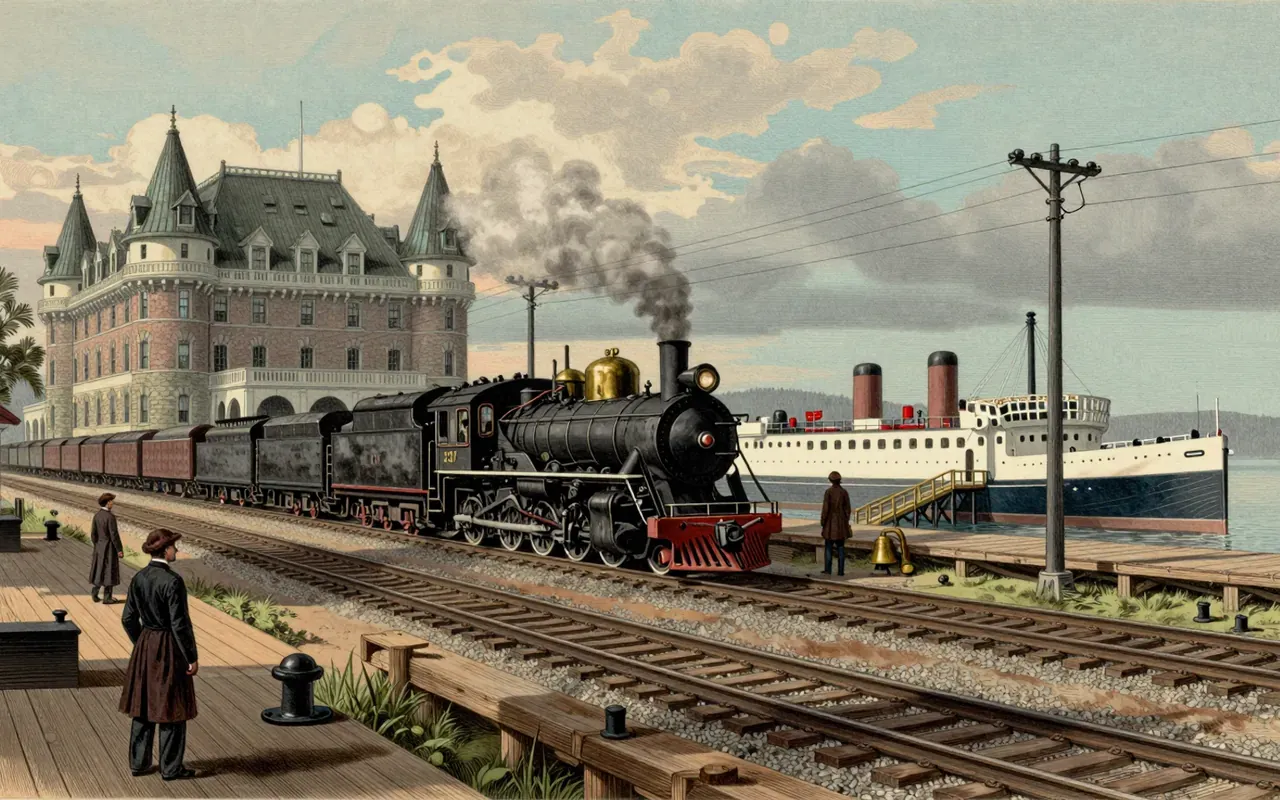
The Canadian Pacific Railway was not a startup, nor a disruptor — it was a state-contracted infrastructure monopoly, executed under tight political deadline and scaled through vertical integration. Van Horne’s genius lay not in invention but in orchestration: he turned a rail line into a self-reinforcing system of movement, messaging, lodging, and shipping — all funded by federal land grants, bonds, and tariffs, not market demand. Its success was geopolitical, not financial; its durability came from control of geography, not innovation.
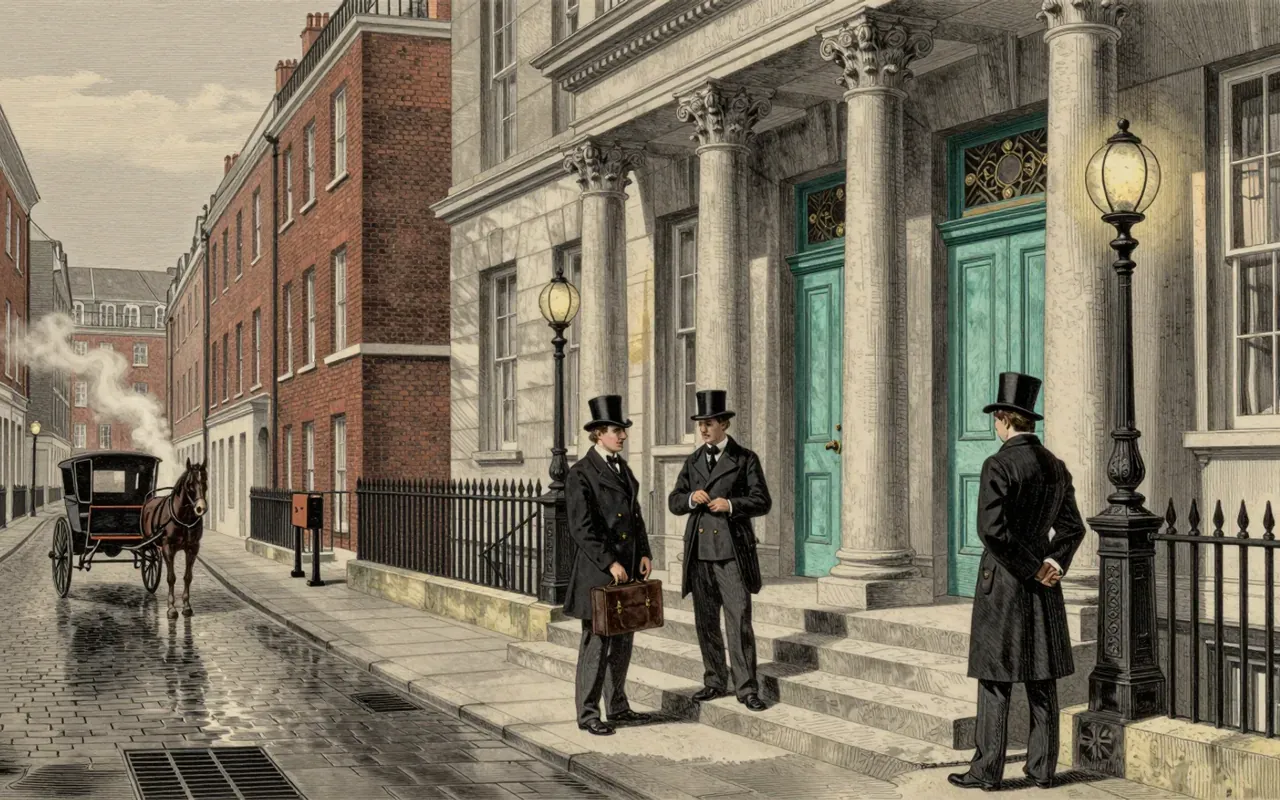
De Beers is a case study in artificial scarcity — built not on geology or technology, but on merger, capital, and contract.
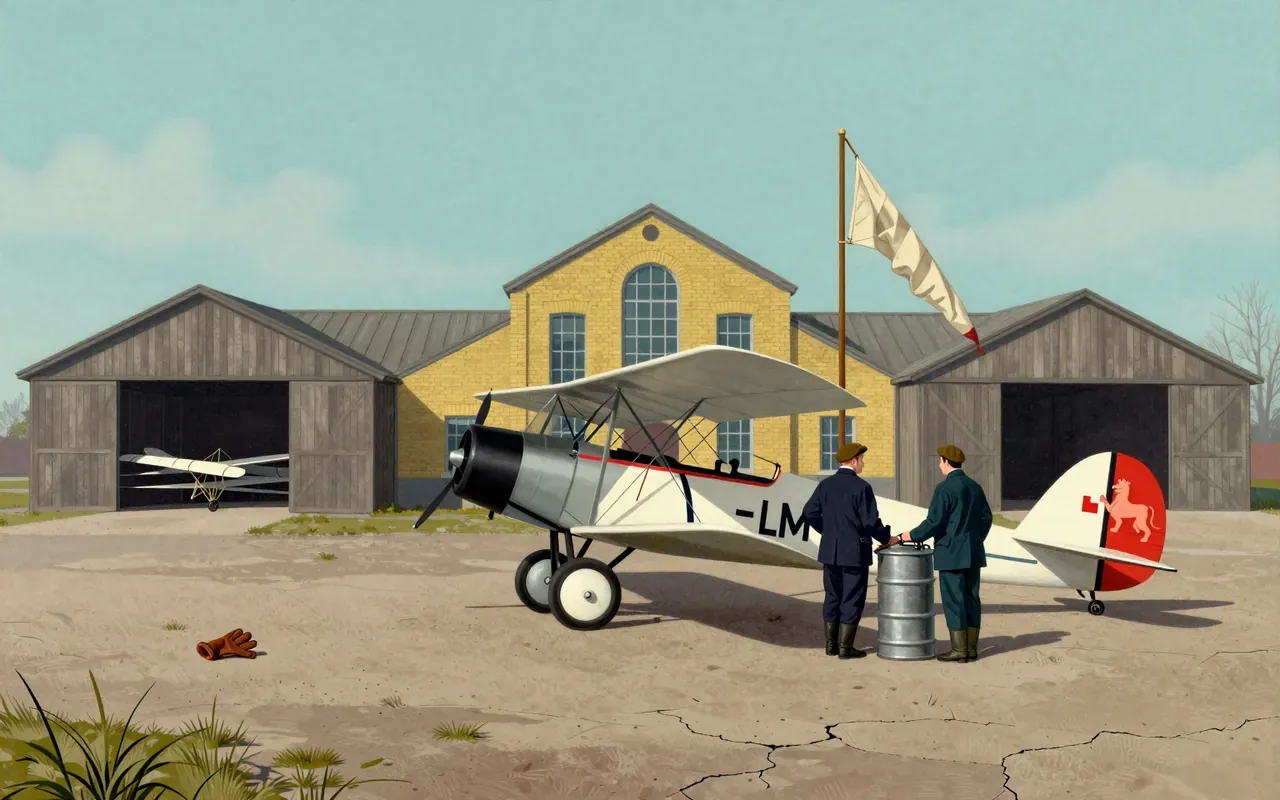
KLM was not a private venture but a state-backed aviation instrument. Its longevity stems from institutional alignment — not market innovation.

Qantas was founded as a government-enabled airmail service — not a passenger airline — and its early survival depended entirely on public infrastructure needs, not market demand.
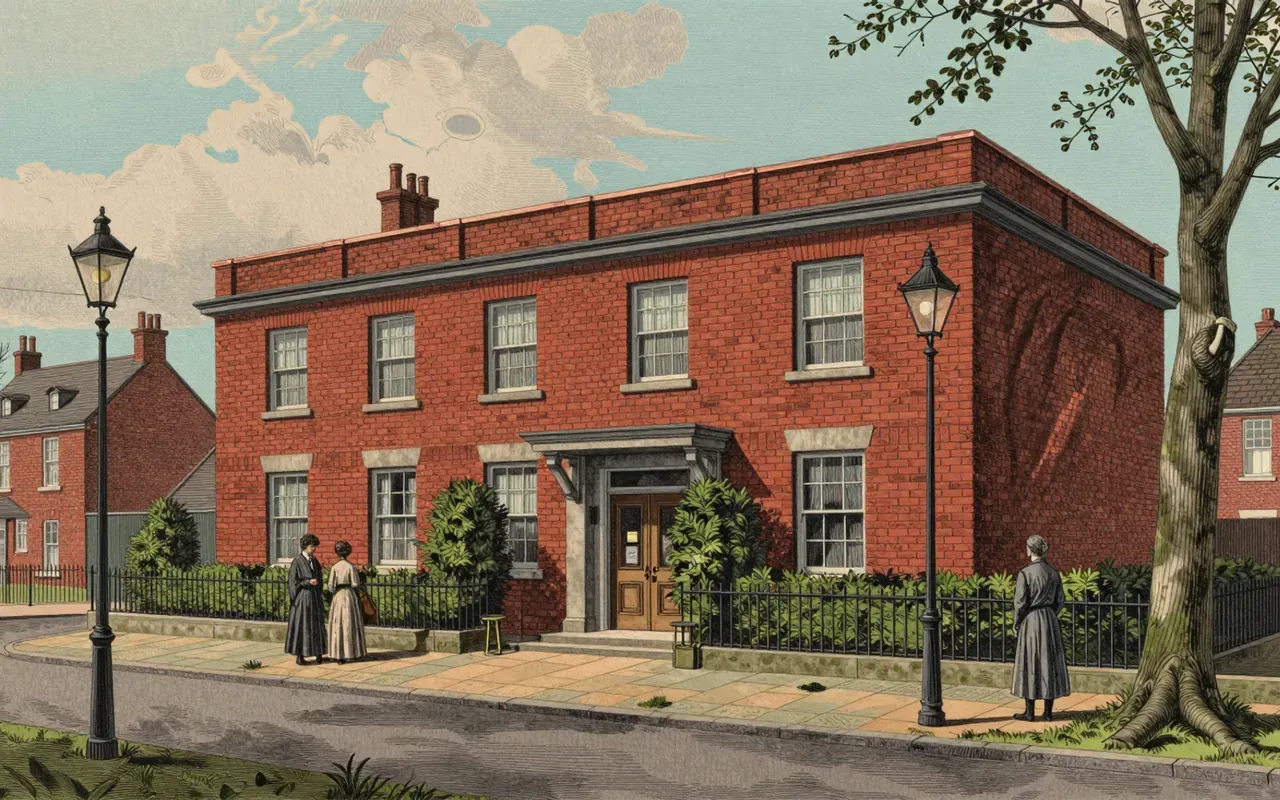
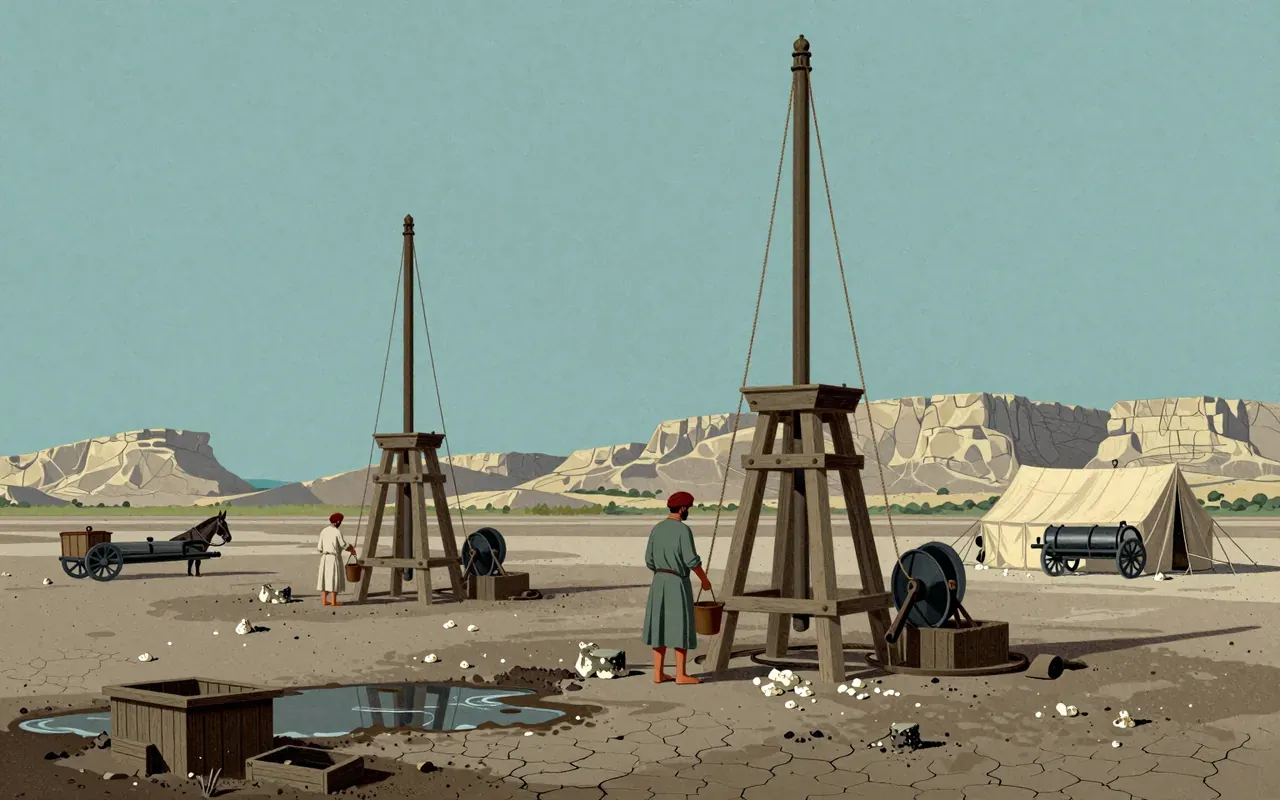
BP’s origin story is not about entrepreneurship or engineering — it is about a sovereign concession enabling extraction. Its business model depends on controlling physical assets and political access, not market creation or product innovation.
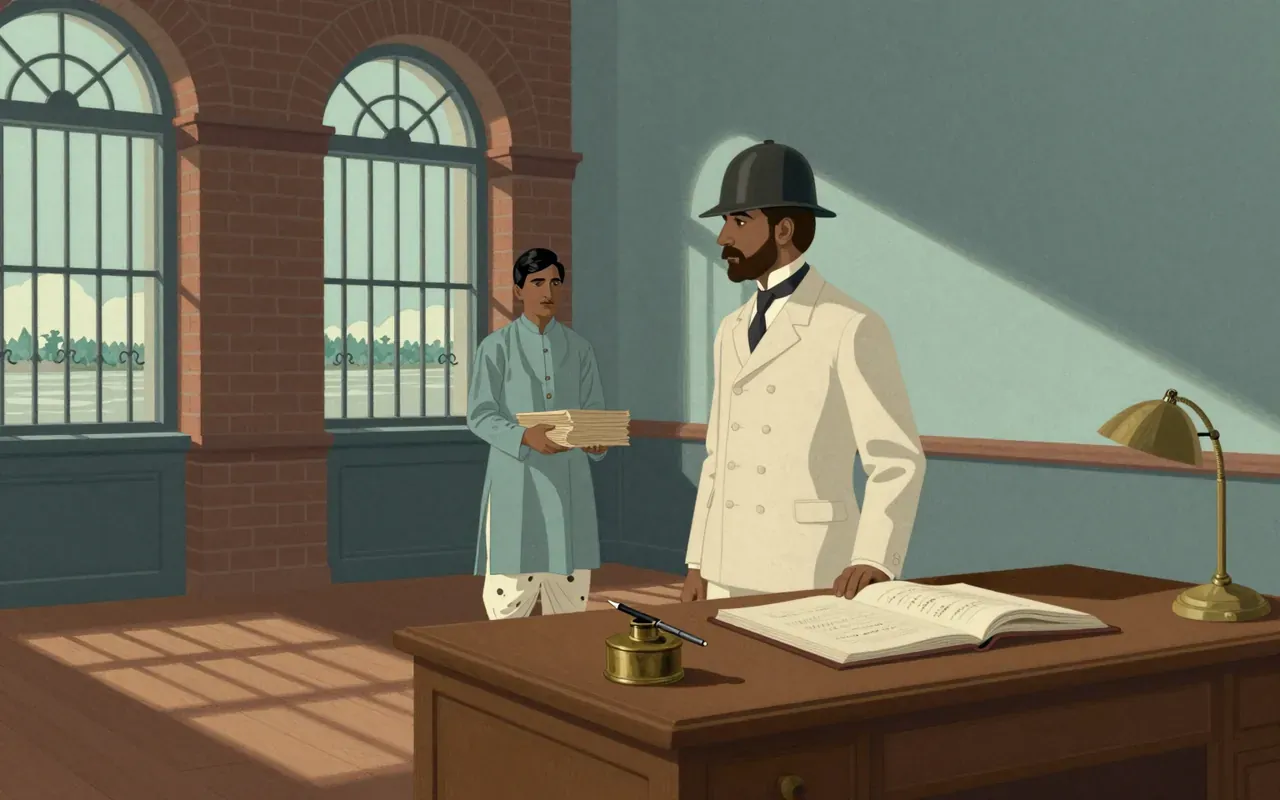
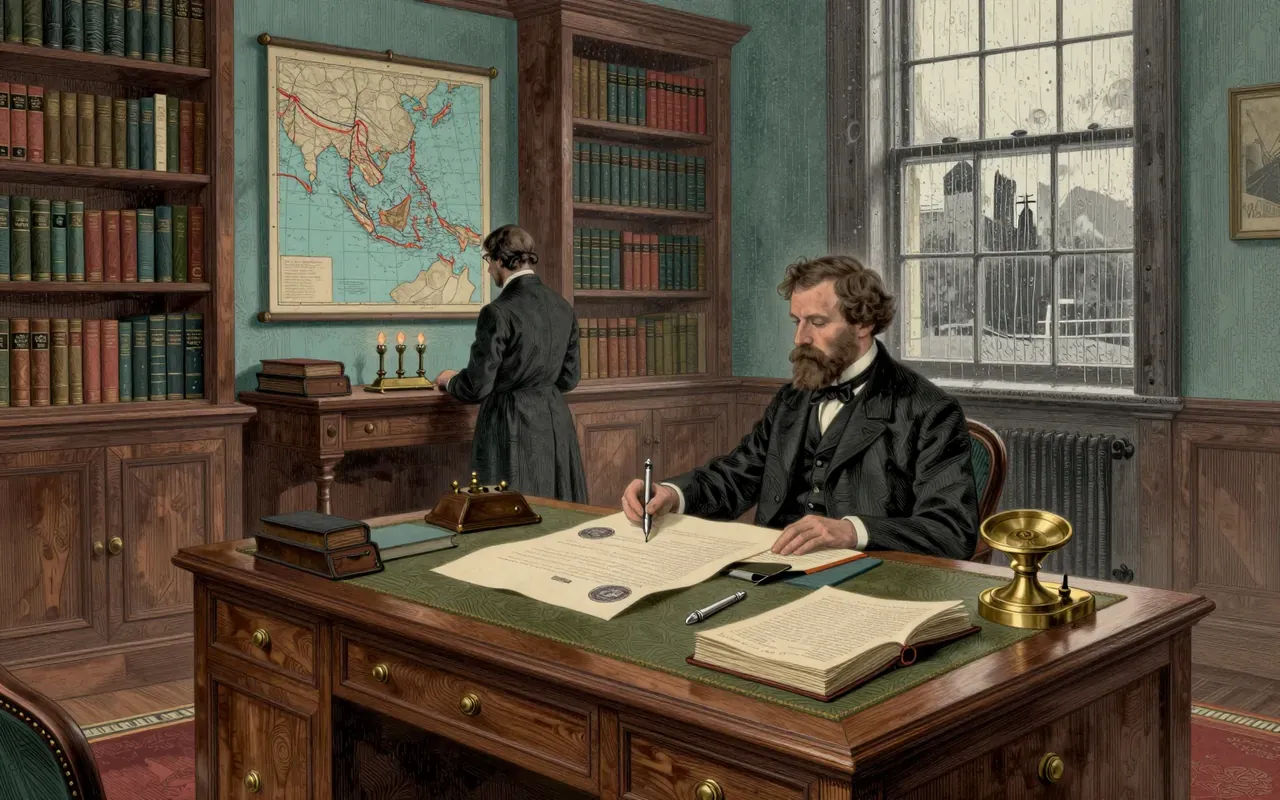
Shell plc is a British multinational oil and gas company formed in April 1907 through the merger of Royal Dutch Petroleum Company and The 'Shell' Transport and Trading Company — founded in 1897 by Marcus Samuel and his brother. It is vertically integrated across exploration, production, refining, transport, distribution, marketing, petrochemicals, power generation, and trading. It was the ninth-largest corporate greenhouse gas emitter (1988–2015). In 2004, it overstated oil reserves, triggering a £17 million fine and leadership change. In 2021, it rebranded from Royal Dutch Shell plc to Shell plc.
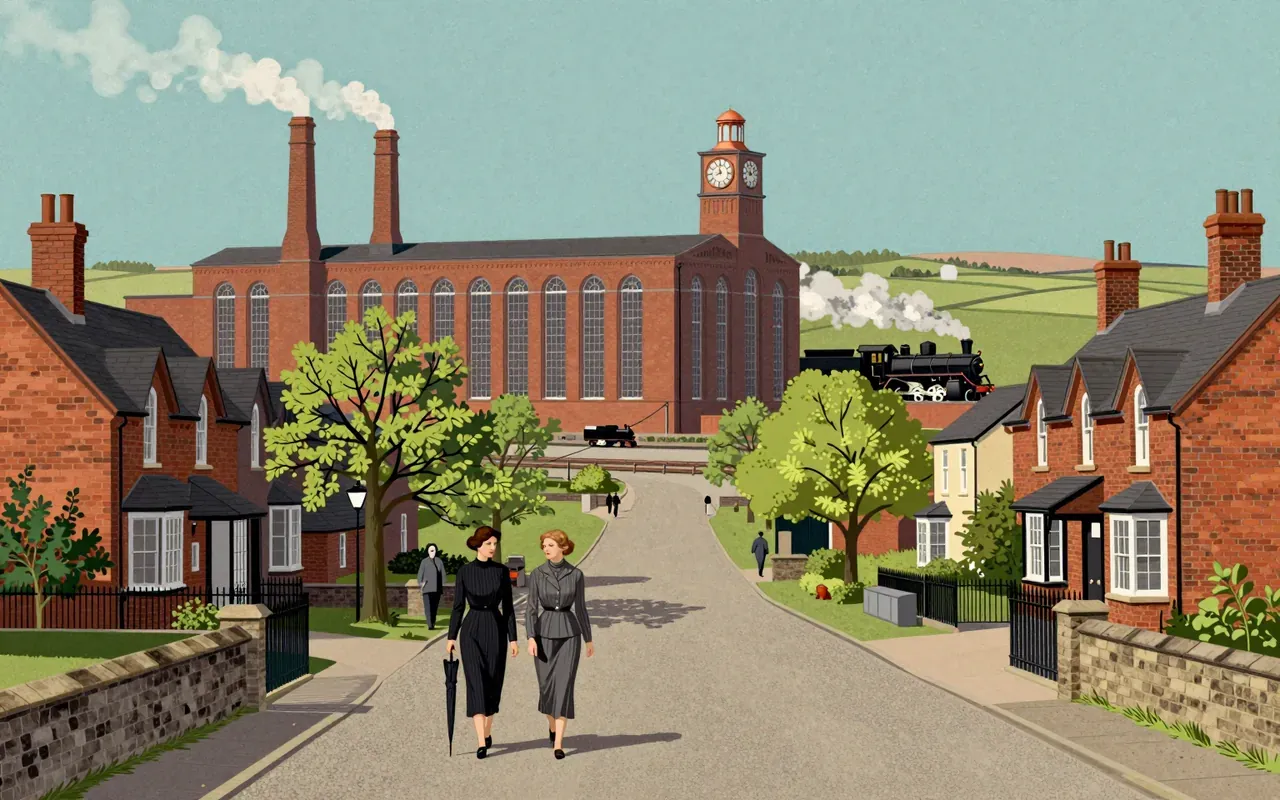
Unilever is not a modern purpose-led corporation disguised as a legacy firm — it is a legacy firm whose original mechanics (commodity sourcing, unit standardisation, trademark enclosure, paternalistic control) still define its structure, even as its marketing tells a different story.