businessbriefs
10:04in productionCh. 1 · The Concession, Not the Drill/ 10:04 · ceiling 15 min
Companies · Company stories

BP

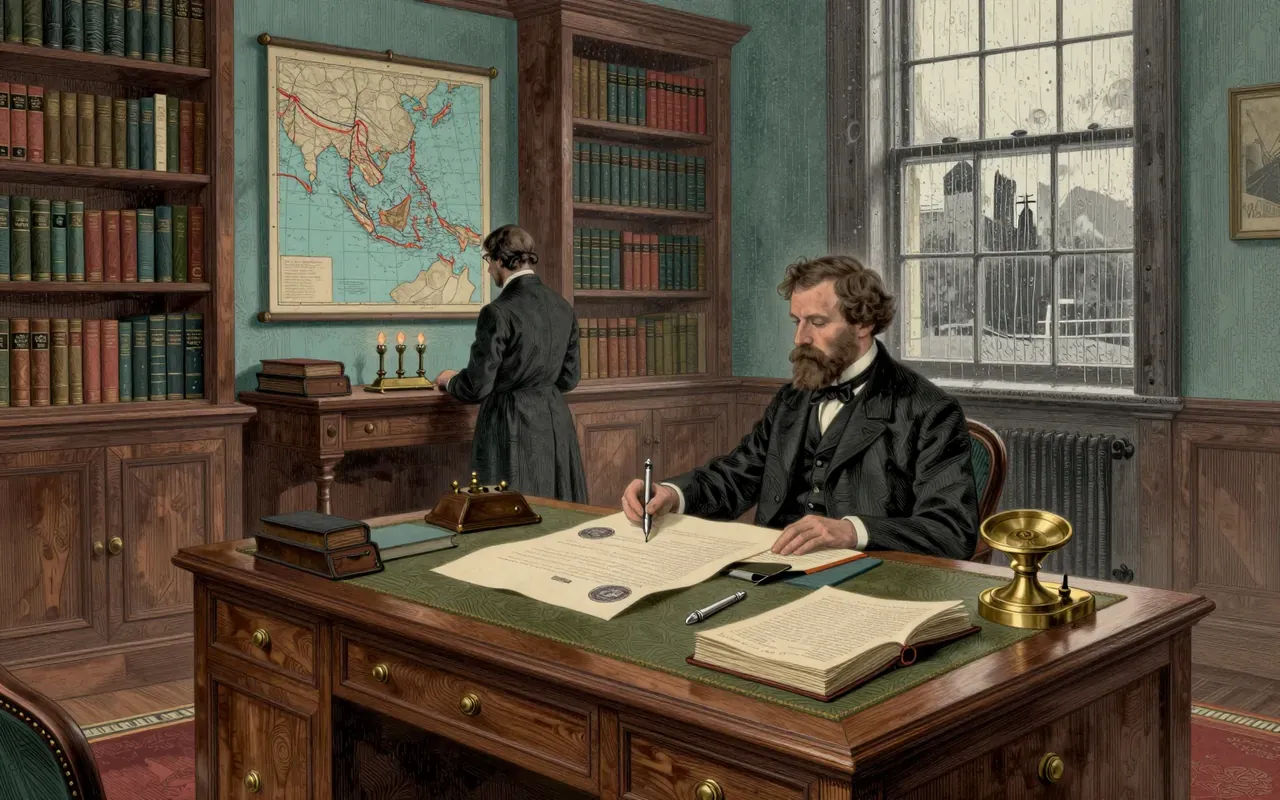
BP was not built on discovery — it was built on a concession signed in 1901 with a Persian tribal leader.

BP’s origin story is not about entrepreneurship or engineering — it is about a sovereign concession enabling extraction. Its business model depends on controlling physical assets and political access, not market creation or product innovation.

Chapters & takeaways4
  1. 1:03
    The Concession, Not the Drill

    BP’s origin lies in a 1901 contract with Ali-Qoli Khan Bakhtiari — not geology, not technology, but negotiated political access.

  2. 2:44
    One Field, One Breakthrough

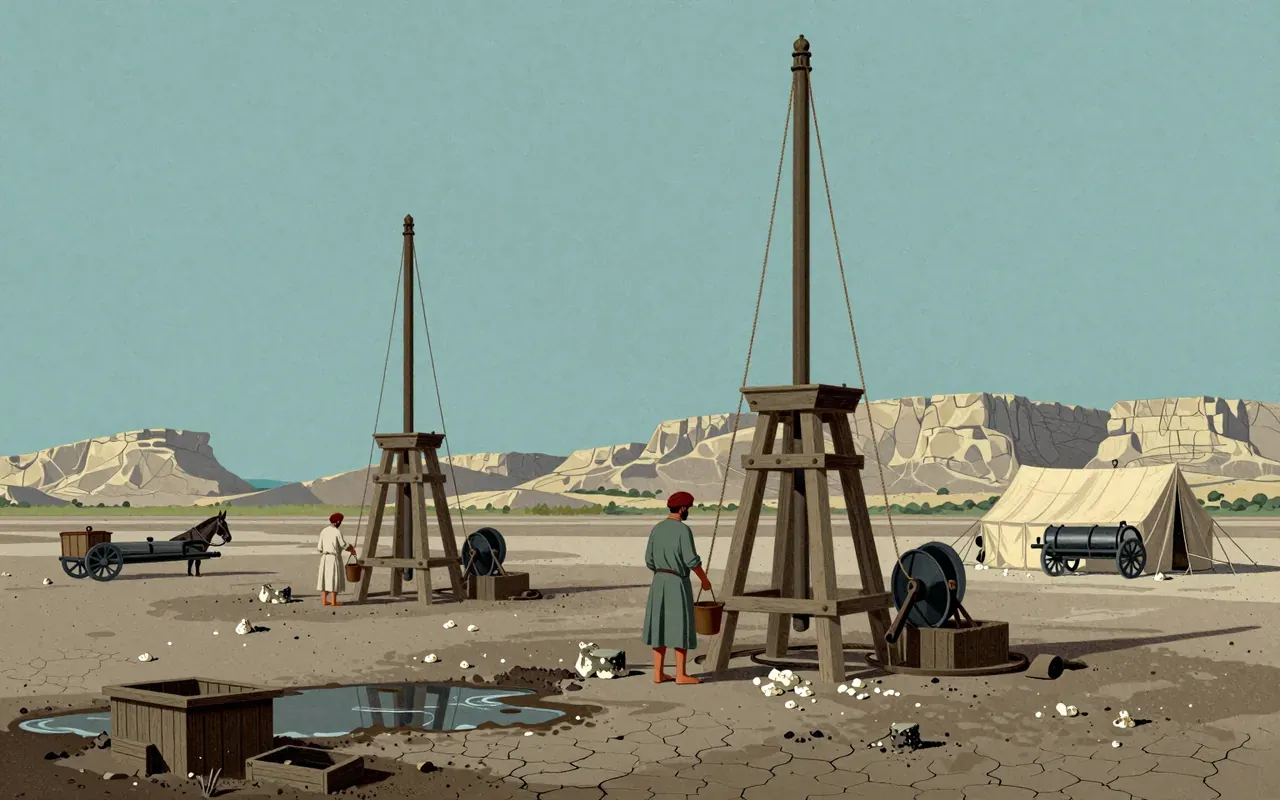
    Masjed Soleyman in 1908 was the first commercially significant oil find in the Middle East — and BP’s sole foundational asset.

  3. 4:46
    Vertical Integration Followed Access

    BP operates across the full oil and gas value chain — exploration to trading — but that integration began only after securing sovereign rights, not before.

  4. 6:22
    Founder as Concession Holder, Not Operator

    William Knox D’Arcy founded the Anglo-Persian Oil Company in 1909 and served as its first director — but he did not build the refinery, pipeline, or fleet.

Worth your time?

Yes. Study the whole thing.

4.5/ 5
What works
  • as a case study in concession-based capital formation
  • as evidence of how state-granted rights precede vertical integration
  • as a counter-narrative to founder-myth entrepreneurship
What does not
  • invention
  • technology
  • market creation
Study it if
  • historians of capitalism
  • energy policy analysts
  • students of postcolonial economics
Skip it if
  • startup founders
  • tech investors
  • product managers
The written brief1 min read

What the company or idea is

BP is a British multinational oil and gas company, vertically integrated and headquartered in London, tracing its legal and operational lineage directly to the Anglo-Persian Oil Company founded in 1909.

How it actually makes money

BP makes money by extracting, refining, and selling oil and gas across the entire value chain — from exploration and extraction to refining, distribution, marketing, power generation, and trading.

What works

The vertical integration model worked: BP controlled access to the first commercially significant Middle Eastern oil field at Masjed Soleyman (1908), secured by D’Arcy’s 1901 concession, and turned it into sustained revenue through state-anchored rights and infrastructure.

What does not

It does not originate in technological invention, market insight, or entrepreneurial risk alone — its founding depended on a sovereign concession granted by Ali-Qoli Khan Bakhtiari in 1901, not competitive advantage or private discovery.

What to take from it

The gap between BP’s self-presentation as a pioneering energy company and its actual origin — a concession-based extractive vehicle backed by imperial infrastructure — is the core lesson.

Is it worth your time

Yes — as a case study in how colonial-era resource concessions became the foundation of a modern multinational, it reveals the mechanics of state-backed extraction, not innovation or disruption.
Same desk · Companies4 of 164
Up next in Business

Brian Chesky

· 9:30

Airbnb wasn’t built on vision—it was built on rent arrears, cereal boxes, and crashed websites.

9:30