
Gabe Newell
Gabe Newell left Microsoft in 1996 to found Valve, the game company whose Steam service came to carry most of its revenue.



Birks Group is the legal successor to Henry Birks and Sons — a Canadian jeweller founded in 1879, vertically integrated from design to retail, with manufacturing roots in Roden Bros. and national reach built through owned stores and co-branded acquisitions. Its 2005 merger with Mayors was a structural consolidation, not a new beginning.

Ferrari is a racing operation that sells cars — not the reverse. Its business model depends on using road-car revenue to fund Scuderia Ferrari, which in turn validates the brand, justifies price premiums, and dictates engineering direction. It was never financially self-sustaining in racing alone. Enzo Ferrari maintained control of racing through every ownership change — including Fiat’s 1969 investment — because that control was the source of legitimacy, not the cars.

Free is a vertically integrated French ISP that built its own networks, hardware, and pricing model — rejecting reliance on incumbents and subscription lock-in. It achieved profitability and low churn through infrastructure control and disciplined bundling, not venture funding or hype.

Takeda’s origin story is misaligned with its present identity: it began as a repackaging merchant, not a drug developer. Its longevity reflects adaptability, not continuity.

Johnson & Johnson began as a vertically integrated supplier of standardised, sterile medical consumables — selling trust, training, and readiness, not cures.
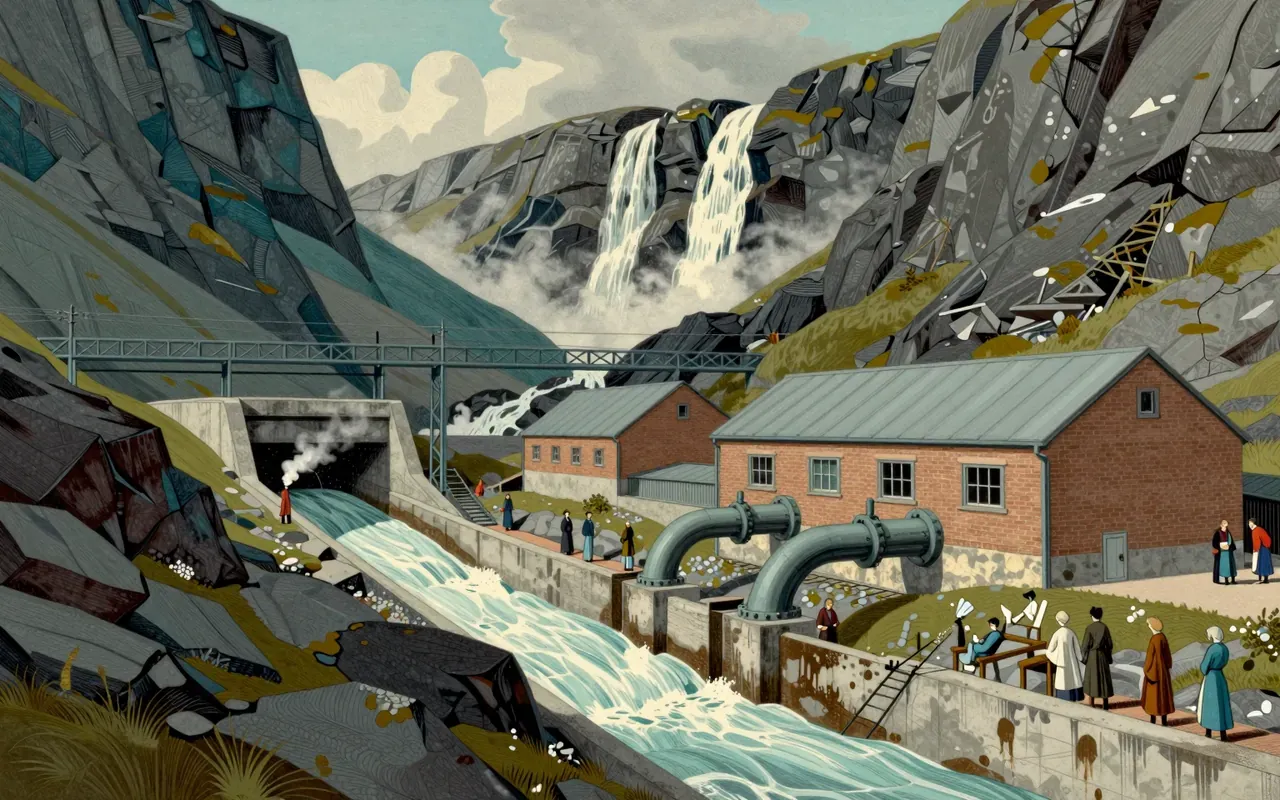
Norsk Hydro began as a single-purpose vehicle for Birkeland’s nitrogen-fixing arc — a physics experiment turned factory. Its early dominance came not from IP or management, but from locking in Norway’s hydropower geography. It survived obsolescence not through reinvention, but by ceding chemical control to IG Farben. Its WWII role — sole European heavy water producer — was accidental infrastructure reuse. Its current aluminium and renewables business shares no technology with its origin, only its dams, debt, and place.

Peterbilt is a case study in acquisition-led industrial continuity: a timber operator bought a defunct truck maker to solve local hauling problems, engineered narrowly effective solutions, scaled only when external demand (military) appeared, and exited when land value exceeded truck value. Its legacy lies in execution, not vision.

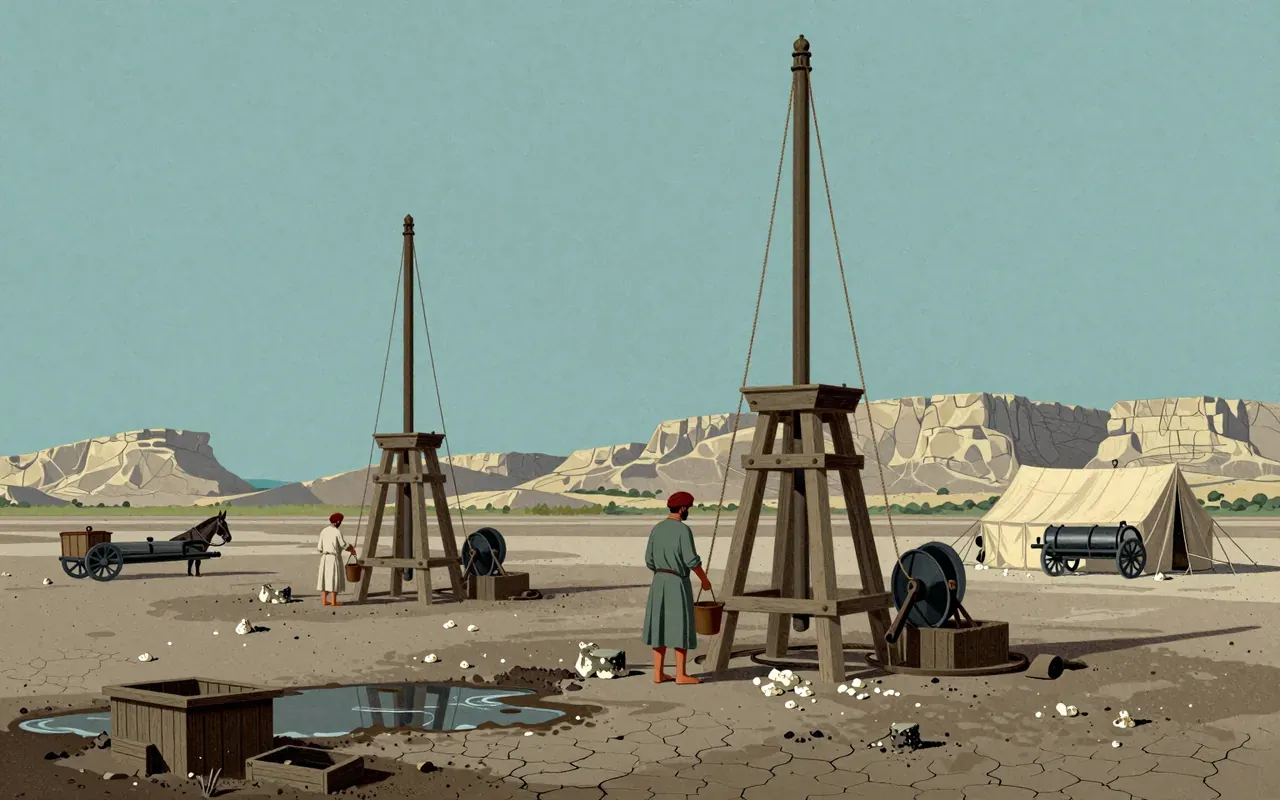
BP’s origin story is not about entrepreneurship or engineering — it is about a sovereign concession enabling extraction. Its business model depends on controlling physical assets and political access, not market creation or product innovation.

Danone’s origin is a tightly documented sequence: a Barcelona workshop, a legal name fix, physician validation, pharmacy distribution, then expansion. No funding rounds, no founder mythmaking — just regulatory adaptation and clinical credibility turned into commerce.
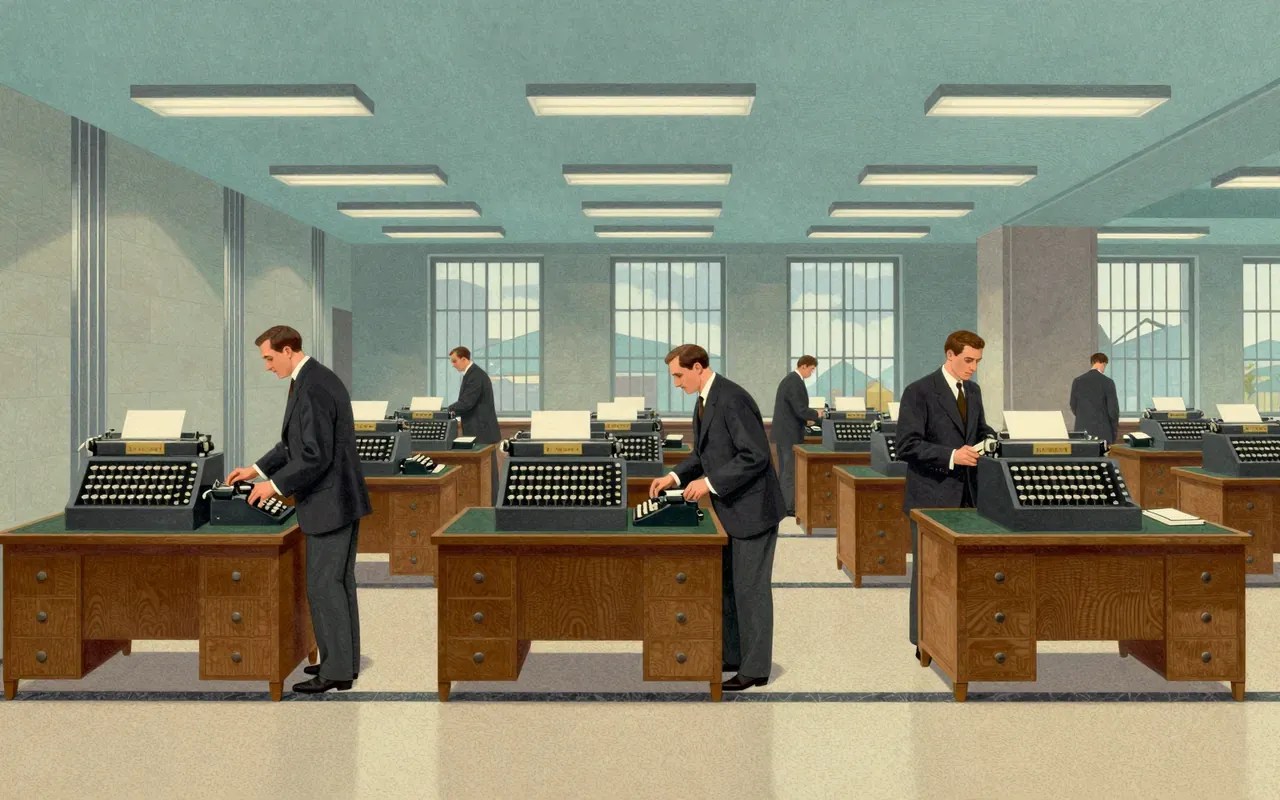
IBM under Thomas J. Watson Sr. was a sales-and-leasing enterprise built on punched card tabulators — not computing. Its dominance relied on vertical control, not technical novelty. That control was dismantled by antitrust action in 1936. Everything else — System/360, AI, PCs — belongs to a later era.
Infosys is a textbook example of policy-led scaling: no proprietary tech, no venture funding, no market creation — just disciplined execution on a regulatory opportunity.

Unilever is not a modern purpose-led corporation disguised as a legacy firm — it is a legacy firm whose original mechanics (commodity sourcing, unit standardisation, trademark enclosure, paternalistic control) still define its structure, even as its marketing tells a different story.
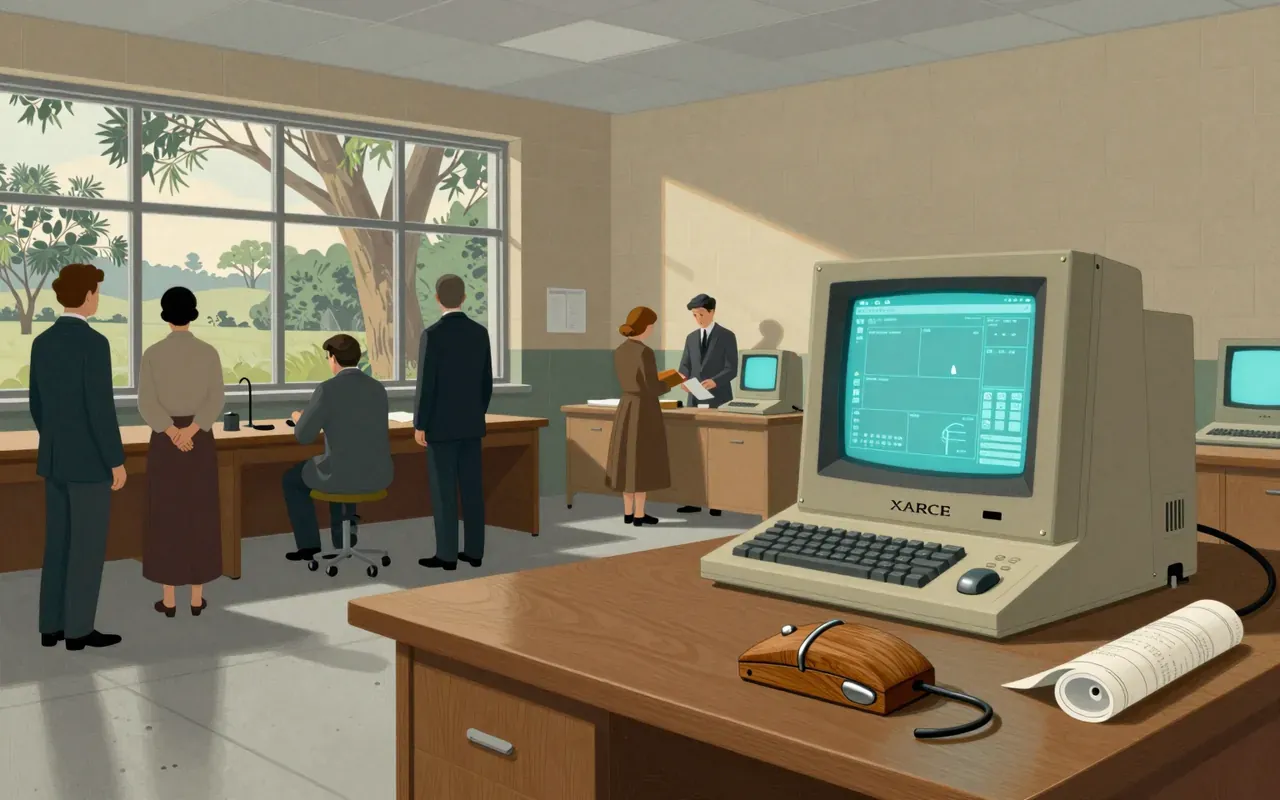
Xerox pioneered the photocopier market starting with the Xerox 914 in 1959; Joseph C. Wilson signed an agreement in 1946 to develop Chester Carlson's invention commercially; before the 914, Xerox tested the market with the Flat-plate 1385 prototype, which proved nonviable due to slow speed; the 914—the first plain paper photocopier—was developed by Carlson and John H. Dessauer; researchers at Xerox and PARC invented key personal computing elements including the GUI, mouse, and desktop computing; Xerox opened PARC in 1970; and Gary Starkweather invented the laser printer in 1969 by modifying a Xerox 7000 copier.
Visa is a payment infrastructure built on delegation: banks issue cards, Visa provides the rails and branding, and consumers pay fees embedded in every transaction. Its 1970 restructuring into a member-owned, decentralised association — conceived and led by Dee Hock — was a deliberate rejection of hierarchy. Yet its 2025 volume ($14.2 trillion) reflects not distributed decision-making but tightly coordinated standards enforcement. The ‘chaordic’ ideal remains descriptive, not operational.

Nokia's origin is industrial infrastructure, not digital ambition. Its longevity stems from disciplined capital management — not visionary foresight.

OpenAI is a public benefit corporation whose legal structure separates nominal mission stewardship (26% nonprofit ownership) from actual control and value capture. Its market impact is real—ChatGPT became the fifth-most-visited site globally—but its $852bn valuation reflects investor appetite for AI infrastructure access, not verified unit economics, revenue, or margin discipline. Microsoft’s $13bn investment funds development but does not constitute revenue. The gap between OpenAI’s self-description as a public benefit entity and its operational reality is structural—not incidental.
PepsiCo is a post-1965 corporate construct. Its name recalls, but does not continue, Caleb Bradham’s 1893 pharmacy invention — a digestive soda that failed because of commodity price risk, not brand weakness.
Toyota’s founding was a licensed, capital-backed industrial pivot — not a startup story.

Volkswagen was a Nazi state project designed by Ferdinand Porsche, funded by coerced public savings, and diverted entirely to military production. Its 'people’s car' promise was broken before delivery — yet its engineering outlived its ideology.