What the company or idea is
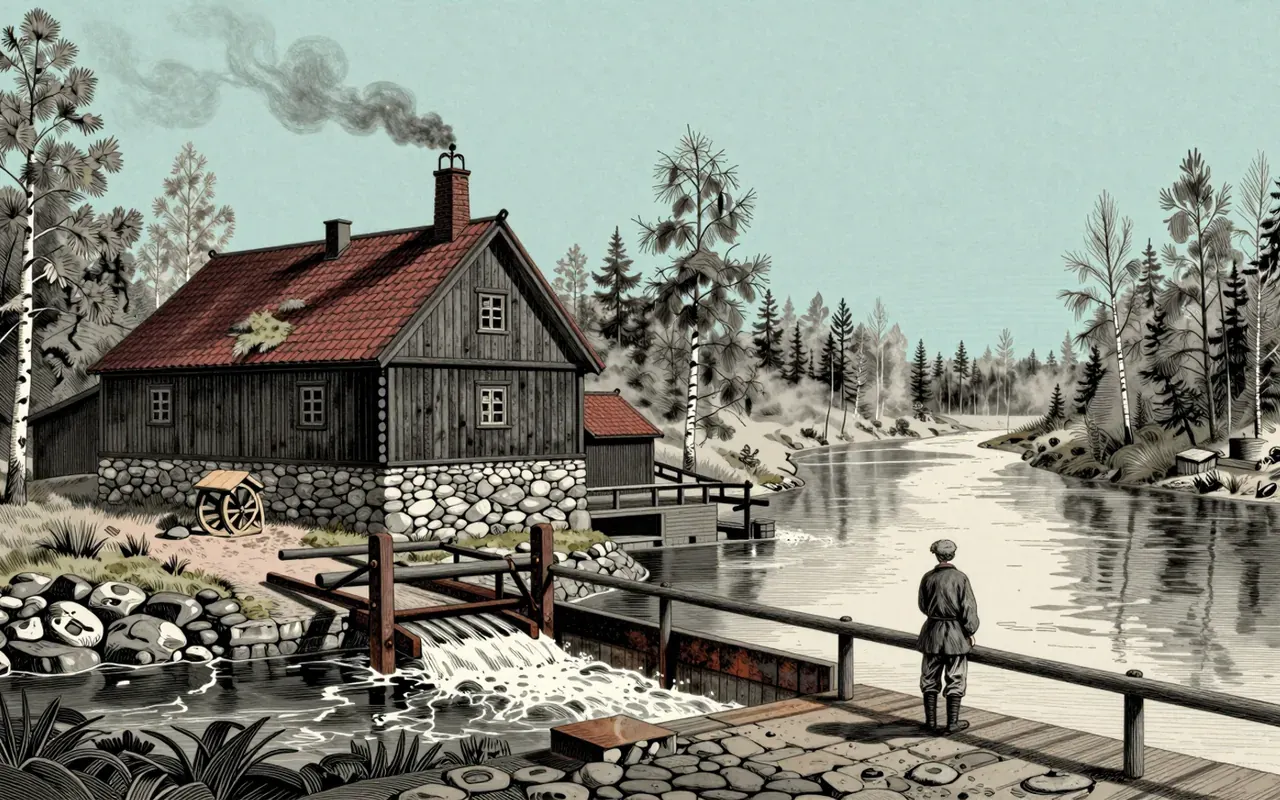
Nokia is a Finnish industrial conglomerate founded in 1865 as a groundwood pulp mill near Tampere, renamed and incorporated in 1871, and restructured into its modern form only in 1967.
How it actually makes money
Nokia made money by manufacturing and selling groundwood pulp and paper, then later cables, rubber goods, and electronics — but none of those revenue streams existed before the 1967 merger.
What works
Fredrik Idestam’s financially cautious management avoided crises during heavy investment, secured early adoption of wood-based paper by Finnish newspapers, and won international recognition at the 1867 Paris World Exhibition.
What does not
Nokia did not invent mobile telephony. Its mobile phone business began only in 1979, 114 years after its founding, and depended entirely on a joint venture, not internal R&D.
What to take from it
The gap between Nokia’s origin story and its later identity reveals how corporate continuity is often retrospective — a legal shell preserving a name while discarding nearly all original operations and markets.
Is it worth your time
Yes — as a case study in how industrial discipline, geographic advantage, and cautious capital allocation built a foundation that outlived its original purpose.