Angang Steel
A 'joint-stock' company that answers to the State Council isn’t a market actor—it’s an administrative unit with a balance sheet.
What everything runs on, noticed only when it fails.
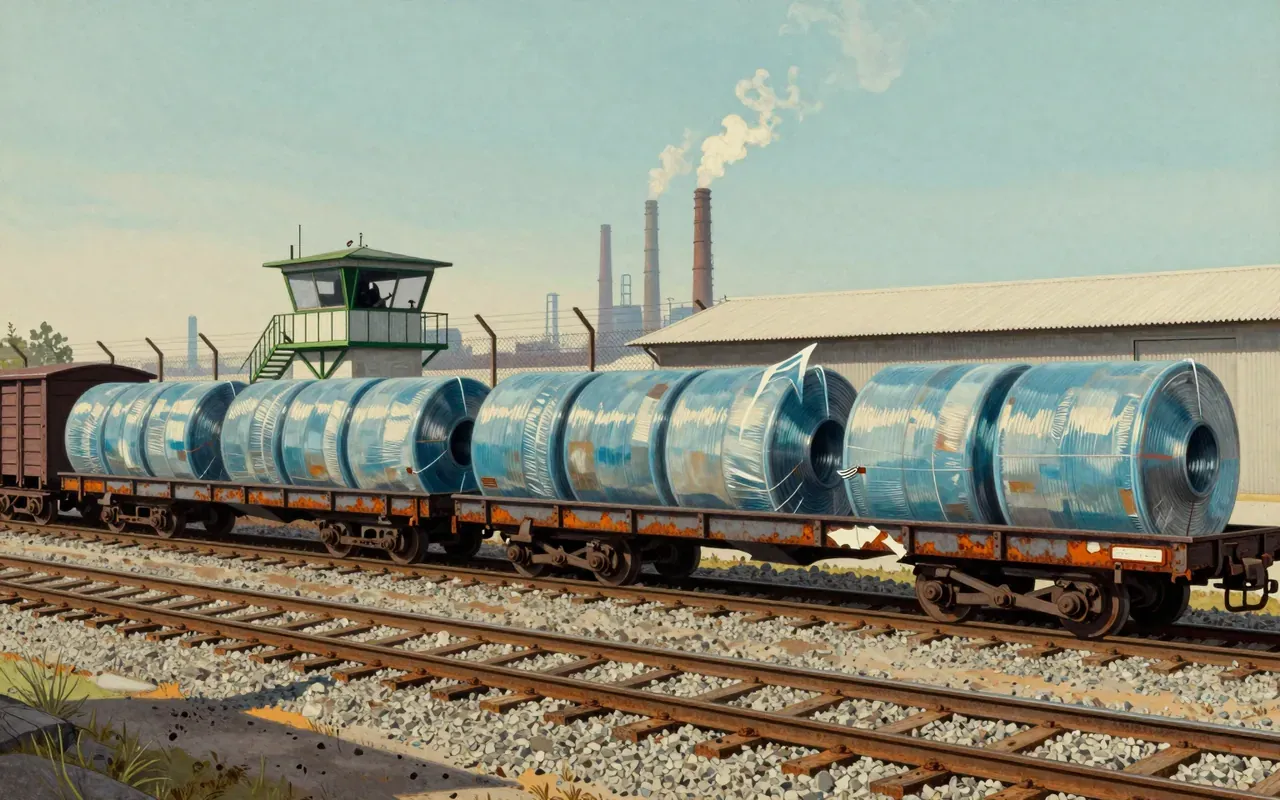
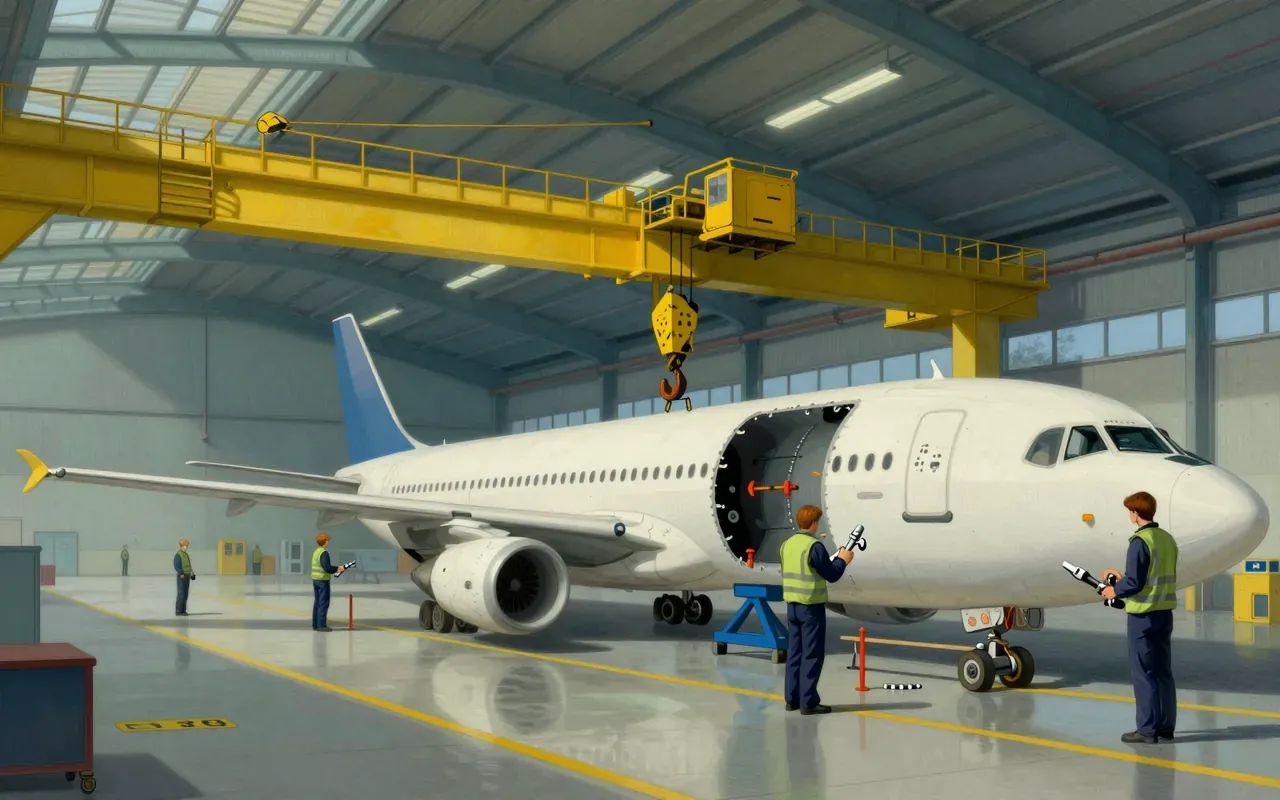
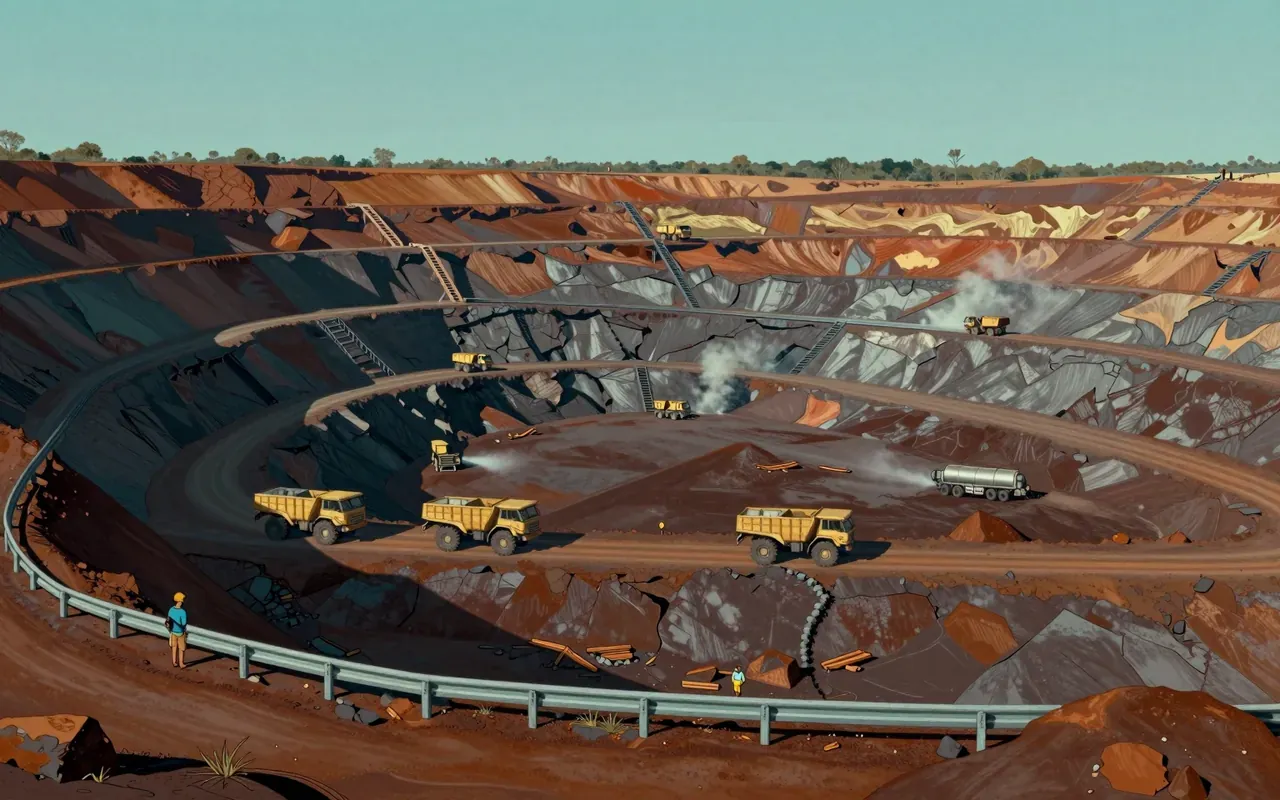
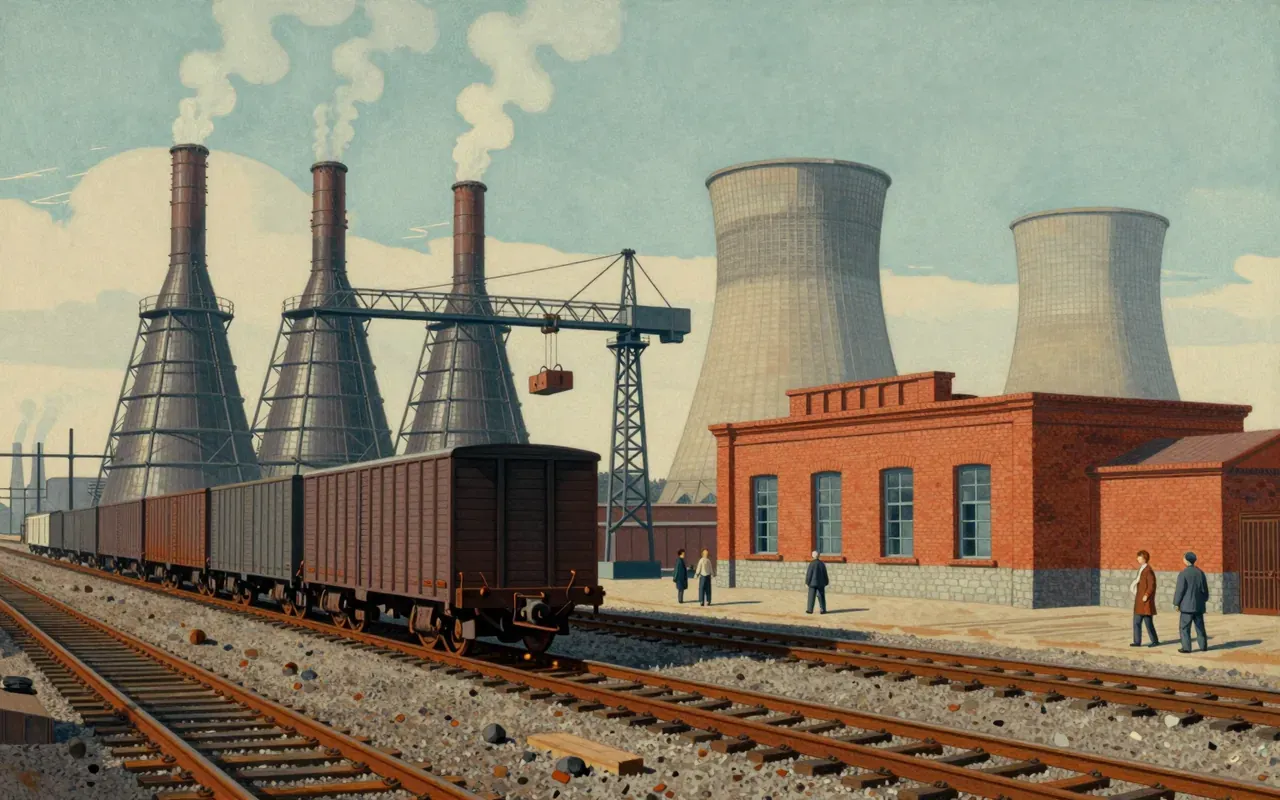
ArcelorMittal is the world’s second-largest steelmaker — a $33 billion hostile merger of Mittal Steel and Arcelor in 2007. It operates across mining, smelting, and recycling in 14 countries. In 2025, it produced 55.6 million tons of steel against 74.6 million tons of capacity — 53% in Europe, 40% in the Americas. It sources 72% of its iron ore and 91% of its coke internally. The Mittal family surrendered control to close the deal. It is not a technology company. It is not growing. It is a vertically integrated commodity producer whose scale is structural, not strategic.



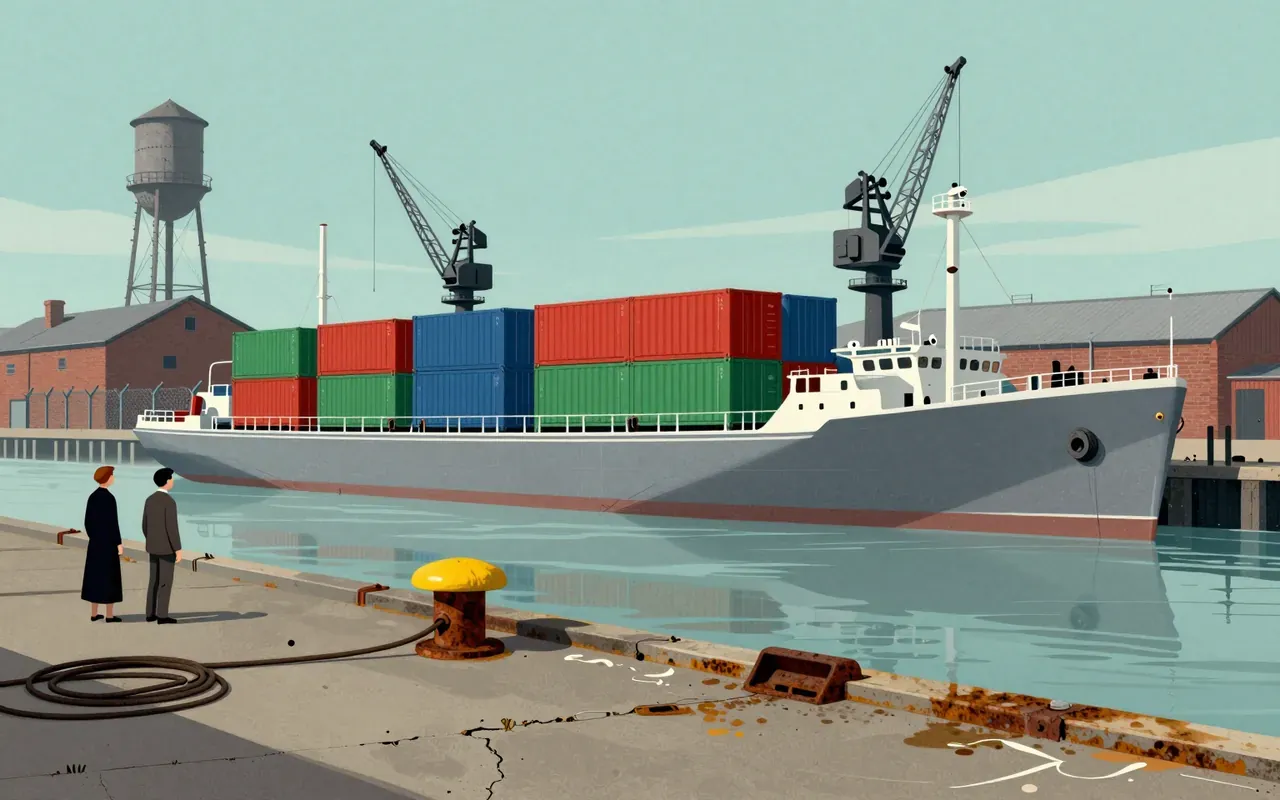
Malcolm McLean’s intermodal container was not an invention but a system — built around a 35-foot steel box sized for Pennsylvania highways, secured by Tantlinger’s corner castings and twistlocks, and operated by Sea-Land’s vertically controlled ships and cranes. It cut port handling time to eight hours — but only on one ship, at one port, under one company’s control. The real innovation was enforcing standardisation through ownership, not designing a better box.


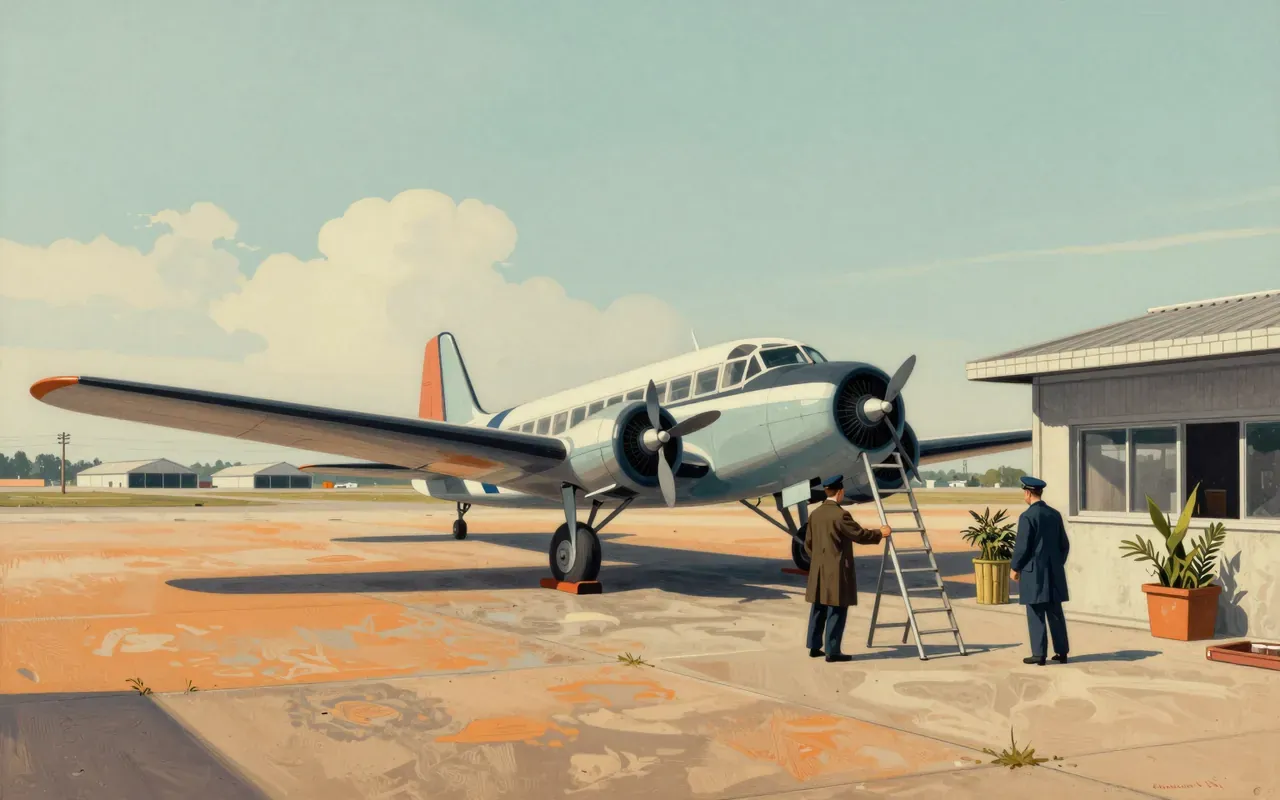
ANA is Japan’s largest airline, rooted in a 1952 helicopter-and-aeroplane transport company. It launched Japan’s first postwar scheduled flight by a Japanese pilot in December 1953, added passenger service on the Osaka–Tokyo route in February 1954, and scaled into a dominant domestic carrier. Its growth reflects regulatory privilege more than competitive differentiation. No financials, pricing, or cost structure are disclosed in the source material.

Free is a vertically integrated French ISP that built its own networks, hardware, and pricing model — rejecting reliance on incumbents and subscription lock-in. It achieved profitability and low churn through infrastructure control and disciplined bundling, not venture funding or hype.

OMV is Austria’s major integrated oil- and gas company, founded in 1956 as the successor to the Soviet Mineral Oil Administration in occupied Austria. It makes money from refining crude oil at Schwechat, importing oil via the Adria–Vienna Pipeline from Trieste, selling natural gas supplied under contract with the Soviet Union, and operating transit infrastructure like the Trans-Austria Gas Pipeline. Its vertical integration worked: Schwechat refinery (1960), Soviet gas supply (1968), Adria–Vienna Pipeline (1970), and Trans-Austria Gas Pipeline (1974) formed a self-reinforcing system that locked in Austria’s role as a Central European energy node. OMV’s foundational model does not address decarbonisation, renewable generation, or energy storage. Its 1956–1974 expansion relied entirely on fossil fuel import, processing, and transit — with no indication of diversification beyond that scope in the source material. OMV shows how a national energy company can be built not through innovation or market creation, but through sequential infrastructure capture: refinery, pipeline, gas contract, transit corridor — each reinforcing the others’ value. Yes — as a case study in state-origined energy integration, infrastructure-led regional positioning, and Cold War-era resource diplomacy. Not as a model for modern energy transition strategy.
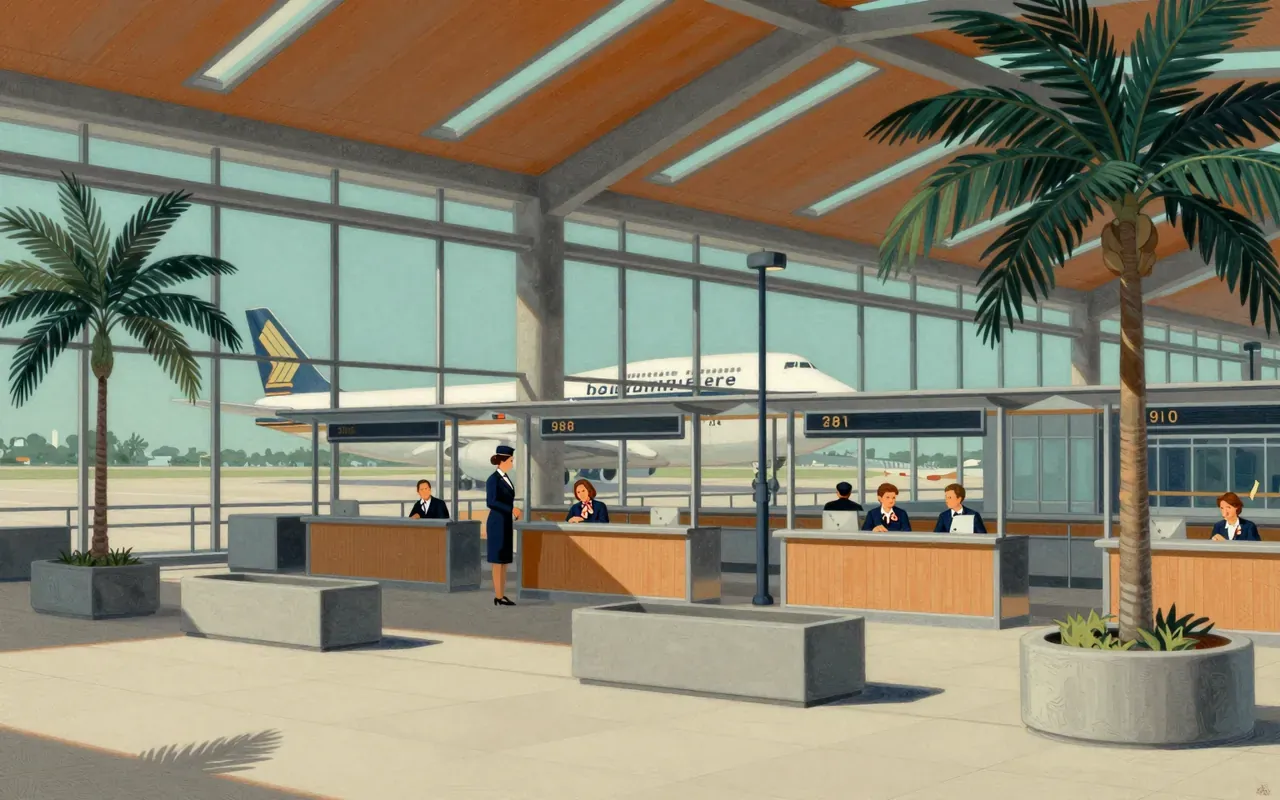
Singapore Airlines is a state-aligned, operationally diversified aviation group—not a founder-led startup. Its value lies in infrastructure leverage, not narrative.


BT Group is a British multinational telecommunications holding company headquartered in London, England. It operates in around 180 countries and is the largest provider of fixed-line, broadband and mobile services in the UK. Its origins date back to the founding in 1846 of the Electric Telegraph Company. BT Group as it came to be started in 1912, when the General Post Office, a government department, took over the system of the National Telephone Company, becoming the monopoly telecoms supplier in the UK. The Post Office Act of 1969 led to the GPO becoming a public corporation, Post Office Telecommunications. The British Telecom brand was introduced in 1980, and became independent of the Post Office in 1981. British Telecom was privatised in 1984, becoming British Telecommunications plc, with some 50 percent of its shares sold to investors. BT runs the telephone exchanges, trunk network and local loop connections for the vast majority of British fixed-line telephones. The General Post Office (GPO) was the state postal system and telecommunications carrier of the United Kingdom until 1969. Established in England in the 17th century, the GPO was a state monopoly covering the dispatch of items from a specific sender to a specific receiver; it was overseen by a Government minister, the Postmaster General. The GPO was abolished by the Post Office Act 1969, which transferred its assets to the Post Office, so changing it from a Department of State to a statutory corporation. Responsibility for telecommunications was given to Post Office Telecommunications, the successor of the GPO Telegraph and Telephones department. In 1980, the telecommunications and postal sides were split prior to British Telecommunications' conversion into a totally separate publicly owned corporation the following year as a result of the British Telecommunications Act 1981. When new forms of communication came into existence in the 19th and early 20th centuries the GPO claimed monopoly rights on the basis that like the postal service they involved delivery from a sender and to a receiver. The Telegraph Act 1869 conferred on the Postmaster General a monopoly in telegraphic communication in the UK. The Wireless Telegraphy Act 1904, which granted control of radio waves to the General Post Office, who licensed all senders and receivers.

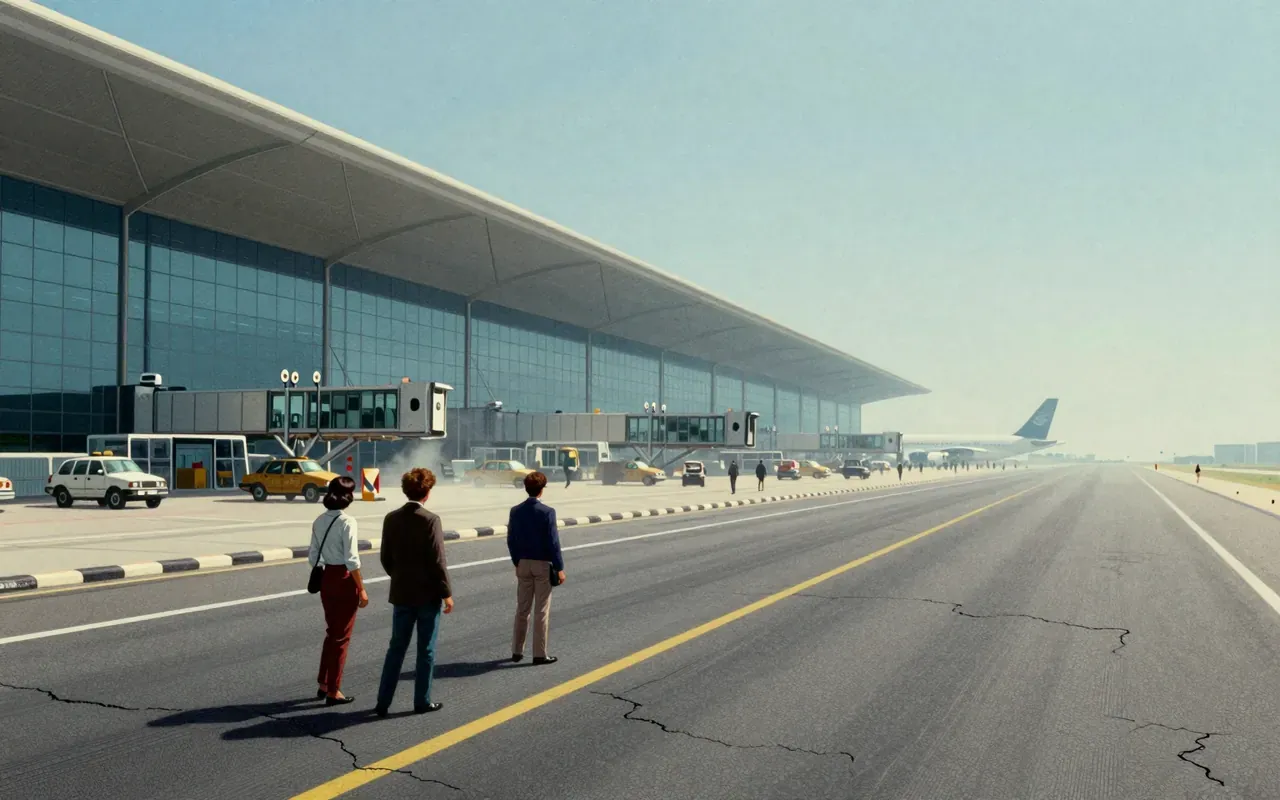
Emirates is a state-owned UAE flag carrier founded in 1985 after Gulf Air reduced Dubai services. It operates over 3,600 weekly flights from Dubai International Airport’s Terminal 3, serves 150+ cities across six continents, and ranks third globally by passenger volume and second by freight volume. Its ownership lies with Dubai’s Investment Corporation of Dubai, and its cargo arm is Emirates SkyCargo. It is not part of any global airline alliance.


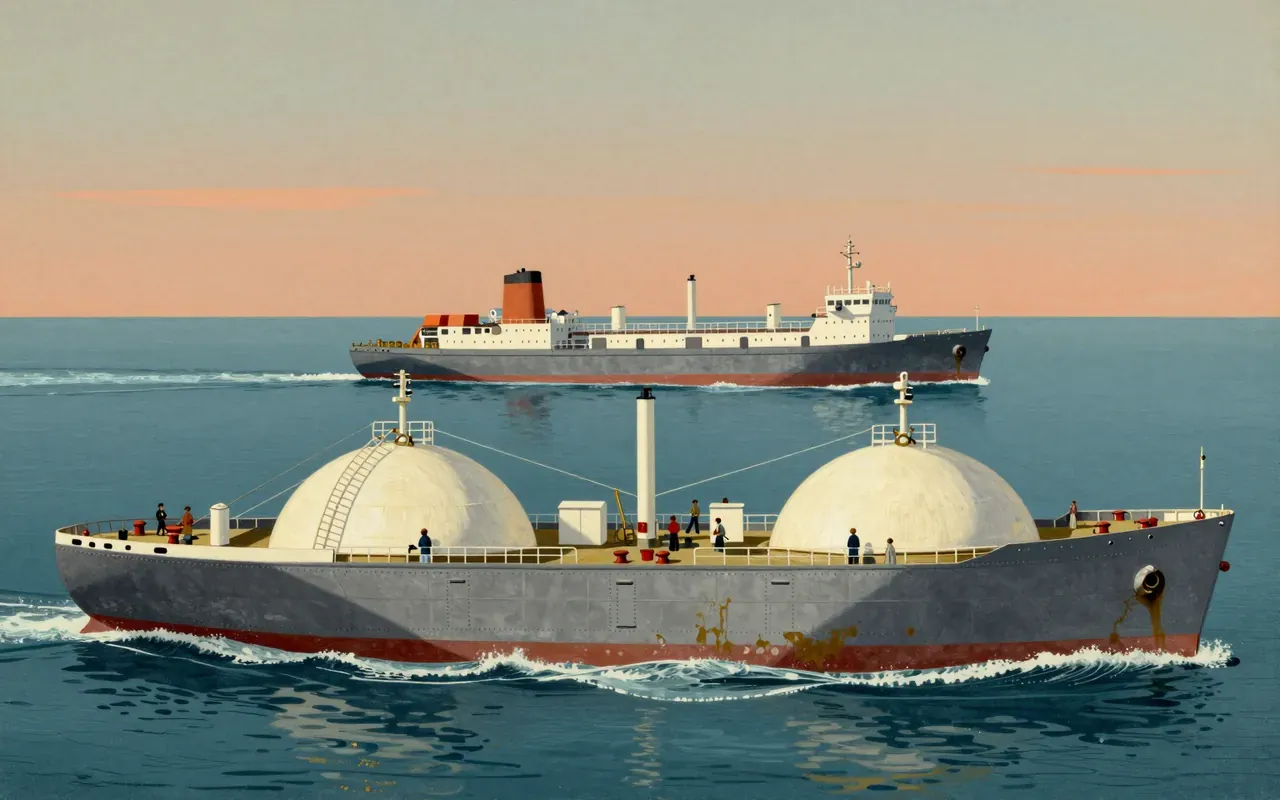


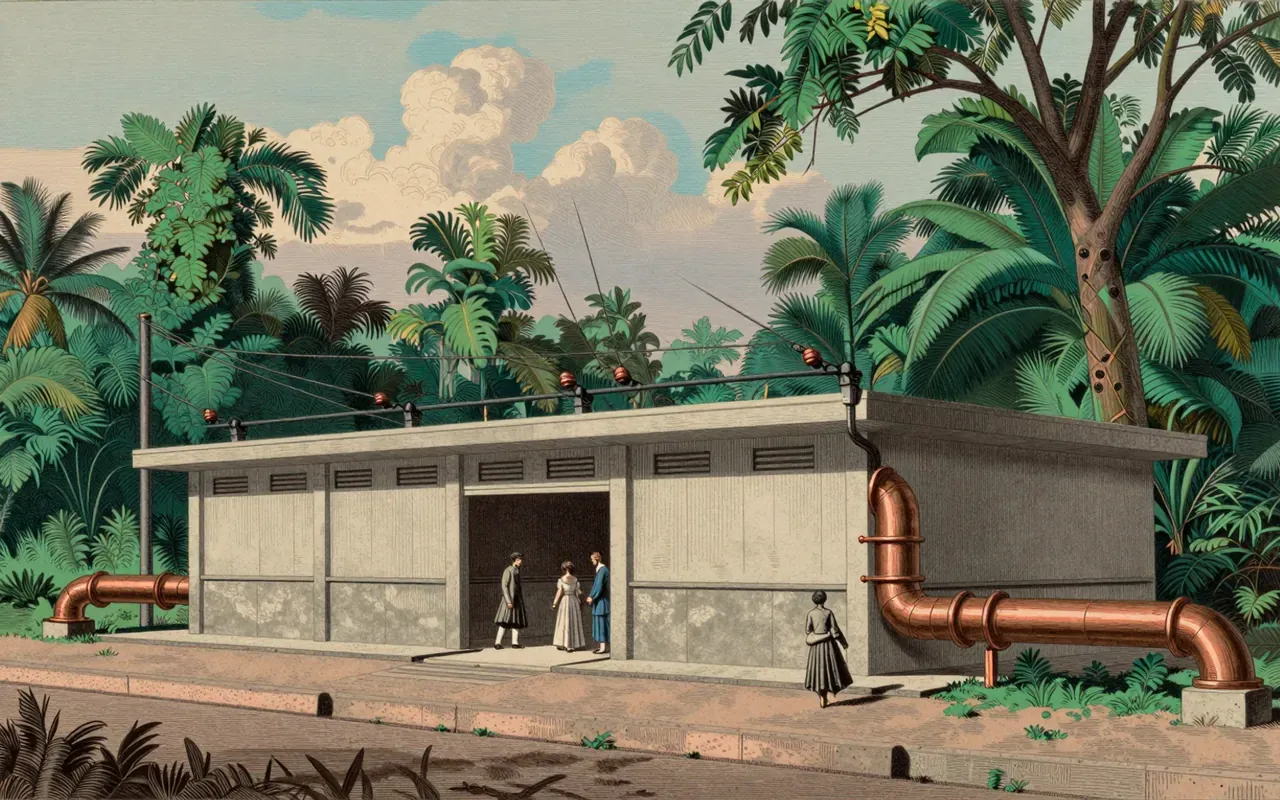
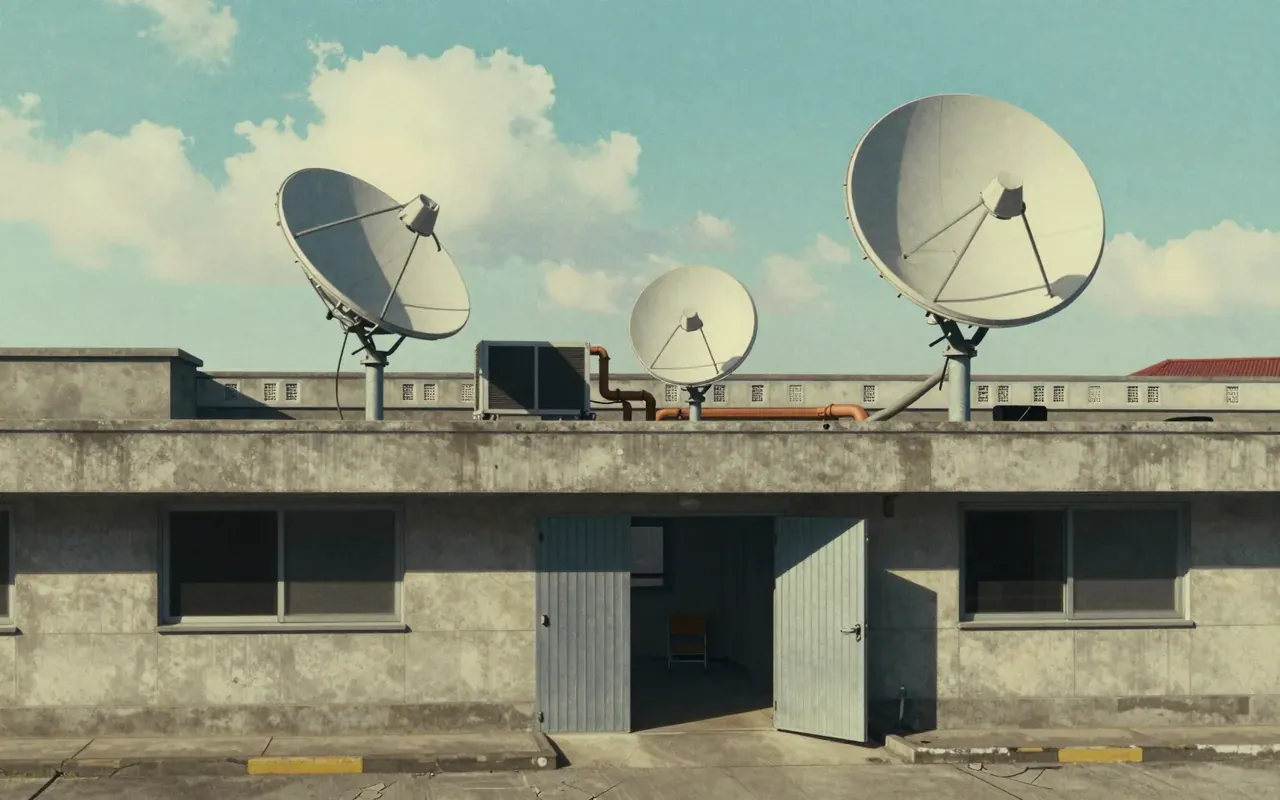


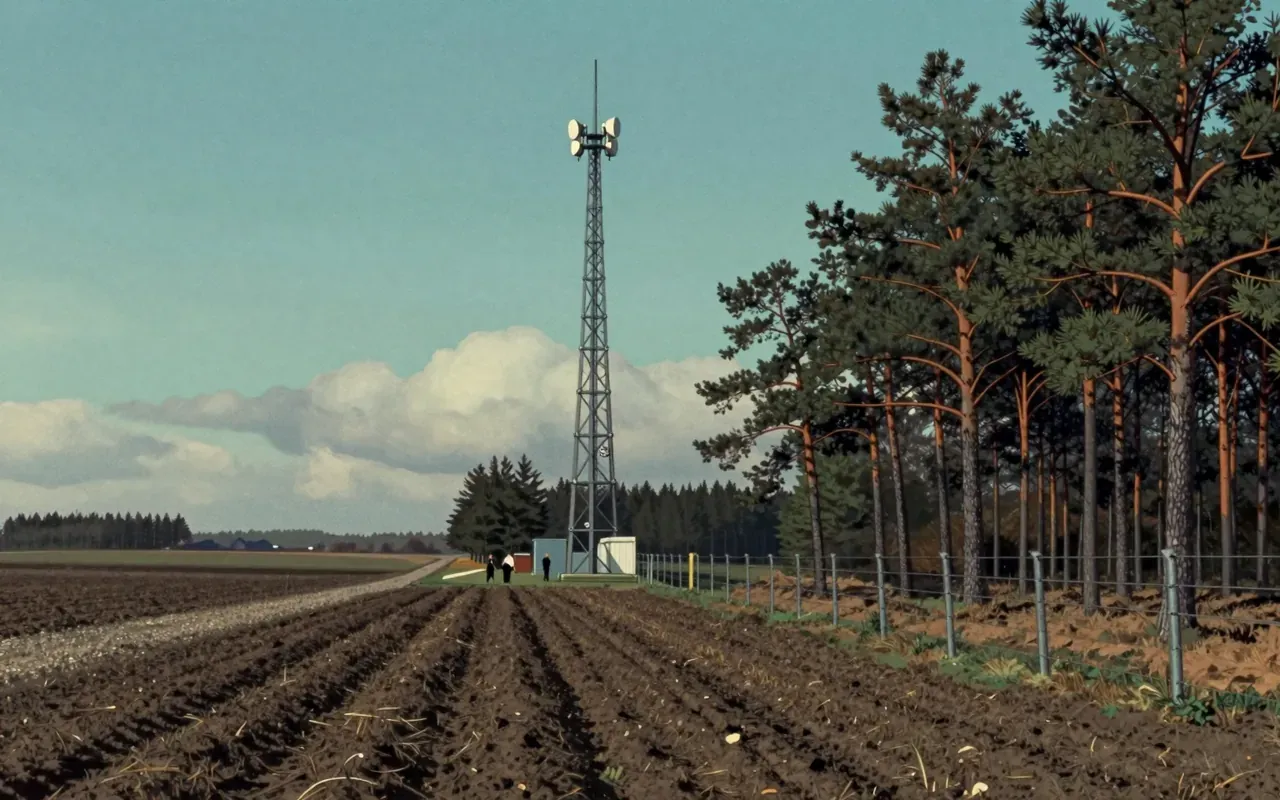



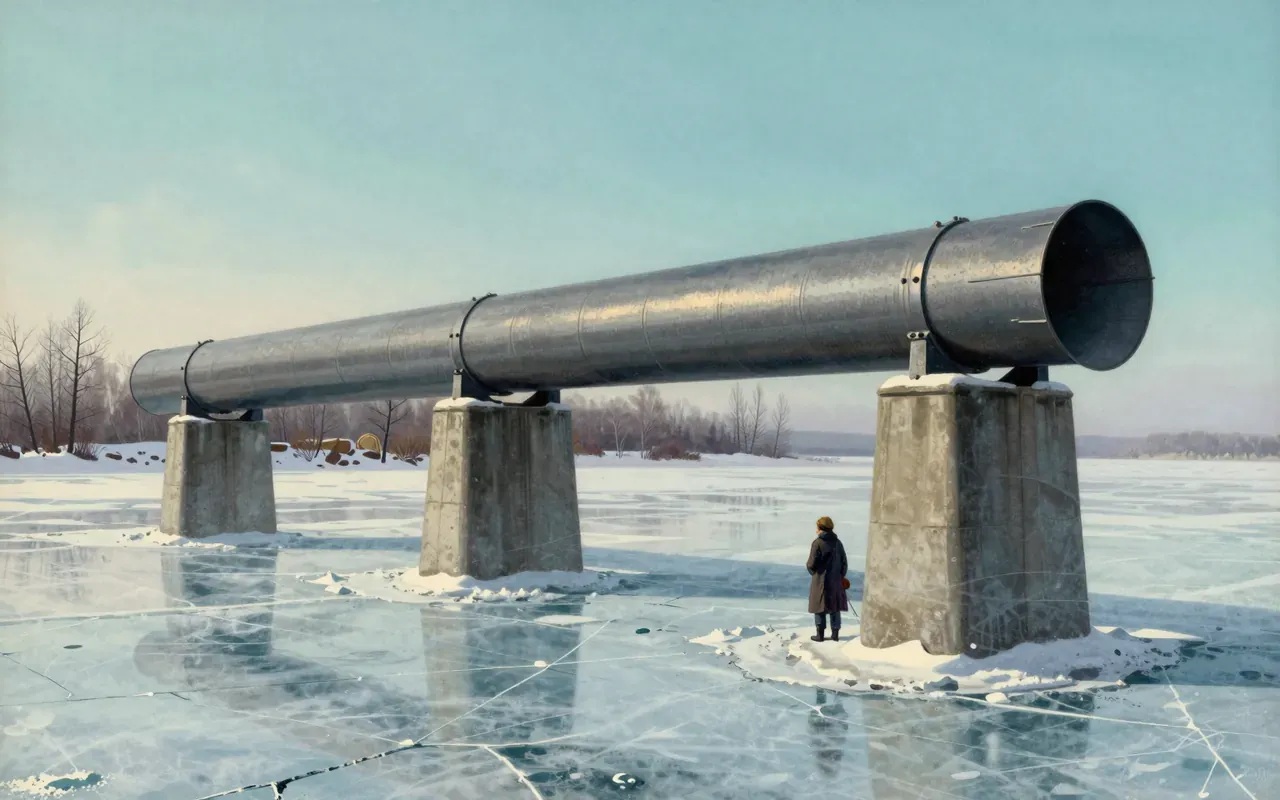
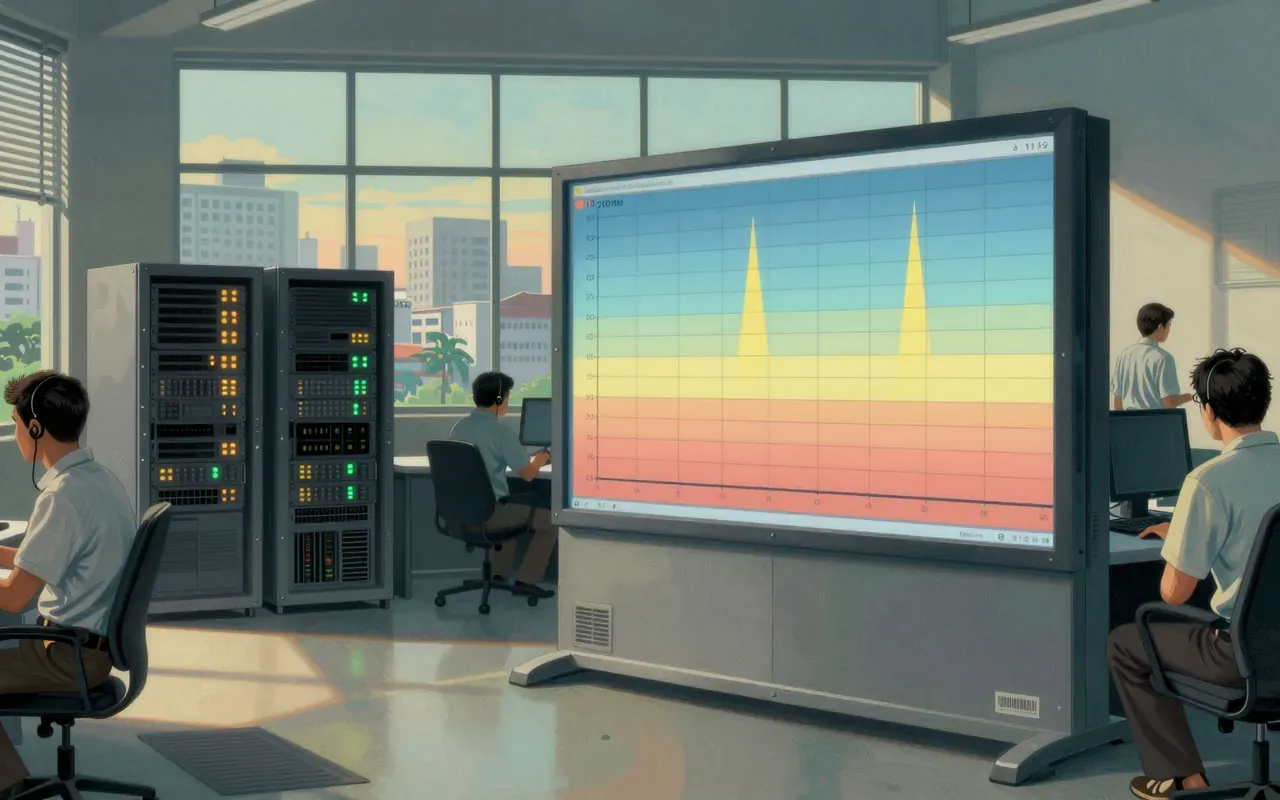


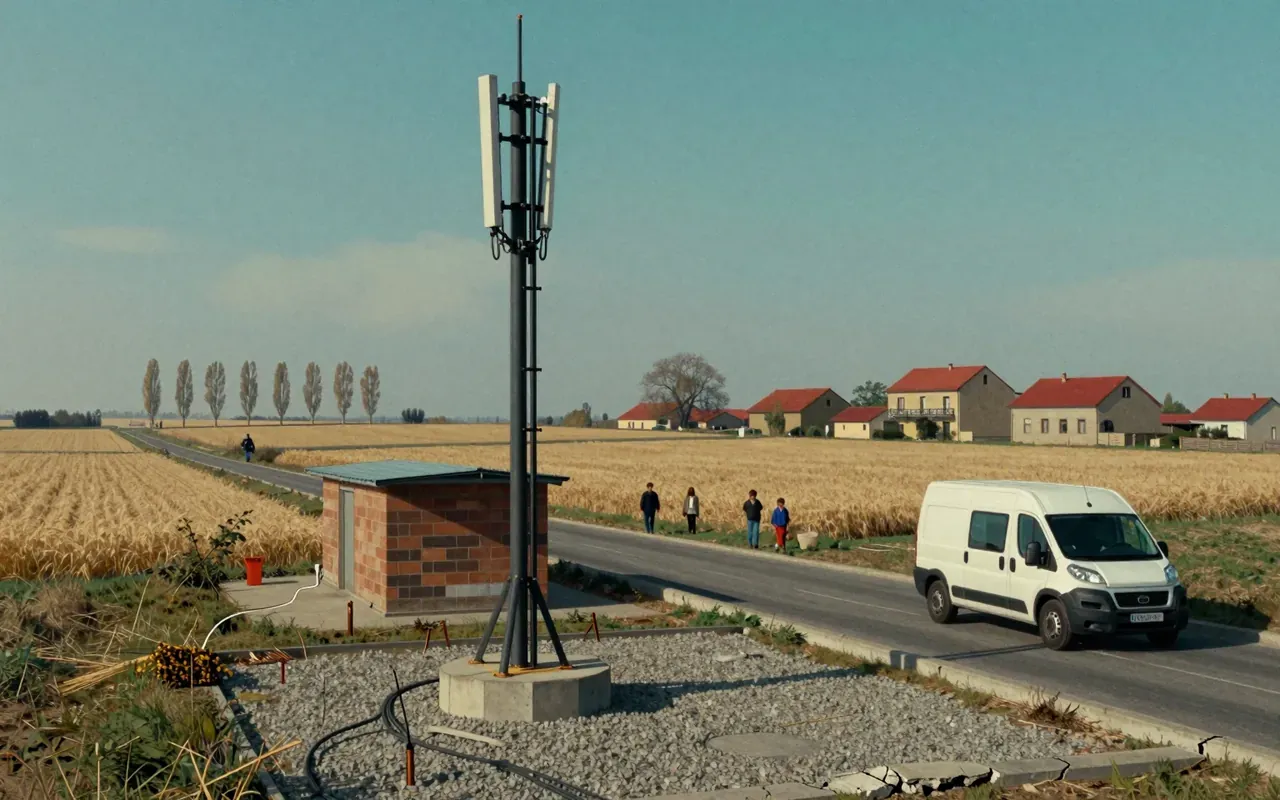
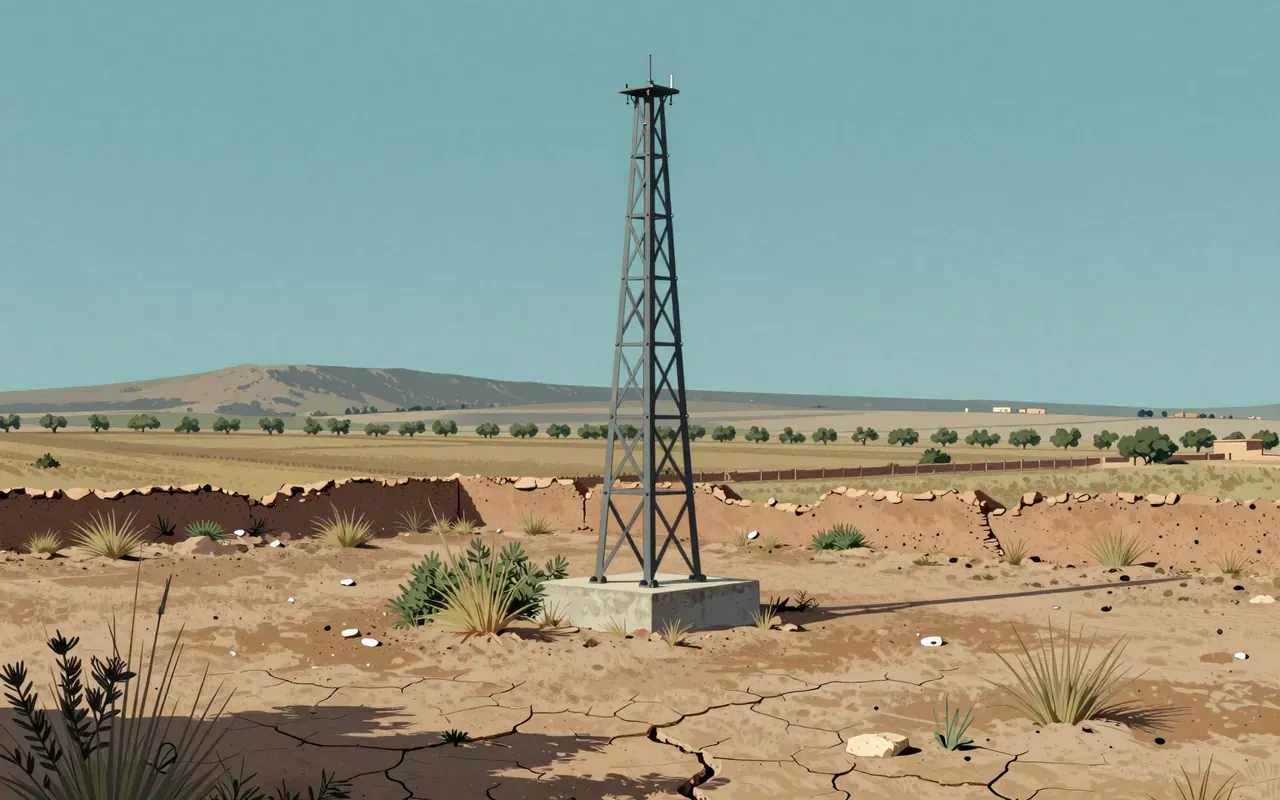
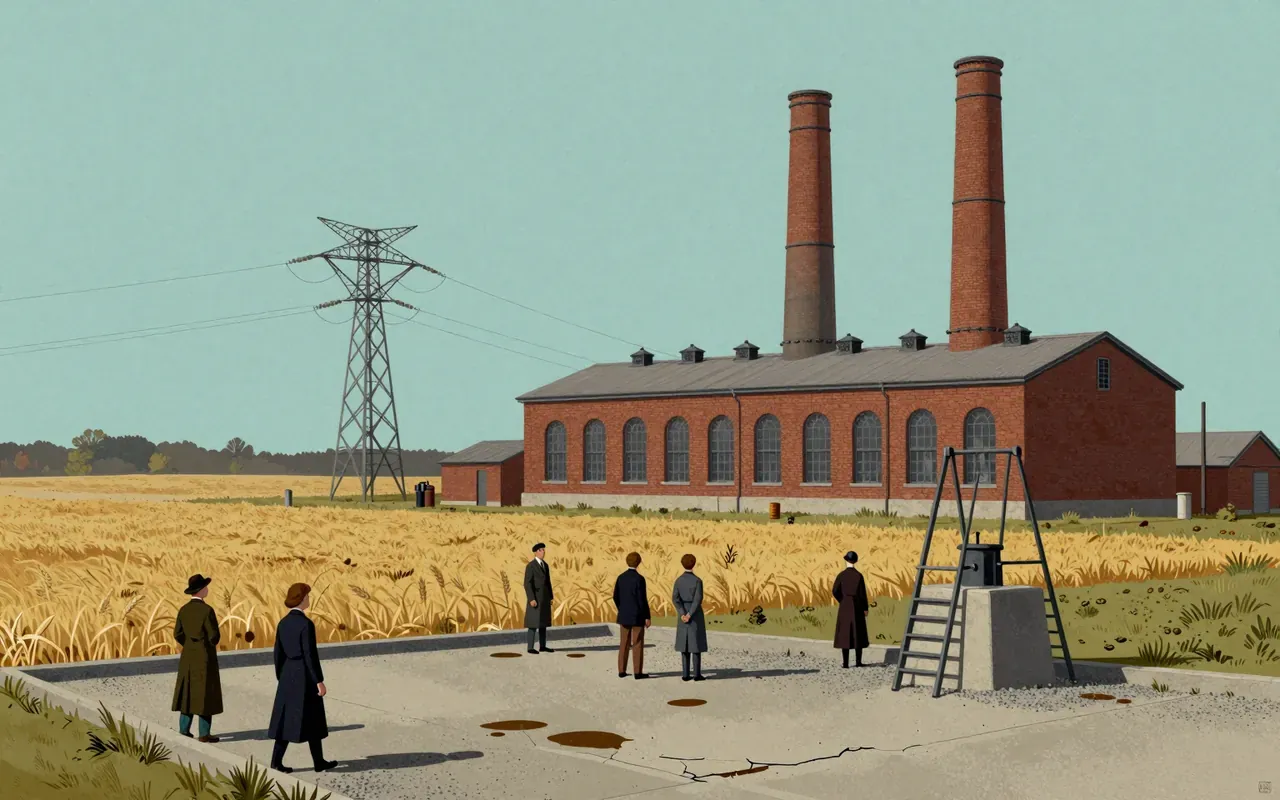
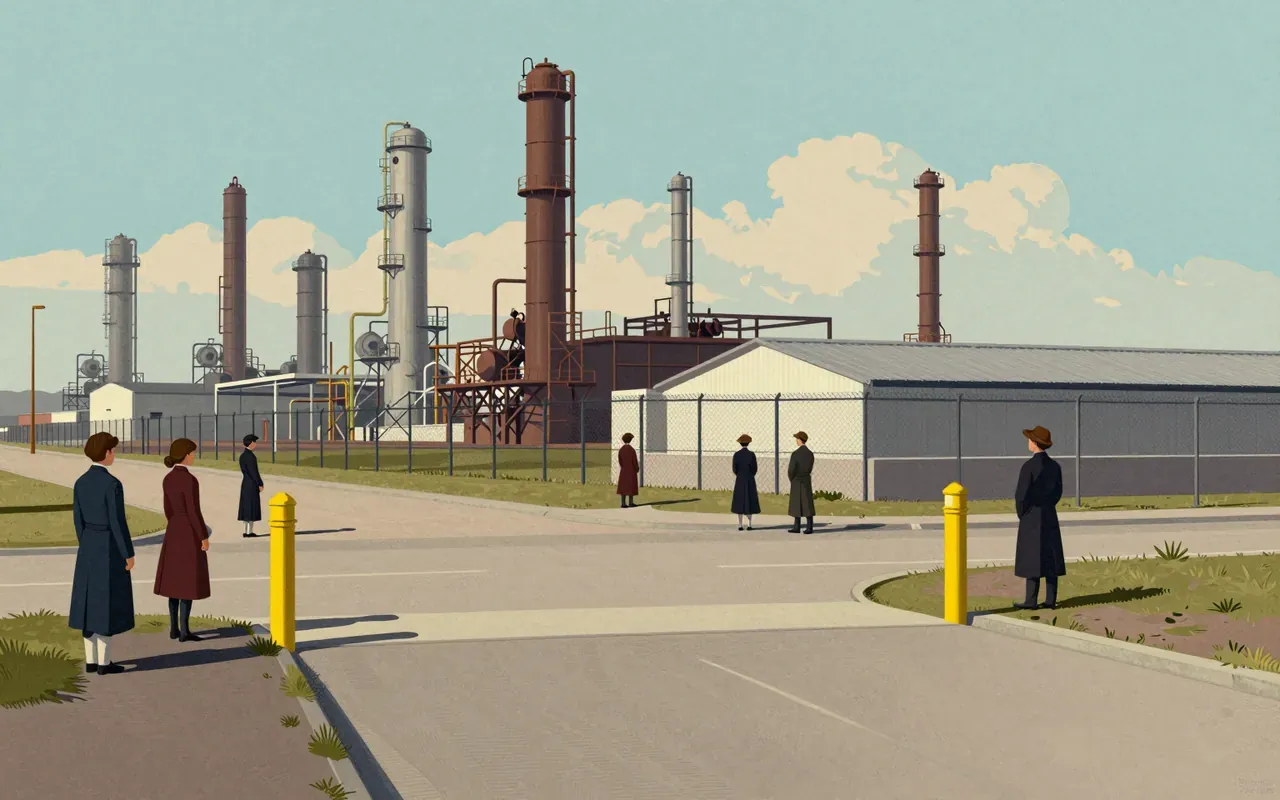

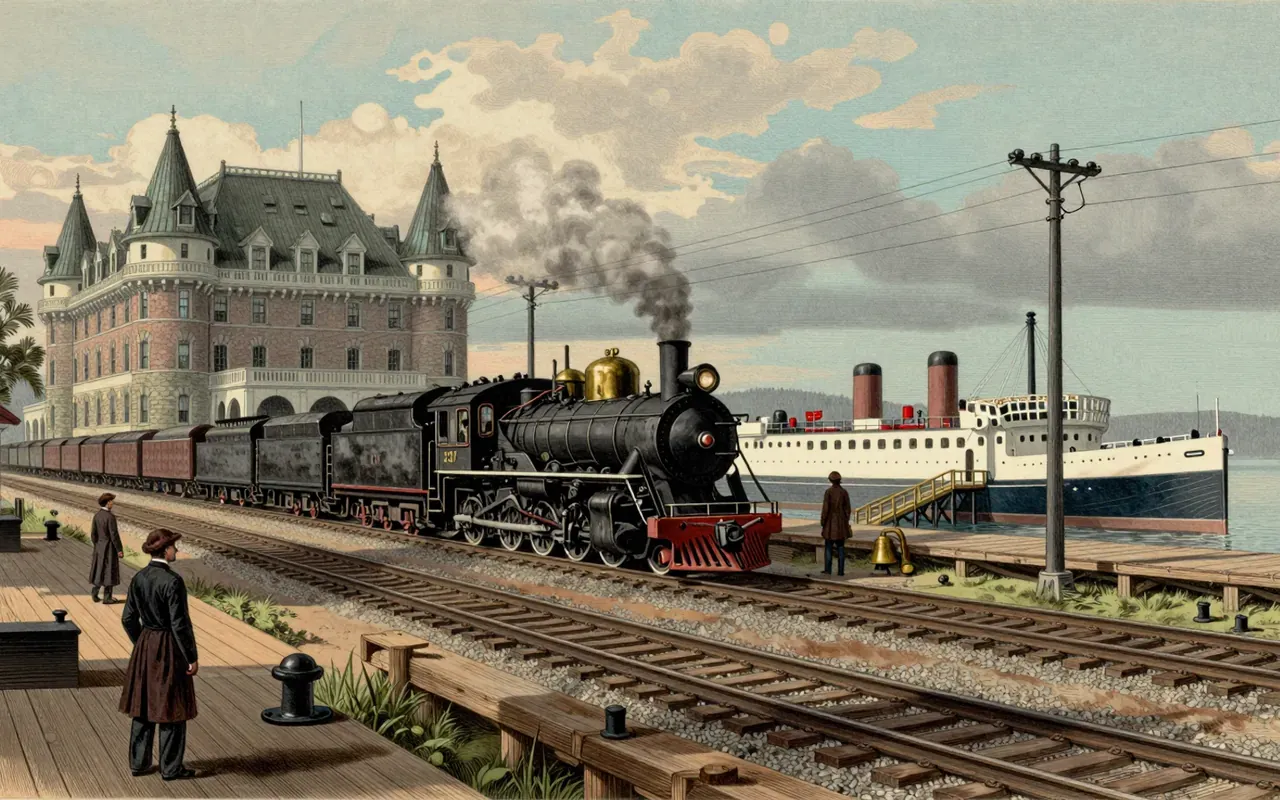
The Canadian Pacific Railway was not a startup, nor a disruptor — it was a state-contracted infrastructure monopoly, executed under tight political deadline and scaled through vertical integration. Van Horne’s genius lay not in invention but in orchestration: he turned a rail line into a self-reinforcing system of movement, messaging, lodging, and shipping — all funded by federal land grants, bonds, and tariffs, not market demand. Its success was geopolitical, not financial; its durability came from control of geography, not innovation.
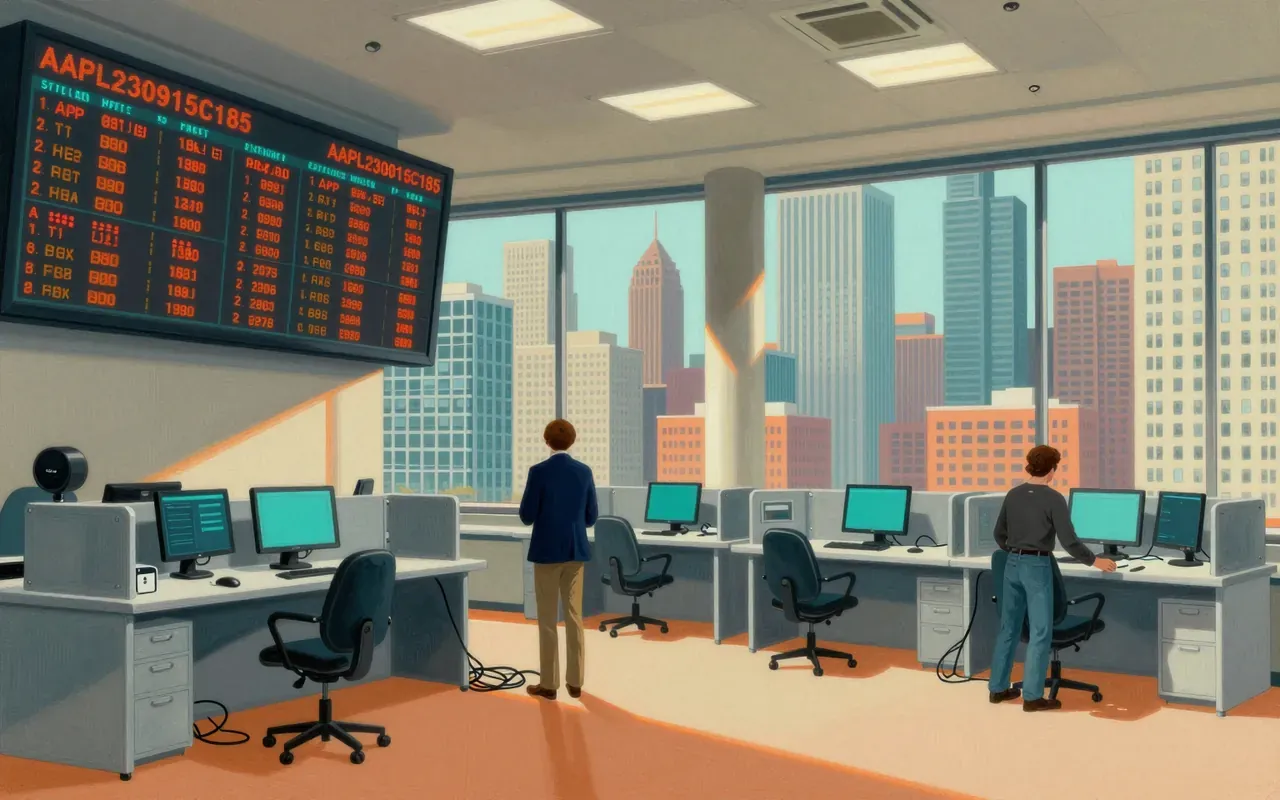

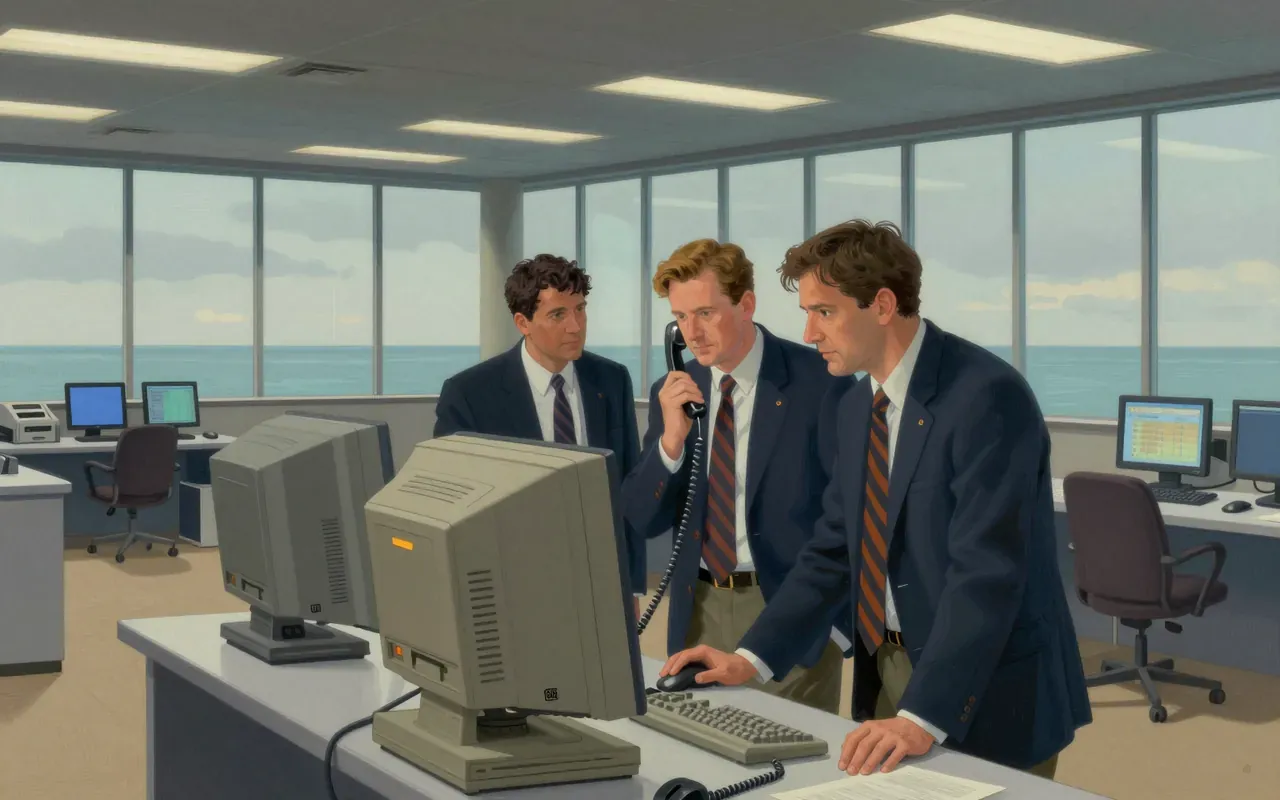
CME Group is a vertically integrated derivatives infrastructure operator. It runs exchanges, provides mandatory central clearing, and operates two spot platforms. In 2025, 81% of its revenue came from clearing and transaction fees, charged at $0.70 per contract across over 7 billion contracts. Volume increases during market volatility — a mechanical, observable feature. Its Bitcoin spot launch in May 2024 has no reported volume or revenue impact. Every major innovation — currency futures (1972), Globex (1987), IPO (2002) — was structural, not product-led.



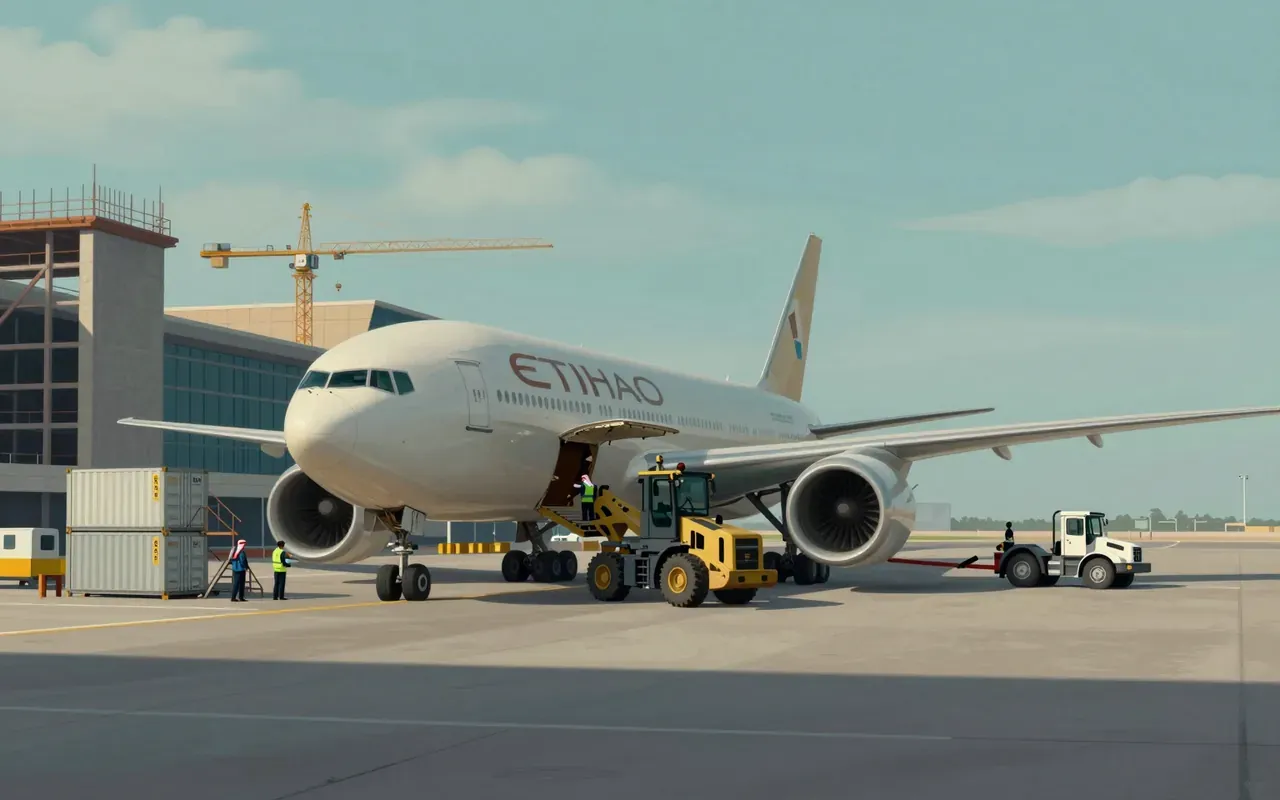
Etihad Airways is a state-owned UAE flag carrier launched in 2003 to project national presence globally. It operates passenger, cargo, and holiday services from Zayed International Airport using a fleet of 107 aircraft. It is the second-largest airline in the UAE after Emirates. Its business model relies on sovereign backing—not unit economics—to sustain scale beyond its home market’s natural demand.


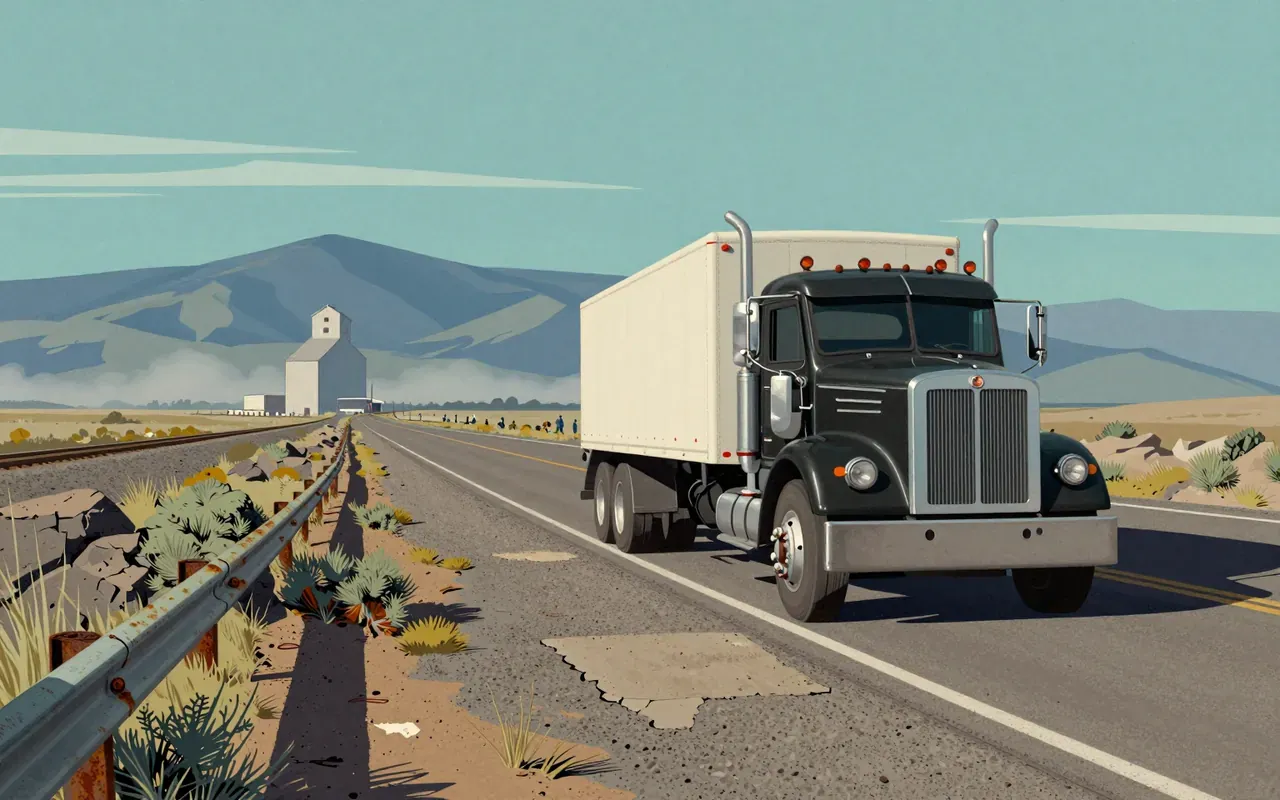

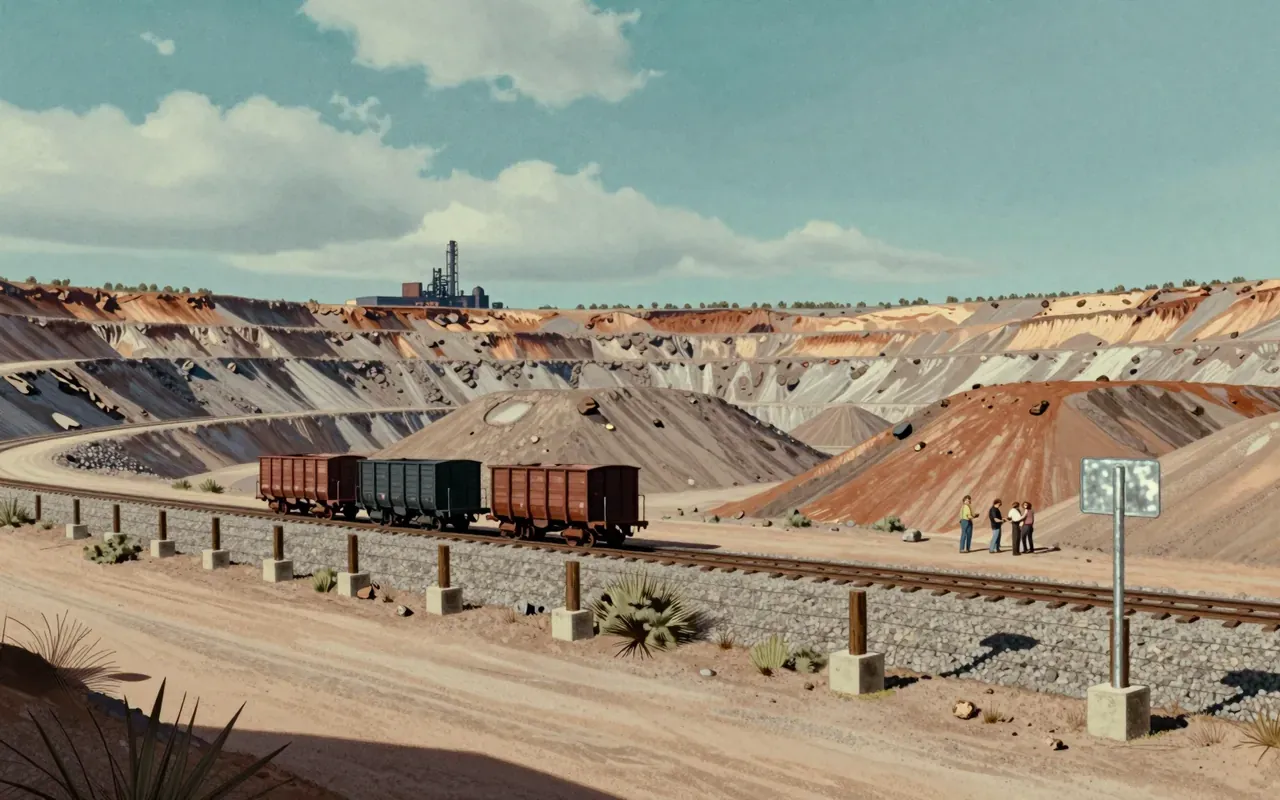
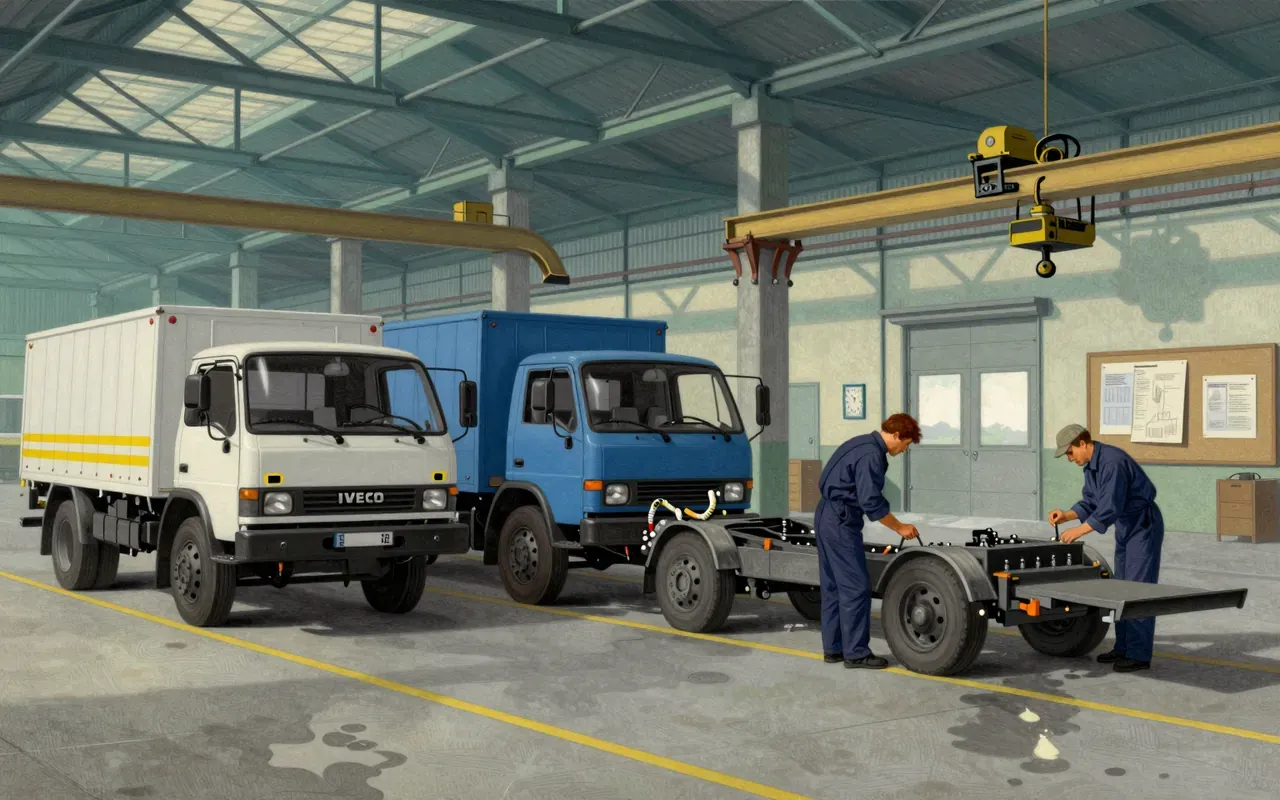

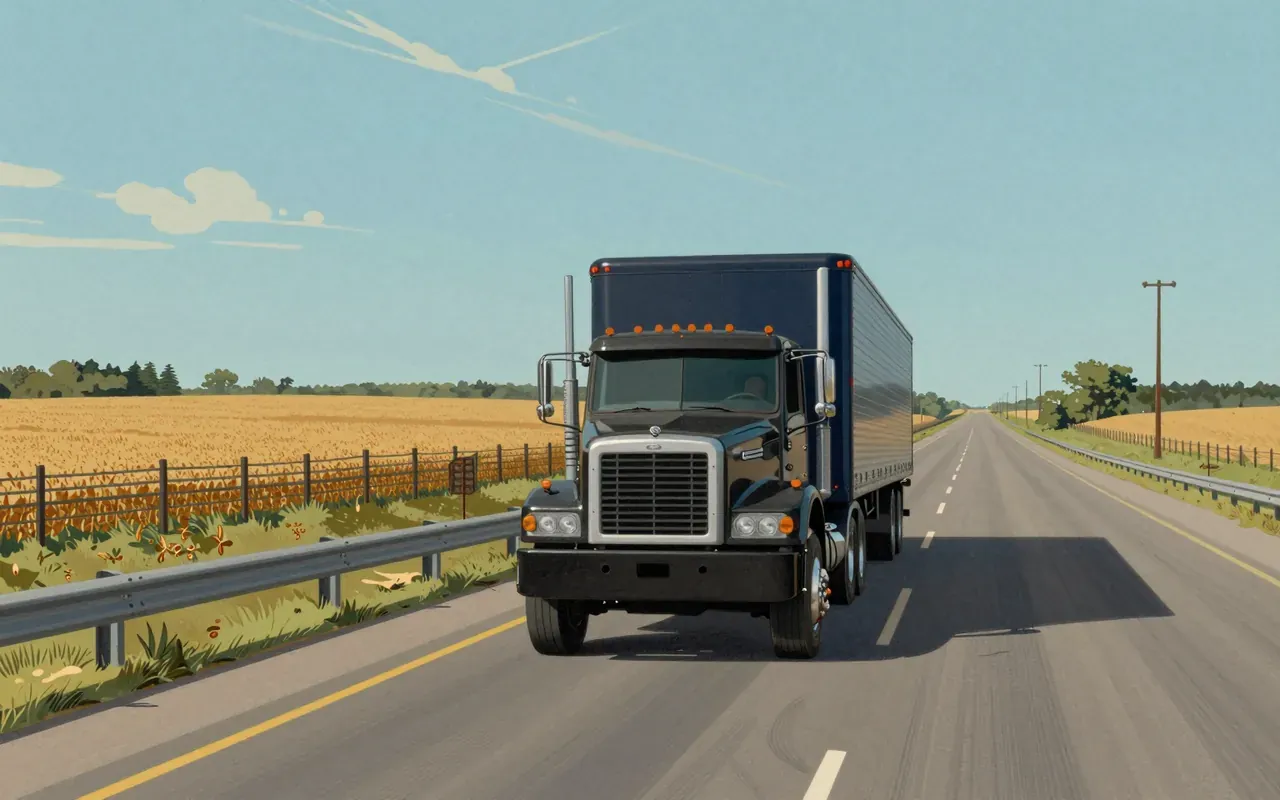
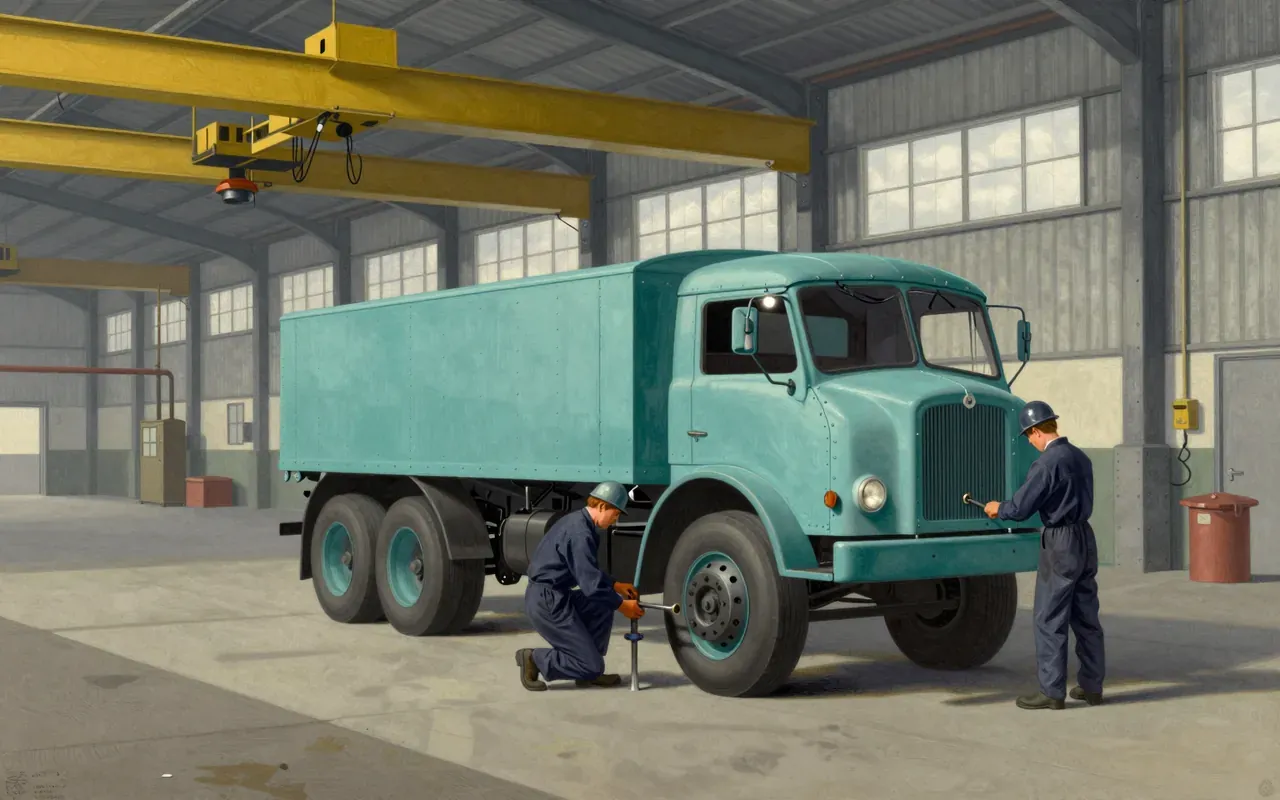
Mack Trucks is a vertically narrow, geographically mobile, and corporately subordinated industrial brand — sustained not by innovation or scale, but by consistent execution in a defined vehicle class and enduring customer trust in its vocational durability.

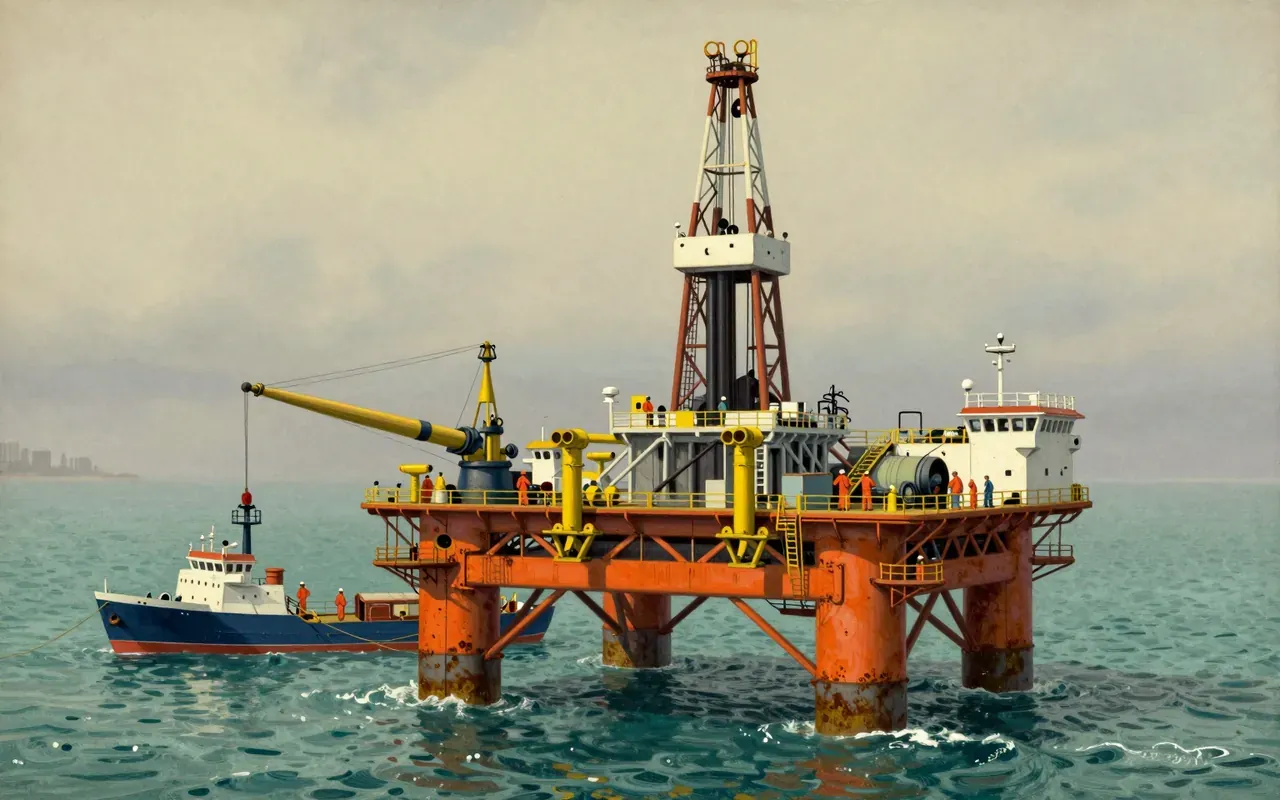
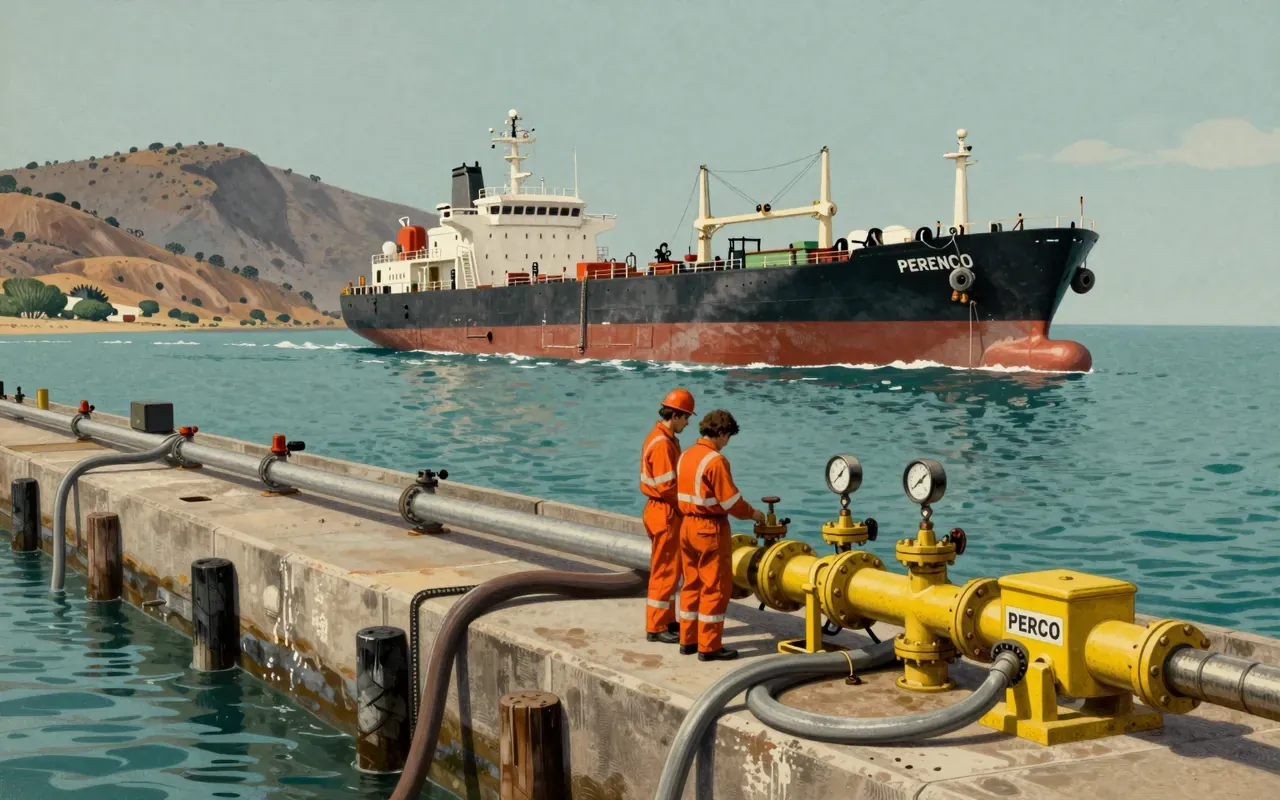
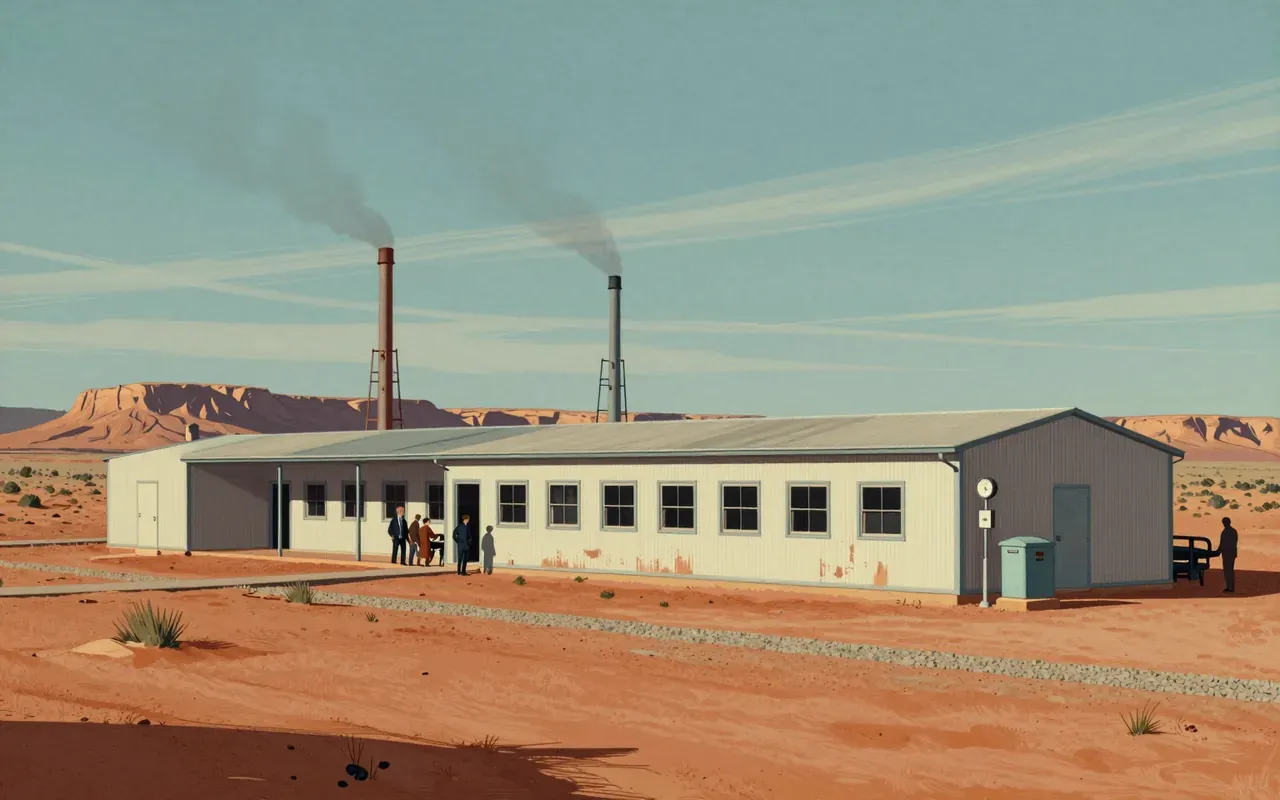
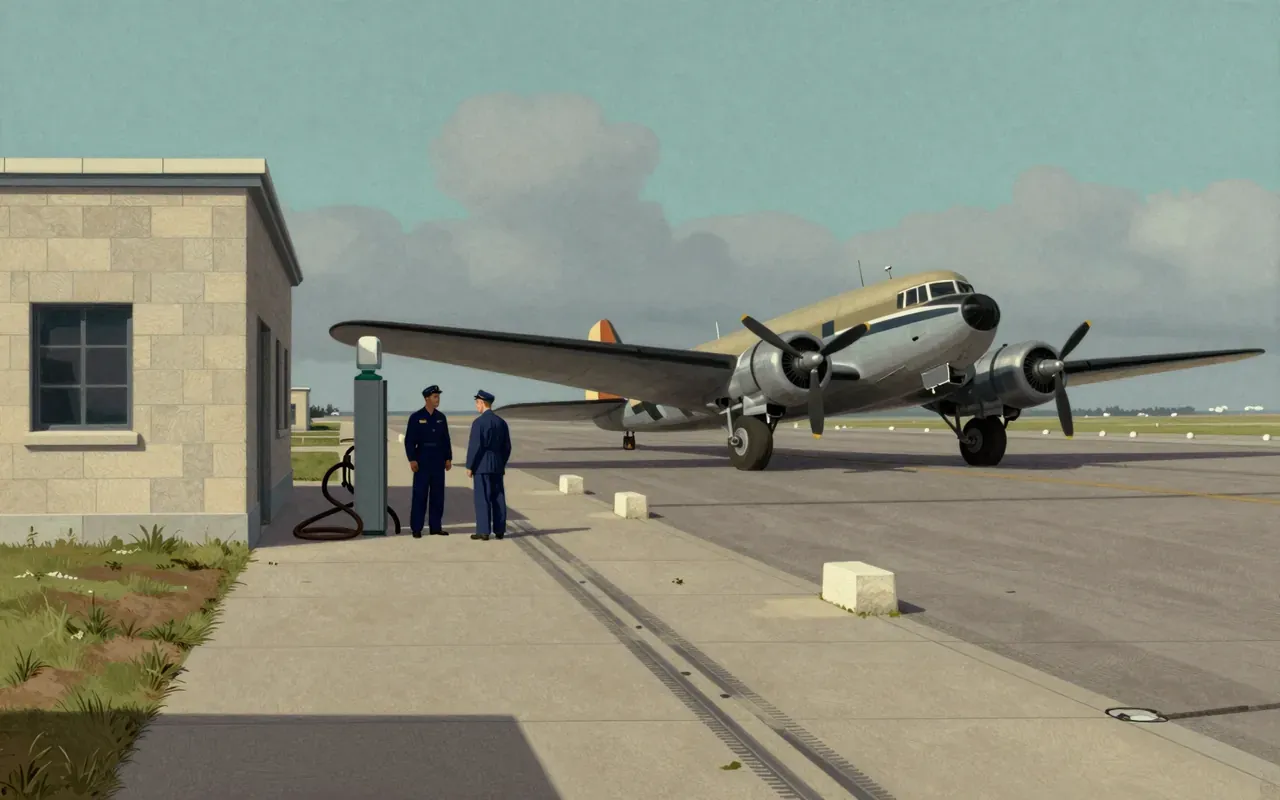
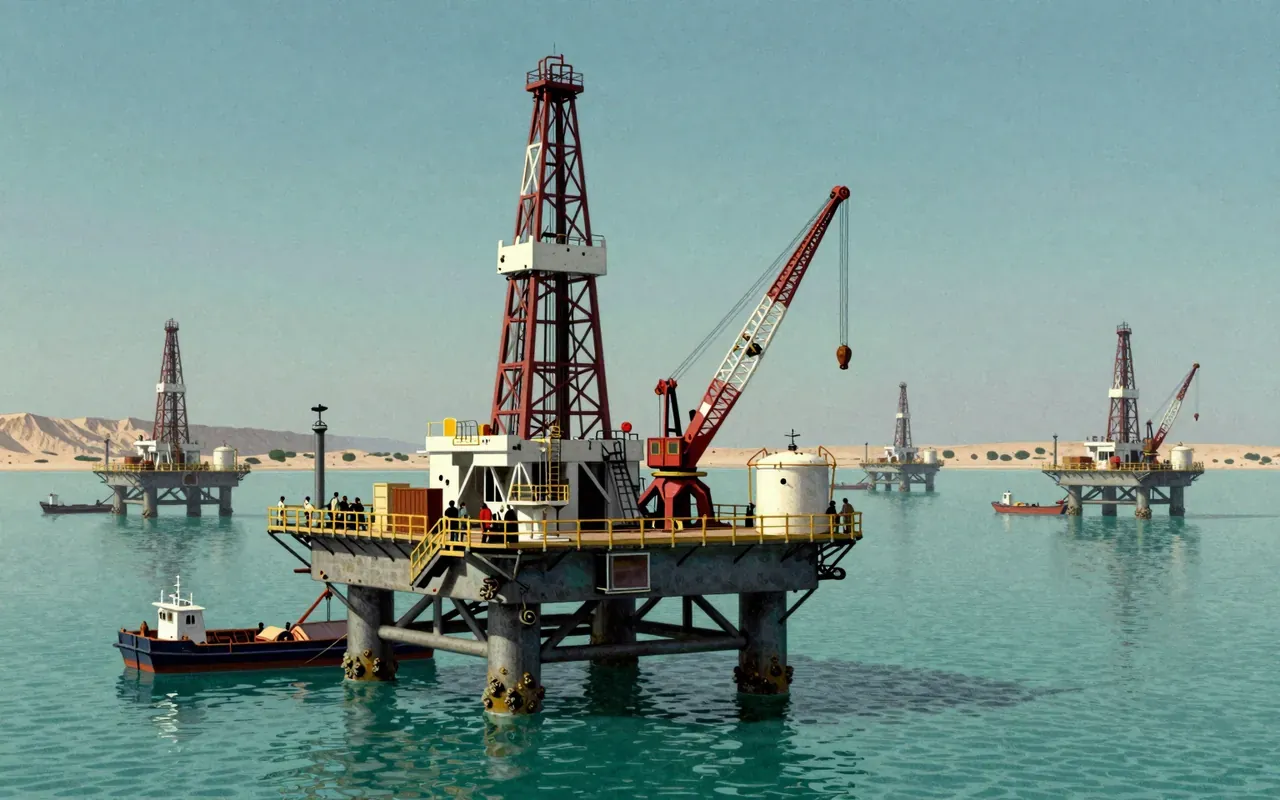
Saudi Aramco is the majority state-owned national oil company of Saudi Arabia. It holds the world's largest proven crude oil reserves and largest daily oil production. It operates the world's largest single hydrocarbon network, the Master Gas System. Its shares began trading on the Saudi Exchange on 11 December 2019, reaching a market capitalisation of about US$1.88 trillion. Its origins lie in a 1933 concession granted by Ibn Saud and executed by Chevron Corporation.





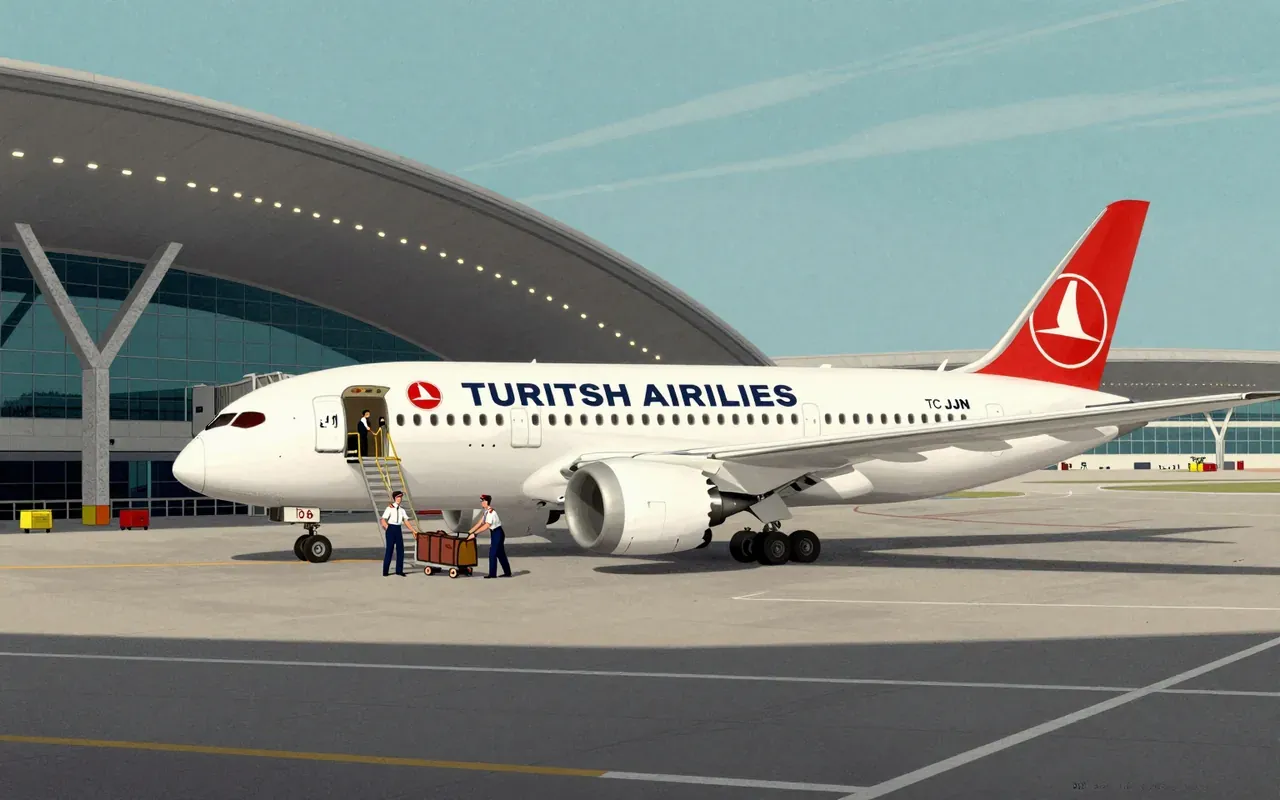
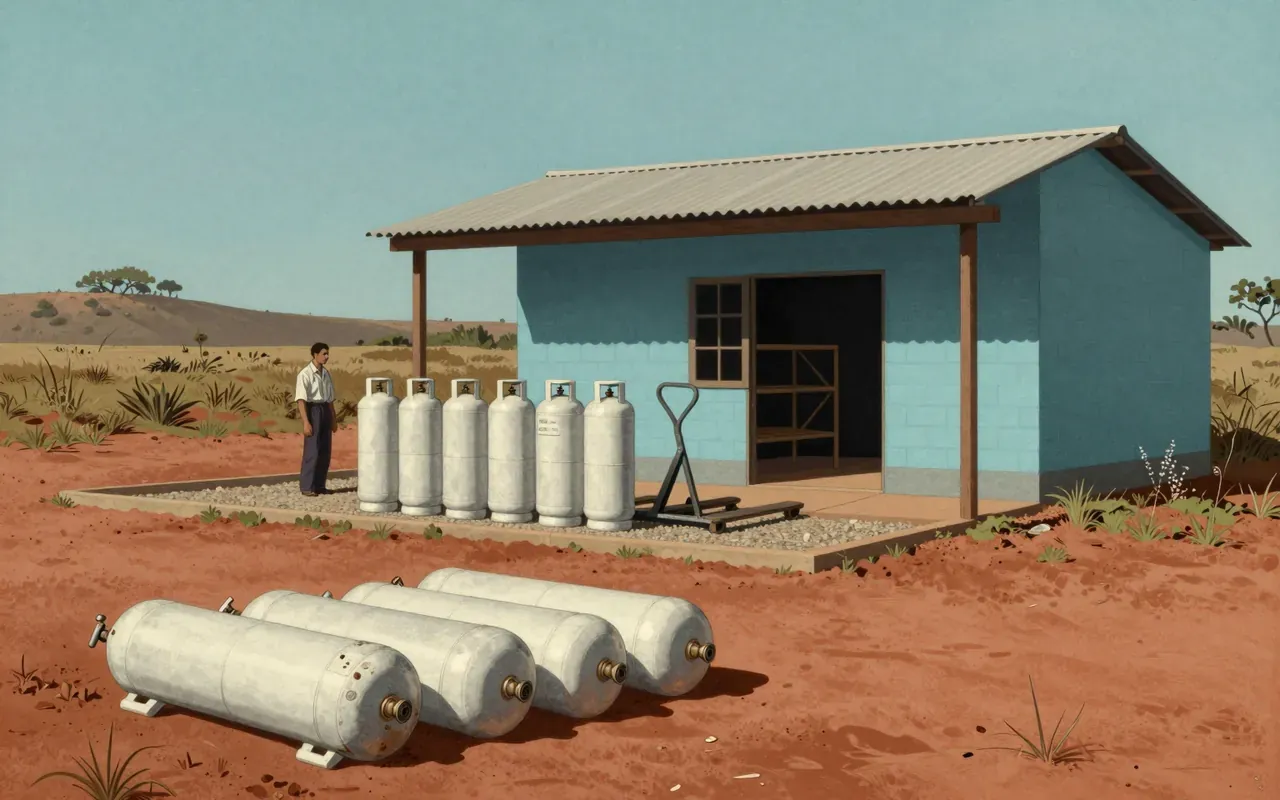


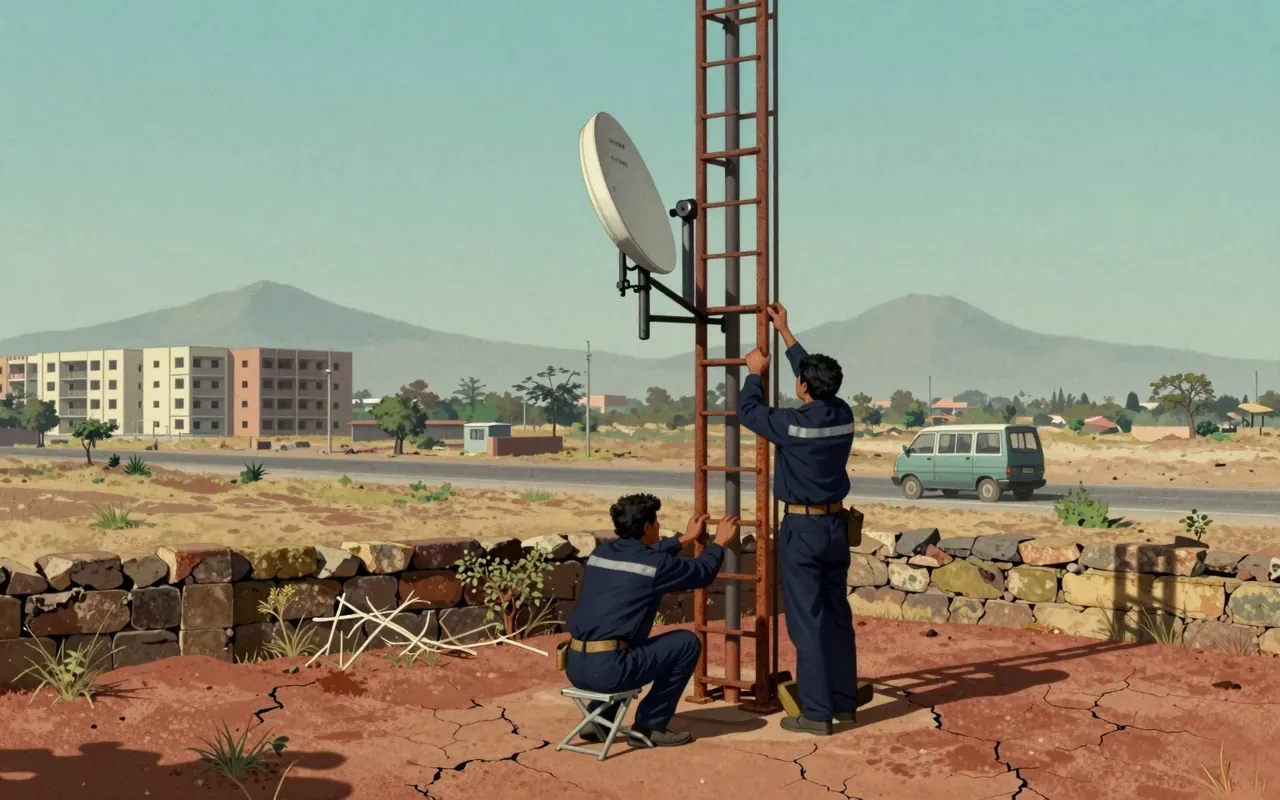
Bharti Airtel is not a tech innovator but a regulatory arbitrageur—its real product is the ability to operate at scale across borders where others stall on licensing, spectrum, or infrastructure cost. It built nothing foundational in telecom standards or silicon, but mastered the sequencing: assemble → manufacture → license → outsource → bundle → expand. That sequence works only once per market—and only if you start before the rules harden.

The Walt Disney Company is an American multinational mass media and entertainment conglomerate founded on October 16, 1923, as the Disney Brothers Studio by Walt and Roy Disney in California. It rose to prominence in animation with Steamboat Willie (1928), diversified into live-action films, television, and theme parks in the 1950s, reversed a post-1966 decline under Michael Eisner via international theme park expansion and the Disney Renaissance (1989–1999), and transformed into a major entertainment conglomerate under Bob Iger through strategic acquisitions (Pixar, Marvel, Lucasfilm, 21st Century Fox). It operates the largest television and film studio in Hollywood.
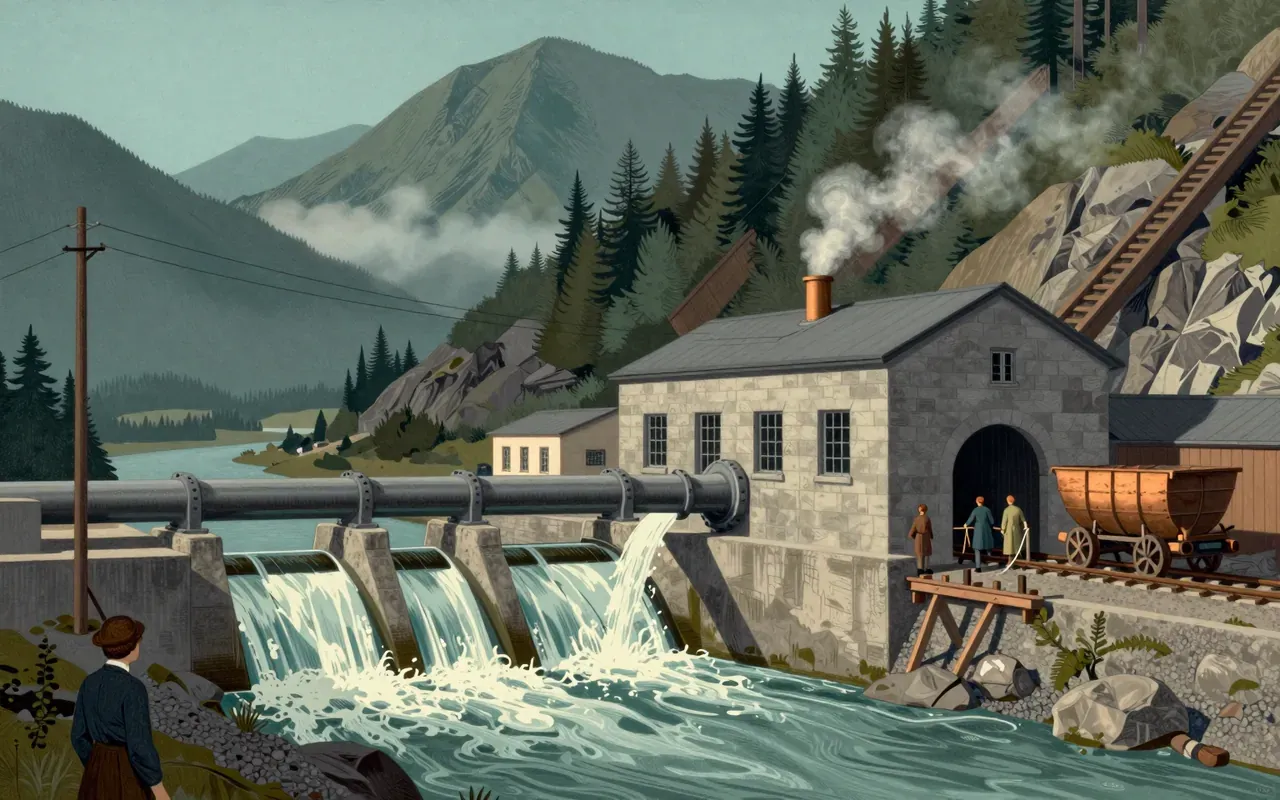
Hitachi’s origin was not entrepreneurial mythmaking — it was applied engineering inside a single mine. Its revenue came from selling hardware that replaced steam, muscle, and manual control with electrified motion. It succeeded by staying embedded in physical infrastructure — not by pivoting to services or software. Its independence in 1920 marked a shift in legal structure, not strategy. Odaira’s leadership lasted until 1947, but he never owned the firm he built.
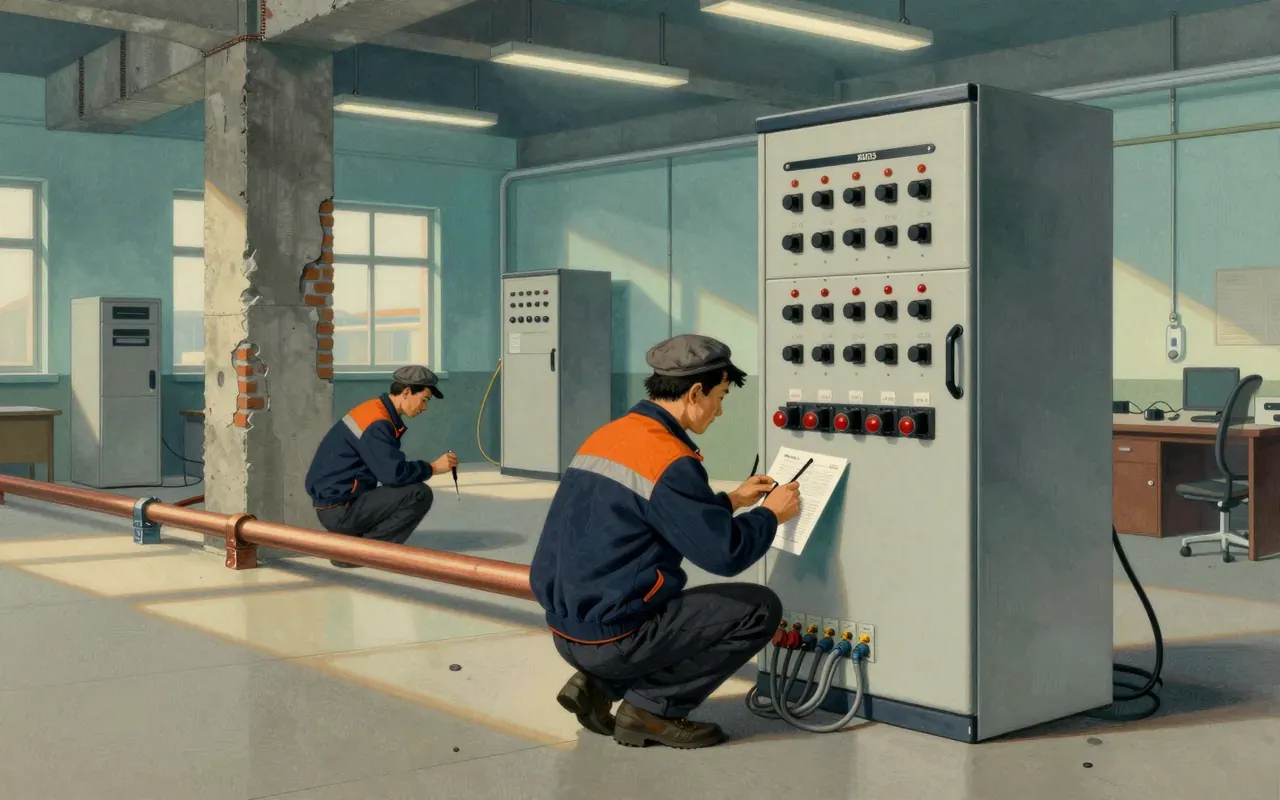
Huawei is a Chinese multinational technology conglomerate founded in Shenzhen in 1987 by Ren Zhengfei. Its headquarters are in Longgang, Shenzhen, Guangdong. Its main product lines include telecommunications equipment, consumer electronics, electric vehicle autonomous driving systems, and rooftop solar power products. Telecommunications equipment is its biggest area of business, and its largest customer is the Chinese government. Initially focused on manufacturing phone switches, Huawei expanded to more than 170 countries, building telecom infrastructure, providing equipment and services, and manufacturing consumer communications devices. In 2012, it surpassed Ericsson to become the world's largest telecommunications equipment manufacturer. As of 2025, it is the largest smartphone vendor in China with an 18.1% market share.

ICICI Bank’s 1994 formation under K.V. Kamath was not the birth of a startup but the strategic repackaging of a state-backed institution into a private, technology-enabled, acquisitive financial group — with real execution in regulation-constrained conditions.
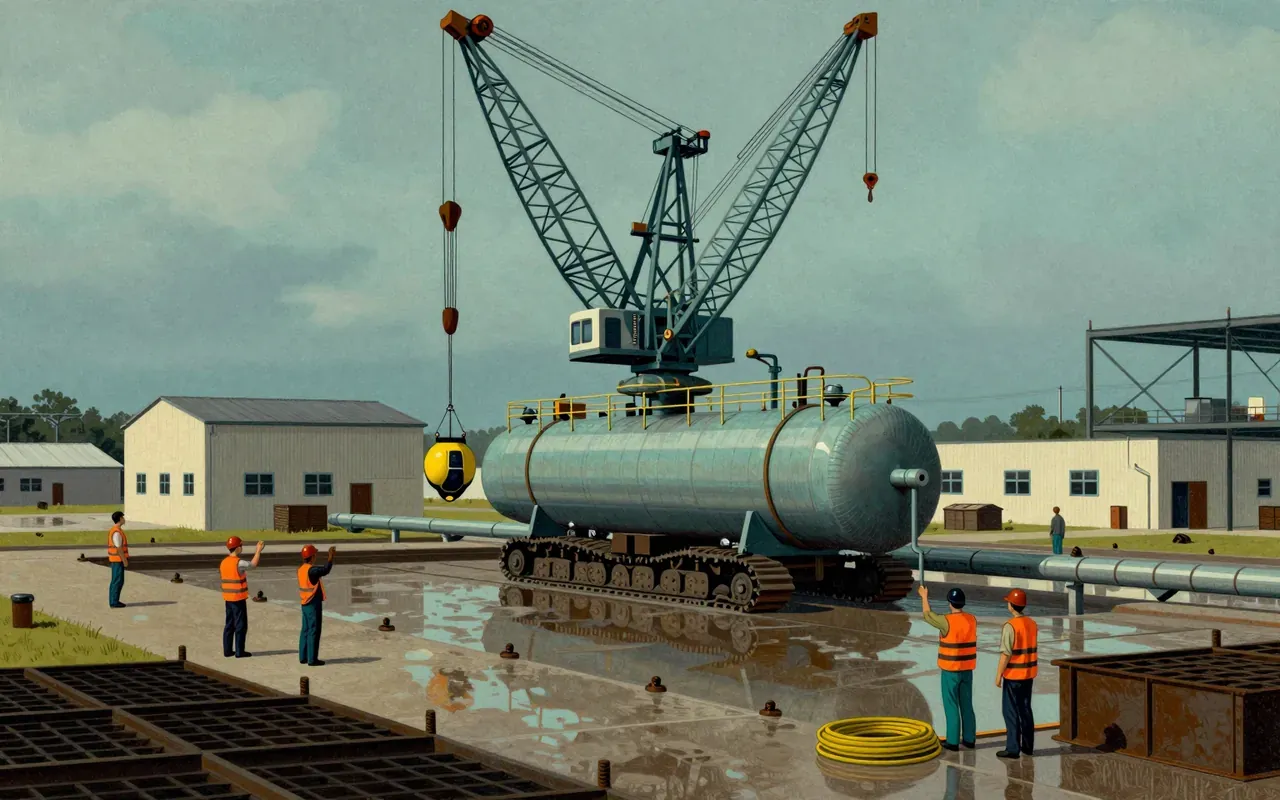
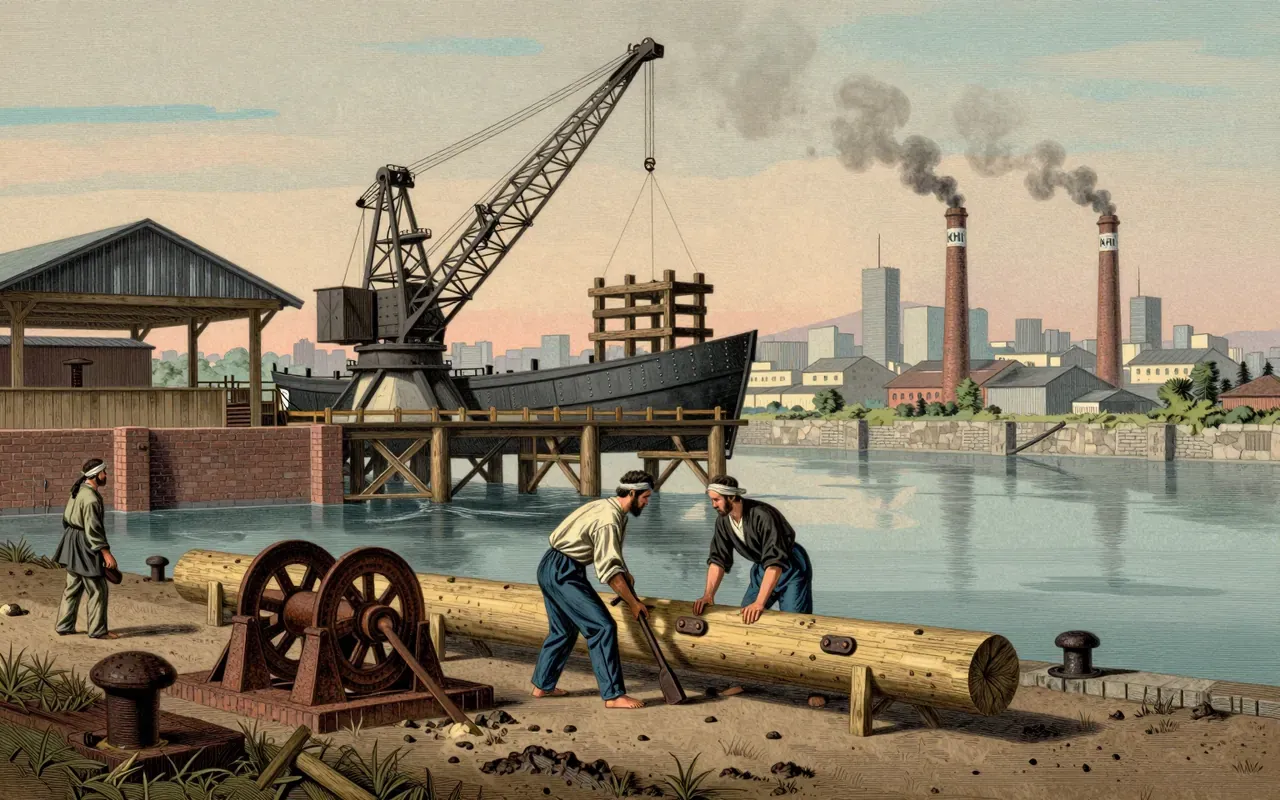

Kobe Steel is a Japanese industrial conglomerate whose name misleads: steel accounts for the smallest share of its business among major Japanese steelmakers. It grew not through market innovation but via naval technical guidance and orders after the Russo-Japanese War. Its real strengths lie in wire rods, transport aluminium, screw compressors, and wholesale power supply—three distinct divisions operating semi-independently. The gap between its identity (a steel company) and its economics (a diversified industrial group) is structural, not accidental.


POSCO is a state-created steelmaker that achieved scale and productivity through sovereign backing — not market signals or founder vision.
Shell plc is a British multinational oil and gas company formed in April 1907 through the merger of Royal Dutch Petroleum Company and The 'Shell' Transport and Trading Company — founded in 1897 by Marcus Samuel and his brother. It is vertically integrated across exploration, production, refining, transport, distribution, marketing, petrochemicals, power generation, and trading. It was the ninth-largest corporate greenhouse gas emitter (1988–2015). In 2004, it overstated oil reserves, triggering a £17 million fine and leadership change. In 2021, it rebranded from Royal Dutch Shell plc to Shell plc.

Siemens is a German multinational engineering company founded in 1847 as Telegraphen-Bauanstalt von Siemens & Halske in Berlin. It evolved through mergers into Siemens AG in 1966. It makes money from industrial automation, building automation, rail transport, and health technology. Its early model worked: rapid internationalisation via family agents, vertical integration from invention to installation, and patent-backed standard-setting. It does not sustain leadership in all its historical domains: it no longer builds x-ray tubes, electric trams, or passenger trains as standalone products. The gap between Siemens’s founding logic — applied electromagnetism deployed via owned workshops and international agents — and its present structure — a diversified, publicly listed conglomerate with AI and software at its core — reveals how industrial capability gets recoded as platform strategy over time. Yes — if you are studying how engineering firms scale infrastructure innovation into global revenue without pivoting to venture capital narratives.
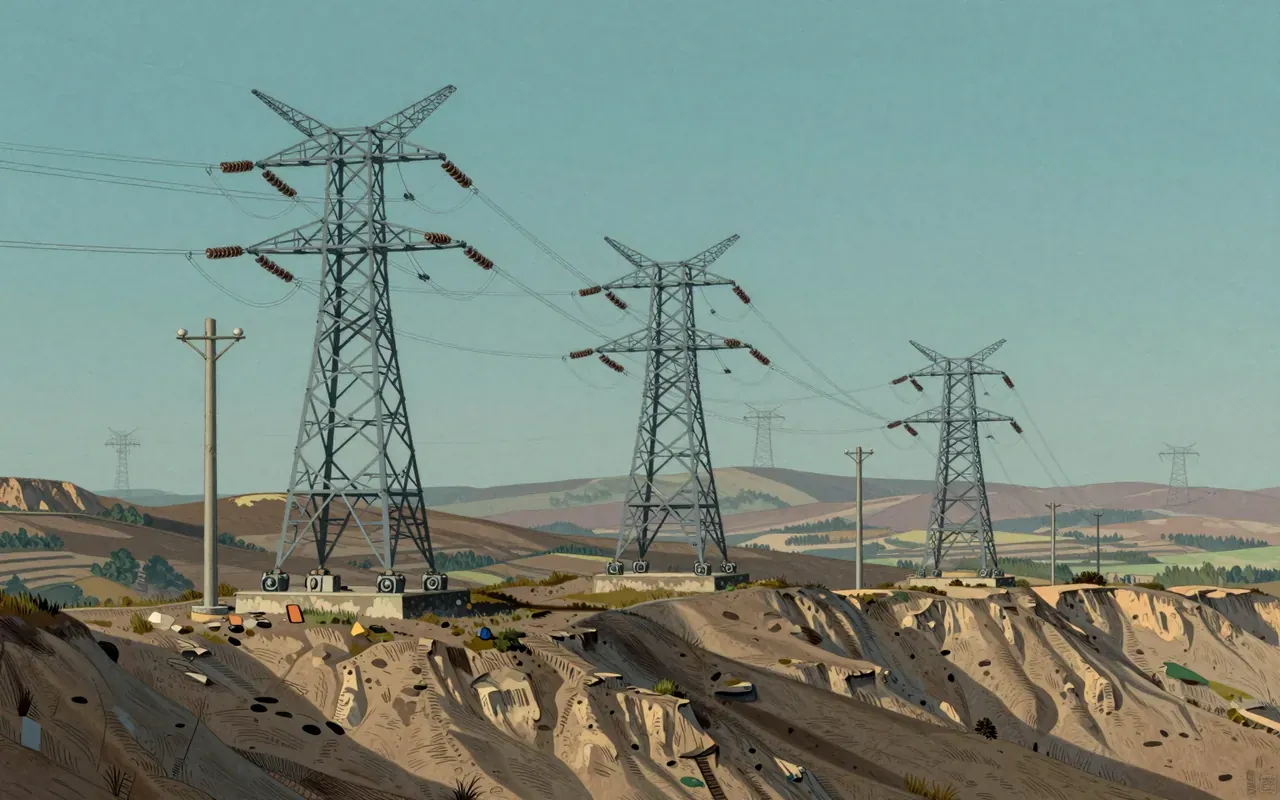
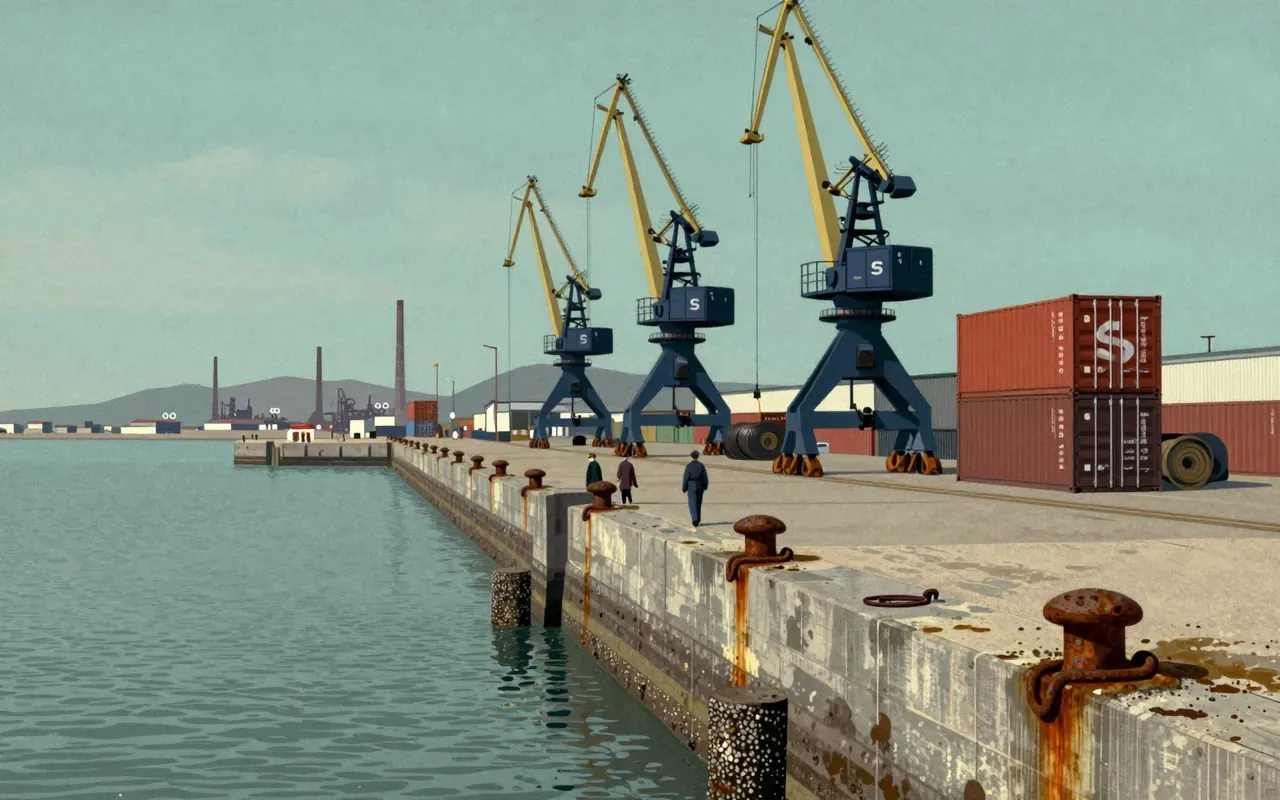


Nokia's origin is industrial infrastructure, not digital ambition. Its longevity stems from disciplined capital management — not visionary foresight.
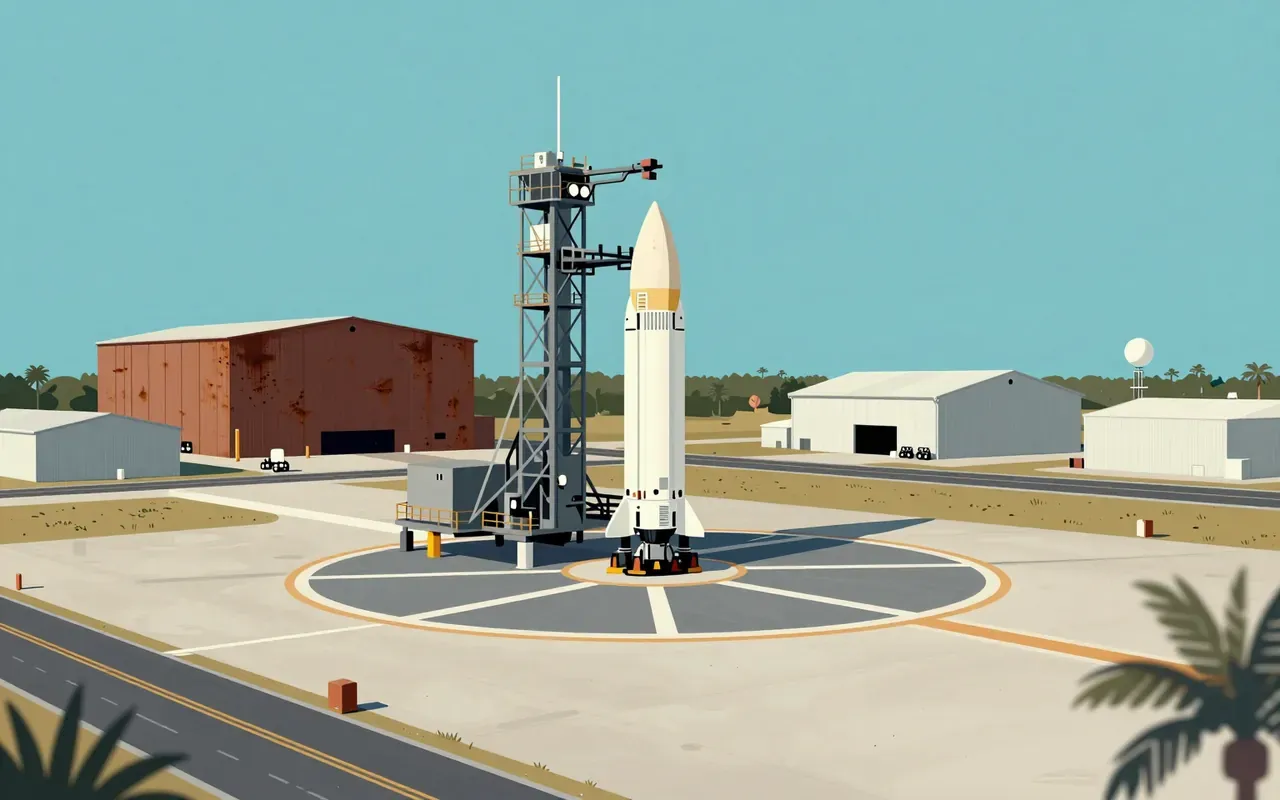
SpaceX is a government-contract-powered aerospace manufacturer whose reusable launch system succeeded where others failed — not because of vision alone, but because NASA paid for development, testing, and flight operations while Starlink created a parallel revenue stream. Its Mars and Starship ambitions remain outside this economic reality.