What the company or idea is
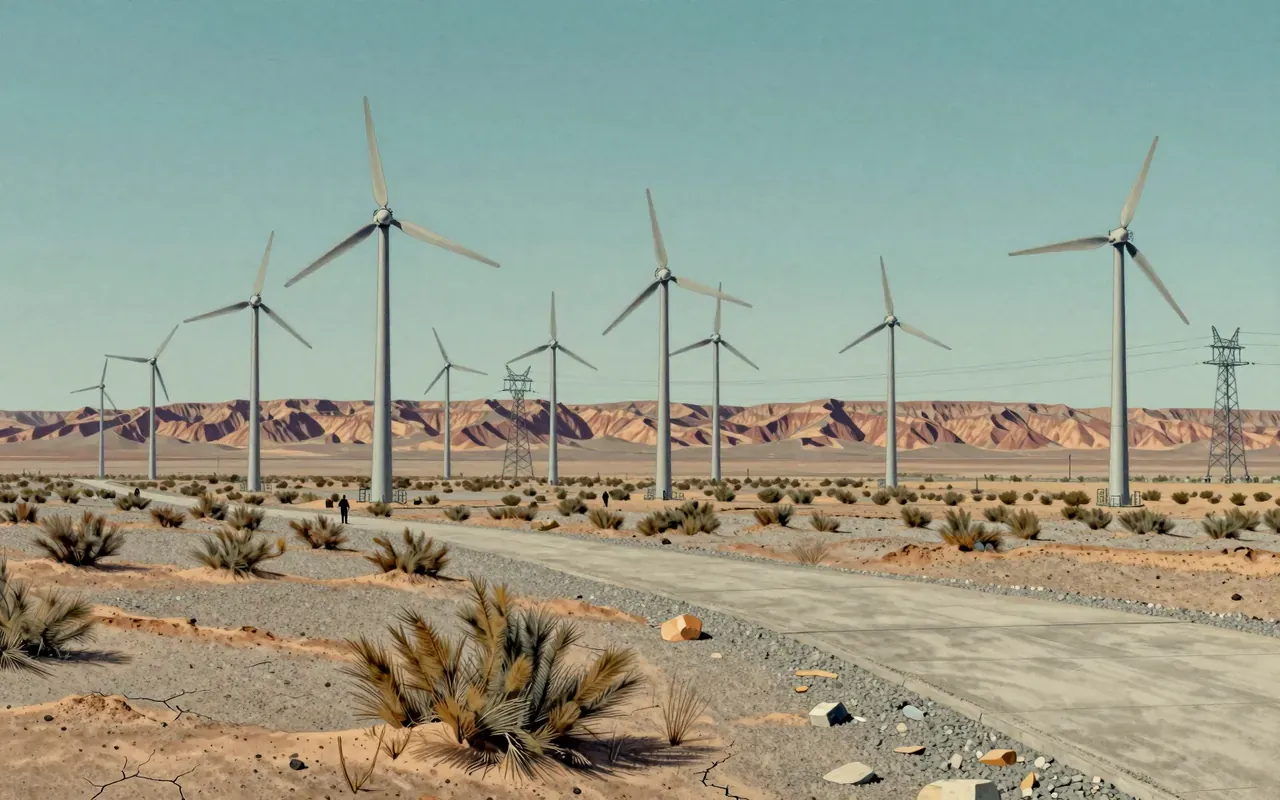
Goldwind is a Chinese multinational wind turbine manufacturer headquartered in Beijing, founded in 1998 as a state-owned enterprise emerging from Xinjiang Wind Energy and the 863 Program.
How it actually makes money
Goldwind makes money selling wind turbines, primarily to state-backed power developers in China, funded by low-interest loans from the China Development Bank and built using technology acquired from Danish and German firms.
What works
Its reliance on state capital (Danish grant, China Development Bank loan) and targeted acquisitions (Bonus Energy turbines, Vensys technology) enabled rapid scaling, first assembly plant in Urumqi, and dominance in China’s onshore wind market.
What does not
Goldwind does not independently develop core turbine technology. Its permanent magnet direct-drive system came from Vensys in 2008, not internal invention. It did not originate its own turbine designs or manufacturing process.
What to take from it
Goldwind shows how state financing, foreign technology acquisition, and captive domestic demand—not market competition or proprietary innovation—can build a global top-three turbine supplier.
Is it worth your time
Yes—if you want to understand how state-directed industrial policy builds scale before innovation, and how foreign IP transfer enables domestic champions without organic R&D capacity.