businessbriefs
10:38in productionCh. 1 · What it is/ 10:38 · ceiling 15 min
Companies · Rise & fall

Eskom

1923

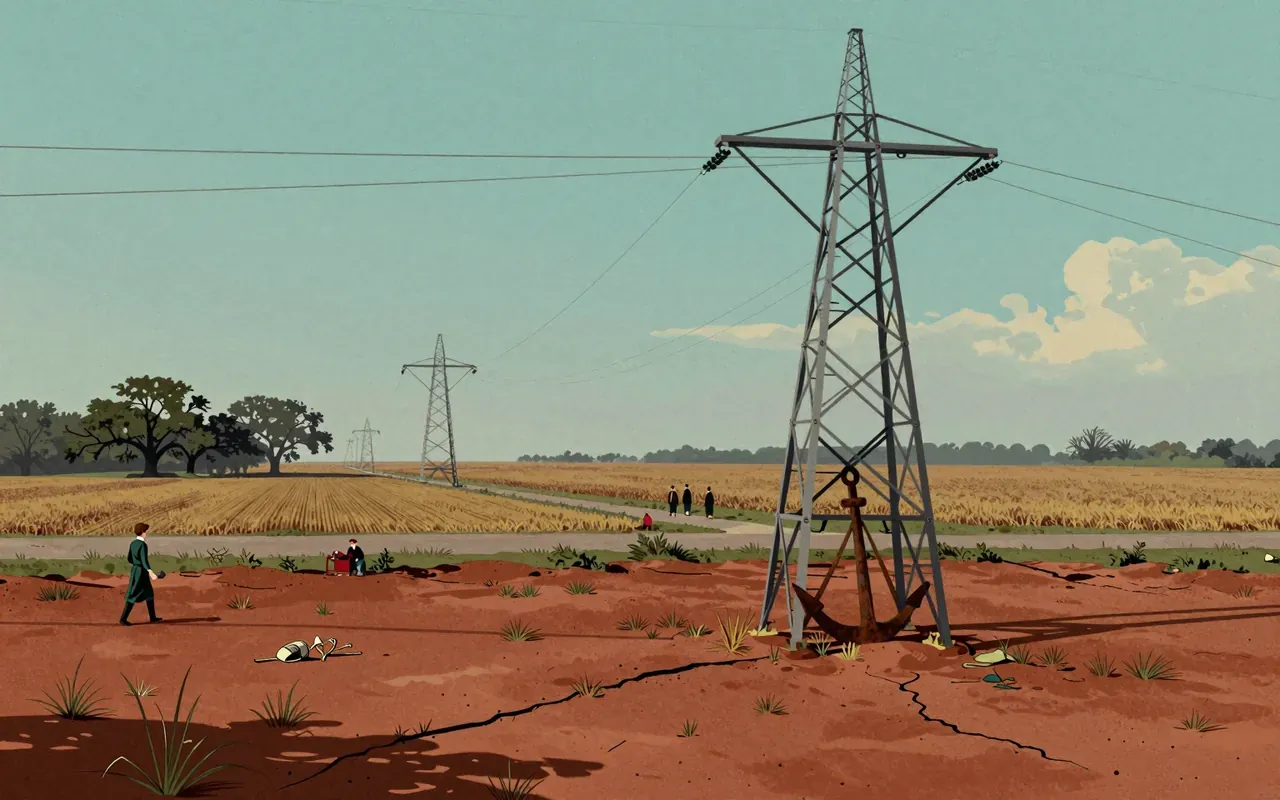
A state monopoly that powers a nation also poisons its air—and blackouts prove it runs on inertia, not investment.

Eskom is not a case study in innovation or reform. It is a ledger of deferred costs—technical, financial, environmental—written across a national grid.

Chapters & takeaways4
  1. 0:57
    What it is

    Eskom is a South African state-owned utility founded in 1923 as the Electricity Supply Commission.

  2. 2:57
    Scale without competition

    It generates 95% of South Africa’s electricity—and 45% of Africa’s total—making it the continent’s largest power producer.

  3. 4:39
    Capacity and consequence

    It operates Africa’s only nuclear plant—but emits more sulphur dioxide than any other power company on Earth.

  4. 6:22
    Blackouts as baseline

    Rolling blackouts began in January 2008 and lasted until early 2024—proof of systemic failure, not temporary shortage.

Worth your time?

Yes. Study the whole thing.

3.5/ 5
What works
  • It maintains continent-scale generation capacity.
  • It owns and operates Africa’s only nuclear plant.
  • It has survived decades of political turbulence without formal privatisation.
What does not
  • It does not operate competitively.
  • It does not price carbon or sulphur dioxide emissions.
  • It does not reliably meet demand despite monopoly status.
Study it if
  • Infrastructure investors assessing sovereign risk.
  • Policy analysts studying public utility governance.
  • Engineers evaluating coal fleet lifecycle management.
Skip it if
  • Startups seeking operational playbooks.
  • Venture capitalists assessing scalability.
  • Marketers studying brand transformation.
The written brief1 min read

What the company or idea is

Eskom is a South African state-owned electricity utility established in 1923 as the Electricity Supply Commission.

How it actually makes money

Eskom makes money by generating, transmitting, and selling electricity—primarily to municipalities and large industrial customers—under a vertically integrated state monopoly.

What works

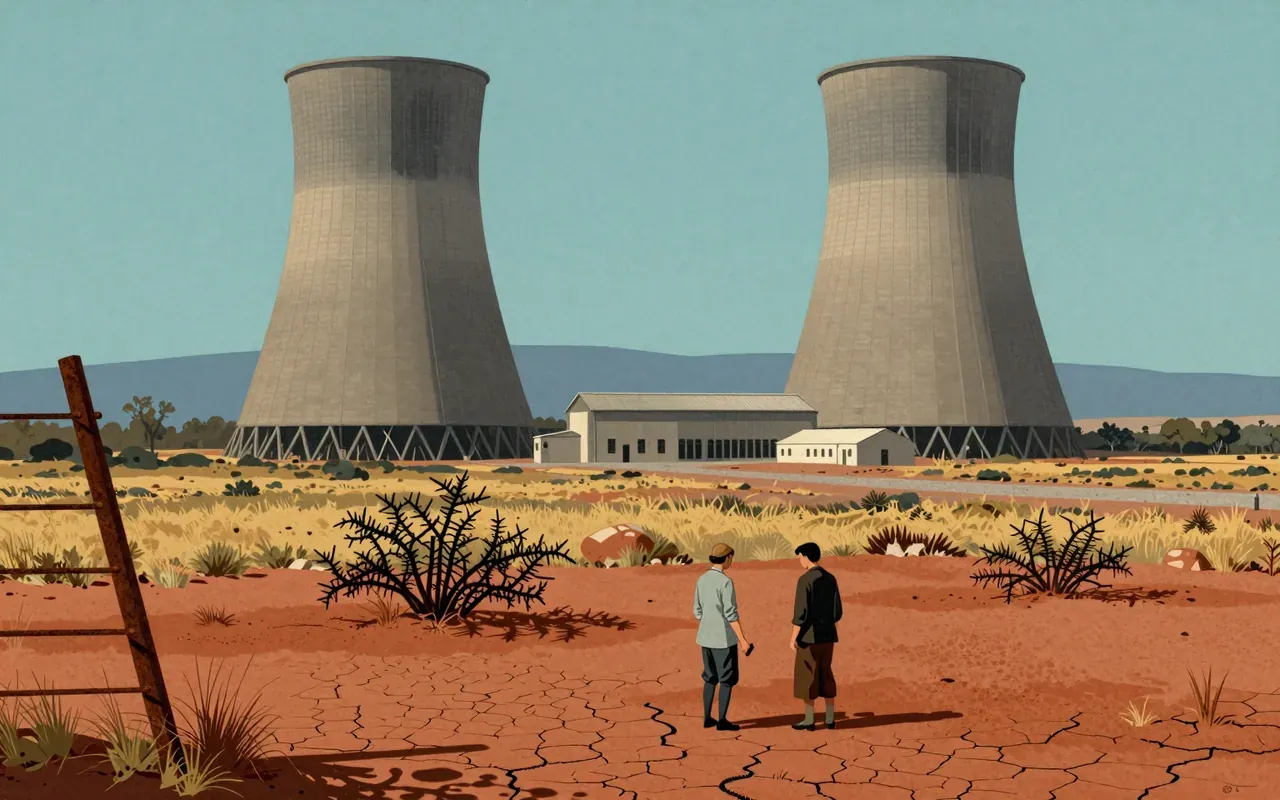
It operates Africa’s only nuclear power station (Koeberg) and remains the continent’s largest electricity producer, supplying ~45% of all electricity used in Africa.

What does not

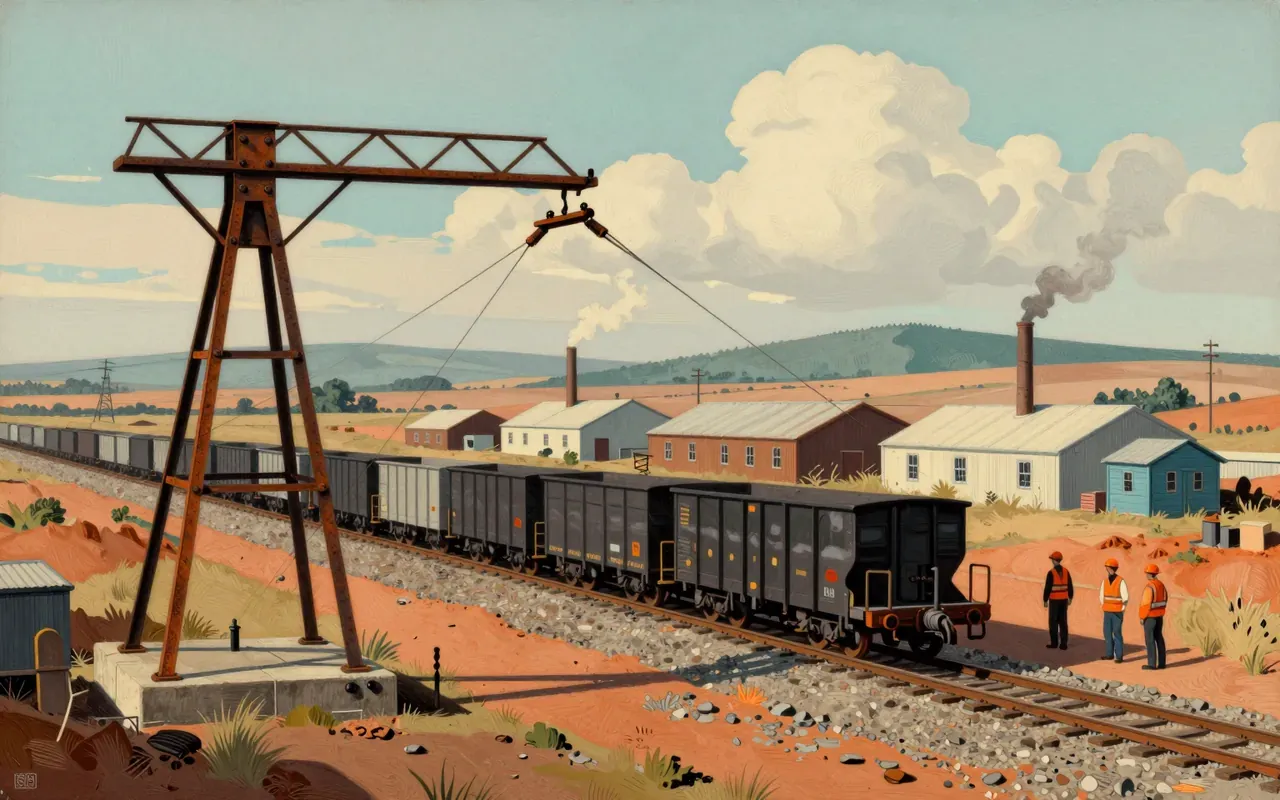
Its generation fleet is unreliable: ageing coal plants, delayed new builds (Medupi, Kusile), and persistent supply shortfalls forced rolling blackouts from 2008 until early 2024.

What to take from it

A monopoly that supplies 95% of a nation’s electricity can become systemically unstable when capital expenditure lags depreciation—and when environmental externalities go unpriced.

Is it worth your time

Yes—if you are studying how state-owned infrastructure monopolies collapse under deferred maintenance, regulatory capture, and emissions liabilities without price signals or competition.
Same desk · Companies4 of 164
Up next in Business

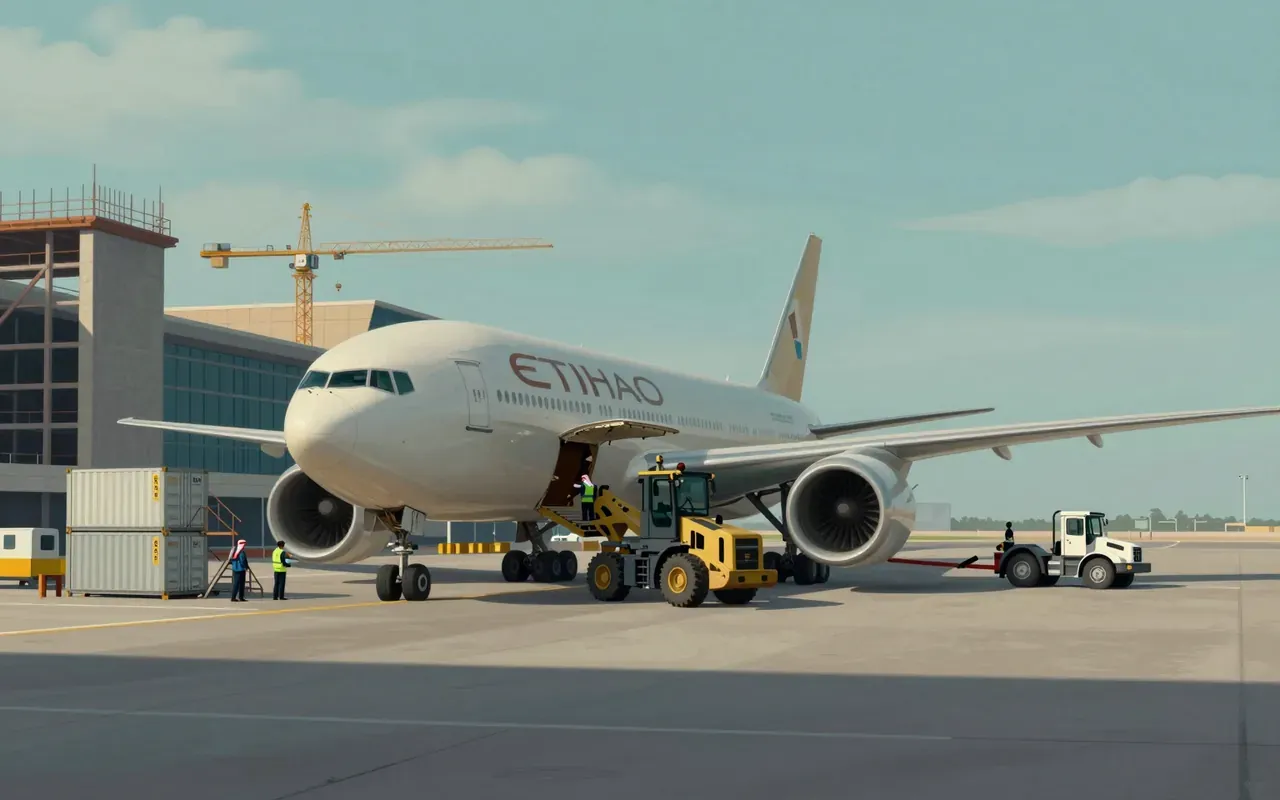
Etihad Airways

Sheikh Mohamed bin Zayed · 2003 · 10:28

A state-owned airline built for prestige, not profit—its scale is political, not economic.

10:28