Mack Trucks is a vertically narrow, geographically mobile, and corporately subordinated industrial brand — sustained not by innovation or scale, but by consistent execution in a defined vehicle class and enduring customer trust in its vocational durability.
Mack was founded in Brooklyn in 1900, moved to Allentown in 1905, and relocated again to Greensboro in 2009 — a physical record of shifting industrial priorities.
2:40
Acquired, not scaled
Volvo bought Mack in 2000 — not as a standalone acquisition, but as part of a package that included Renault Véhicules Industriels.
4:57
Narrowed scope, retained segment rank
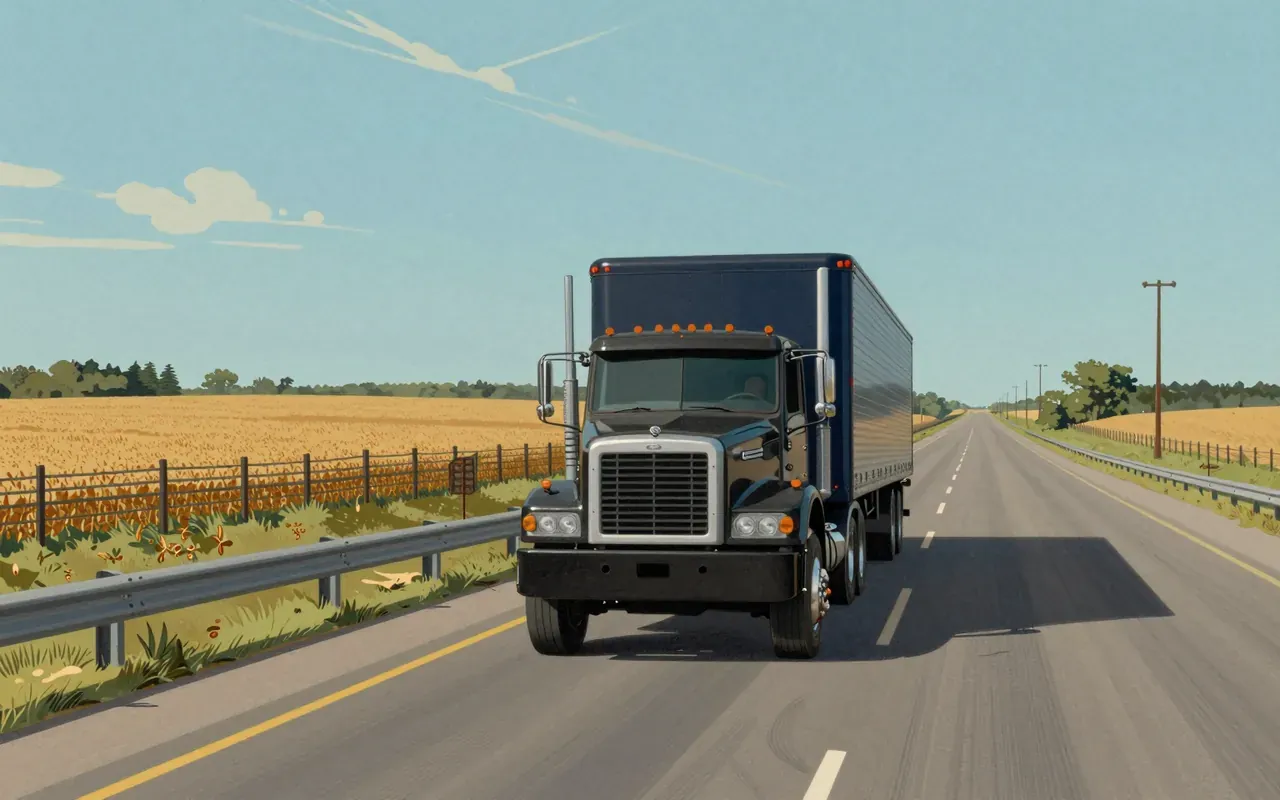
Mack exited bus and trolley bus production but doubled down on heavy-duty vocational and on-road trucks in Classes 8–13.
7:01
Global reach, local production
Sales span 45 countries, but all vehicles are built only in Lower Macungie, Pennsylvania and Salem, Virginia.
Worth your time?
Yes. Study the whole thing.
3.5/ 5
What works
Maintaining brand recognition across three ownership regimes
Retaining top-tier status in Class 8–13 despite exit from buses
Operating two U.S. plants while serving 45 countries
What does not
Mack Trucks controls its own R&D roadmap
Mack Trucks sets its own pricing or distribution policy
Mack Trucks owns its manufacturing facilities outright
Study it if
Students of industrial consolidation
Analysts tracking OEM supply-chain dependencies
Historians of American manufacturing geography
Skip it if
Startups seeking growth playbooks
Investors assessing independent valuation levers
Policy makers evaluating domestic production resilience
The written brief1 min read
What the company or idea is
Mack Trucks is a U.S. truck manufacturer founded in 1900 as Mack Brothers Company, now a wholly owned Volvo subsidiary producing heavy-duty trucks in Pennsylvania and Virginia.
How it actually makes money
Mack Trucks makes money by manufacturing and selling vocational and on-road trucks in classes 8–13, primarily to commercial and municipal fleets in 45 countries.
What works
Its focus on vocational and on-road Class 8–13 trucks — backed by two U.S. manufacturing sites and sales in 45 countries — sustains its position among top producers in that segment.
What does not
Mack Trucks does not control its own strategy, R&D, or capital allocation. Since 2000, it has operated as a subsidiary of Volvo, which acquired it alongside Renault Véhicules Industriels.
What to take from it
Mack Trucks shows how brand continuity can persist across ownership, geography, and product shifts — even when the original founders’ control, business scope (buses/trolley buses), and headquarters location have all been abandoned.
Is it worth your time
Yes — if you are studying how legacy industrial firms survive through ownership changes, geographic relocations, and product-line narrowing without scaling revenue or independence.