businessbriefs
10:01in productionCh. 1 · A Corporate Shell, Not a Startup/ 10:01 · ceiling 15 min
Companies · Strategy

Iveco

1975

A 1975 merger of five European truck makers created scale without unity — and proved that corporate branding doesn’t equal engineering integration.

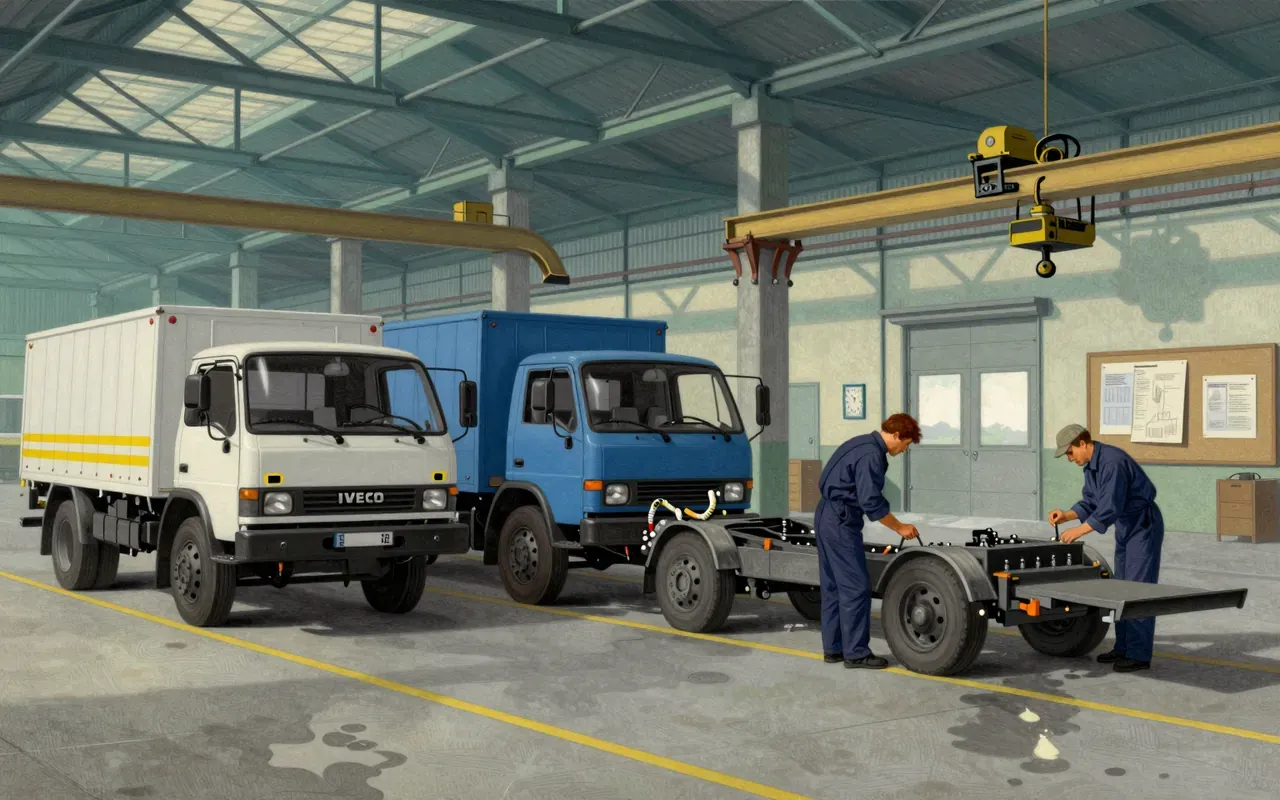
Iveco’s 1975 formation was a top-down consolidation of national industrial assets, not a product-led venture. Its early output confirms continuity over innovation: inherited models, fragmented ranges, and delayed engineering integration. It demonstrates how ‘scale’ can be declared before it is built.

Chapters & takeaways4
  1. 0:59
    A Corporate Shell, Not a Startup

    Iveco was not founded but assembled: five national brands merged on 1 January 1975 under Italian ownership.

  2. 2:13
    Range Over Rationalisation

    By 1979, Iveco offered 200 basic models and 600 versions — evidence of inherited complexity, not streamlined design.

  3. 3:56
    Rebranding, Not Reinvention

    The Zeta (1977) and Daily (1978) were not new-platform breakthroughs — they replaced aging models from OM and Fiat, respectively.

  4. 5:51
    Engineering Lagged Behind Incorporation

    Its first turbo diesel engine for heavy vehicles arrived only in 1980 — three years after incorporation, showing delayed R&D integration.

Worth your time?

Yes. Study the whole thing.

3.5/ 5
What works
  • establishes scale rapidly
  • covers full GVW spectrum by 1979
  • replaces legacy models with branded successors
What does not
  • no funding rounds
  • no founder profiles
  • no market share claims
  • no revenue figures
Study it if
  • industrial historians
  • corporate strategists
  • transport policy analysts
Skip it if
  • startup founders
  • VC investors
  • product designers seeking inspiration
The written brief1 min read

What the company or idea is

Iveco is an Italian multinational transport vehicle manufacturer, formed on 1 January 1975 through the merger of five European brands — Fiat Veicoli Industriali, OM, Lancia Veicoli Speciali, Unic, and Magirus-Deutz.

How it actually makes money

Iveco makes money by designing and building light, medium, and heavy commercial vehicles — including buses and engines — for industrial and transport use.

What works

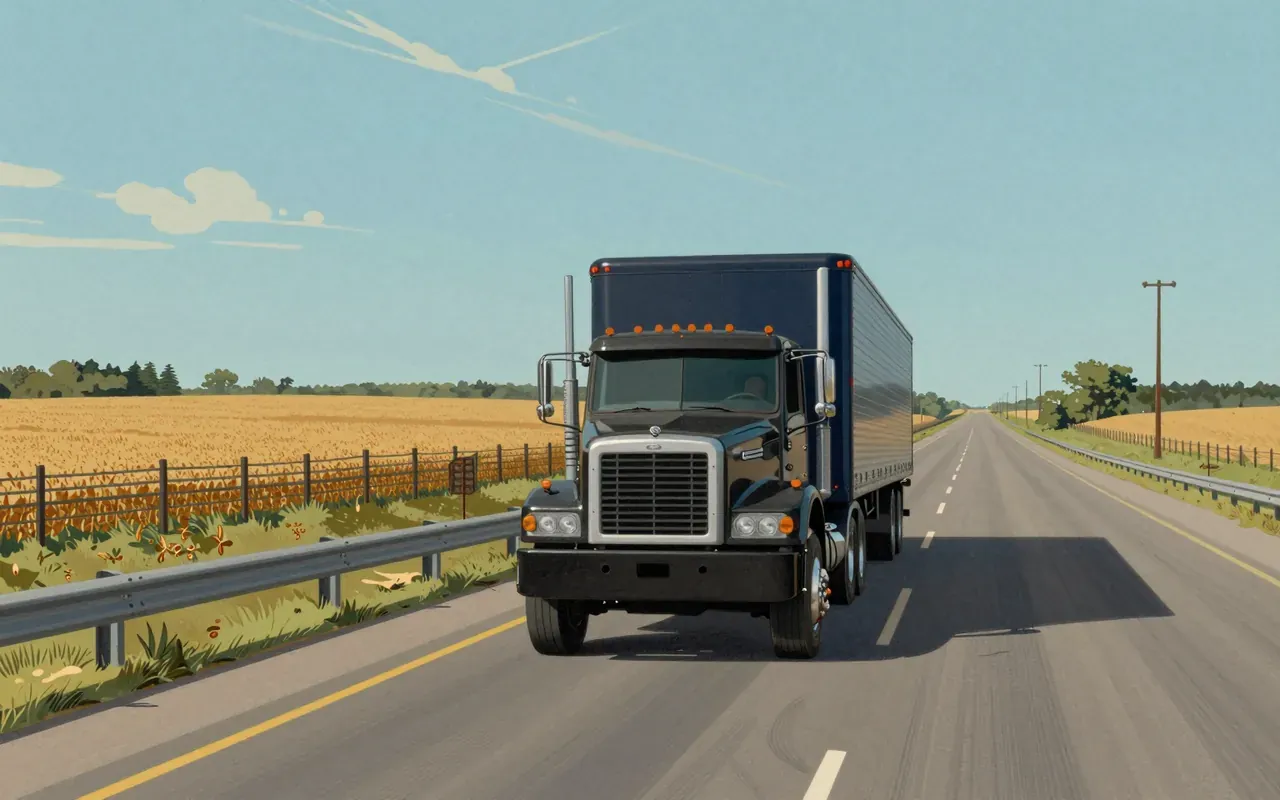
It established scale quickly: by 1979, it offered vehicles spanning 2.7 to over 40 tons GVW, plus buses and engines — covering the full commercial vehicle spectrum across Europe.

What does not

It did not unify its inherited brands into a single engineering or branding strategy by 1979: the range still comprised 200 basic models and 600 versions, suggesting fragmentation, not synergy.

What to take from it

The 1975 merger was administrative and financial, not technical or cultural: early products like the Zeta (1977) and Daily (1978) replaced legacy models but were developed within inherited brand silos, not a new Iveco system.

Is it worth your time

Yes, if you are studying how European industrial consolidation worked in the 1970s: it shows what happens when five national vehicle brands merge under one corporate identity without immediate product integration or shared platforms.
Same desk · Companies4 of 164
Up next in Business

Japan Airlines

1951 · 10:22

A national airline built for recovery became a cautionary tale about scale without sovereignty over its own balance sheet.

10:22