businessbriefs
10:39in productionCh. 1 · Three beginnings, one name/ 10:39 · ceiling 15 min
Rise & fall

MAN SE

1758

A 263-year industrial lineage ended not with bankruptcy or scandal—but with a silent statutory merger into Traton SE in August 2021.

MAN SE was a German industrial manufacturer whose 263-year lineage—from 1758 ironworks to 2021 merger—ended not with decline but with absorption. It made money selling trucks and diesel engines. It worked by consolidating regional engineering capacity under a single brand. It failed to retain autonomy once majority-owned by Traton. Its lesson is structural: longevity does not guarantee independence. Its end was administrative, not economic.

Chapters & takeaways4
  1. 1:00
    Three beginnings, one name

    MAN’s origin is not one founding but three: an ironworks (1758), a southern machine factory (1840), and a northern one (1841)—united only in 1898.

  2. 2:47
    The birth of the brand

    The 1908 rebrand to M·A·N marked the first time the company prioritised unified identity over regional heritage—and enabled rapid scaling under von Buz.

  3. 4:52
    What it sold

    MAN SE’s revenue came exclusively from physical capital goods—commercial vehicles and diesel engines—not software, services, or data.

  4. 6:25
    How it ended

    MAN SE ceased to exist in August 2021—not restructured, not renamed, but legally extinguished via Traton’s squeeze-out.

Worth your time?

No. The brief is enough.

3.5/ 5
What works
  • business/companies
  • business/rise-and-fall
  • business/strategy
What does not
  • business/startups-and-venture
  • business/founders
  • business/ideas
Study it if
  • industrial-policy-analysts
  • corporate-historians
  • heavy-vehicle-supply-chain-professionals
Skip it if
  • startup-founders
  • VC-investors
  • product-managers
The written brief1 min read

What the company or idea is

MAN SE was a German manufacturing and engineering company headquartered in Munich, formed in 1898 from the merger of two machine-building firms, with roots tracing to the 1758 St. Anthony ironworks in Oberhausen.

How it actually makes money

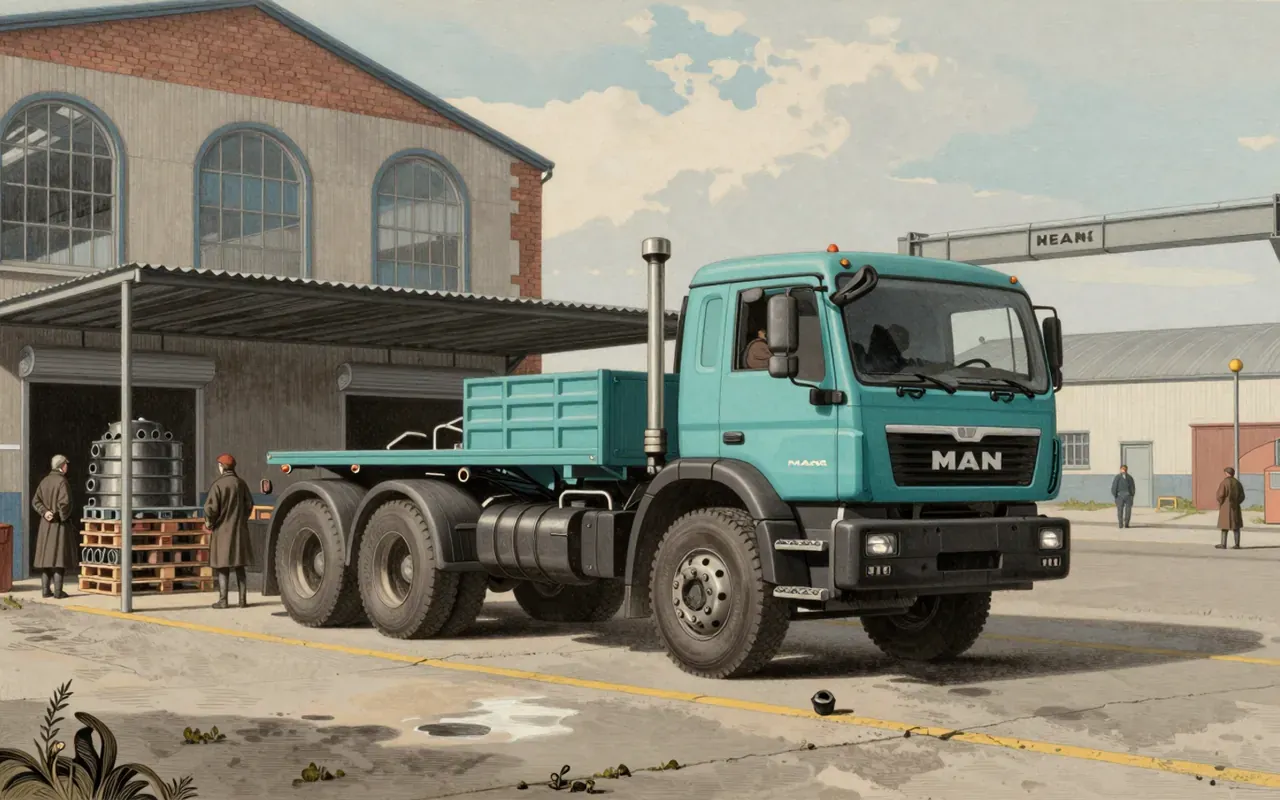
MAN SE made money by manufacturing and selling commercial vehicles and diesel engines, primarily through its MAN Truck & Bus and MAN Latin America divisions, and via equity participation in Sinotruk.

What works

Its long-term viability rested on scale, vertical integration, and alignment with a parent automaker’s heavy-vehicle strategy. The 1908 renaming to Maschinenfabrik Augsburg Nürnberg AG formalised a unified identity that endured for over a century.

What does not

MAN SE did not sustain independent strategic or financial agency after Traton gained majority ownership. Its merger into Traton SE was not a partnership but a statutory squeeze-out — ending its corporate identity entirely.

What to take from it

MAN SE illustrates how industrial legacy brands can be legally dissolved—not rebranded or spun off—but erased through vertical consolidation, even after 263 years of continuous lineage.

Is it worth your time

No. MAN SE no longer exists as a legal or operational entity; its functions, assets, and liabilities were fully absorbed into Traton SE in August 2021.
Same desk · Rise & fall4 of 52
10:51
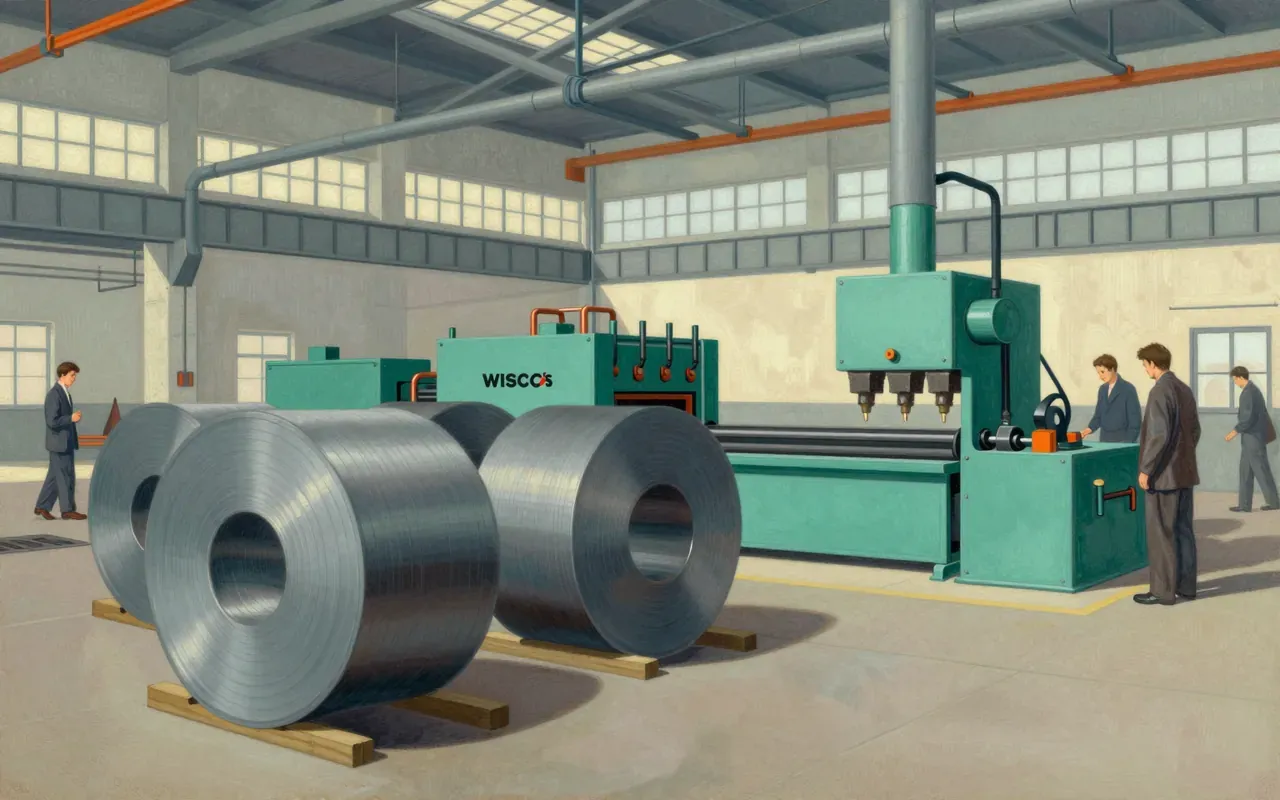
Wuhan Iron and Steel Corporation1958Wuhan Iron and Steel Corporation was a Chinese state-owned enterprise founded in 1958 as part of the First Five-Year Plan. It operated the Qingshan steel plant in Wuhan, listed a subsidiary on the Shanghai Stock Exchange in 1997, and acquired German automotive components firm Tailored Blanks in 2012. Ranked 11th globally by production volume in 2015, it suffered a heavy net loss that year and responded with large-scale capacity and workforce reductions before merging with Baosteel Group in 2016–2017 under SASAC supervision.
11:47
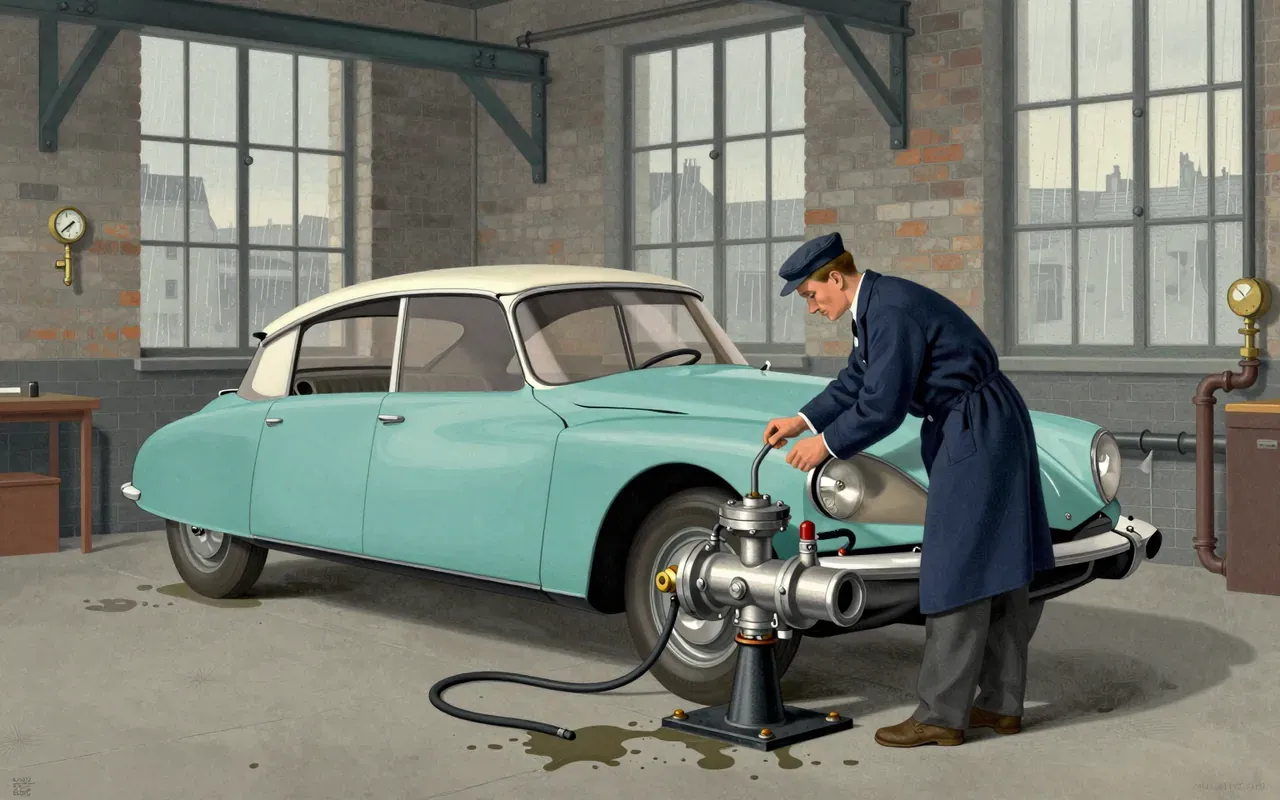
CitroënAndré-Gustave Citroën · 1919Citroën was a French automobile manufacturer founded in 1919 in Saint-Ouen-sur-Seine. It pioneered four world-first production car technologies: front-wheel drive with unibody construction (1934), hydropneumatic self-levelling suspension (1954), modern disc brakes (1955), and swiveling headlights (1967). It also launched the 2CV in 1948, pioneering soft interconnected suspension. Citroën gained international reputation mass-producing armaments in WWI. It became the fourth-largest carmaker in the world in the 1930s, peaking in 1932 with the Traction Avant. Cost struggles aggravated by the Great Depression led to bankruptcy in 1934 and takeover by Michelin. Its double-chevron logo derived from André Citroën’s application of double helical gears, which he acquired after seeing them used by a Polish carpenter around 1900.
10:20
BASF1865BASF is the world's largest chemical producer, headquartered in Ludwigshafen, Germany, and founded in 1865 as a dye manufacturer. It was reconstituted in 1952 after the dissolution of IG Farben, the conglomerate it helped form in 1925. Its global operations span over 80 countries and serve customers in over 190 countries.
9:47
Bombardier Inc.1942Bombardier Inc. is a Canadian manufacturer founded in 1942 in Valcourt by Joseph-Armand Bombardier to market his snowmobiles. It diversified into public transport vehicles and commercial jets during the 1970s and 1980s. Its turnover multiplied sixfold within six years at the end of the 1980s. At that time, it was North America's most important producer of railway vehicles, Canada's most important aerospace manufacturer, and the worldwide leading snowmobile maker. It is headquartered in Montreal.
Up next in Business

Merck & Co.

George Merck · 1891 · 10:09

Merck & Co. did not invent modern pharma — it bought, merged, and outsourced its way into it.

10:09