What the company or idea is
ArcelorMittal is a Luxembourg-headquartered multinational steel producer formed in 2007 through Lakshmi Mittal’s $33 billion hostile acquisition of Arcelor. It controls mines, blast furnaces, rolling mills, and scrap recycling facilities across 14 countries.
How it actually makes money
ArcelorMittal makes money by producing and selling steel across a vertically integrated value chain — mining iron ore and coke, smelting, rolling, and recycling scrap. It does not license technology, sell data, or operate as a platform. Revenue comes from bulk commodity sales to construction, automotive, and industrial customers.
What works
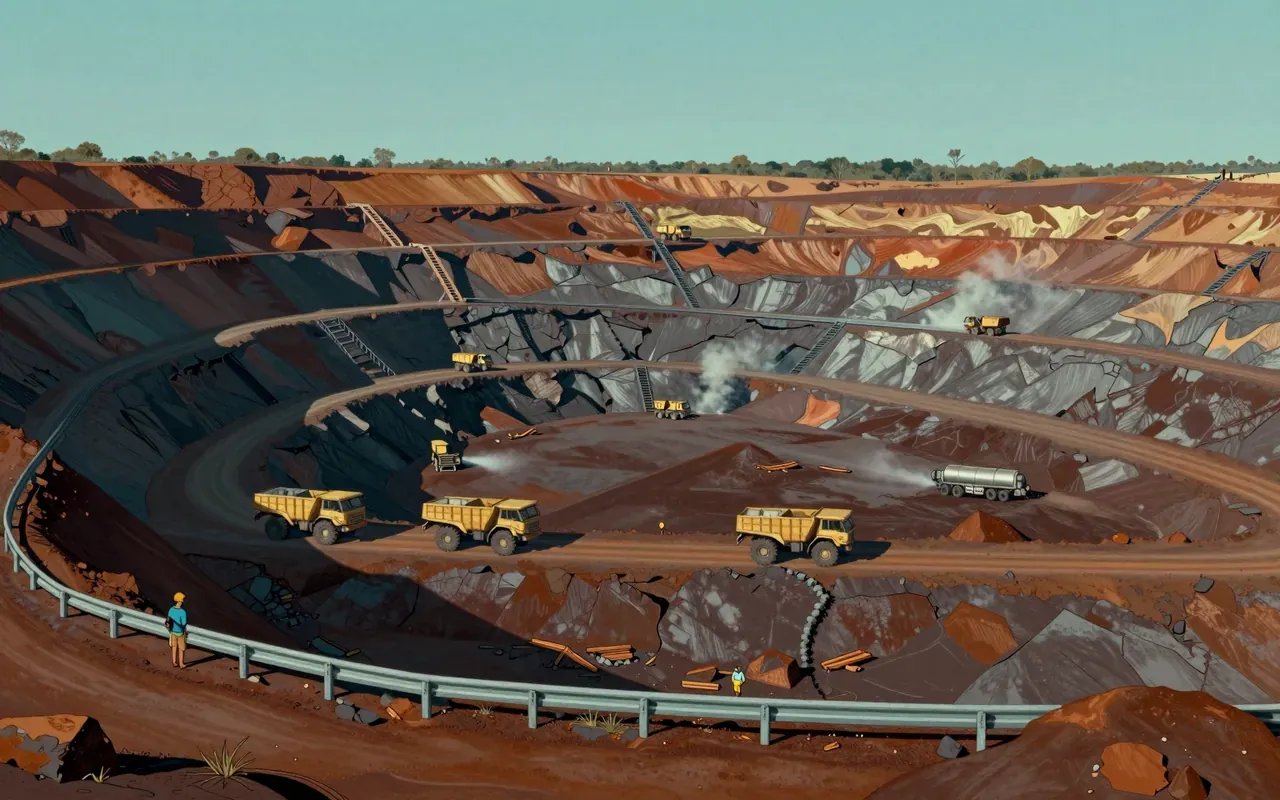
Vertical integration delivers cost control: it sources 72% of its iron ore, 91% of its coke, and 55% of its scrap internally. Its footprint spans mining in Brazil, Canada, Liberia, Mexico, Ukraine, South Africa, and India-related joint ventures — locking in raw material access.
What does not
Its scale has not insulated it from chronic underutilisation: in 2025, it ran at 74.5% of capacity (55.6M tons produced against 74.6M tons available). Its European concentration exposes it to energy cost volatility and carbon pricing without commensurate pricing power.
What to take from it
The merger delivered dominance — 10% of global steel output — but required surrendering control: the Mittal family relinquished its controlling stake and accepted governance restrictions. Scale was achieved by absorbing legacy European assets, not building new capability.
Is it worth your time
Yes — if you are assessing how scale, vertical integration, and regulatory exposure shape capital-intensive global manufacturing. No — if you expect innovation in materials science, decarbonisation delivery, or shareholder returns driven by growth rather than consolidation.