What the company or idea is
Barrick Mining Corporation is a publicly traded Canadian mining company founded in 1979, focused on gold and copper extraction. It began as Barrick Petroleum in 1980, pivoted to mining after acquiring Camflo Mines, and rebranded to Barrick Mining Corporation in 2025.
How it actually makes money
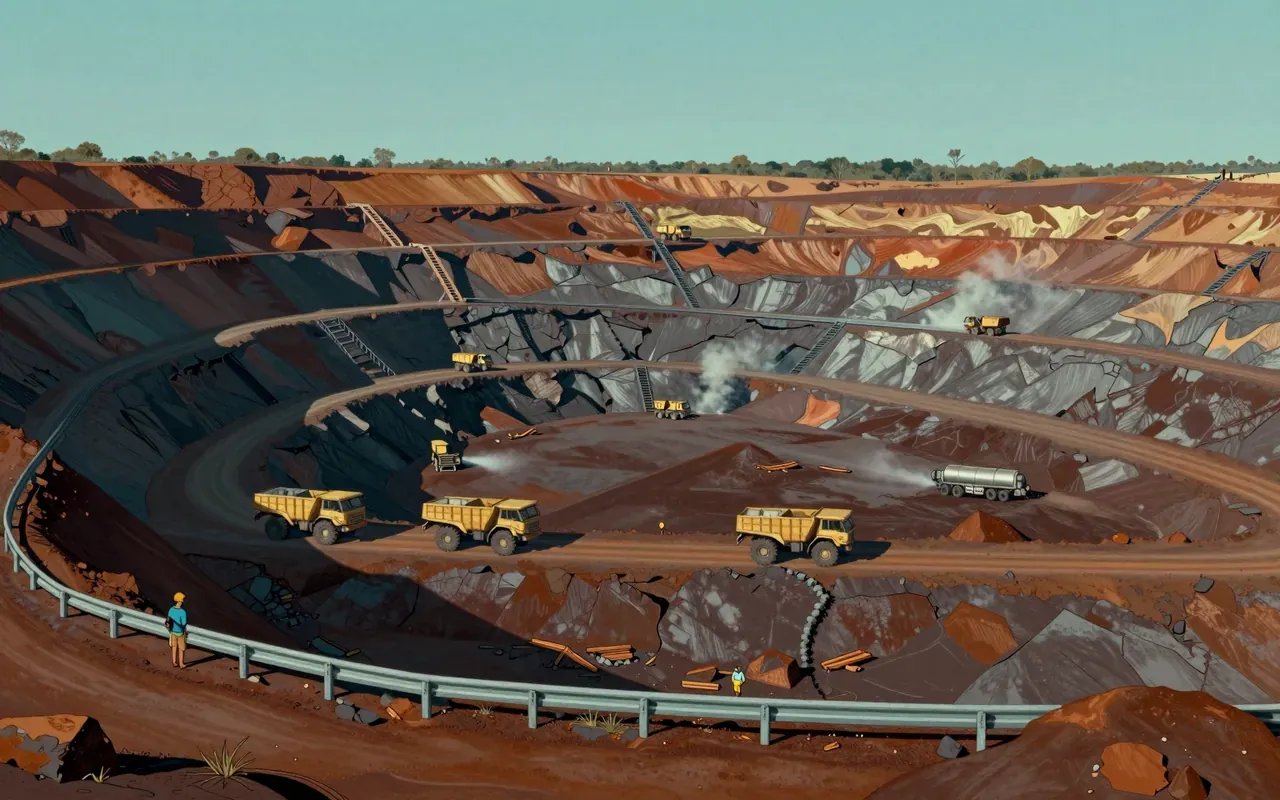
Barrick makes money by extracting and selling gold and copper. Its 2024 output was 3.91 million ounces of gold and 195,000 tonnes of copper. Revenue comes from commodity markets, not services, licensing, or technology.
What works
Its acquisition strategy works. The 1980s Goldstrike purchase rapidly elevated it among the world’s largest gold miners. The $10.4 billion Placer Dome takeover in 2006 added seven operating mines and expanded its reserve base significantly.
What does not
Its human rights record does not match its formal commitments. In 2008, Peter Munk blocked a shareholder from speaking about deadly and sexual violence by security contractors at Porgera — an act that exposed a structural gap between policy and accountability.
What to take from it
Barrick shows how a company can dominate a commodity sector through relentless acquisition — Goldstrike in the 1980s, Placer Dome in 2006 — while failing to institutionalise accountability where operations intersect with vulnerable communities.
Is it worth your time
Yes — if you need a case study in how scale is built through acquisition, how reserve size translates to operational longevity, and how governance failures persist at the highest levels of resource extraction.