BHP
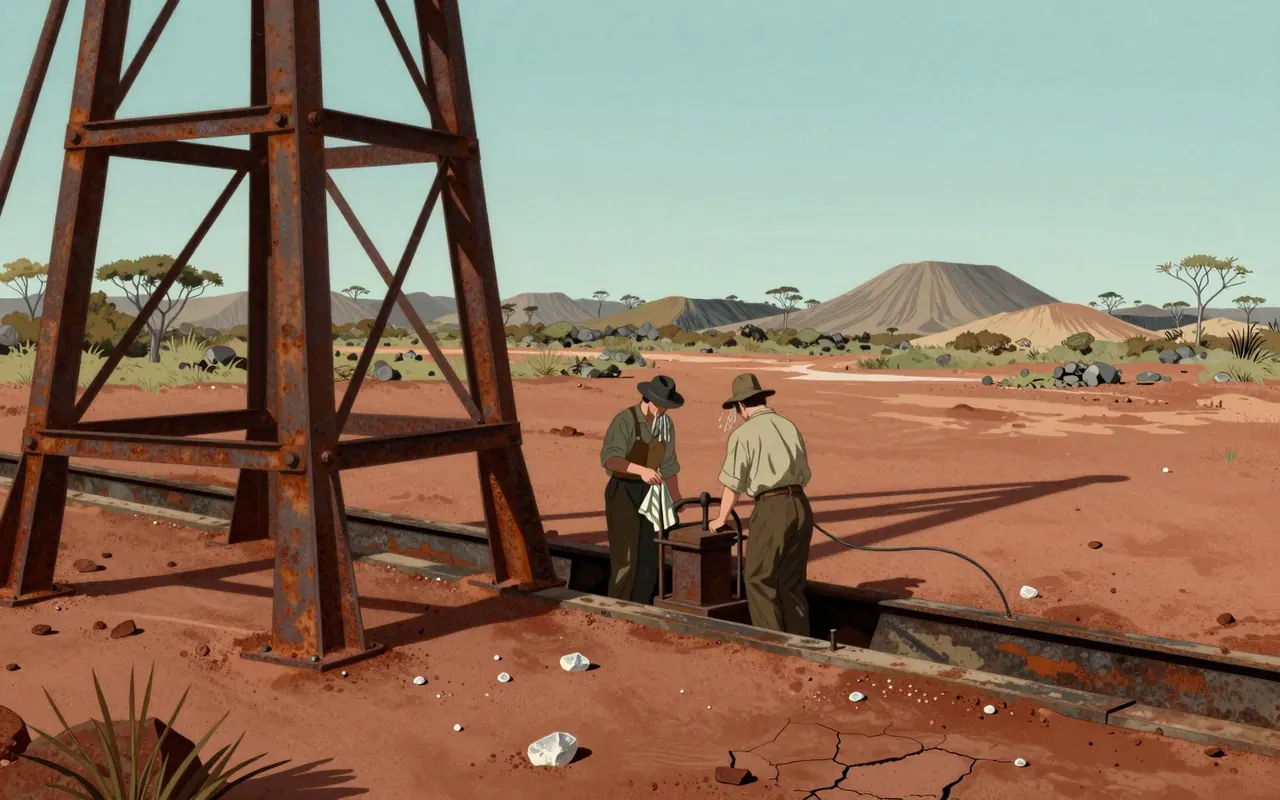
BHP is an Australian mining company, founded at Broken Hill in 1885, that today mines iron ore, copper and coal.
Where the materials actually come from, and at what cost.
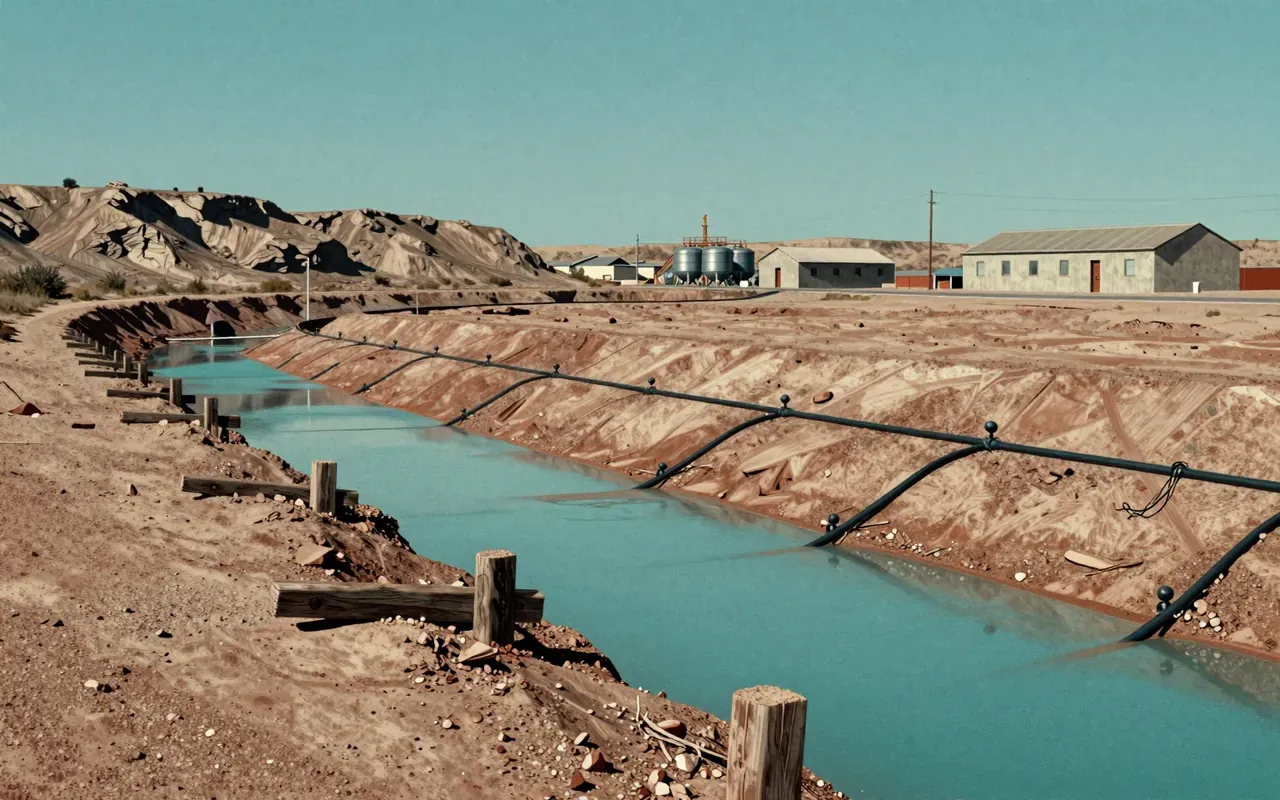
Barrick Mining is a gold-and-copper extraction company built through strategic acquisitions — not innovation, not discovery, not vertical integration. Its value lies in scale: 89 million ounces of gold in reserves, 3.91 million ounces produced in 2024, and a history of absorbing rivals like Placer Dome. But its governance fails where operations meet people: in 2008, Peter Munk personally silenced testimony about violence at Porgera. That gap — between reserve size and human accountability — is the real story.
Rio Tinto is a British–Australian multinational mining company founded in 1873, headquartered in London and Melbourne, and operating globally as a major producer of copper, iron ore, aluminium, and lithium. Its history includes early dominance in Spanish copper production, strategic diversification after 1925, pivotal mergers — notably with Consolidated Zinc in 1962 and Alcan in 2007 — and extensive international expansion. The company is dual-listed on the London and Australian stock exchanges and has faced recurring criticism over environmental damage, corruption allegations (especially in Guinea), human rights concerns (e.g., Juukan Gorge), workplace culture issues, and legal challenges related to bribery and espionage. Its operational structure spans four product-based business units and numerous subsidiaries across six continents, with core assets concentrated in Australia and Canada.
Vedanta Limited is a mining and metals company built on acquisitions, offshore holding structures, and regulatory navigation—not on technological differentiation or market creation.

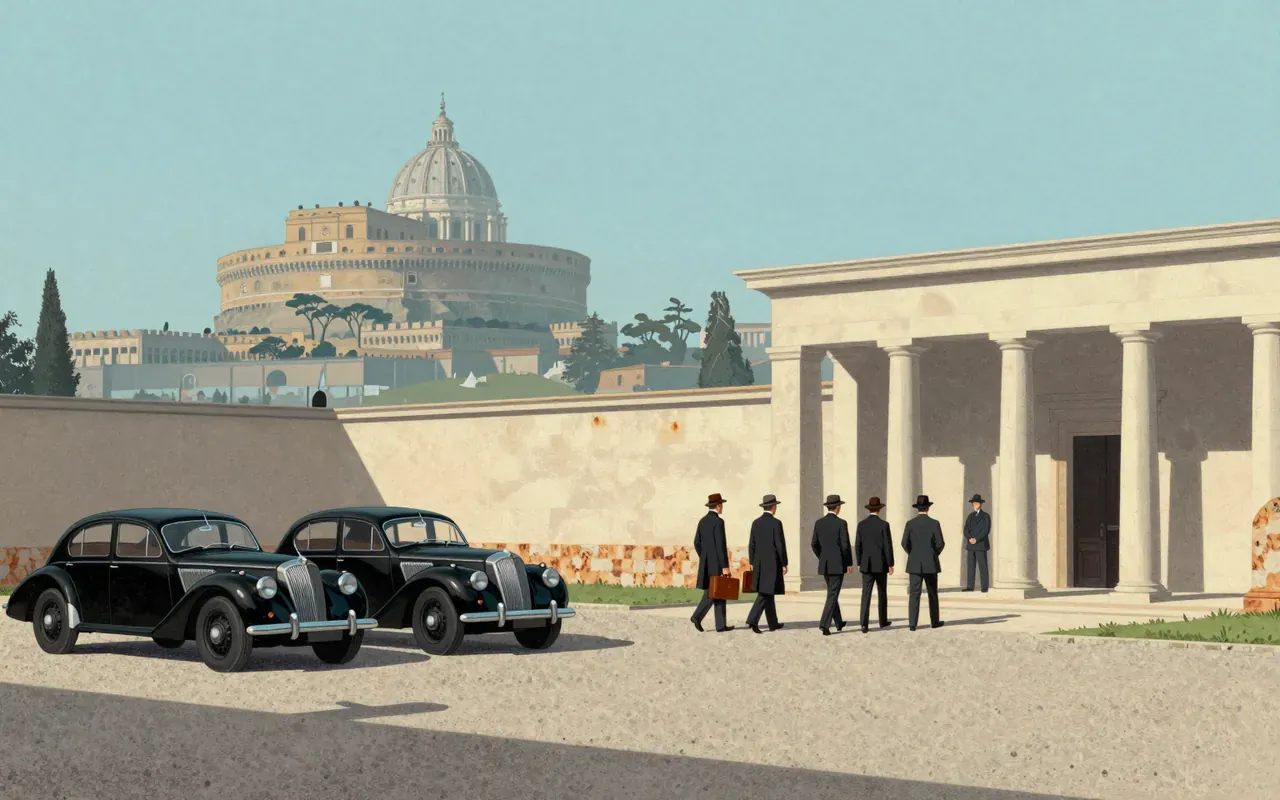
Alfa Romeo was not founded by Nicola Romeo. It was founded in 1910 as A.L.F.A. to acquire the assets of the failing Italian Darracq subsidiary. Romeo acquired it in 1915, took full ownership by 1918, renamed it in 1920, launched the first Alfa Romeo-branded car in 1921, won the inaugural 1925 World Manufacturers’ Championship, faced near-liquidation in 1927 due to poor investments, departed formally in 1928, and was taken over by the Italian state in 1933.
De Beers is a case study in artificial scarcity — built not on geology or technology, but on merger, capital, and contract.
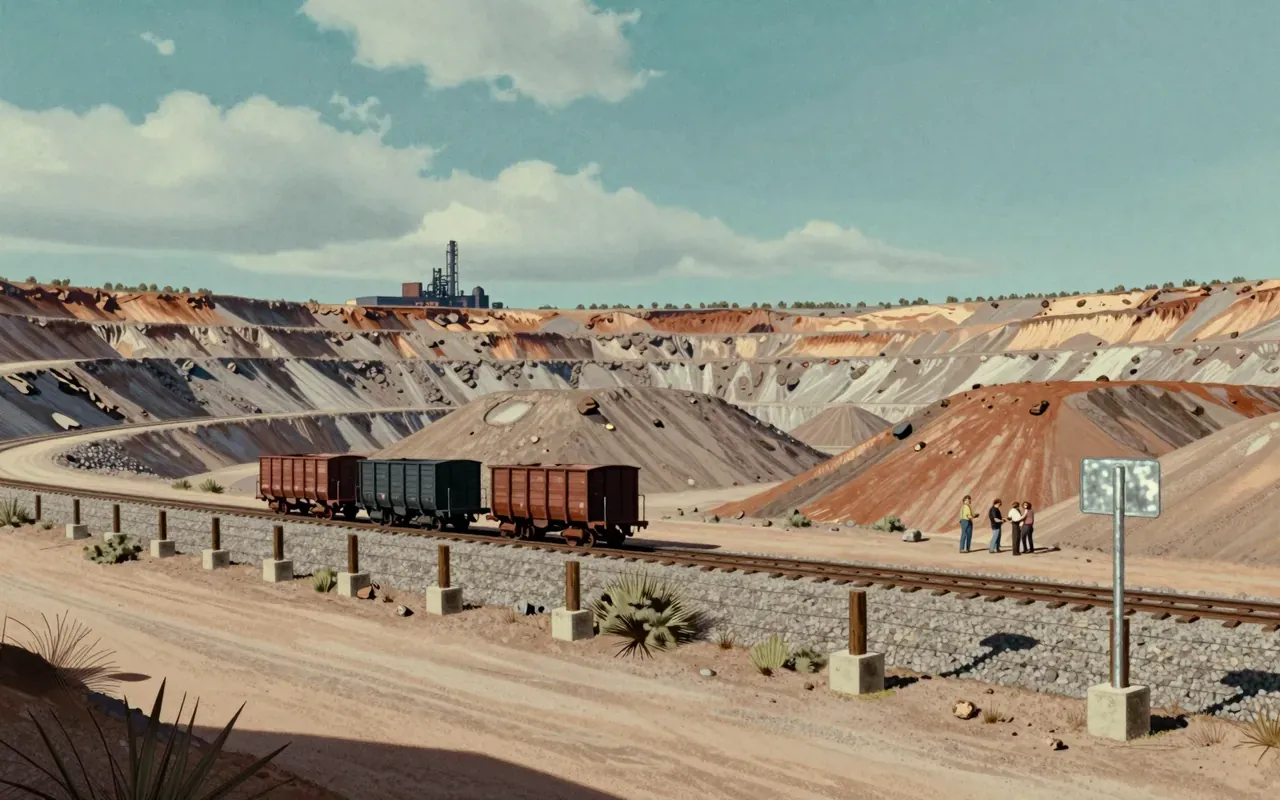
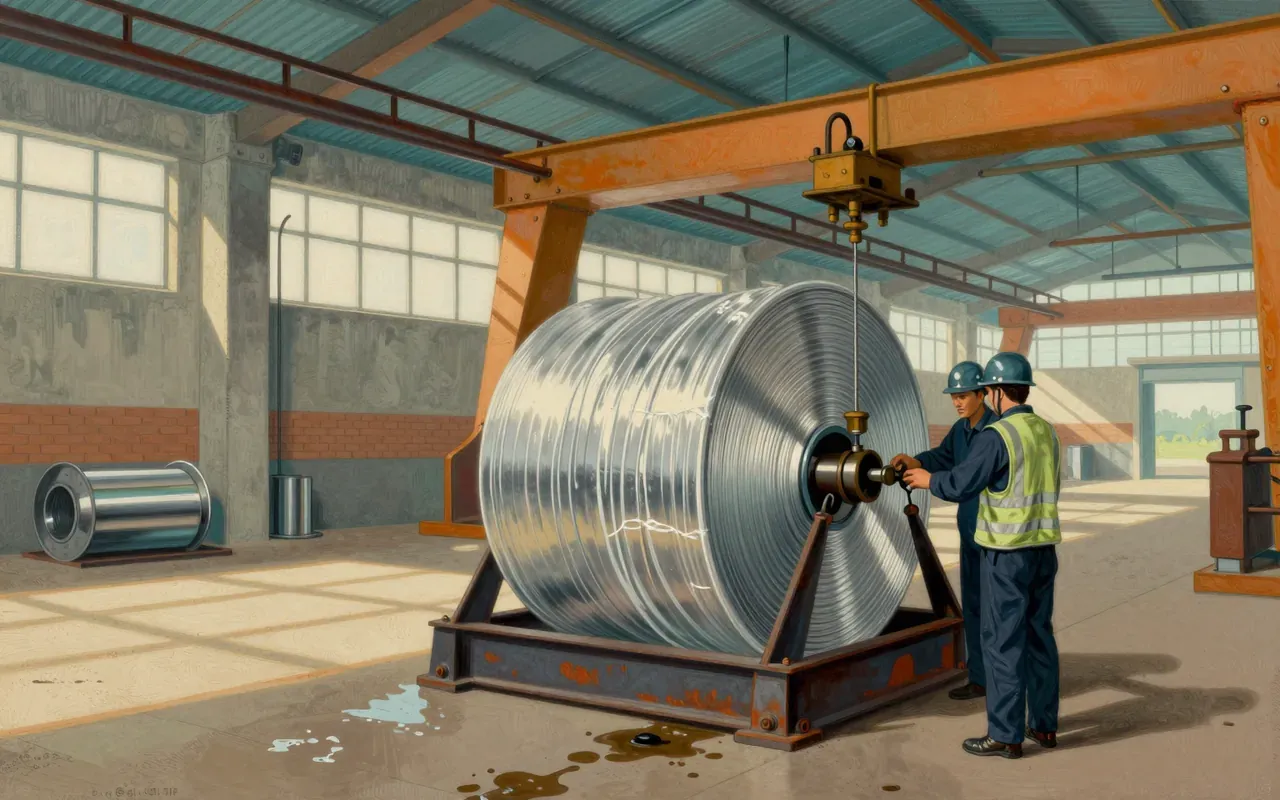
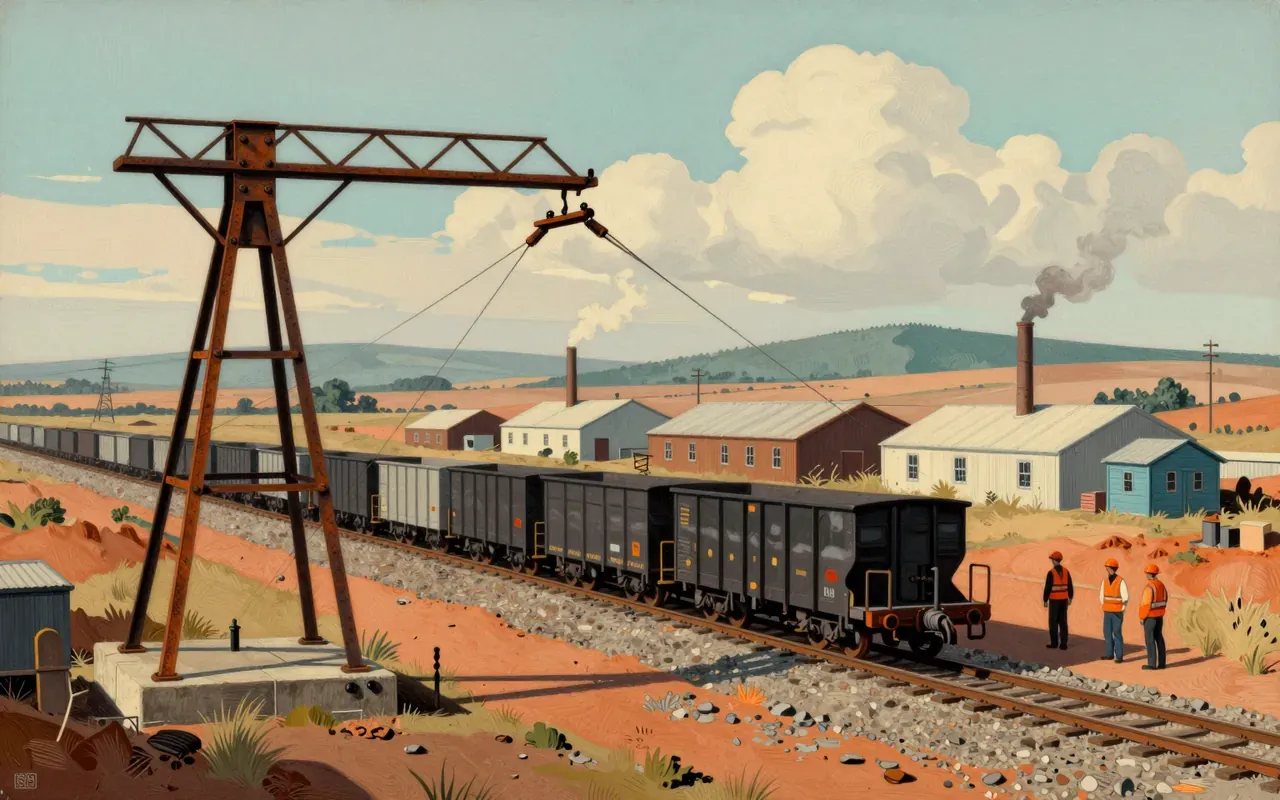
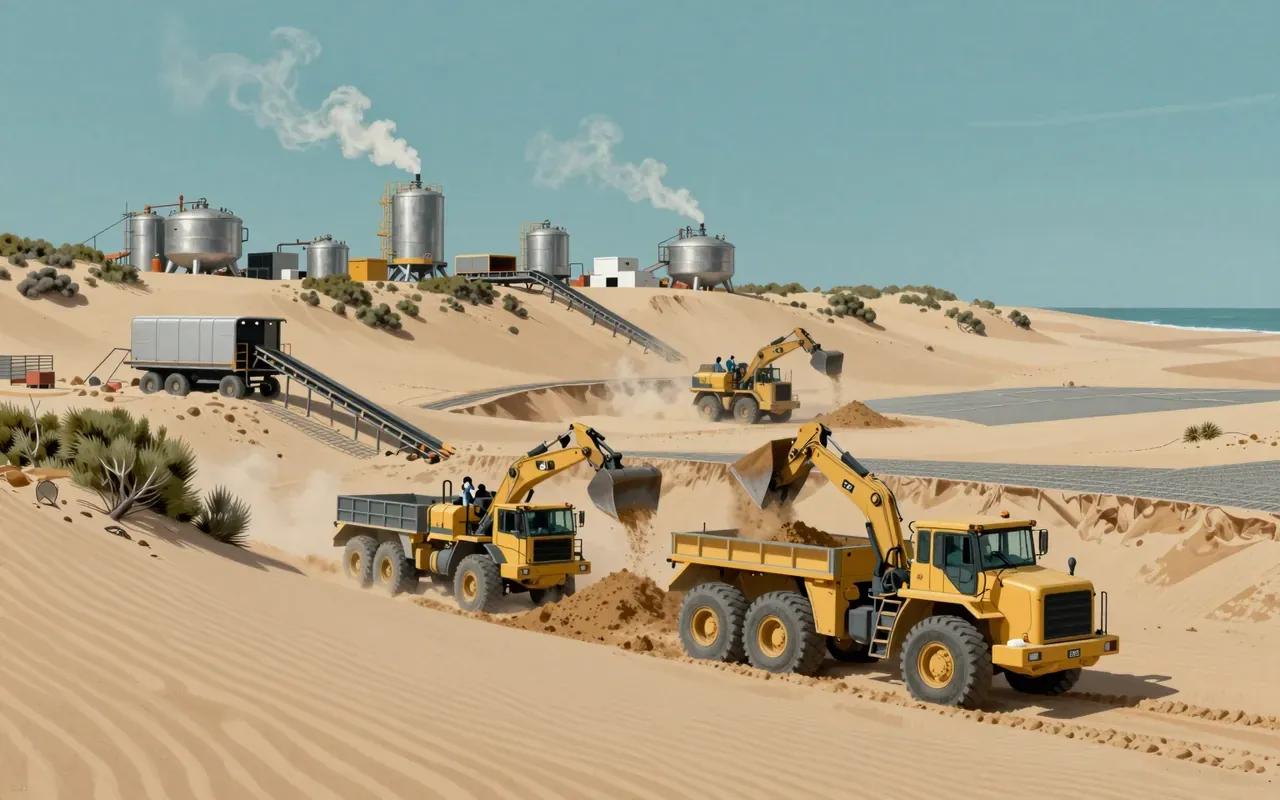

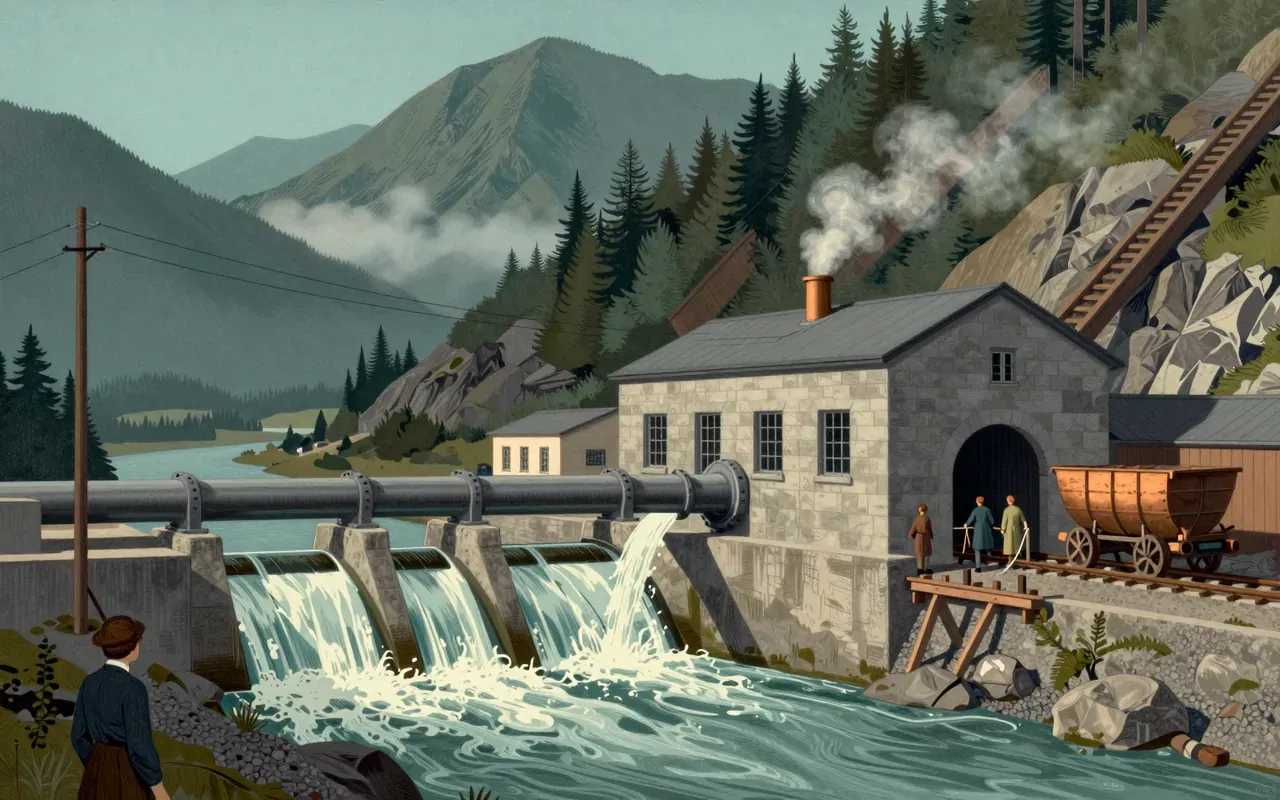
Hitachi’s origin was not entrepreneurial mythmaking — it was applied engineering inside a single mine. Its revenue came from selling hardware that replaced steam, muscle, and manual control with electrified motion. It succeeded by staying embedded in physical infrastructure — not by pivoting to services or software. Its independence in 1920 marked a shift in legal structure, not strategy. Odaira’s leadership lasted until 1947, but he never owned the firm he built.