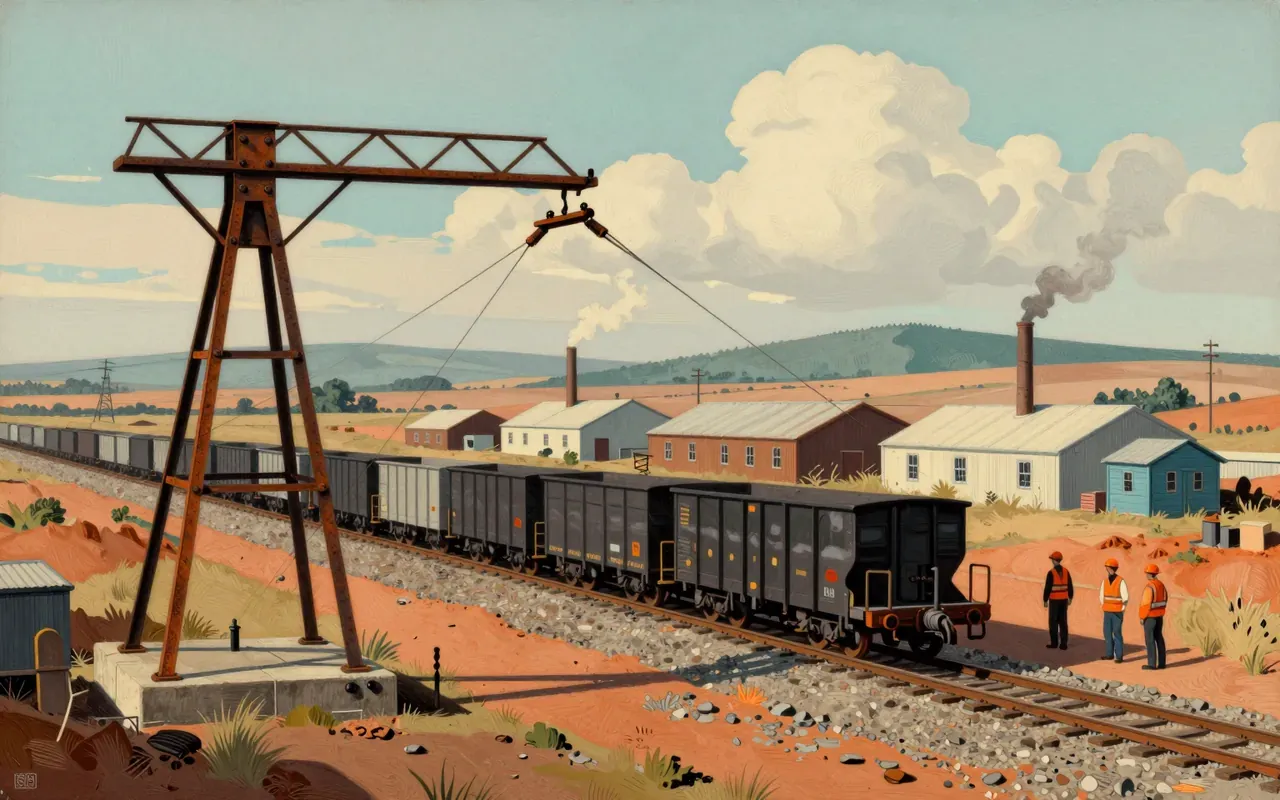
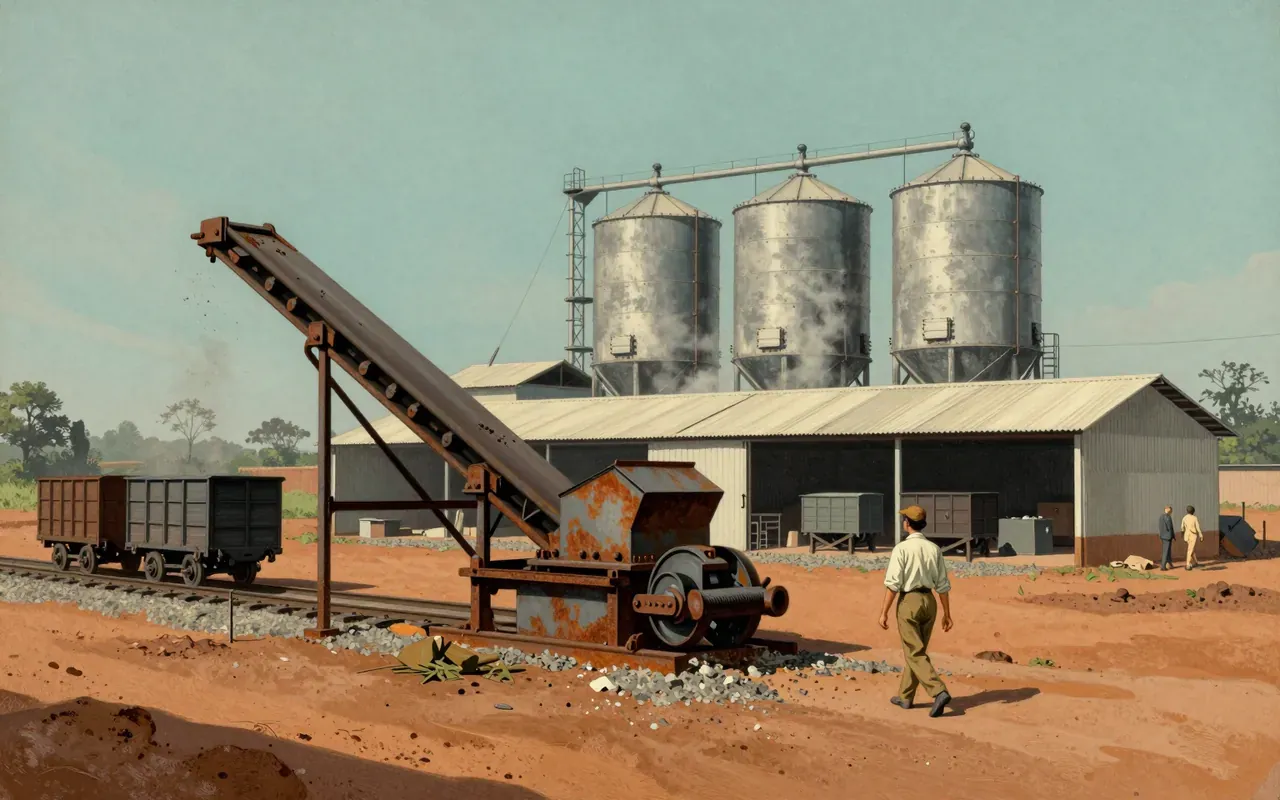
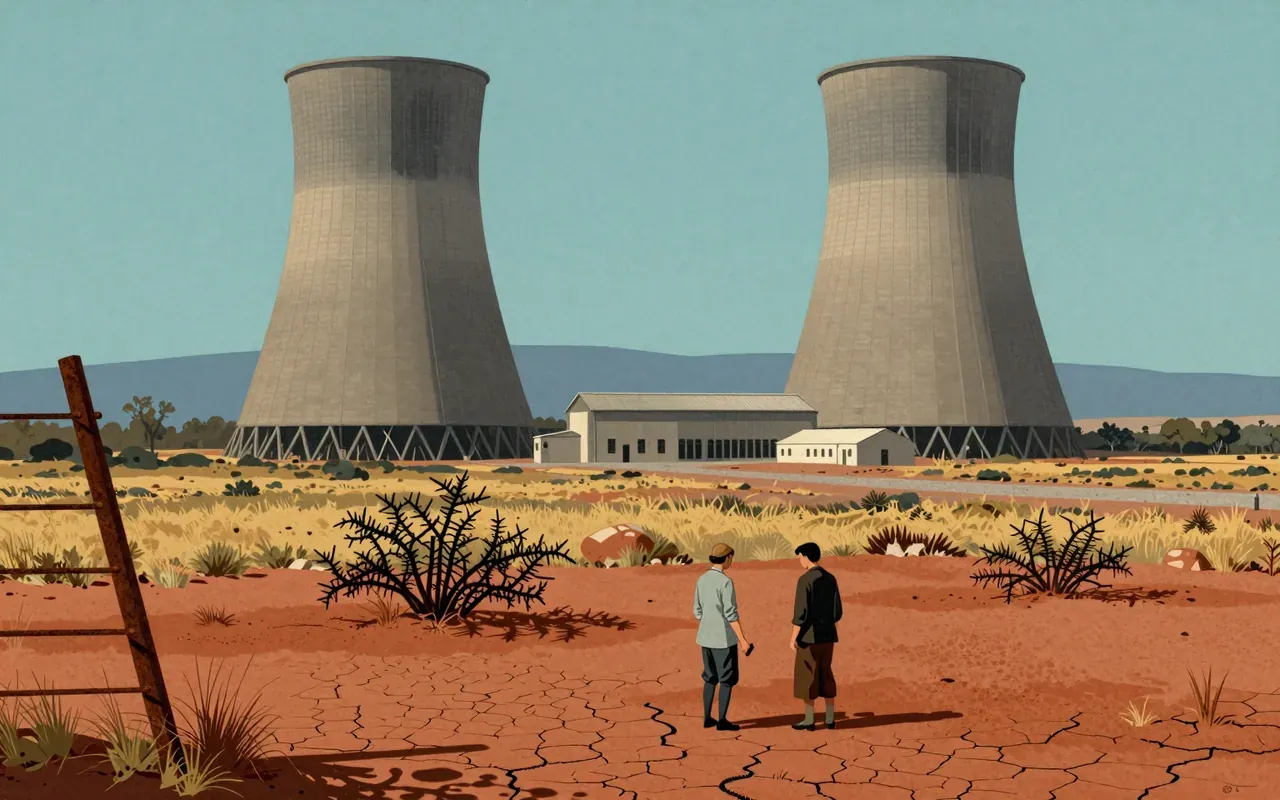
Sasol is not a tech innovator or energy transition leader. It is a vertically integrated coal utilisation machine—state-conceived, capital-intensive, tax-heavy, and globally scaled. Its longevity proves the durability of fossil-fuel infrastructure when backed by sovereign mandate—not market disruption.
Sasol began in 1950 as a state-owned corporation built on licensed German coal liquefaction tech.
2:52
What It Actually Makes
It produces liquid fuels, chemicals, coal tar, and electricity—and mines coal at world-scale rank.
4:33
The Tax Engine
It funds the South African state more than any other company.
6:29
Global Reach, Local Roots
It is publicly listed and operates across 33 countries—but still anchored in South African coal and policy.
Worth your time?
Yes. Study the whole thing.
3.5/ 5
What works
state-capitalism
vertical-integration
resource-security
What does not
disruption
transition
innovation
Study it if
policy-analysts
industrial-historians
energy-strategists
Skip it if
startup-founders
vc-investors
climate-tech-enthusiasts
The written brief1 min read
What the company or idea is
Sasol is an integrated energy and chemical company, founded in 1950 as a state-owned entity—the South African Coal, Oil, and Gas Corporation—to secure fuel independence using German-developed coal liquefaction technology. It was formed in Sasolburg, South Africa. Sasol is listed on the Johannesburg Stock Exchange and the New York Stock Exchange, and as of 2026 it employs over 27,000 people worldwide and has operations in 33 countries.
How it actually makes money
Sasol makes money by mining coal, converting it into liquid fuels and chemicals via Fischer–Tropsch synthesis, and selling those products alongside electricity and coal tar.
What works
Its vertical integration—from coal mining to fuel refining to chemical manufacturing—delivers stable domestic supply and tax revenue; it remains South Africa’s largest corporate taxpayer.
What does not
Its coal-to-liquids model is capital-intensive, emissions-intensive, and economically vulnerable to oil price volatility—yet Sasol remains the seventh-largest coal miner in the world, not a diversified energy transition player.
What to take from it
Sasol shows how a technologically specific, state-mandated solution (coal-to-liquids) can scale into a multinational industrial conglomerate—but without decoupling from its founding input: coal.
Is it worth your time
Yes—if you are studying how state-backed industrial policy locks in fossil-fuel infrastructure, or how a national energy strategy becomes a global mining and chemicals business.