
Bradespar
A bank spun off its industrial assets into a holding company — then let that company become a one-stock ticker.
Borrowing short, lending long, and periodically failing.

Bear Stearns collapsed because its business model depended on continuous short-term funding — and when counterparties stopped rolling over repo loans, liquidity vanished faster than capital could be deployed. Its balance sheet held value, but confidence did not. The firm was sold to JPMorgan Chase in a Fed-brokered fire sale.



eBay acquired PayPal on October 3, 2002, for $1.4–$1.5 billion. It shut down its competing Billpoint service three months later. PayPal became the dominant, user-chosen payment method on eBay — used in over 70% of auctions and ~25% of closed listings — and by Q3 2012 accounted for 40% of eBay’s revenue ($1.37B). The deal was not about innovation. It was about controlling the checkout.

Enron was an American energy, commodities and services company founded in 1985 through a merger. It grew into a major electricity, natural gas, communications, and pulp and paper company — then collapsed due to institutionalised, systematic accounting fraud. Its 2001 bankruptcy was the largest fraud-related bankruptcy in U.S. history. It reorganised as Enron Creditors Recovery Corp. in 2004.













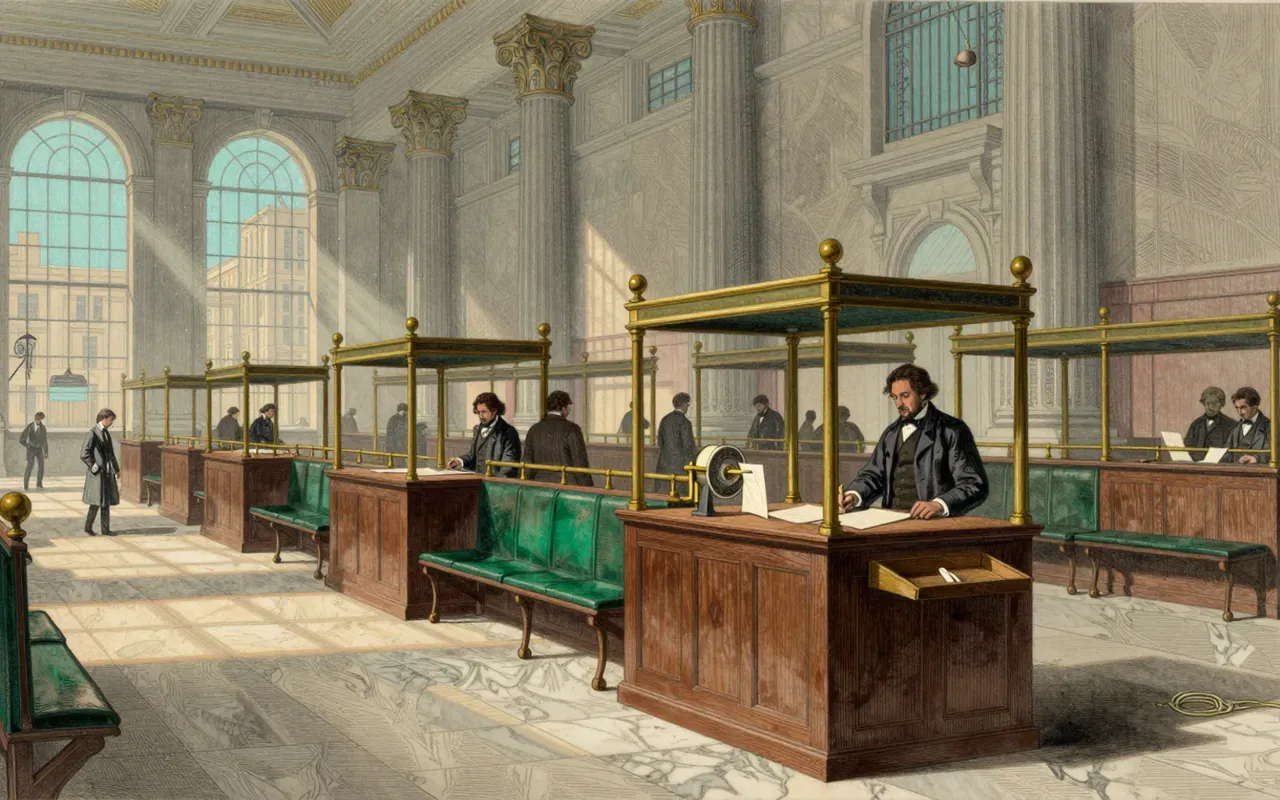

Apollo Global Management is a $1.03 trillion alternative asset manager built on distressed-to-control investing, co-founded in 1990 by ex-Drexel bankers. It earns fees from pension funds, endowments, and sovereign wealth funds deploying capital across credit, private equity, and real assets. Its model works at scale—but its credibility fractures where leadership conduct contradicts its governance claims. The $158 million paid to Jeffrey Epstein did not disrupt operations, but it ended Leon Black’s tenure and exposed a rift between Apollo’s discipline-as-brand and its human risk.



Blackstone is the largest alternative investment firm by AUM — $1.2 trillion as of September 2025, $1.3 trillion by Q1 2026 — built on a pivot from M&A advisory to merchant banking in 1987. Its founders lacked LBO experience but leveraged relationships to enter private equity, then scaled across asset classes using consistent mechanics: leverage, illiquidity, and fee-based capital aggregation. Its CEO held formal advisory access to the U.S. presidency, but that did not substitute for early fundraising credibility. The firm discloses neither performance nor risk metrics for its funds. Its growth reflects structural demand — not proprietary insight.
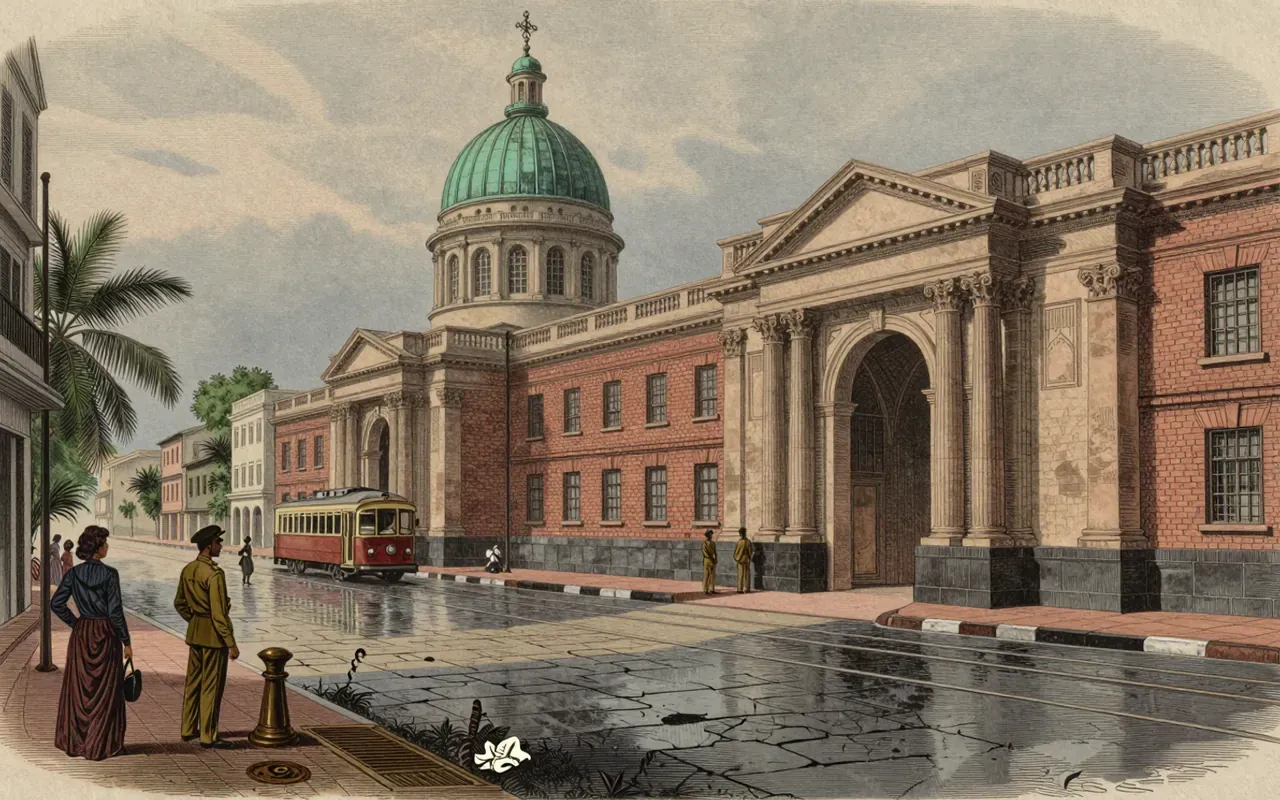
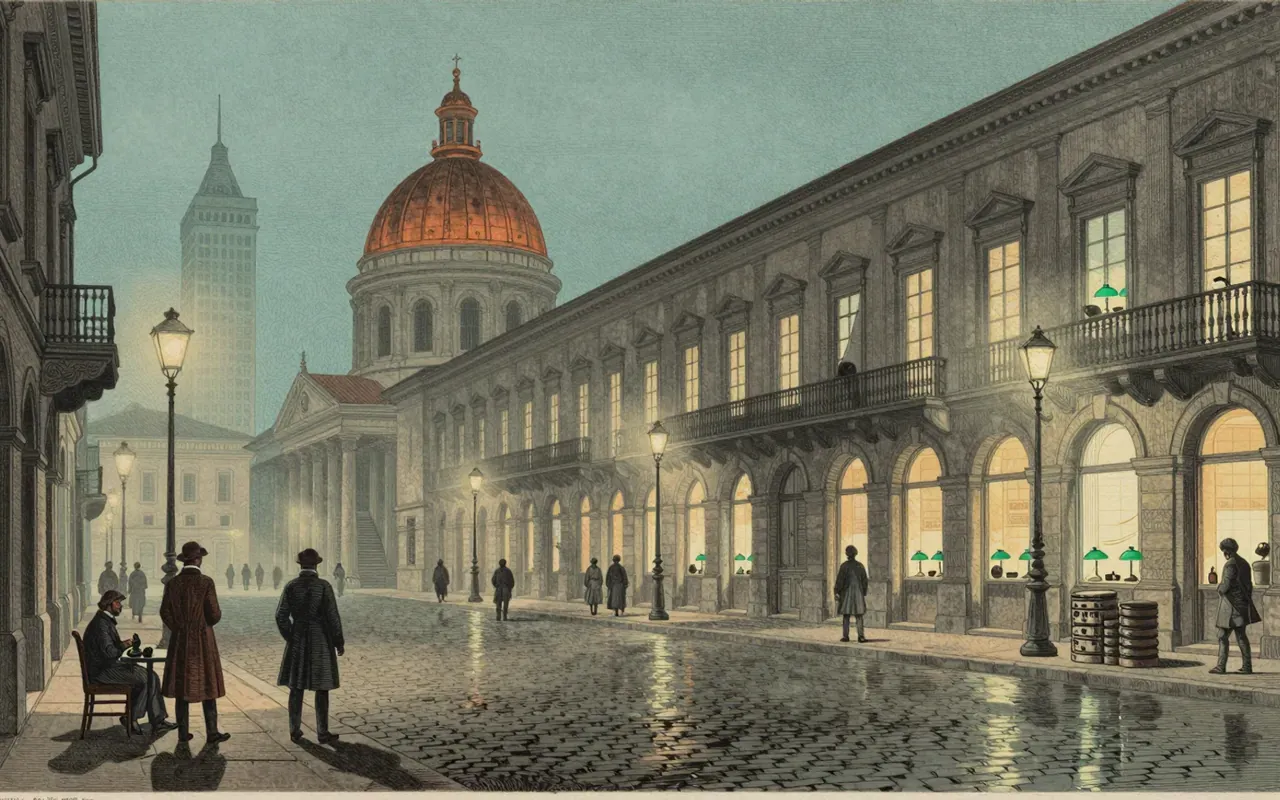





ICE is a financial infrastructure consolidator — not a technology innovator or market creator. It turned energy trading into a global clearing and exchange empire by acquiring failing or exposed rivals, shutting down physical floors, and layering data and mortgage tech atop core exchange revenue. Its business model depends on regulatory moats, scale-driven pricing, and vertical integration — not speed, intelligence, or user experience.




KKR is a foundational leveraged buyout firm whose early success relied on regulatory change, not market demand — and whose most famous deal was unprofitable. Its current scale reflects diversification beyond private equity, not enduring deal-making superiority.


Moody's Ratings is the credit ratings division of Moody's Corporation, rebranded from Moody's Investors Service in March 2024. It provides international financial research on bonds issued by commercial and government entities, operates as one of the Big Three credit rating agencies, uses a standardized ratings scale measuring expected investor loss in default, assigns ratings from Aaa (highest) to C (lowest), and was founded by John Moody in 1909 to produce manuals of statistics related to stocks, bonds, and bond ratings.

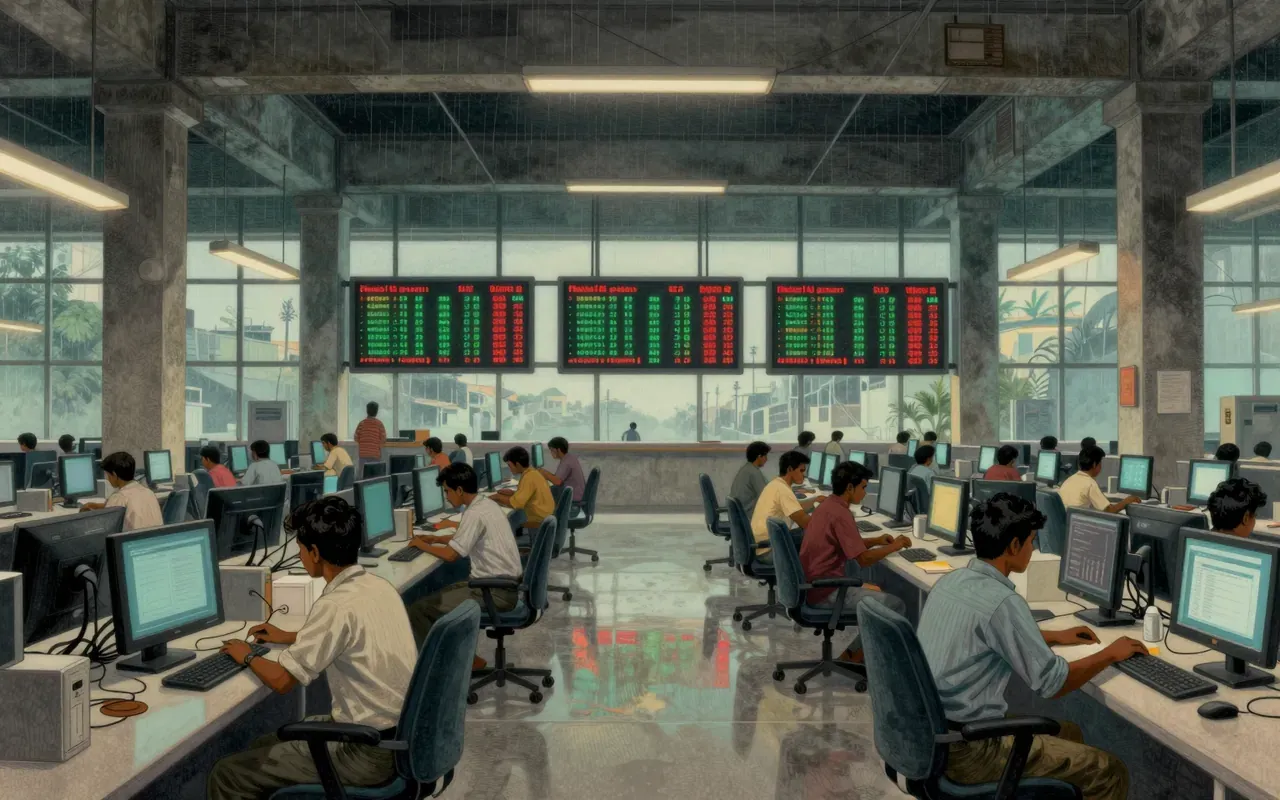







Soros Fund Management is a case study in regulatory adaptation: a firm that built its reputation on transparency of idea (macro thesis) and opacity of structure (family office), where the numbers remain impressive but uncheckable.






ICICI Bank’s 1994 formation under K.V. Kamath was not the birth of a startup but the strategic repackaging of a state-backed institution into a private, technology-enabled, acquisitive financial group — with real execution in regulation-constrained conditions.


Lehman Brothers’ origin was material: cotton. Its end was financial: illiquid mortgage assets. The gap between the two is where the real story lives.



Goldman Sachs is a multinational investment bank and financial services company founded in 1869 and headquartered in New York City. It offers investment banking (advisory for mergers and acquisitions and restructuring), securities underwriting, prime brokerage, asset management, and wealth management. It acts as a market maker, operates private-equity and hedge funds, structures complex and tailor-made financial products, owns Goldman Sachs Bank USA (a direct bank), and trades both on behalf of clients and for its own account.

JPMorgan Chase is a vertically integrated financial monopoly whose scale rests on documented historical control — from industrial consolidation to slave-backed credit — not disruption or invention.


Morgan Stanley is a financial institution whose origin story is legally precise, but whose current identity is structurally ambiguous. It began as a Glass–Steagall-mandated spin-off — not a startup, not a rebellion, but a regulatory necessity. Its early market share proves execution mattered more than ideology. Its 1997 merger erased the line between investment banking and mass-market finance — yet the firm still trades on the prestige of 1935. That dissonance is the real story.

Visa is a payment infrastructure built on delegation: banks issue cards, Visa provides the rails and branding, and consumers pay fees embedded in every transaction. Its 1970 restructuring into a member-owned, decentralised association — conceived and led by Dee Hock — was a deliberate rejection of hierarchy. Yet its 2025 volume ($14.2 trillion) reflects not distributed decision-making but tightly coordinated standards enforcement. The ‘chaordic’ ideal remains descriptive, not operational.

Stripe is infrastructure, not finance. It sells developer convenience — not banking services. Its $159bn valuation rests entirely on volume processed, not revenue disclosed, margins proven, or ownership of capital.