businessbriefs
9:53in productionCh. 1 · 1808: A State Instrument/ 9:53 · ceiling 15 min
Finance · Companies

Borsa Italiana

1808

A national stock exchange that stopped being national in 2021 — and never stopped being a regulatory utility.

Borsa Italiana is a regulated financial infrastructure asset with origins in Napoleonic statecraft. It generates revenue through listing and trading fees, but the material reveals no financial metrics. Its autonomy is constrained by successive foreign ownership: first LSEG (2007), then Euronext (2021). Its enduring function is regulatory — gatekeeping access to Italy’s public capital markets — not technological or competitive innovation. The gap between its self-presentation as a flexible market manager and its reality as a consolidated subsidiary is decisive.

Chapters & takeaways4
  1. 0:52
    1808: A State Instrument

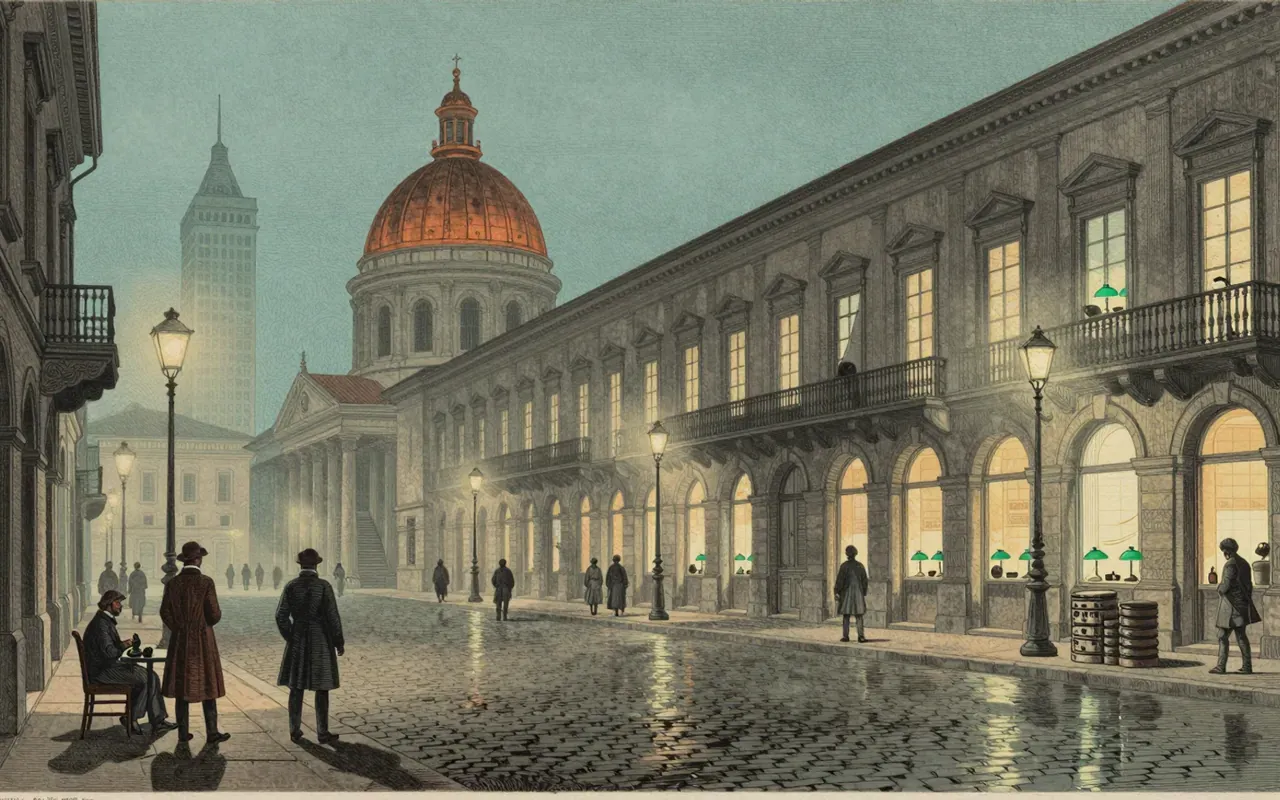
    It was founded by Napoleonic decree — not market demand — and has always been state-directed infrastructure.

  2. 2:30
    1998: Privatised, Not Liberalised

    It operated under public ownership until privatisation in 1998 — a political decision, not a market signal.

  3. 3:58
    2007–2021: Owned, Then Resold

    It changed hands twice in 14 years — first to LSEG, then sold to Euronext — confirming its role as an acquisition target, not a strategic operator.

  4. 5:56
    Regulator First, Exchange Second

    Its core function is regulatory gatekeeping — listing rules, supervision, disclosure enforcement — not price discovery or liquidity provision.

Worth your time?

Yes. Study the whole thing.

3.5/ 5
What works
  • It maintains statutory oversight of Italian-listed firms.
  • It operates a live, electronic equity trading platform.
  • It enforces listing eligibility criteria for intermediaries.
What does not
  • It does not set monetary policy.
  • It does not issue securities.
  • It does not act as a central counterparty.
  • It does not manage pension funds.
Study it if
  • Regulators assessing cross-border exchange consolidation.
  • Investors evaluating Euronext’s integration risk.
  • Historians studying state-market boundaries in finance.
Skip it if
  • Startups seeking listing advice.
  • Traders comparing execution quality.
  • Students researching fintech disruption.
The written brief1 min read

What the company or idea is

Borsa Italiana is the Italian stock exchange, headquartered in Milan, founded in 1808, and now a wholly owned subsidiary of Euronext.

How it actually makes money

It makes money by charging fees for listing companies, executing trades on its electronic platform, and supervising intermediaries — but the material does not specify fee structures, revenue, margins, or cost base.

What works

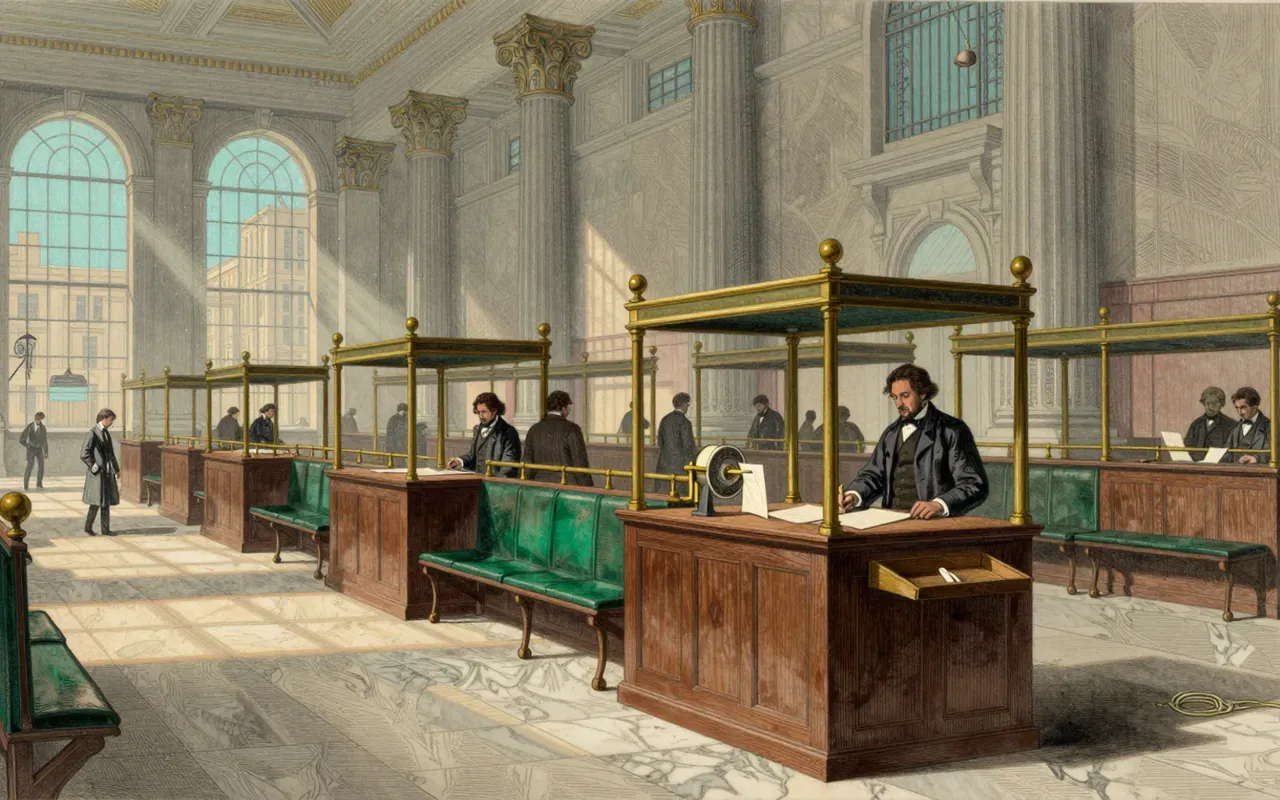
Its fully electronic trading system enables efficient domestic market operation. Its regulatory functions — admission, listing, supervision — remain legally embedded in Italian capital markets law.

What does not

It does not operate autonomously: since 29 April 2021, it has been fully owned and controlled by Euronext. Its ‘autonomy and flexibility’ applies only to operational execution within Euronext’s governance.

What to take from it

National bourses are no longer sovereign financial utilities; they are assets acquired in cross-border consolidation plays driven by scale economics and regulatory harmonisation — not innovation or market development.

Is it worth your time

Yes, if you are assessing how national exchanges function as regulated infrastructure under foreign ownership — not as a standalone commercial entity.

Same desk · Finance4 of 39
10:53
Apollo Global ManagementLeon Black · 1990Apollo Global Management is a $1.03 trillion alternative asset manager built on distressed-to-control investing, co-founded in 1990 by ex-Drexel bankers. It earns fees from pension funds, endowments, and sovereign wealth funds deploying capital across credit, private equity, and real assets. Its model works at scale—but its credibility fractures where leadership conduct contradicts its governance claims. The $158 million paid to Jeffrey Epstein did not disrupt operations, but it ended Leon Black’s tenure and exposed a rift between Apollo’s discipline-as-brand and its human risk.
10:30
Sam Bankman-FriedFTX was not a failed startup. It was a financial structure built to move value across unregulated jurisdictions without transparency — and it succeeded until it ran out of other people’s money to move.
10:03
BATS Global Markets2005BATS Global Markets was a stock exchange operator founded in June 2005 in Lenexa, Kansas. It became a licensed US stock exchange operator in 2008 and launched a pan-European market the same year. As of February 2016, it operated four US stock exchanges, two US equity options exchanges, the pan-European stock market, and a global foreign exchange market. It was acquired by Cboe Global Markets in 2017.
10:42
Blackstone Inc.Stephen Schwarzman · 1985Blackstone is the largest alternative investment firm by AUM — $1.2 trillion as of September 2025, $1.3 trillion by Q1 2026 — built on a pivot from M&A advisory to merchant banking in 1987. Its founders lacked LBO experience but leveraged relationships to enter private equity, then scaled across asset classes using consistent mechanics: leverage, illiquidity, and fee-based capital aggregation. Its CEO held formal advisory access to the U.S. presidency, but that did not substitute for early fundraising credibility. The firm discloses neither performance nor risk metrics for its funds. Its growth reflects structural demand — not proprietary insight.
Up next in Business

Richard Branson

· 9:24

Branson didn’t build an empire — he built a licensing platform disguised as a conglomerate.

9:24