What the company or idea is
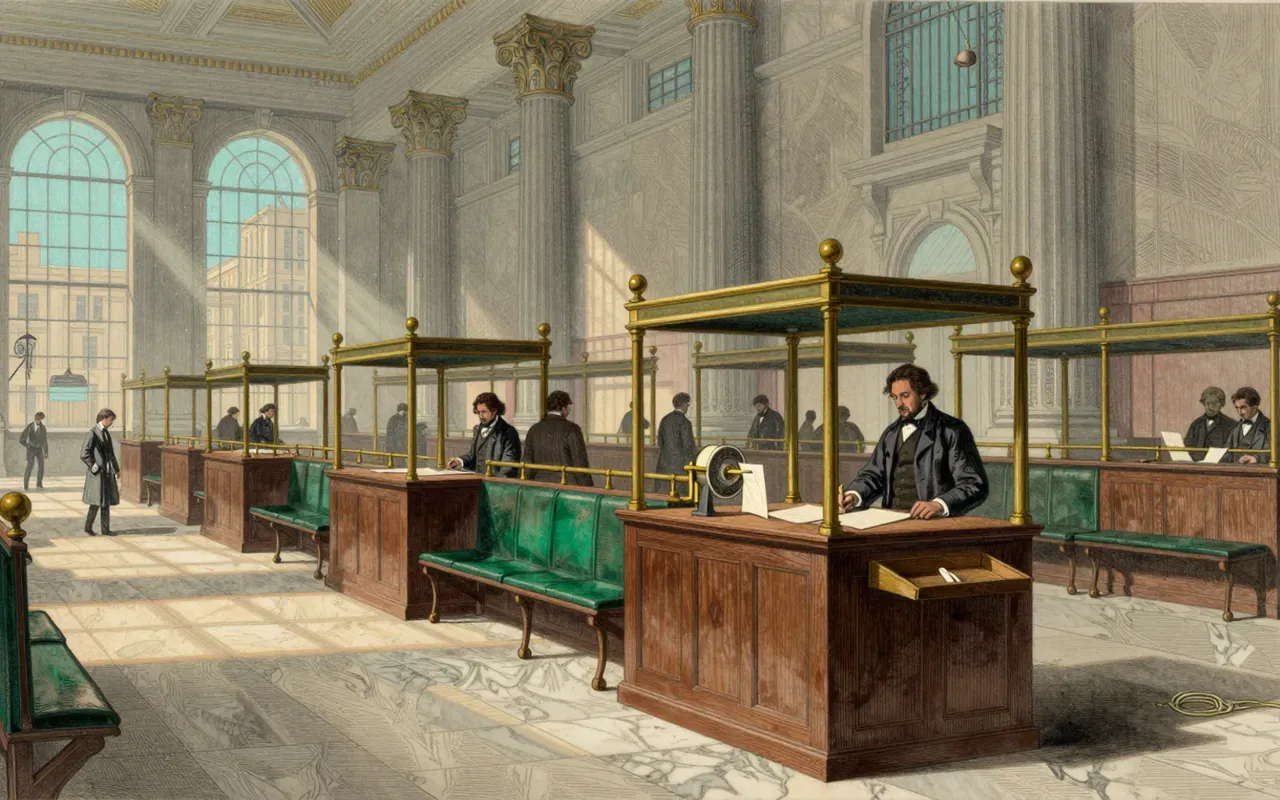
The London Stock Exchange is a stock exchange founded in 1801, now operated since 2007 by the London Stock Exchange Group (LSEG), a FTSE 100 constituent.
How it actually makes money
The London Stock Exchange Group (LSEG) operates the exchange and earns revenue from listing fees, trading fees, data licensing, and index services. It is itself a publicly traded company on its own exchange, under ticker LSEG.
What works
It hosts over 1,900 companies from more than 60 countries and remains the world’s largest centre for mining capital (US$600 billion, ~13% of global mining market) and a primary venue for Global Depositary Receipts—especially for firms from India, China, and the Middle East.
What does not
It does not control European equity trading volume. Its ‘largest by market value’ status reflects listed company valuations—not liquidity, trading activity, or investor access. Post-Brexit, it lost significant EU-based trading and clearing capacity, which it has not regained.
What to take from it
Its resilience lies not in innovation but in incumbency: dominance in mining capital and GDR listings—both anchored in historical networks, not technical superiority.
Is it worth your time
Yes—if you are assessing how legacy financial infrastructure adapts to geopolitical shifts, capital flows, and sectoral concentration—not as a tech disruptor, but as a rent-collecting gatekeeper with structural advantages in natural resources and GDRs.