businessbriefs
12:03in productionCh. 1 · Origin: Not an energy company. A pipeline./ 12:03 · ceiling 15 min
Companies

Enbridge

1987

Enbridge runs the world’s largest oil export pipeline network — and its first renewable investment was a single wind farm, bought in 2002.

Enbridge is a Canadian pipeline and energy company founded in 1949, headquartered in Calgary, Alberta, Canada; it owns and operates extensive crude oil and natural gas pipeline systems across Canada and the US; its pipeline system is the longest in North America and the largest oil export pipeline network in the world; it transports crude oil, natural gas, and natural gas liquids; it generates renewable energy; it has been responsible for several oil spills, including the Line 3 and Kalamazoo River spills; and it made its first renewable energy investment in 2002 with a wind farm purchase.

Chapters & takeaways4
  1. 1:19
    Origin: Not an energy company. A pipeline.

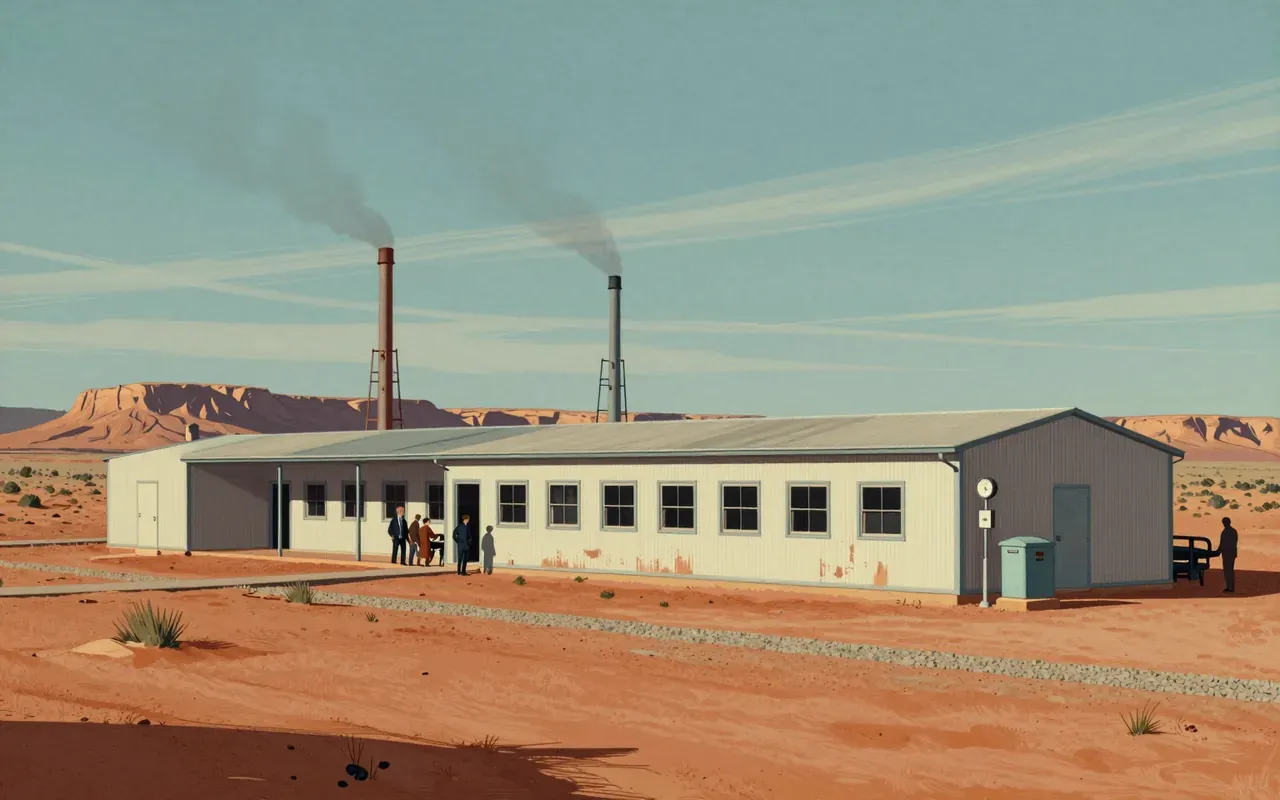
    Enbridge began as a single-purpose oil conduit built by Imperial Oil in 1949 — not a diversified energy firm, but a pipeline operator from day one.

  2. 3:40
    Scale: Kilometres, not megawatts

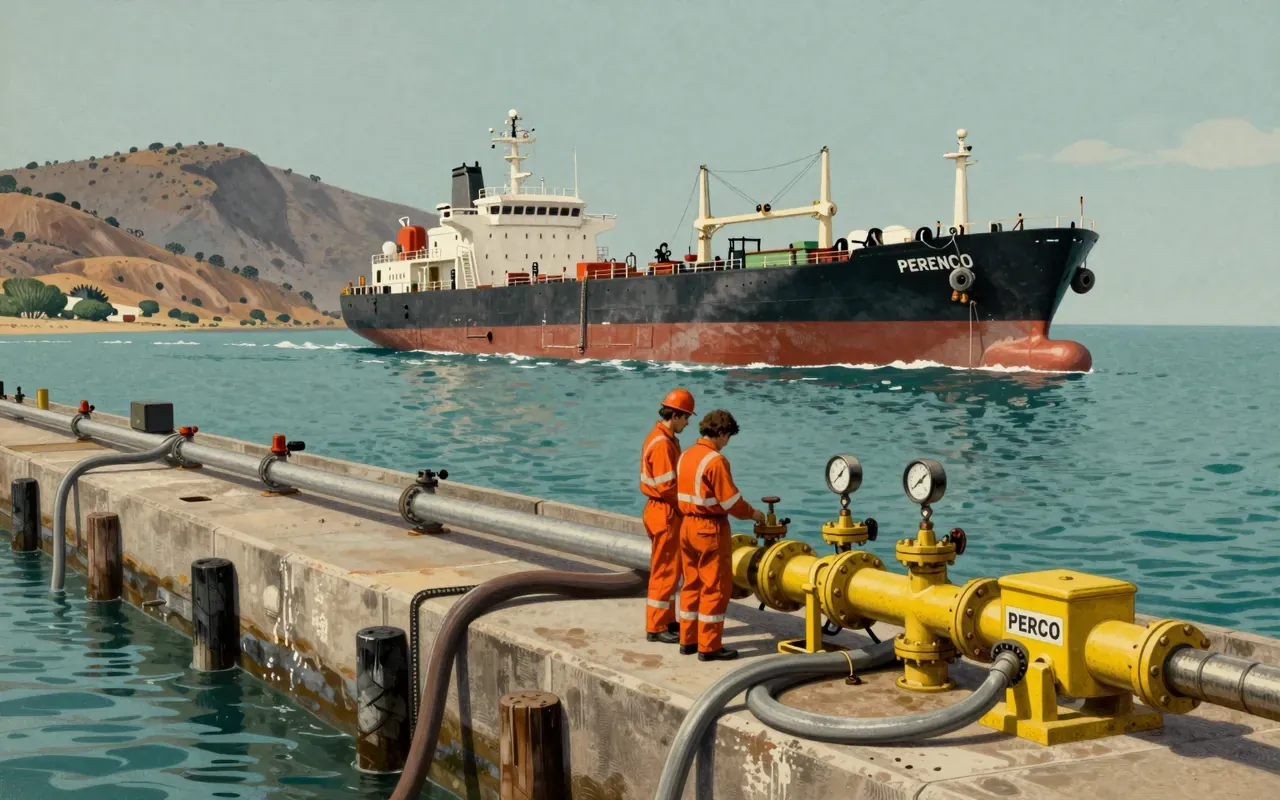
    Its scale is physical and measurable: 28,661 km of crude oil pipe and 38,300 km of natural gas pipe — the longest system in North America and largest oil export network globally.

  3. 4:53
    Spills: The cost of throughput

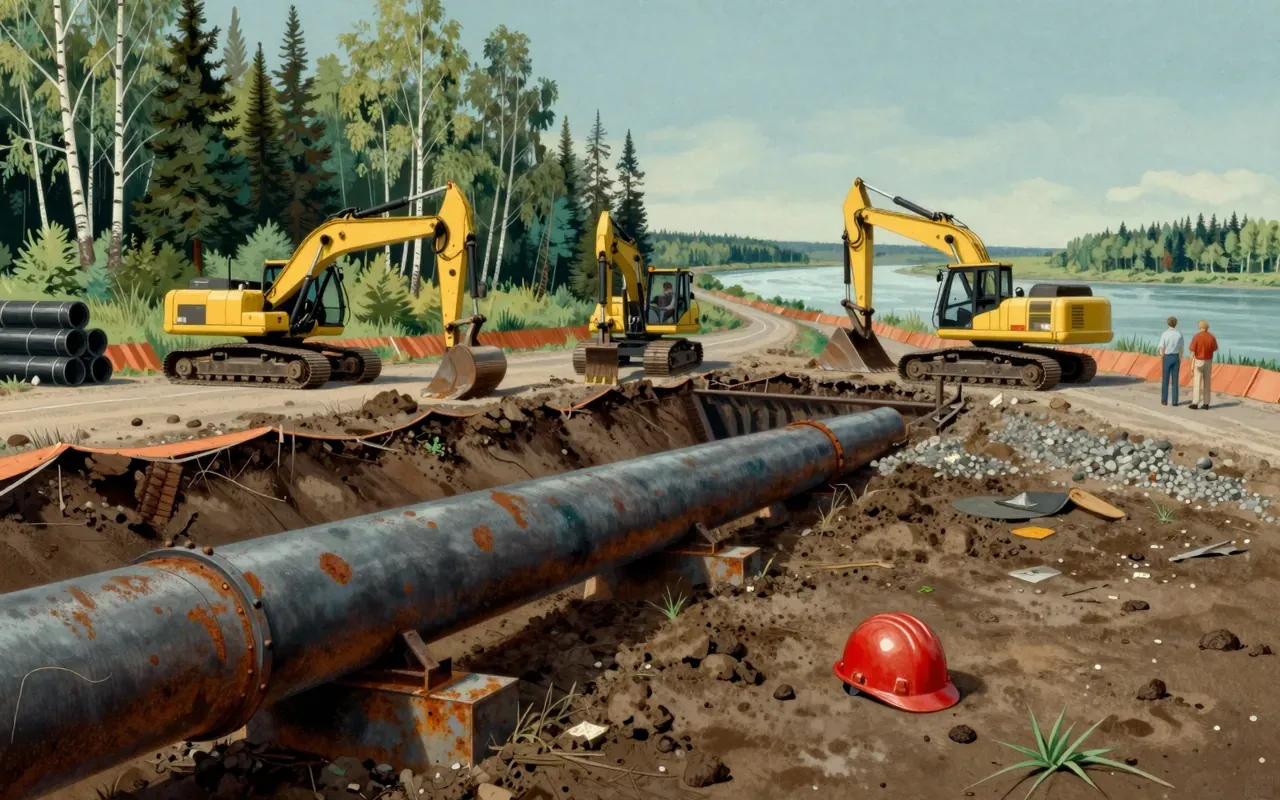
    It has caused two of the largest inland oil spills in US history — Line 3 and Kalamazoo River — exposing operational risk baked into its core business.

  4. 6:42
    Renewables: One deal, no pivot

    Its first renewable energy move — a wind farm purchase in 2002 — stands alone as a symbolic gesture, not evidence of strategic redirection.

Worth your time?

Yes. Study the whole thing.

3.5/ 5
What works
  • physical scale
  • cross-border integration
  • regulated asset base discipline
What does not
  • climate leadership
  • renewable transition
  • operational safety
Study it if
  • infrastructure investors
  • energy policy analysts
  • regulatory watchers
Skip it if
  • ESG fund managers seeking proof of decarbonisation
  • startup founders looking for innovation models
  • climate activists assessing corporate accountability
The written brief1 min read

What the company or idea is

Enbridge is a Canadian pipeline and energy company founded in 1949, headquartered in Calgary, Alberta.

How it actually makes money

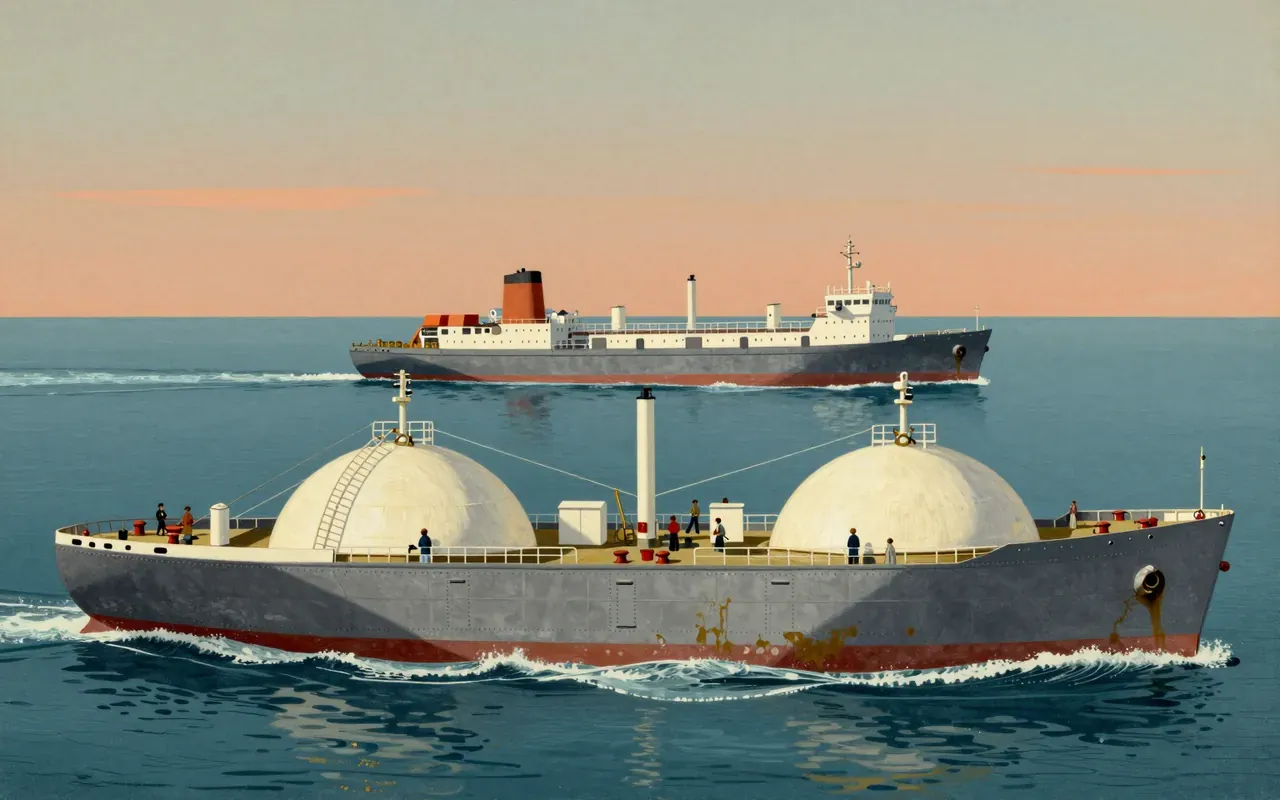
Enbridge makes money by charging fees to transport crude oil, natural gas, and natural gas liquids through its pipelines across Canada and the US.

What works

Its pipeline network is the longest in North America and the largest oil export pipeline network in the world — a functional, capital-intensive moat built over decades of regulated access and cross-border integration.

What does not

Its renewable energy activity remains marginal: one wind farm purchase in 2002 is not a strategy, and does not offset its role in enabling large-scale oil export or its record of major spills.

What to take from it

Enbridge shows how a state-anchored, asset-heavy energy utility can dominate physical infrastructure while remaining structurally unaligned with climate imperatives — not because it lacks capability, but because its revenue model depends on throughput volume, not decarbonisation.

Is it worth your time

Yes — as a case study in infrastructure scale, regulatory dependency, and the tension between fossil fuel dominance and incremental renewable investment.
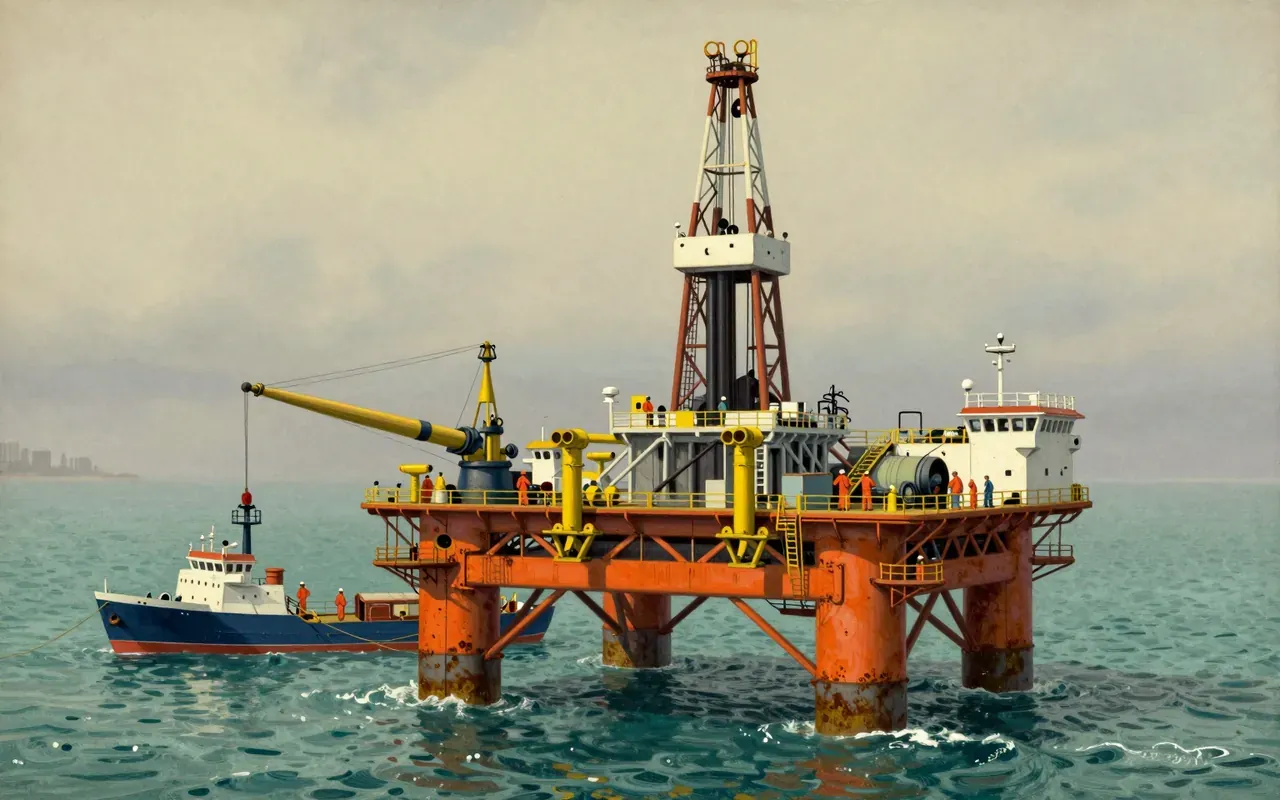
Same desk · Companies4 of 217
12:57
MeituanWang Xing · 2010Meituan is a Chinese technology company headquartered in Beijing that operates a platform for local services, including on‑demand food delivery, in‑store services, consumer reviews under Dazhong Dianping, hotel and travel bookings, and instant retail. It monetises through fees on its platform, taking a commission on food delivery orders and charging merchants for booking and in‑store services. Meituan’s rapid user growth is driven by its extensive coverage of local services, its integration of food delivery, in‑store services, and hotel bookings creating a one‑stop shop, and its large merchant base of 14.5 million active merchants providing network effects. Meituan faces regulatory scrutiny in China, its 2021 post by Wang Xing triggered a 7.1 % share plunge and anti‑monopoly investigation, and the company has been subject to scrutiny by Beijing Municipal Human Resources and Social Security Bureau. Meituan demonstrates the power of a diversified local‑services platform, its ability to scale across cities and internationally shows the importance of network effects, and its regulatory challenges highlight the need for compliance awareness. Meituan offers a case study in rapid scaling and diversification, but its regulatory risks caution investors.
10:56
ABBCharles Eugene Lancelot Brown · 1988ABB is a post-merger industrial incumbent whose value lies in proven, regulated, physical infrastructure — not software, platforms, or scalability stories.
10:50
AbbVie2012AbbVie is a textbook example of post-innovation pharmaceutical value extraction — built on a single blockbuster, sustained by patent thickets and pricing, checked only by biosimilars and congressional scrutiny.
11:08
Abu Dhabi National Oil Company1971ADNOC is the state-owned oil company of Abu Dhabi, UAE — founded by concession in 1939, ranked 12th globally by production, and expanding output to 5 million barrels per day by 2027. It is the UAE’s largest oil company. Output rose from ~2.5 mbpd in the 1990s to 2.9 mbpd in 2008 and 4.85 mbpd in 2024. It is described as efficient and well managed, but financially opaque. It is one of few oil companies increasing production amid climate pressure.
Up next in Business

Enphase Energy

2006 · 10:34

Enphase didn’t invent solar—it invented a way to sell inverters as the bottleneck, not the afterthought.

10:34