businessbriefs
13:23in productionCh. 1 · What It Is/ 13:23 · ceiling 15 min
Startups & venture

SpaceX

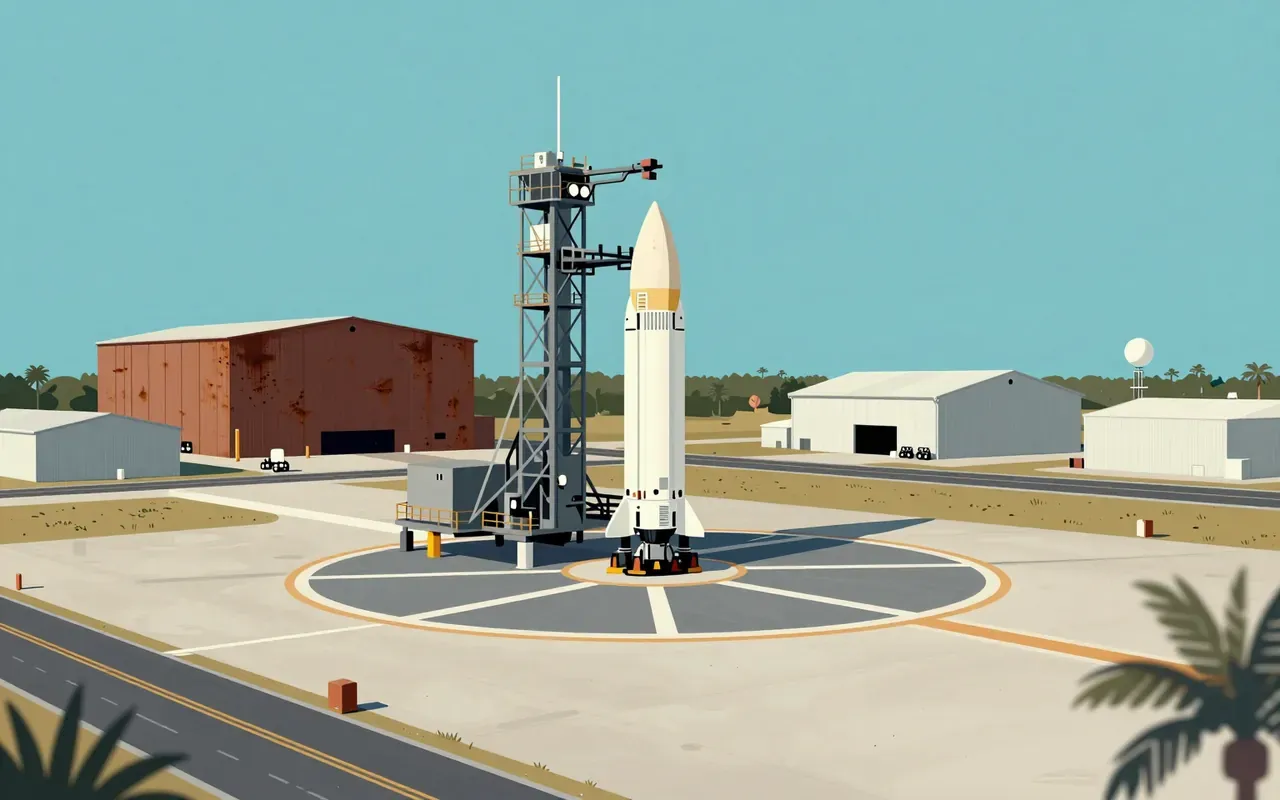
SpaceX is not a Mars company — it’s a NASA-and-Starlink logistics operator that built reuse to win government contracts, not to found colonies.

SpaceX is a government-contract-powered aerospace manufacturer whose reusable launch system succeeded where others failed — not because of vision alone, but because NASA paid for development, testing, and flight operations while Starlink created a parallel revenue stream. Its Mars and Starship ambitions remain outside this economic reality.

Chapters & takeaways6
  1. 1:08
    What It Is

    SpaceX was founded as a mission-driven aerospace manufacturer — not a software startup or media brand — with explicit, non-negotiable technical goals.

  2. 2:12
    Where the Money Comes From

    NASA funding built Falcon 9 and Dragon; Starlink turned infrastructure into recurring revenue — no venture rounds or consumer branding drove the core business.

  3. 3:48
    What Actually Works

    Falcon 9 reusability is proven, scaled, and operational: 650+ landings by 2026, enabled by land and drone-ship recoveries.

  4. 5:24
    What Doesn’t Scale

    Falcon Heavy remains a niche vehicle — its 2018 debut carried a Tesla Roadster, not paying cargo, and has not displaced Falcon 9 in routine operations.

  5. 6:48
    How It Survived

    Three Falcon 1 failures nearly bankrupted SpaceX — proving that early survival depended on NASA’s COTS contract, not private investment or market demand.

  6. 8:09
    What the Law Allowed

    The 2012 ISS docking was a legal and political milestone — first private spacecraft to dock — not just a technical one.

Worth your time?

Yes. Study the whole thing.

4.5/ 5
What works
  • Falcon 9 reusability
  • NASA-COTS integration
  • Starlink monetisation
What does not
  • colonising Mars
  • operating Starship commercially
  • earning revenue from lunar or deep-space missions
Study it if
  • engineers
  • procurement officers
  • policy makers
Skip it if
  • investors seeking near-term returns
  • consumers expecting Mars tourism
The written brief1 min read

What the company or idea is

SpaceX is a vertically integrated aerospace manufacturer founded in 2002 by Elon Musk to reduce spaceflight costs, enable human access to space, and colonise Mars.

How it actually makes money

SpaceX makes money from NASA contracts, commercial satellite launches, and Starlink service fees. The $1.6 billion NASA contract in 2008 funded early Falcon 9 and Dragon development. Starlink became operational in 2019 and diversified revenue.

What works

Falcon 9 reusability works: by May 2026, it achieved ~650 landings and reflights, with three launches per week. This lowered launch costs and locked in market share through reliability and cadence.

What does not

SpaceX does not yet generate revenue from Mars colonisation, Starship operations, or crewed lunar missions. Its stated ultimate goals remain unfunded, unlaunched, and outside current financial flows.

What to take from it

The gap between SpaceX’s narrative — Mars, Starship, civilisation-scale ambition — and its actual business — ISS resupply, commercial LEO launches, broadband subscriptions — is the real story.

Is it worth your time

Yes — SpaceX demonstrates how sustained public-sector procurement, not venture capital or hype, funds radical hardware iteration at scale.
Same desk · Startups & venture4 of 47
Up next in Business

Starbucks

Howard Schultz · 1971 · 10:29

Starbucks didn’t scale by franchising — it scaled by owning every U.S. outlet, funding expansion with IPO cash, and treating coffee shops as cultural infrastructure.

10:29