Genmab sells antibody blueprints — not drugs — and its entire business model depends on partners who control the money, the trials, and the market.
Genmab is a platform biotech — not a drug developer — built around two licensed and proprietary antibody generation methods. Its value is in reducing discovery risk and time, not in owning clinical or commercial outcomes.
those seeking evidence of Genmab’s standalone commercial capability
anyone relying on unverified founder or date claims
The written brief1 min read
What the company or idea is
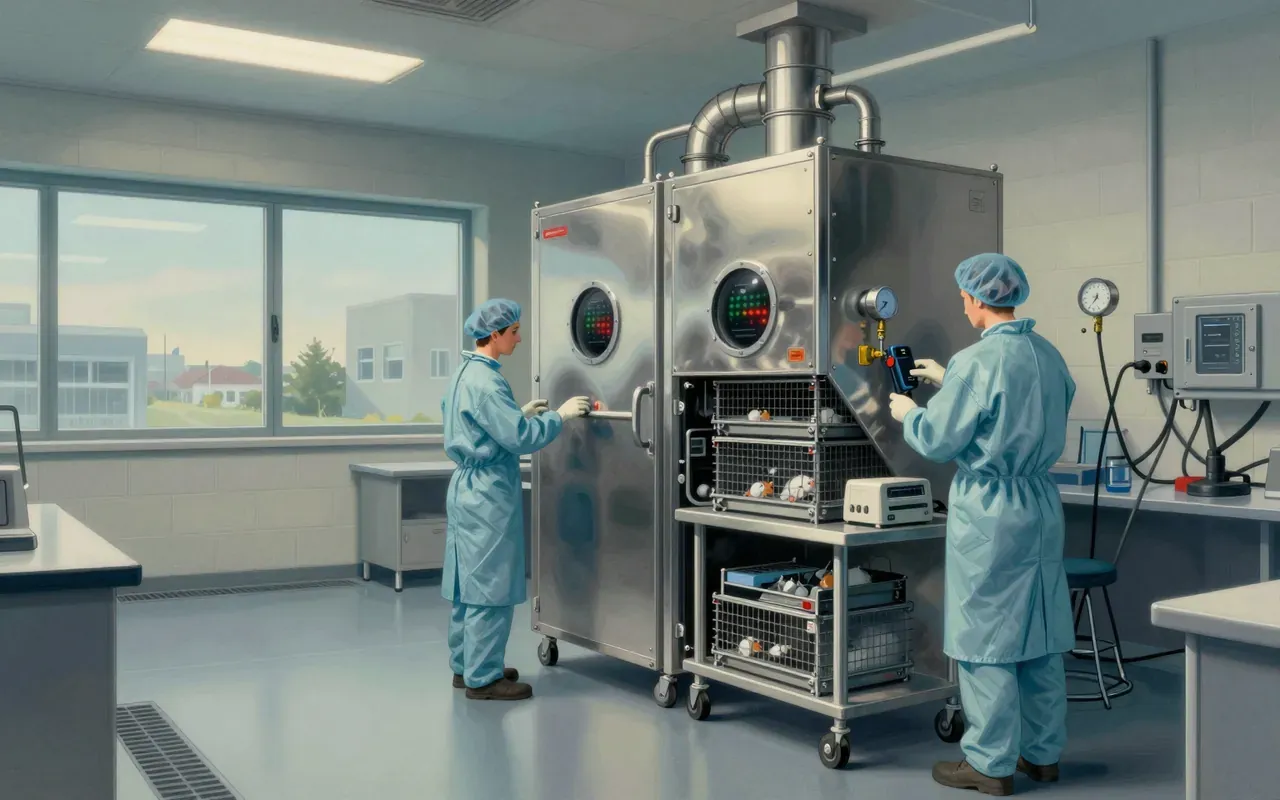
Genmab is a Danish antibody platform company founded in February 1999 by Florian Schönharting. It builds fully human antibodies using transgenic mice (HuMab-Mouse) and engineered smaller formats (UniBody).
How it actually makes money
Genmab does not generate revenue directly from its technologies. It earns money through licensing its antibody platforms (HuMab-Mouse and UniBody) and co-developing or out-licensing therapeutic antibodies with larger pharmaceutical partners.
What works
HuMab-Mouse eliminates humanization steps, cutting time and cost. UniBody yields smaller, monovalent antibodies that avoid over-activation of cell growth. Both produce human IgG antibodies less likely to cause allergic reactions or side effects.
What does not
Genmab does not manufacture or market drugs itself. It relies entirely on partners for clinical development, regulatory approval, and commercialisation — a structural dependency, not a strategic choice.
What to take from it
Platform biotechs like Genmab succeed by de-risking discovery — not by controlling the full drug value chain. Their value lies in speed, specificity, and reduced immunogenicity — but only if partners fund and execute the expensive downstream work.
Is it worth your time
Yes — if you are assessing how platform biotechs monetise early-stage R&D without owning late-stage clinical infrastructure or commercial operations.