What the company or idea is
George Weston Limited is a Canadian holding company founded in 1882, structured around two core assets: Loblaw Companies Limited and Choice Properties REIT.
How it actually makes money
George Weston Limited makes money through controlling stakes in Loblaw Companies Limited — Canada’s largest supermarket retailer — and Choice Properties REIT, a real estate investment trust. It no longer bakes bread: its Weston Bakeries division was sold to FGF Brands in 2022.
What works
Its control of Loblaw gives it pricing power, private-label scale (President’s Choice, No Name, Joe Fresh), and captive real estate demand via Choice Properties. This vertical lock-in works — Loblaw remains Canada’s largest supermarket retailer.
What does not
Its origin story does not support the claim that it is a ‘baking company’ today. The baking operations are gone. Its current structure obscures direct accountability: Wittington Investments, Ltd Canada — controlled by the Weston family — holds majority ownership, but neither the company nor its parent discloses financials or governance details publicly.
What to take from it
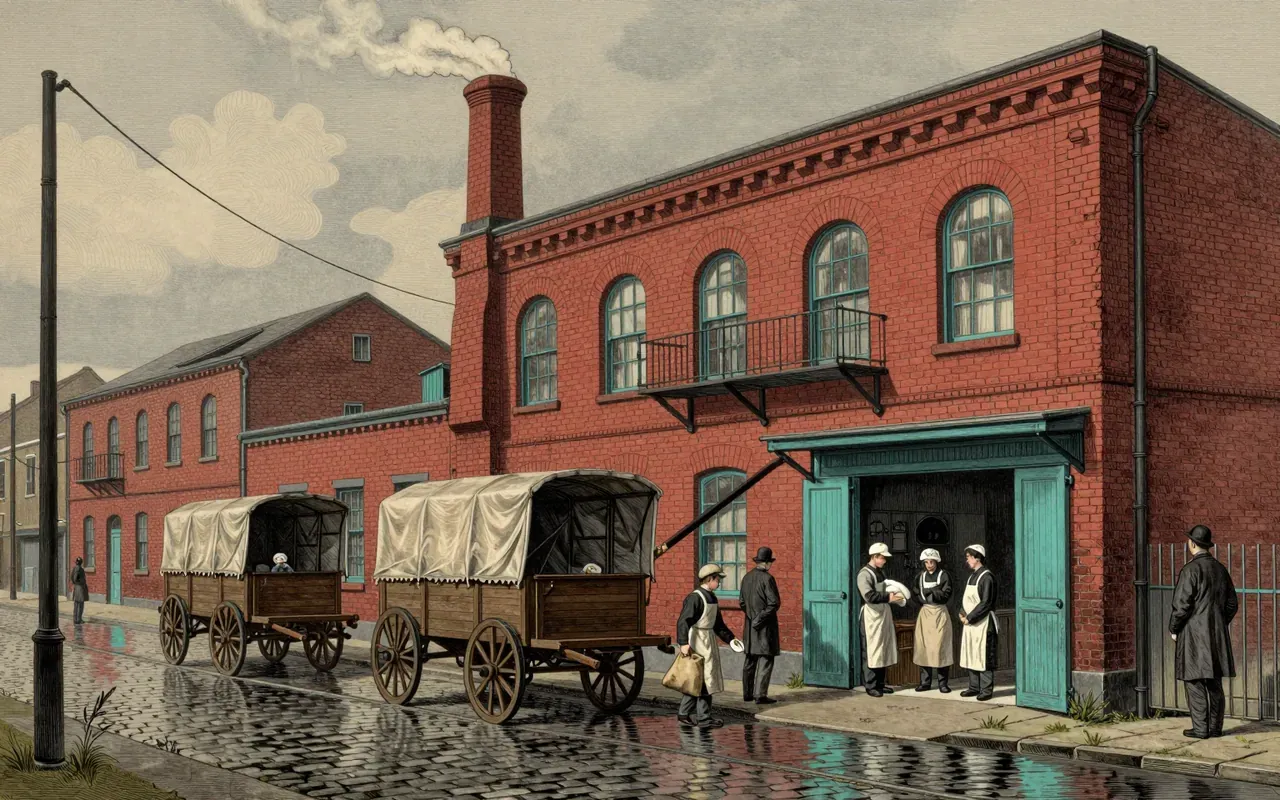
The gap between narrative and structure is wide: the company tells a story of artisanal origins (bread routes, Model Bakery, Home-Made Bread), but operates as a vertically aligned retail-and-property conglomerate where the founding activity — baking — has been fully exited.
Is it worth your time
Yes — as a case study in how a family-controlled holding company sustains power across generations by shifting from production to retail and property ownership, while shedding legacy operations.