What the company or idea is
Glencore is an Anglo-Swiss multinational commodity trading and mining company formed in 1994 via management buyout of Marc Rich + Co AG — itself founded in 1974. It is not Marc Rich’s company; it is the corporate successor that removed him.
How it actually makes money
Glencore makes money by trading and mining commodities — especially zinc, copper, oil, and grain — at scale. It controls large shares of internationally tradable markets: 60% in zinc and 50% in copper as of 2010. Its revenue comes from arbitrage, logistics, storage, and vertical integration across extraction, processing, and sale.
What works
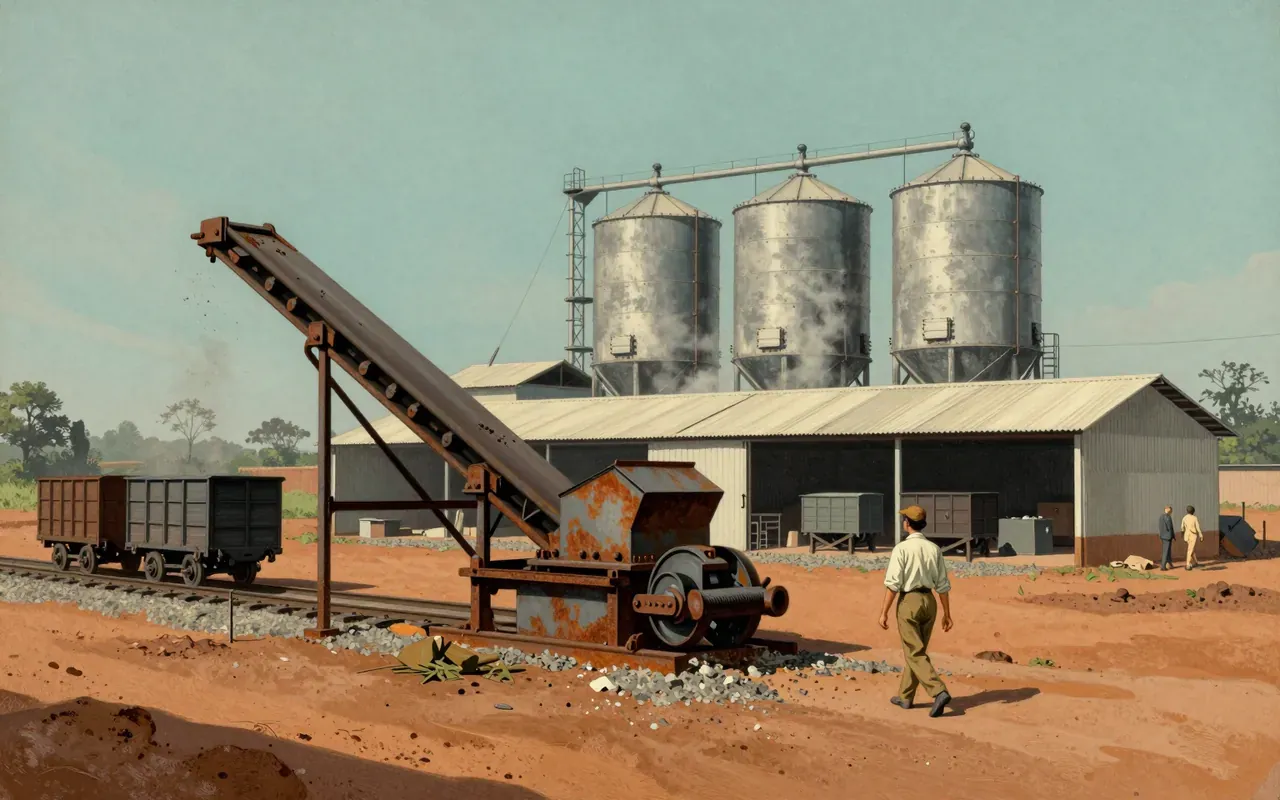
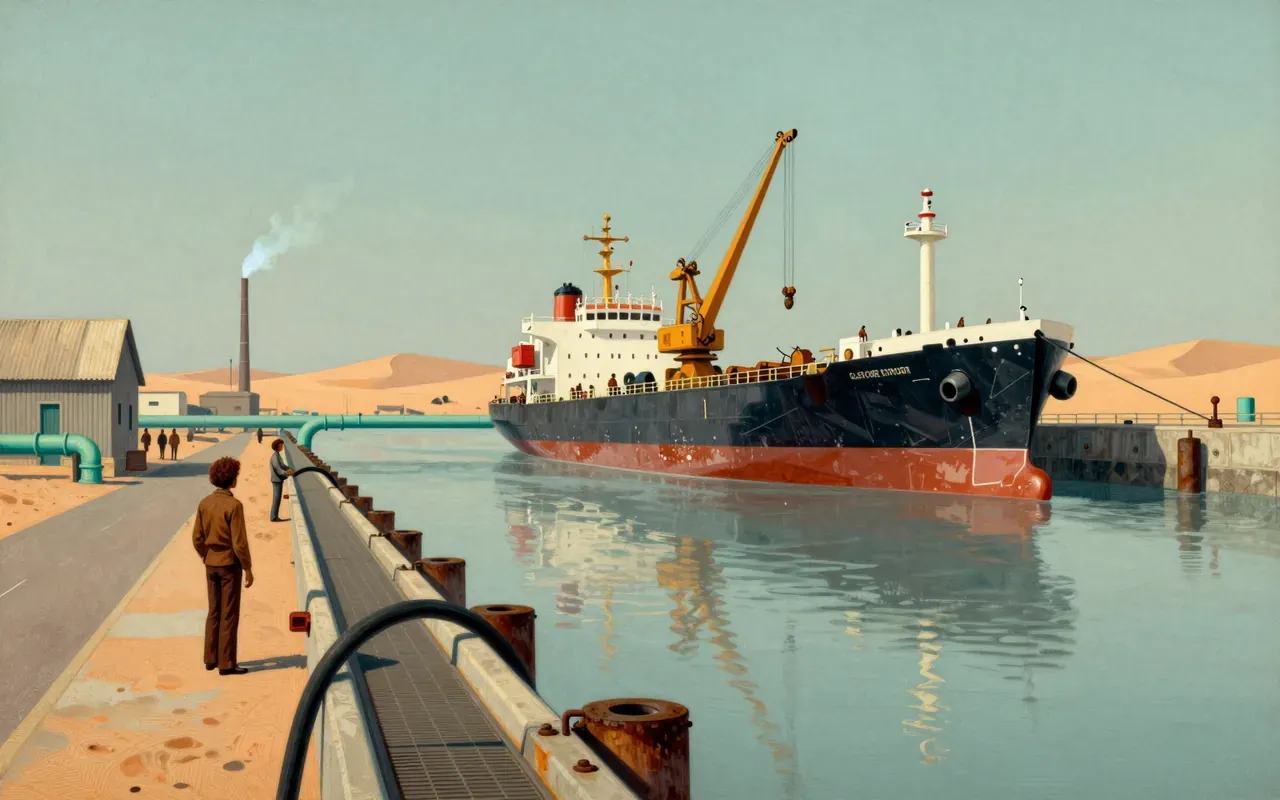
Its model works because it owns infrastructure — mines, ports, tanks, railcars — and exploits price differentials across geography, regulation, and timing. Its 2010 zinc and copper shares were not incidental; they reflected decades of embedded relationships, off-market deals, and tolerance for volatility — like the zinc corner attempt that triggered Rich’s ousting.
What does not
Glencore does not operate transparently. Its registered office is in Saint Helier, Jersey — a Crown Dependency with light regulation — and its structure separates legal domicile, operational headquarters (Baar), and oil-and-gas command (London). It does not disclose full financials by segment, and its market share dominance does not translate into public pricing power or accountability.
What to take from it
Glencore reveals how global commodity power consolidates: not through innovation or scale alone, but through jurisdictional layering, market-share concentration in narrow tradable streams, and the deliberate separation of ownership, control, and accountability.
Is it worth your time
Yes — if you want to understand how commodity power works in practice: opaque, concentrated, jurisdictionally fragmented, and anchored in physical control rather than technology or branding.