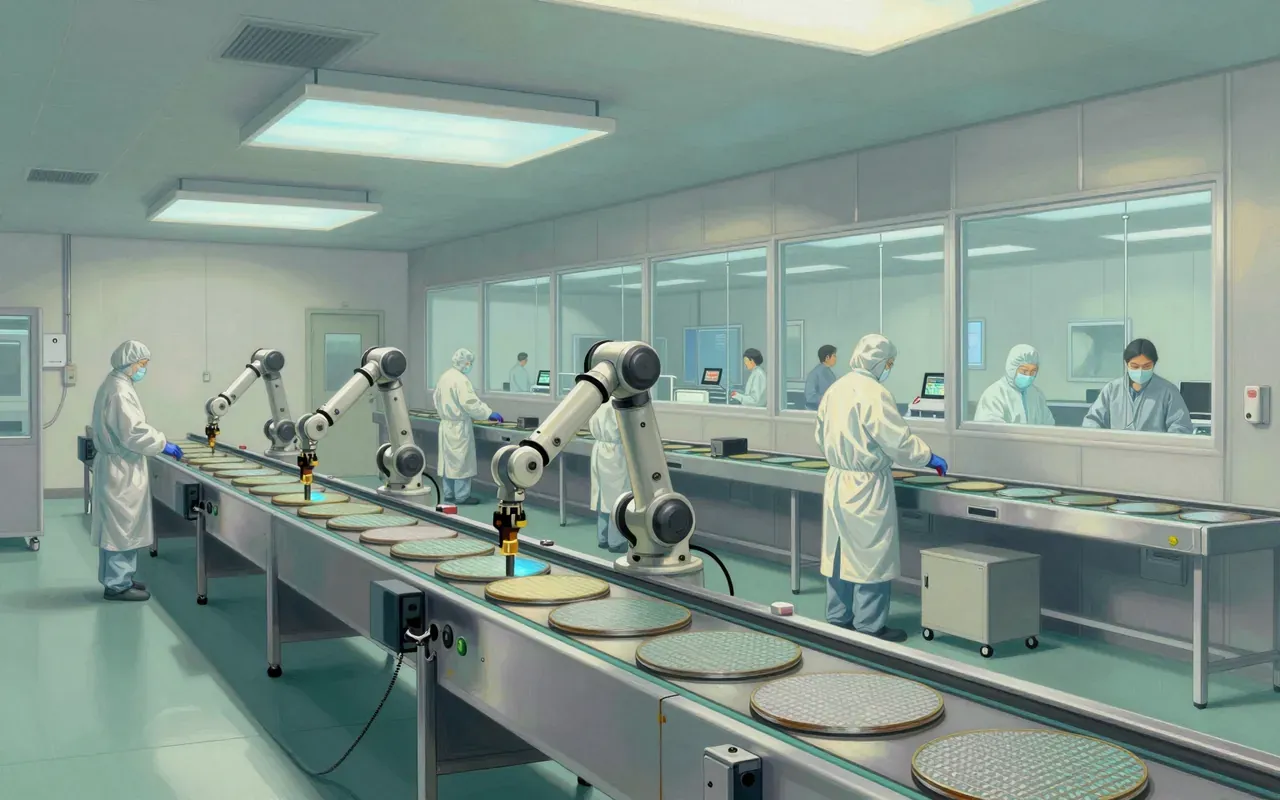
Mitsubishi Electric is a 103-year-old Japanese industrial manufacturer whose current moves — patent output, acquisitions, semiconductor investment — reveal a deliberate pivot toward infrastructure-grade hardware. It does not sell software platforms or cloud services. Its cyber breach in early 2020 remains unaddressed in public reporting. Its money comes from physical systems sold to builders, utilities, and factories — not consumers or advertisers.
It is not a tech startup — it is a 1921 spin-off of Mitsubishi Shipbuilding’s electrical machinery division.
2:10
Acquisition: HVAC as infrastructure
It bought DeLclima in 2015 to control HVAC and hydronics — a vertical integration play, not a platform bet.
3:06
Patents: Output, not optics
Fourth globally in PCT patents in 2023 — proof of sustained R&D, not just IP hoarding.
4:36
Semiconductors: Capital deployed
100 billion yen for a Kumamoto semiconductor factory targeting April 2026 — capital allocation, not PR.
6:22
Cyberattack: A live fault line
Breached by Chinese hackers in early 2020 — a vulnerability in its operational security, not a footnote.
7:56
Elevator record: Capability, not legacy
World’s fastest elevator (1993–2005) was a demonstration of precision engineering — now redirected to industrial systems.
3 more chaptersFewer chapters
Worth your time?
Yes. Study the whole thing.
4/ 5
What works
patent intensity
vertical acquisition logic
capital commitment to semiconductors
What does not
cybersecurity
consumer electronics
software
Study it if
industrial investors
supply-chain analysts
Japan-focused strategists
Skip it if
startup founders
VC scouts
marketing teams
Who should study it, and who should skipHide who it is for
The written brief1 min read
What the company or idea is
Mitsubishi Electric is a Japanese multinational electronics and electrical equipment manufacturer, spun off from Mitsubishi Shipbuilding’s electrical machinery division in 1921.
How it actually makes money
Mitsubishi Electric makes money by manufacturing and selling electronics, electrical equipment, appliances, consumer electronics, HVAC systems, and semiconductors.
What works
Acquisitions like DeLclima (2015) expanded its HVAC and hydronics footprint. Its elevator record (1993–2005) demonstrated engineering capability now redirected toward industrial systems and semiconductors.
What does not
The company does not control the narrative around its own resilience: it was breached by Chinese hackers in early 2020, and no public evidence shows it has closed that gap.
What to take from it
Its patent volume (2,152 PCT applications in 2023) and semiconductor factory investment (100 billion yen, Kumamoto, production start April 2026) signal deliberate repositioning — not as a consumer brand, but as an infrastructure enabler.
Is it worth your time
Yes — if you are tracking industrial strategy in Japan, semiconductor infrastructure build-out, or how legacy manufacturers respond to cyber threats and global patent competition.