Saved
Companies · Rise & fall

Pemex

1938

A national oil company that peaked before the iPhone—and still pays for half of Mexico’s federal budget.

Worth your time?3.5/5Yes.Study the whole thing.What works, what does not, who it is for ↓
10:04in productionCh. 1 · The Nationalisation/ 10:04 · ceiling 15 min
4 chapters · 10:04Ceiling 15:00

The brief is written and checked. The video joins this page when it is cut.4 chapters · 1 min read · 10:04 planned

Read the brief

Pemex is a state-owned oil monopoly created by nationalisation in 1938. It generates revenue through extraction and sale of hydrocarbons, funding much of Mexico’s federal budget. Its production peaked in 2005 and declined annually through 2007. It is the seventh-most polluting company globally. It is not a growth business—it is a fiscal institution operating past peak output.

Chapters & takeaways4
  1. 0:57
    The Nationalisation

    Pemex was not built to compete. It was built to reclaim sovereignty—by decree, on June 7, 1938.

  2. 2:16
    The Revenue Paradox

    Revenue does not mean resilience: Pemex was Latin America’s second-largest enterprise by revenue in 2009—but already in structural decline.

  3. 4:19
    The Decline Curve

    Hubbert’s Peak was confirmed internally in 2005—and production fell every year from 2004 to 2007.

  4. 6:01
    The Emissions Reality

    Pemex is the seventh-most polluting company in the world—not because it is large, but because it burns, flares, and leaks at scale.

1 more chapterFewer chapters
Worth your time?

Yes. Study the whole thing.

3.5/ 5
What works
  • fiscal transfer
  • symbolic sovereignty
  • scale of operation
What does not
  • innovate
  • expand production
  • reduce emissions
Study it if
  • policy-makers
  • energy analysts
  • students of resource nationalism
Skip it if
  • investors seeking growth
  • climate-tech strategists
  • startup founders
Who should study it, and who should skipHide who it is for
The written brief1 min read

What the company or idea is

Pemex is a Mexican state-owned petroleum corporation, formed on June 7, 1938, by presidential decree expropriating all private oil companies in Mexico.

How it actually makes money

Pemex makes money by extracting, refining, and selling oil and gas. Its revenue comes from domestic sales and exports. As a state-owned corporation, it transfers profits to the Mexican federal budget.

What works

Pemex works as a fiscal engine. In 2009, it was Latin America’s second-largest enterprise by revenue—surpassed only by Petrobras. It remains central to Mexico’s public finances.

What does not

Pemex does not grow production. It hit Hubbert’s Peak in 2005. Annual output fell every year from 2004 to 2007. Daily production dropped by ~500,000 barrels between 2005 and 2006.

What to take from it

Pemex reveals the tension between nationalist symbolism and operational decline: a company defined by its origin, sustained by state mandate, and constrained by geology, governance, and emissions.

Is it worth your time

Yes—if you are studying how national oil monopolies operate under resource depletion, fiscal dependency, and environmental cost. No—if you expect scalable innovation, private-sector efficiency, or decarbonisation leadership.

Same desk · Companies4 of 325
10:01
MOL (company)1991MOL is a Hungarian multinational oil and gas company founded on 1 October 1991 and headquartered in Budapest, Hungary. It operates across exploration and production, refining, distribution and marketing, petrochemicals, power generation, trading and retail. As of December 2025, over 45% of its shares are free floated. As of September 2025, it suspended activities in Russia following the Russian invasion of Ukraine.
10:14
Gazprom Neft1995Gazprom Neft is a vertically integrated Russian oil company created in 1995 through the transfer of state-owned assets — not entrepreneurial initiative. Its scale, growth, and structure reflect state coordination, not market dynamics.
12:06
ExxonMobilRockefeller Standard Oil · 1882ExxonMobil is the largest U.S.-based oil and gas company. It was formed in 1999 by merging Exxon and Mobil. It is vertically integrated across oil and gas and its chemicals division. It produces about 3% of the world’s oil and 2% of global energy. In 2024, it emitted 610 Mt of CO2 — 1.58% of global emissions. It has faced widespread criticism and litigation over environmental incidents, including the 1989 Exxon Valdez oil spill, and for decades of climate change denial despite internal scientific accuracy.
11:09
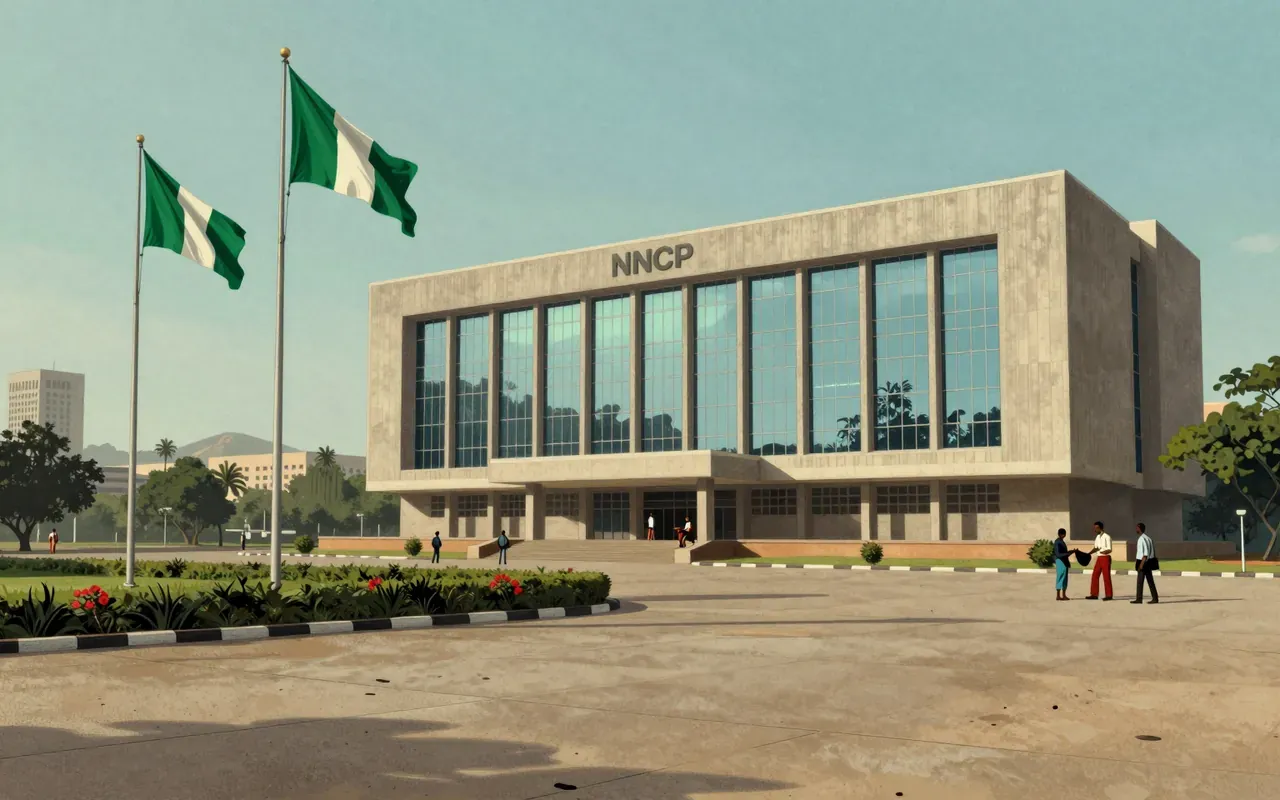
NNPC1977NNPC Limited is Nigeria’s state-owned oil monopoly, restructured in July 2022 as a limited liability company to project commercial credibility. It controls all petroleum operations in Nigeria, manages joint ventures with Shell, ExxonMobil, TotalEnergies, Chevron and others, and holds $153B in assets — making it Africa’s largest national oil company. Its claim to operate commercially post–2021 Petroleum Industry Act is undermined by its statutory monopoly, lack of competition, and continued role as the federal government’s exclusive petroleum agent. Its first DES LNG cargo to Japan in June 2024 marks an export milestone but reveals nothing about actual market access or governance reform.
Up next in Business

Perenco

1975 · 9:16

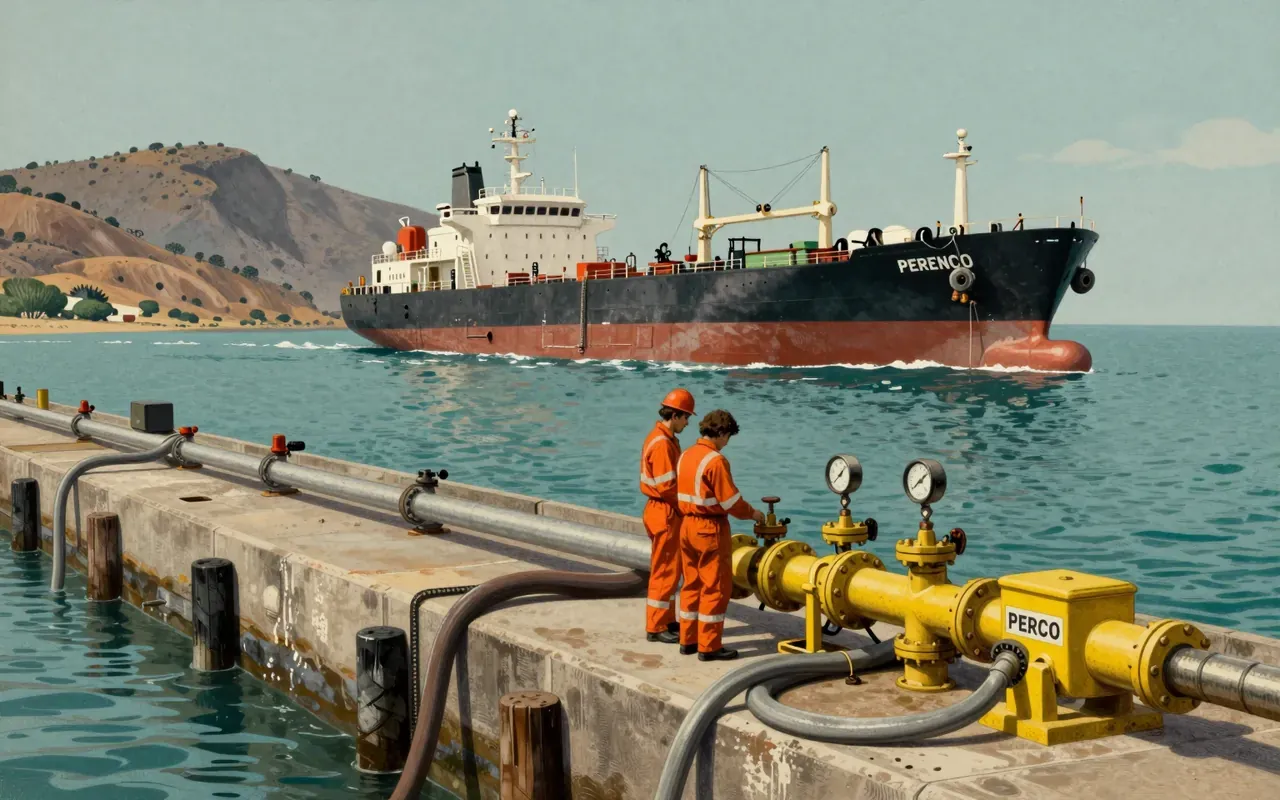
A private oil firm that publishes nothing but its output — and has thrived for half a century doing exactly that.

9:16