What the company or idea is
Husky Energy was a Canadian petroleum company founded in 1938 in Cody, Wyoming, later headquartered in Calgary, Alberta, operating upstream and downstream segments until its acquisition in 2021.
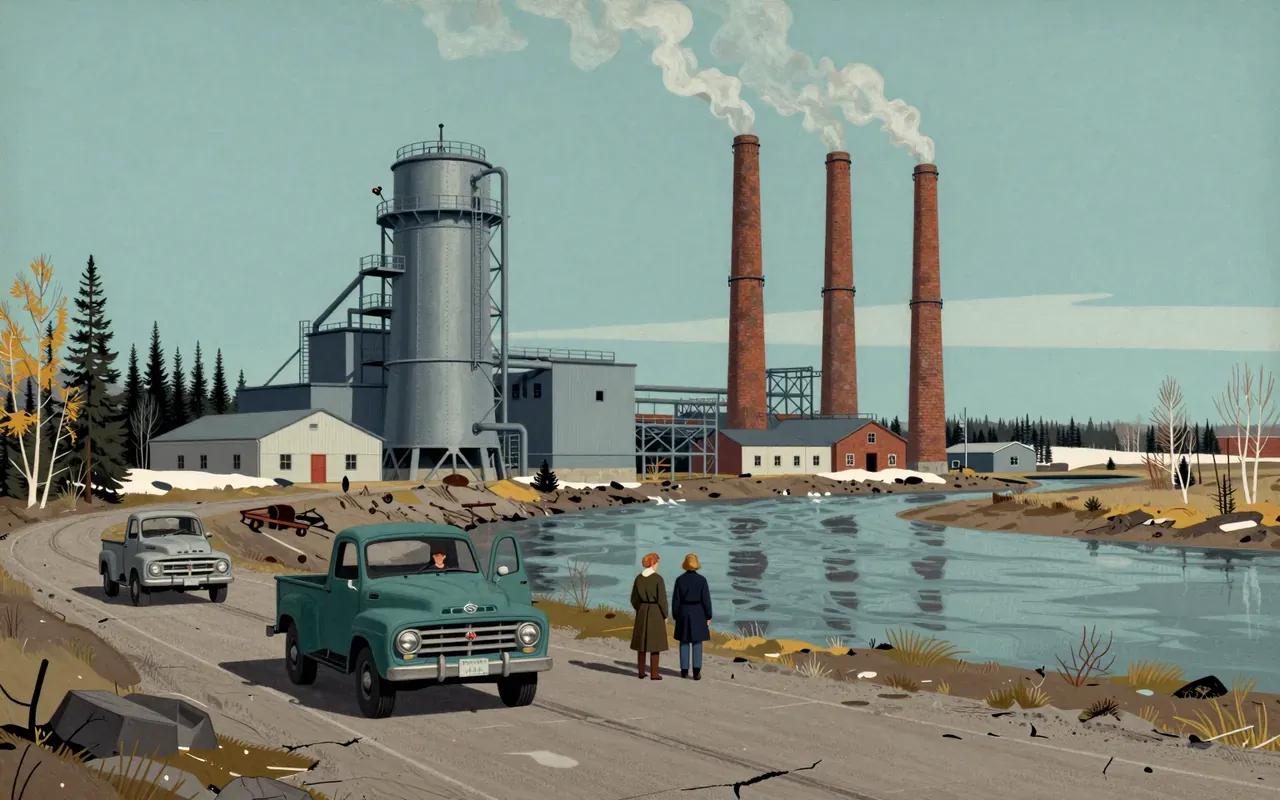
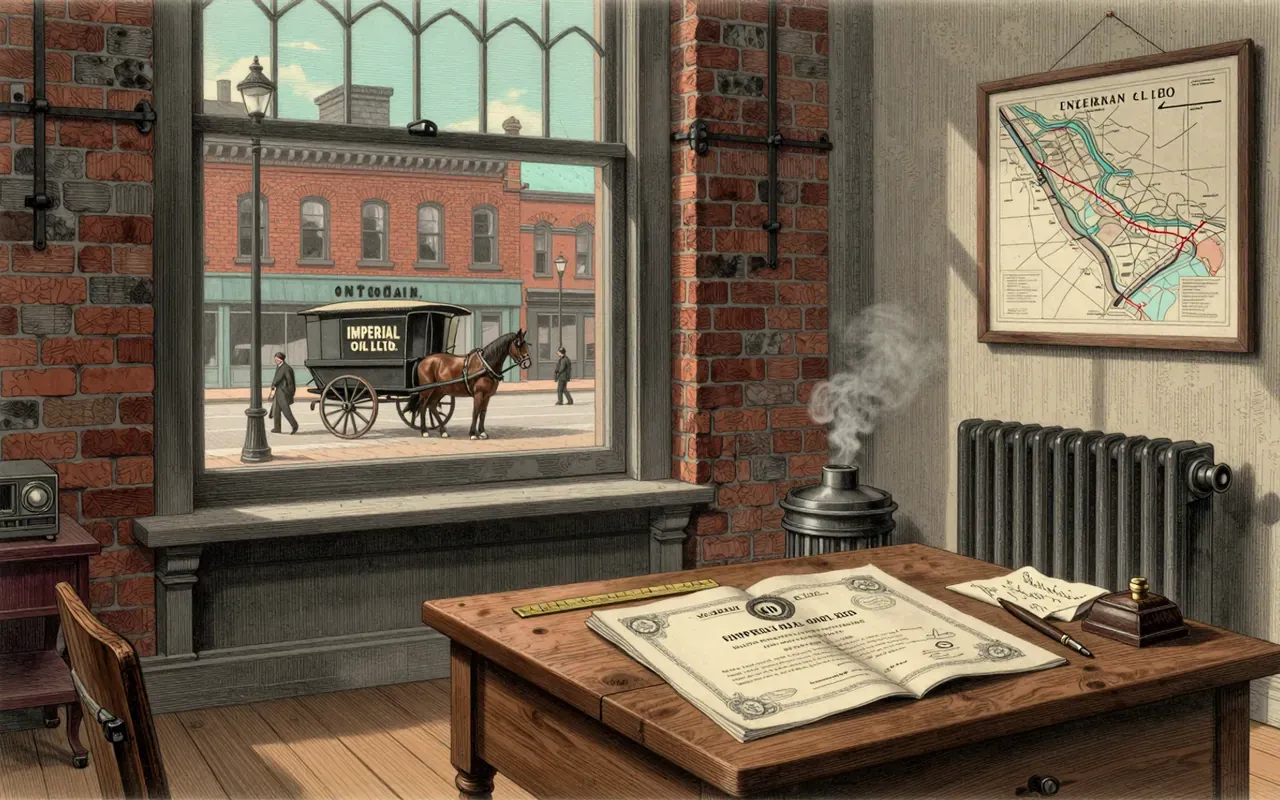
According to the Wikipedia article this brief draws on, it began as the Husky Refining Company, when Glenn Nielsen bought the assets of the four-year-old Park Refining Company from its founder, Valentine Monroe Kirk. The first refinery was in Cody, with a second built later in Riverton, Wyoming. In 1946 the company relocated to Canada: the Riverton refinery was moved to Lloydminster, Alberta, to take advantage of the expanding asphalt and heavy oil opportunities in the area, and a wholly owned subsidiary, Husky Oil and Refining Ltd., was created and headquartered in Calgary. The Cody refinery kept operating into the 1970s, mostly producing asphalt, and was razed in the late 1990s.
How it actually makes money
Husky Energy made money through upstream (exploration and production) and downstream (refining and marketing) petroleum operations across Western and Atlantic Canada, the United States, and the Asia Pacific region.
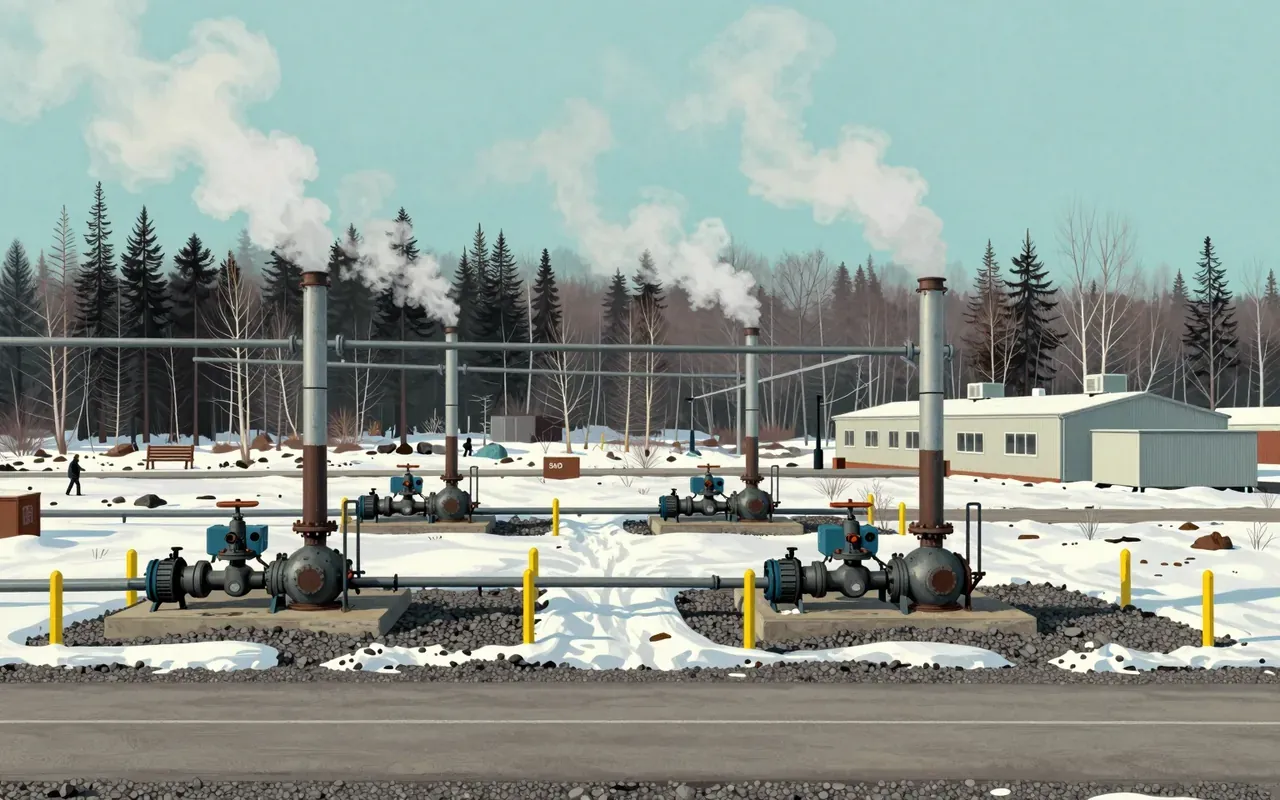
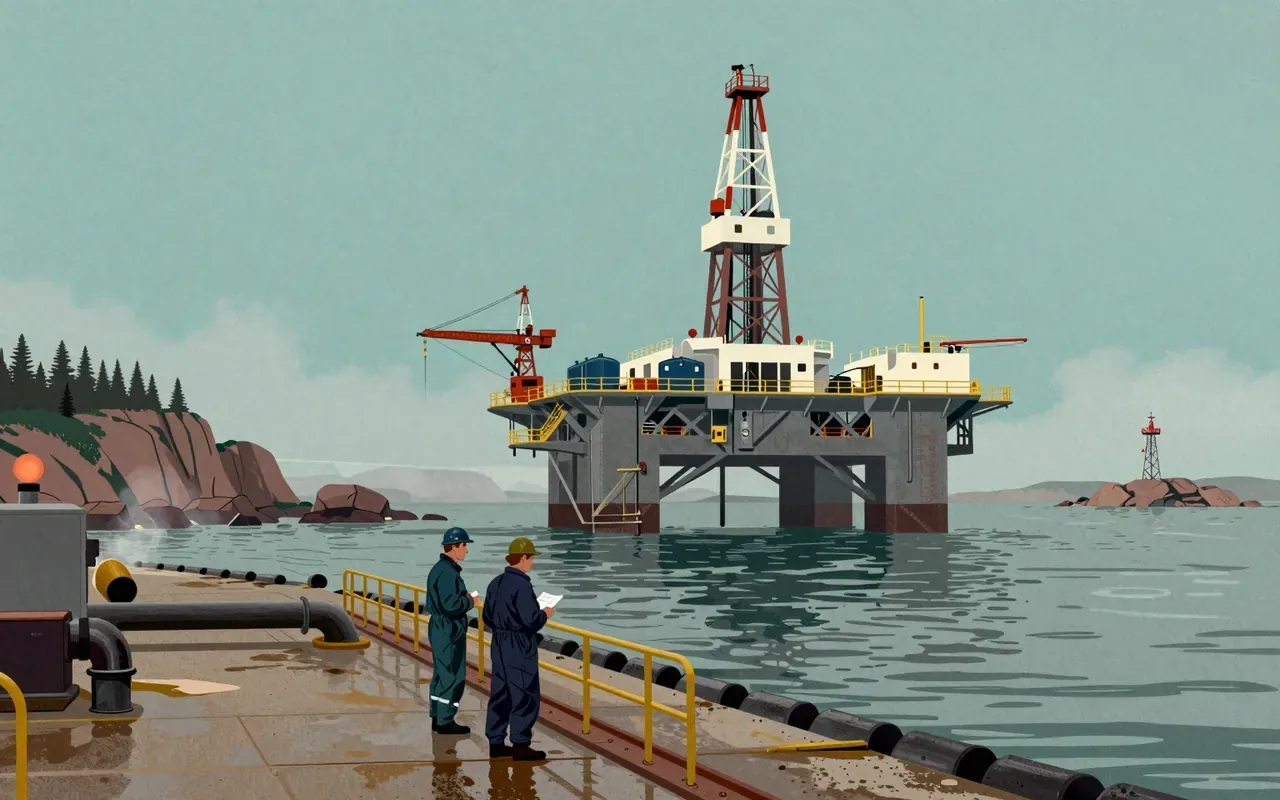
The upstream side was oil and gas exploration and extraction. Its heavy oil business included seven thermal developments in Saskatchewan, and it held oil sands leases of some 2,500 square kilometres in the Fort McMurray region. At its Sunrise Energy Project, which reached first production in early 2015, it used steam-assisted gravity drainage: bitumen is heated with steam to reduce its viscosity, then pumped to the surface. Offshore, the Liwan Gas Project in the South China Sea began production in 2014 and the liquids-rich BD field off Indonesia came online in 2017. In Atlantic Canada, Husky operated the White Rose field and was a partner in the Terra Nova project. It also held a 40% interest in the Wenchang project off China, with CNOOC owning the other 60%. Separately, Husky managed the terminal operations for Western Canada Select, a heavy crude stream, from its start in 2004.
Downstream, the Lloydminster Upgrader converted heavy oil into a low-sulphur synthetic oil, and the Lloydminster asphalt refinery produced more than 30 types and grades of road asphalt. Husky also ran ethanol plants at Minnedosa, Manitoba, and Lloydminster, each producing about 130 million litres a year, the Lloydminster plant using mainly feed-grade wheat bought locally. In the United States it owned refineries in Lima, Ohio, and Superior, Wisconsin, and in a 2008 joint venture with BP took a 50% share of the BP-Husky Toledo Refinery in Ohio, while BP took half of the Husky-operated Sunrise field. Husky also ran retail stations, owning approximately 490 in Canada.
What works
Its dual upstream-downstream model enabled vertical integration across geographies — a structure that persisted for over 80 years before acquisition.
Husky grew through a steady run of deals. Alberta Gas Trunk Lines acquired controlling ownership in 1978-1979, amid a bidding war between Petro-Canada and Occidental Petroleum. Li Ka-shing bought 43% in 1986, and in 1991 purchased NOVA’s remaining interests for CA$217 million, taking his stake to 95%. Husky bought Mohawk Oil, described as the largest independent chain of consumer filling stations in Western Canada, in 1998, acquired Renaissance Energy, controlled by Li, in 2000, and bought Marathon Oil’s Canadian unit in 2003. At the end of 2015 it reported proved reserves before royalties of 1.3 billion barrels of oil equivalent, and probable reserves of 1.6 billion.
What does not
It did not sustain independence beyond 2021. Its operational footprint across three continents did not prevent acquisition — a signal of structural or competitive pressure unaddressed in the source material.
Husky also had setbacks and reversals. An explosion in January 2015 damaged the 26,000-barrel-a-day isocracker unit at the Lima refinery, and later that year, given the low price of oil, Husky postponed a US$300 million crude oil flexibility project there. In April 2018 explosions and fires at the Superior refinery caused 11 injuries, one critical, and led to a mandatory evacuation. In 2019 Husky dropped a bid for MEG Energy after failing to get shareholder support, and in January 2019 it said it was exploring a sale of its retail network and Prince George refinery. Cenovus’s 2020 offer was valued at $3.8 billion, with Li to own 27.2% of the merged company.
What to take from it
The gap between geographic scale and strategic longevity matters: operating across multiple regions and segments did not insulate Husky from consolidation. After the sale, most of its retail operations were sold to Federated Co-operatives and Parkland Corporation, which together took 337 stations, and the remaining travel centre business, operated under the Esso brand under a 2015 agreement with Imperial Oil, was sold to BVD Petroleum.
Is it worth your time
No. Husky Energy no longer exists as an independent entity, having been acquired by Cenovus Energy in January 2021.