11:20in productionCh. 1 · Not born, but assembled/ 11:20 · ceiling 15 min
Companies
Orlen
1999
A state-directed oil giant masquerading as a multinational — its scale is real, its independence is not.
Orlen is a Polish multinational oil refiner, petrol retailer and natural gas trader headquartered in Płock, Poland. It was created in 1999 through the merger of two state-run petrochemical firms: CPN and Petrochemia Płock. The company operates across eleven countries, employs over 67,809 people, owns more than 3,400 service stations in seven countries, and markets its products to over 100 countries. As of 2025, its reported revenue exceeded US$74.61 billion, and as of September 2026, the Polish state held 49.9% of its shares. Orlen is the largest company in Central and Eastern Europe.
Orlen was built by merging two state petrochemical firms — not founded as a startup or spun out of innovation.
2:40
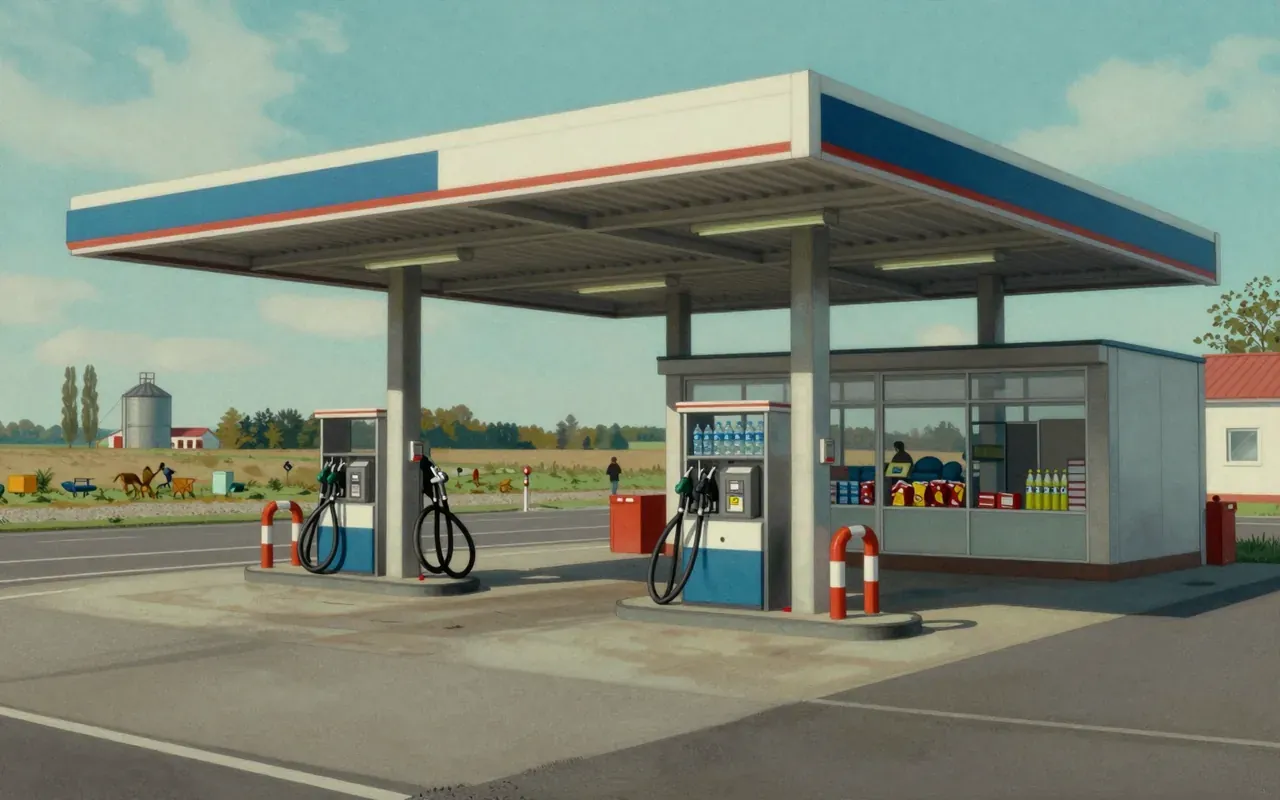
Eleven countries, seven station networks
It operates in eleven countries but owns service stations in only seven — its international presence is uneven and infrastructure-light outside core markets.
5:15
Biggest in CEE, but not independent
It is the largest company in Central and Eastern Europe — yet nearly half its shares remain under direct state control.
7:17
Revenue is weight, not leverage
Revenue exceeds US$74.61 billion, but that reflects commodity volume and scale — not pricing power or margin insulation.
Worth your time?
Yes. Study the whole thing.
3.5/ 5
What works
scale
integration
state-backed expansion
What does not
disrupt
innovate
decentralise
Study it if
students of post-communist industrial policy
analysts of state capitalism
energy infrastructure observers
Skip it if
startup founders
venture investors
digital transformation strategists
The written brief1 min read
What the company or idea is
Orlen is a Polish state-influenced oil refiner, petrol retailer and natural gas trader formed in 1999 through the merger of CPN and Petrochemia Płock.
How it actually makes money
Orlen makes money by refining crude oil, selling petrol at its 3,400+ service stations across seven countries, and trading natural gas.
What works
Its integrated model works: refining capacity in Płock, retail reach across eleven countries, and revenue over US$74.61 billion in 2025 confirm operational heft and cross-border execution.
What does not
Orlen does not operate independently of the Polish state: as of September 2026, the State Treasury holds 49.9% of its shares, making it functionally a state-directed enterprise despite its multinational footprint and stock exchange listing.
What to take from it
Orlen shows how post-communist industrial consolidation can produce a regional giant without full privatisation — its scale comes from vertical integration and state backing, not disruptive innovation or new markets.
Is it worth your time
Yes — if you are studying how state-anchored energy incumbents scale across borders while retaining majority public ownership, and how revenue scale does not imply market autonomy.