What the company or idea is
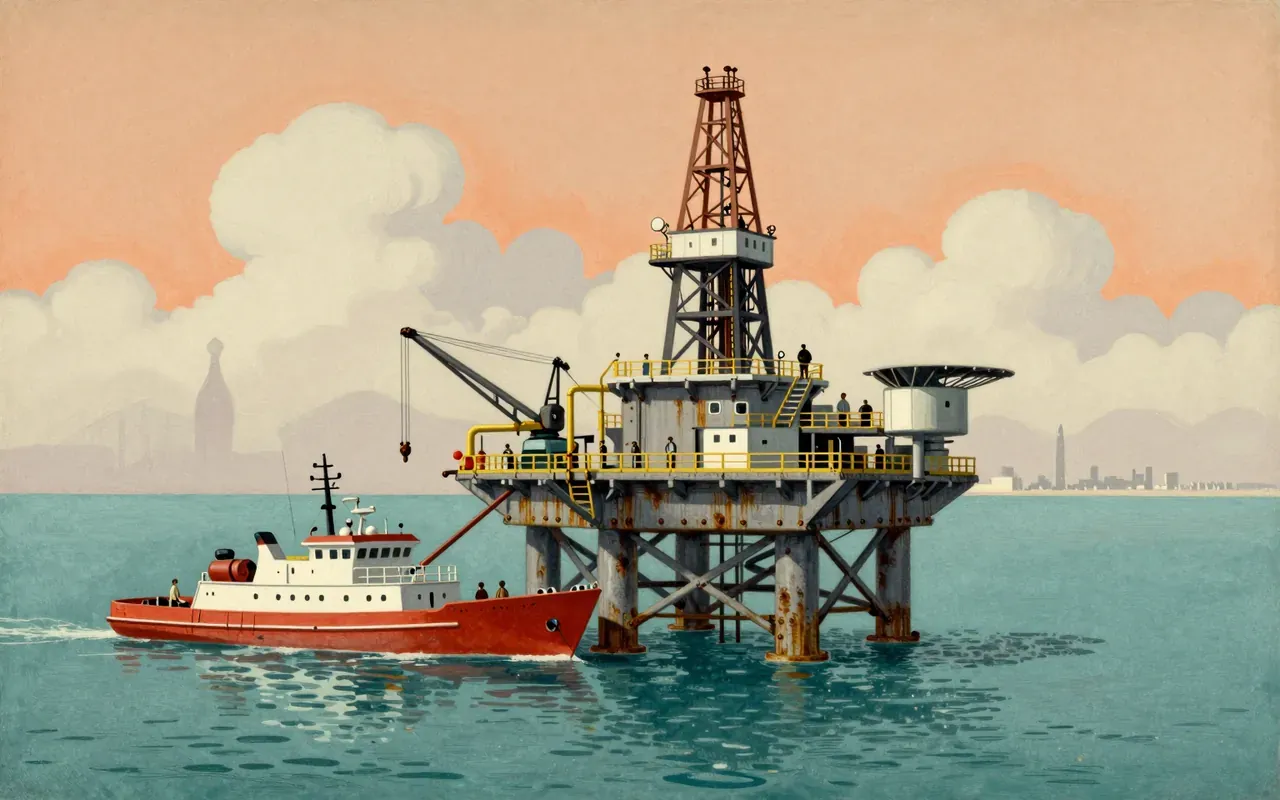
Petrobras is a Brazilian majority state-owned multinational corporation in the petroleum industry, founded in 1953 and headquartered in Rio de Janeiro.
How it actually makes money
Petrobras makes money from petroleum exploration, refining, and petrochemicals — specifically through its REDUC refinery (operational from 1961), Cenpes research centre (opened 1963), and Petroquisa subsidiary (established 1968) converting naphtha into ethene.
What works
Vertical integration worked: Petrobras controlled upstream (oil shale processing from 1953), midstream (REDUC refinery from 1961), downstream (petrochemicals via Petroquisa from 1968), and R&D (Cenpes from 1963).
What does not
Oil shale processing via Petrosix technology did not scale to national supply. The material confirms Petrobras began processing oil shale in 1953 but gives no evidence it became commercially dominant or displaced conventional oil production.
What to take from it
State ownership enabled rapid infrastructure build-out — refinery, research centre, petrochemical subsidiary — but the record shows no revenue, margin, or output figures beyond the 1953 baseline of 2,700 bpd.
Is it worth your time
Yes — as a case study in state-led industrialisation with measurable early-stage constraints: Brazil produced only 2,700 barrels of oil per day in 1953, the year Petrobras was founded.