Peugeot is the oldest car company in the world — but only because it formalised its automobile division in 1896, 86 years after its founding as a steel foundry. Its success came not from breakthrough invention, but from disciplined technology adoption, rapid iteration, and industrial scaling.
Peugeot began as a metalworking family business — not an automotive startup — and only entered vehicles via bicycles in 1882.
2:57
Steam was a dead end
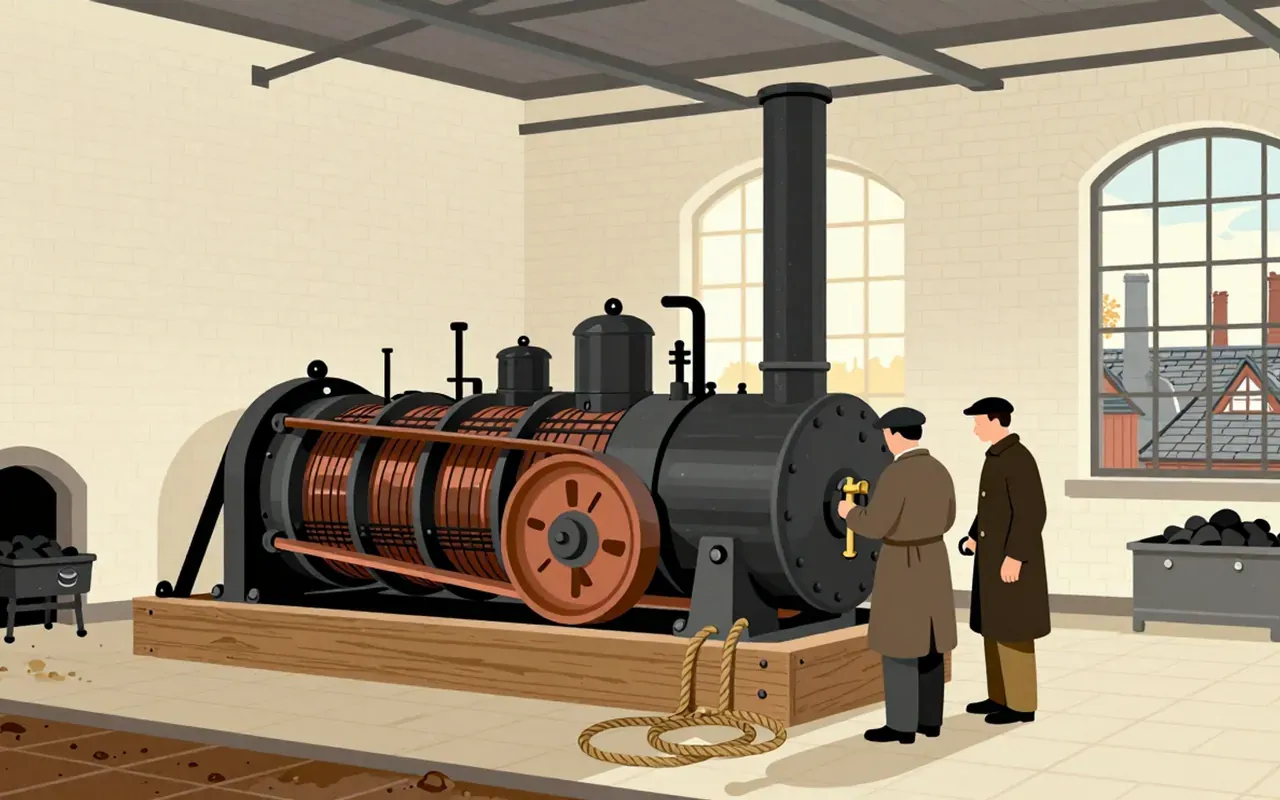
Its first vehicle was a steam tricycle — but steam was scrapped within a year for being too slow, heavy, and impractical.
4:26
Adoption, not invention
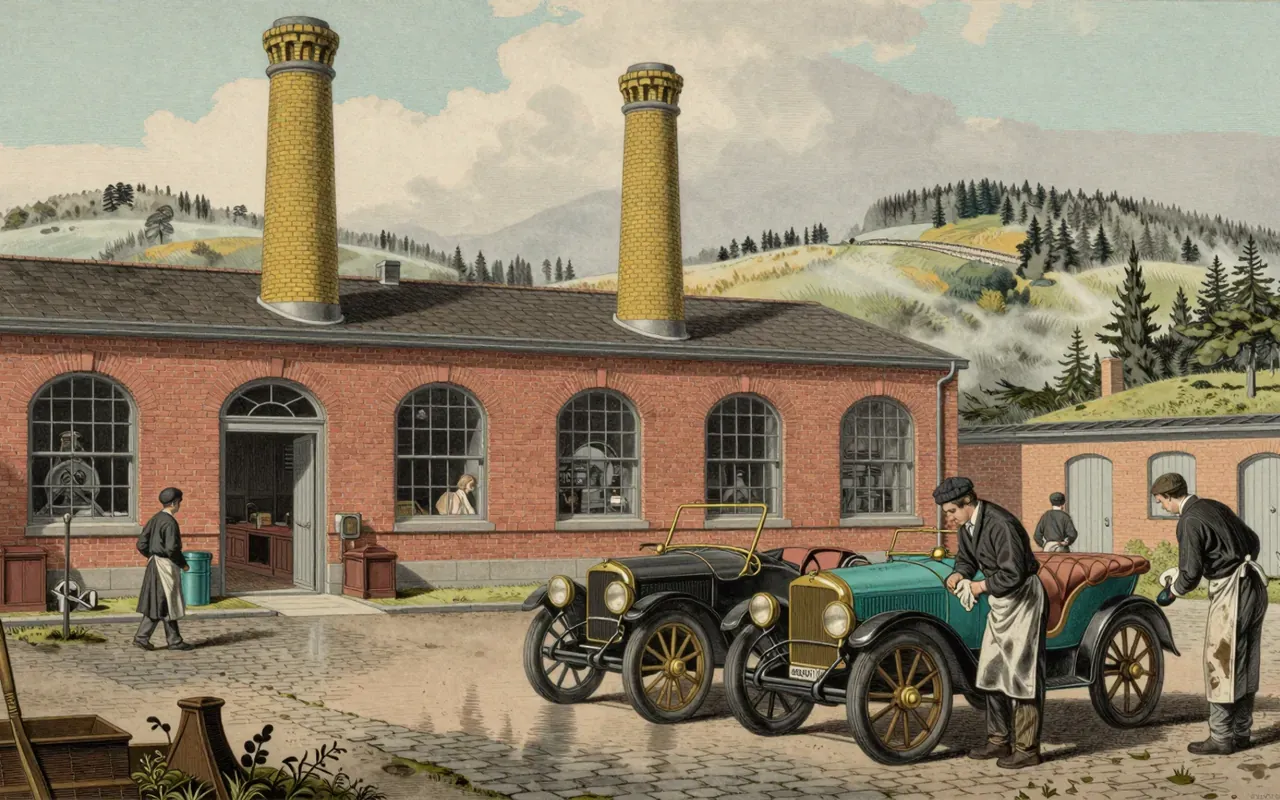
Peugeot’s real advantage was engineering integration: adopting Daimler’s engine, refining chassis design, and building a dedicated factory for internal combustion by 1896.
5:48
Scale, not genius
The merger with Eugène’s firm in 1910 and Armand’s exit in 1913 marked the consolidation of Peugeot as France’s top carmaker — a result of volume, not vision.
Worth your time?
Yes. Study the whole thing.
4.5/ 5
What works
technology-adoption
corporate-pivoting
scale-through-vertical-integration
What does not
invention
disruption
venture-capital-funding
founder-mythology
Study it if
industrial-historians
product-strategists
manufacturing-operators
Skip it if
startup-founders-seeking-inspiration
VC-analysts
brand-marketers
The written brief1 min read
What the company or idea is
Peugeot is a family steel foundry founded in 1810 that became the world’s oldest car company when it formally launched Automobiles Peugeot in 1896 — but only after 14 years of vehicle experimentation, starting with bicycles and steam tricycles.
How it actually makes money
Peugeot made money by manufacturing and selling bicycles from 1882, then steam tricycles (1889), then petrol-powered cars from 1890 — first using licensed Panhard-Daimler engines, then building its own internal-combustion vehicles from a dedicated factory at Audincourt after 1896.
What works
The switch to petrol-powered four-wheelers in 1890 worked. These cars featured three-point suspension and sliding-gear transmission — technical advantages over contemporaries — and enabled Peugeot to become France’s largest carmaker by 1913, producing 10,000 units annually.
What does not
Steam power did not scale. Only four Serpollet-designed steam tricycles were built. The technology was abandoned by 1890 because it was heavy, bulky, and required lengthy warm-up times.
What to take from it
The gap between Peugeot’s origin story and its actual path is wide: it did not invent the automobile, nor did it pioneer internal combustion. It succeeded by adopting, adapting, and industrialising proven technologies — then scaling production faster than rivals.
Is it worth your time
Yes — as a case study in how a family metalworking business systematically pivoted across power sources, vehicle types, and corporate structures to dominate a nascent industry without relying on mythmaking or external capital.