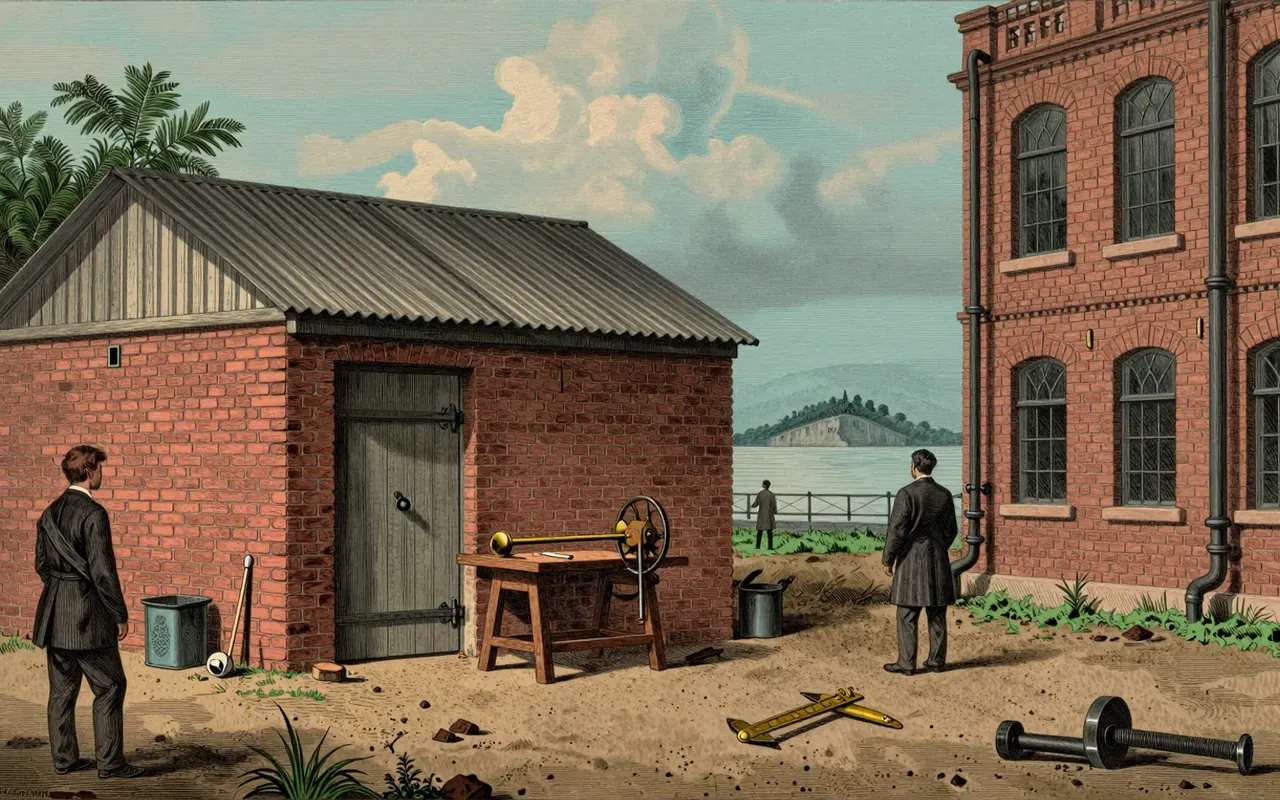
A 20-square-metre shed in Bombay built India’s first fireproof safe — not with rhetoric, but with deep-forged keys, steam presses, and a 1914 fire that proved pearls stayed lustrous.
Godrej & Boyce is not a story of disruption but of continuity — sustained by refusing to outsource precision, testing claims in fire, and anchoring engineering to national need. Its business model has never been about scaling a single product, but about retaining sovereign capability across generations.
Godrej & Boyce began as Godrej Brothers Company — a 1897 lock-making venture in a 20 m² Bombay shed, co-founded by inventor Ardeshir and manufacturer Pirojsha.
2:36
Keys Before Locks
Every lock was guaranteed unique and unpickable because keys were deep-forged and machine-cut first — then locks built to fit them.
4:23
Fire Tests Over Promises
In 1901, Godrej pivoted to safes that were both fireproof and burglarproof — proven when a 1914 fire preserved documents and pearls, and validated by King George V in 1911.
6:20
Same Mission, New Machines
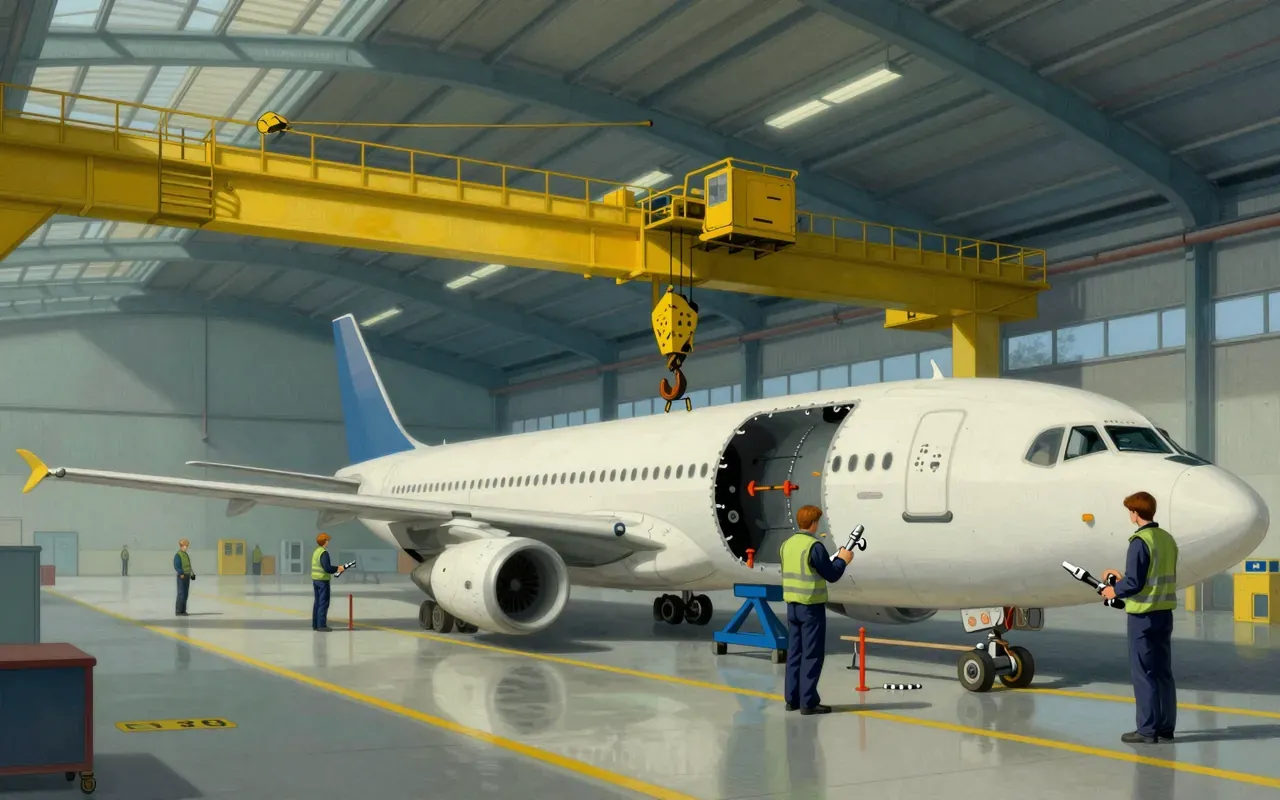
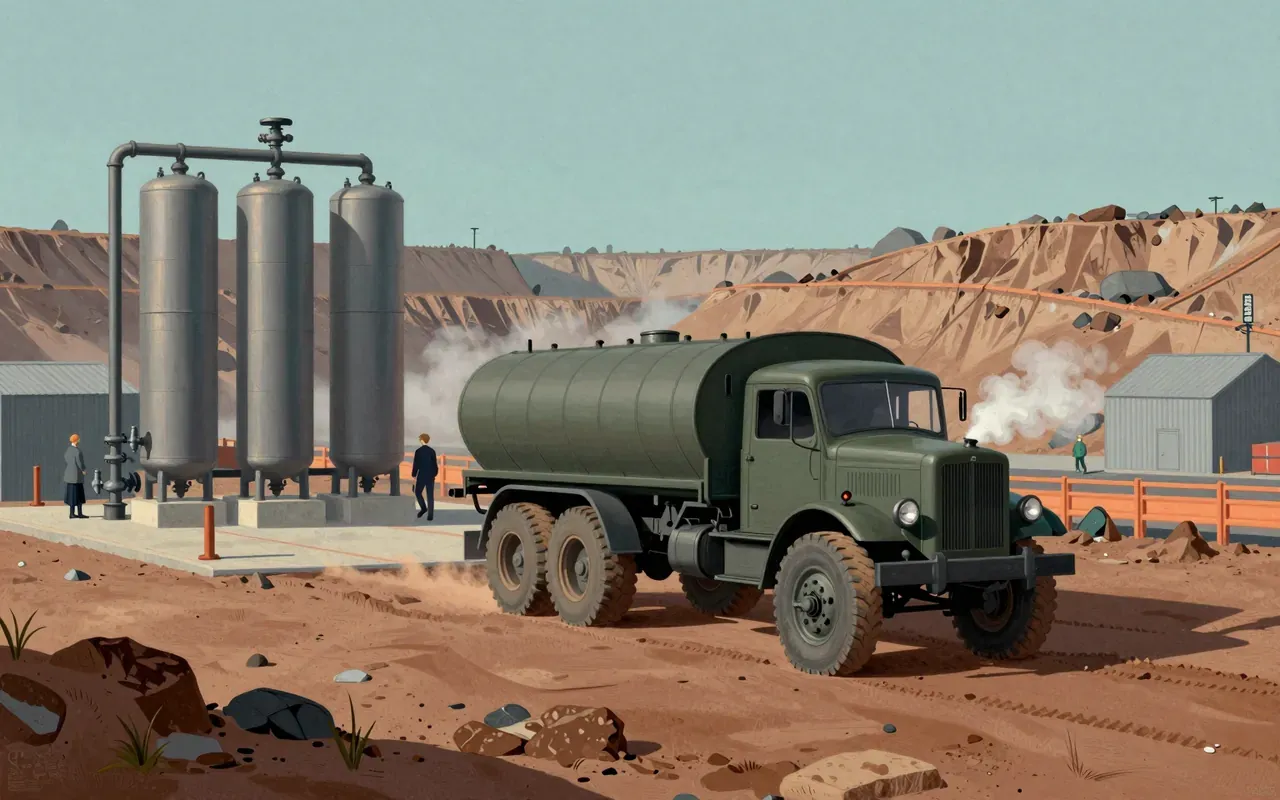
Today’s Godrej & Boyce builds custom engineering for aerospace and clean energy — still privately held, still rooted in Swadeshi-era sovereignty, not shareholder returns.
Worth your time?
Yes. Study the whole thing.
4.5/ 5
What works
guaranteed uniqueness and unpickability via deep-forged keys
fireproof + burglarproof safes validated by 1914 fire test and royal use
springless lock patent and vegetable-oil soap process
What does not
scale its early lock-and-safe innovation into a global consumer security brand
export its patented Gordian or Detector Locks internationally
become a mass-market lock supplier outside India
Study it if
engineers
industrial historians
policy makers in emerging economies
Skip it if
venture capitalists seeking scalable IP
brand strategists looking for global storytelling playbooks
The written brief1 min read
What the company or idea is
Godrej & Boyce is an Indian industrial company founded in 1897 as Godrej Brothers Company by Ardeshir and Pirojsha Godrej in Bombay. It is the flagship of the Godrej Group and operates across ten industries with a focus on sovereign-capable engineering.
How it actually makes money
Godrej & Boyce makes money by building custom engineering solutions for aerospace, defence, clean energy, railways and automotive clients, and by manufacturing branded goods.
What works
Its founding method works: steam-press manufacturing in a 20 m² shed; guaranteed uniqueness and unpickability; fireproof + burglarproof safes validated by 1914 fire tests and royal use in 1911; vegetable-oil soap process; springless lock patent.
What does not
The company does not scale its early lock-and-safe innovation into a global consumer security brand. It never became a mass-market lock supplier outside India, nor did it export its patented Gordian or Detector Locks internationally.
What to take from it
Technical self-reliance is not rhetorical — it is enforced by deep-forging keys before locks, making all components in-house, and validating fire resilience through real-world catastrophe. That discipline enabled survival where imported standards dominated.
Is it worth your time
Yes — it demonstrates how technical rigour, in-house component control, and mission-driven industrial policy can sustain a private company across 127 years without public markets or foreign ownership.