businessbriefs
9:29in productionCh. 1 · Radio First/ 9:29 · ceiling 15 min
Companies · Rise & fall

Ducati (company)

1926

Ducati didn’t become a motorcycle company — it became a surviving factory that started bolting engines to bikes.

Ducati’s origin is not in motorcycles but in radio components. Its wartime survival and rapid postwar scaling were enabled by physical infrastructure and engineering continuity — not branding, heritage, or innovation narratives.

Chapters & takeaways4
  1. 1:02
    Radio First

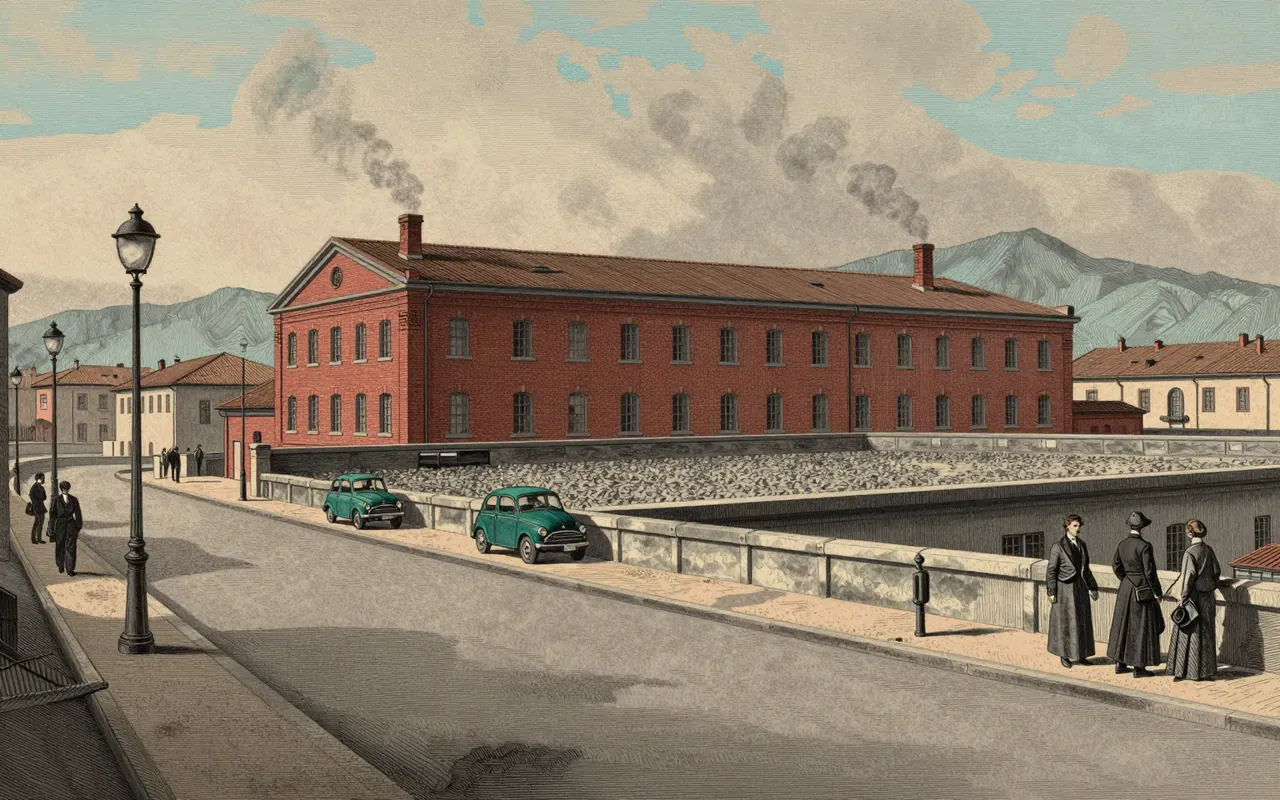
    Ducati began as a radio-component manufacturer — vacuum tubes and condensers — not a motorcycle firm.

  2. 2:37
    Factory That Would Not Close

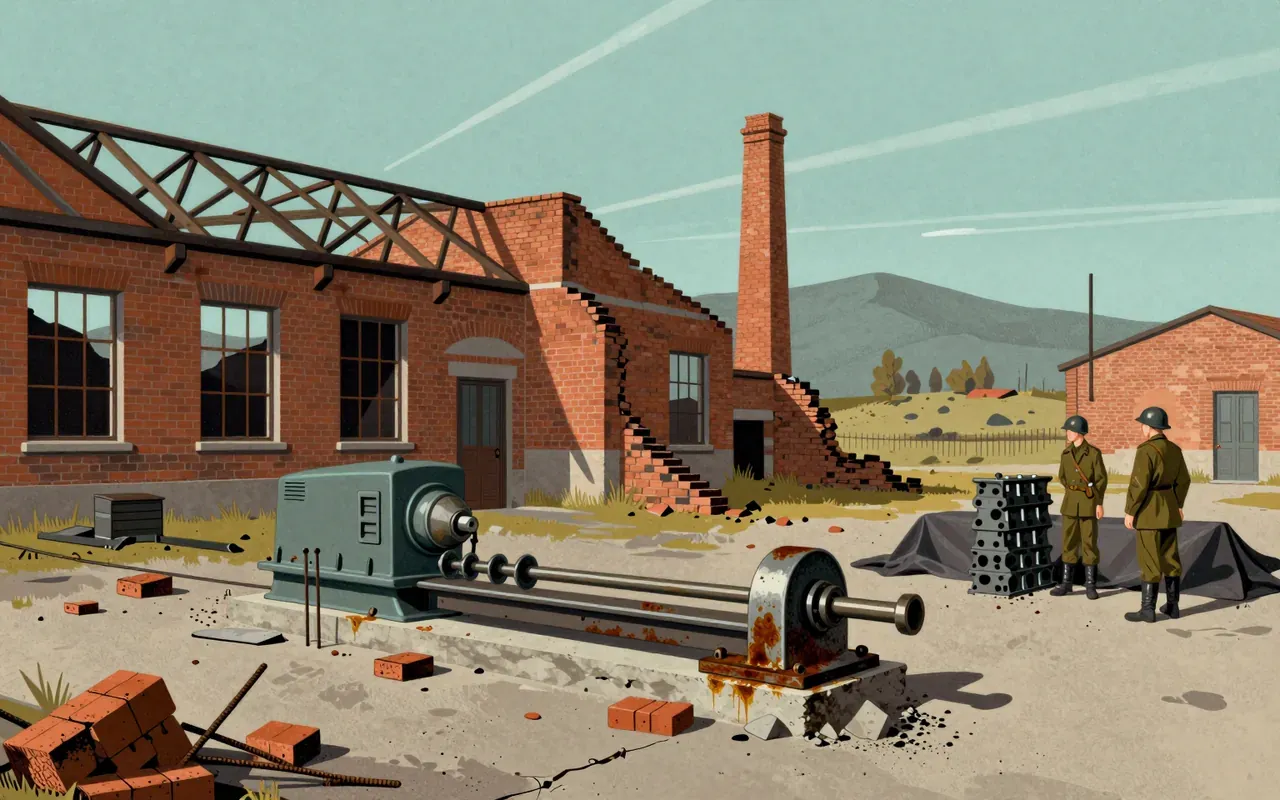
    Its Borgo Panigale factory was built in 1935, bombed repeatedly, and destroyed on 12 October 1944 — yet production never stopped.

  3. 4:01
    Engine by Commission

    Ducati entered motorcycles not by invention, but by contract: building the Cucciolo engine for SIATA in 1950.

  4. 5:40
    Scale Before Style

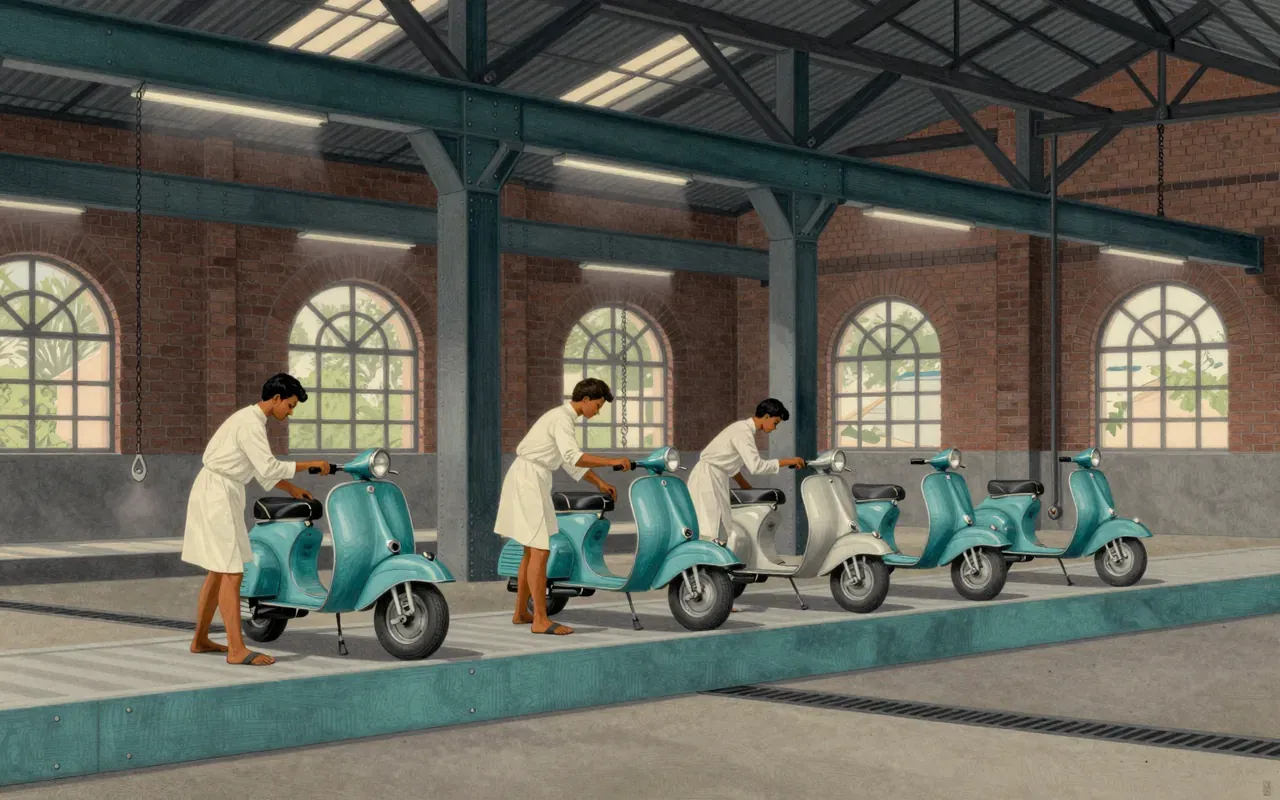
    Its first motorcycle was a 48 cc, 40 mph commuter bike — and by 1954, output hit 120 units per day.

Worth your time?

Yes. Study the whole thing.

4/ 5
What works
  • factory continuity
  • technical reuse
  • low-cost scaling
  • wartime production adaptation
What does not
  • motorcycles
  • luxury
  • sport
  • design
Study it if
  • manufacturing historians
  • industrial policy analysts
  • supply chain strategists
Skip it if
  • brand marketers
  • consumer product designers
  • venture investors
The written brief1 min read

What the company or idea is

Ducati is a Bologna-based industrial firm founded in 1926 to make radio components, which survived WWII bombing, then pivoted to motorcycles in 1950 using a borrowed engine design.

How it actually makes money

Ducati made money by manufacturing radio components from 1926, then shifted to motorcycle engines and complete bikes after 1950. Revenue came from selling Cucciolo engines to SIATA, then from its own lightweight motorcycles — low-cost, high-volume commuter machines.

What works

Its ability to scale production rapidly — from first bike in 1950 to 120 units per day by 1954 — rested on reusing proven mechanical designs, lean specifications (48 cc, 98 lb), and integration of pre-war engineering capability.

What does not

The company did not establish itself as a motorcycle maker by design. Its pivot was opportunistic, not strategic. It had no motorcycle expertise before 1950 and built its first bike from an outsourced engine.

What to take from it

Resilience is not a virtue but a function of infrastructure: Ducati kept producing because it retained tooling, skilled labour, and factory space — even after the Borgo Panigale plant was destroyed on 12 October 1944.

Is it worth your time

Yes, if you are studying how industrial capacity, wartime continuity, and technical pragmatism shape postwar manufacturing transitions — not as a motorcycle brand story, but as a case of adaptive engineering under constraint.
Same desk · Companies4 of 208
Up next in Business

Duke Energy

1904 · 11:23

A century-old utility built on coal and nuclear isn’t transitioning—it’s being transitioned, one regulator-approved rate case at a time.

11:23