What the company or idea is
Pfizer is a multinational pharmaceutical and biotechnology corporation founded in 1849 in Brooklyn by Charles Pfizer and Charles F. Erhart.
How it actually makes money
Pfizer makes money by developing and producing medications and vaccines across immunology, oncology, cardiology, endocrinology, and neurology — but its early revenue came from food flavourings, iodine preparations, citric acid for soft drinks, and santonin.
What works
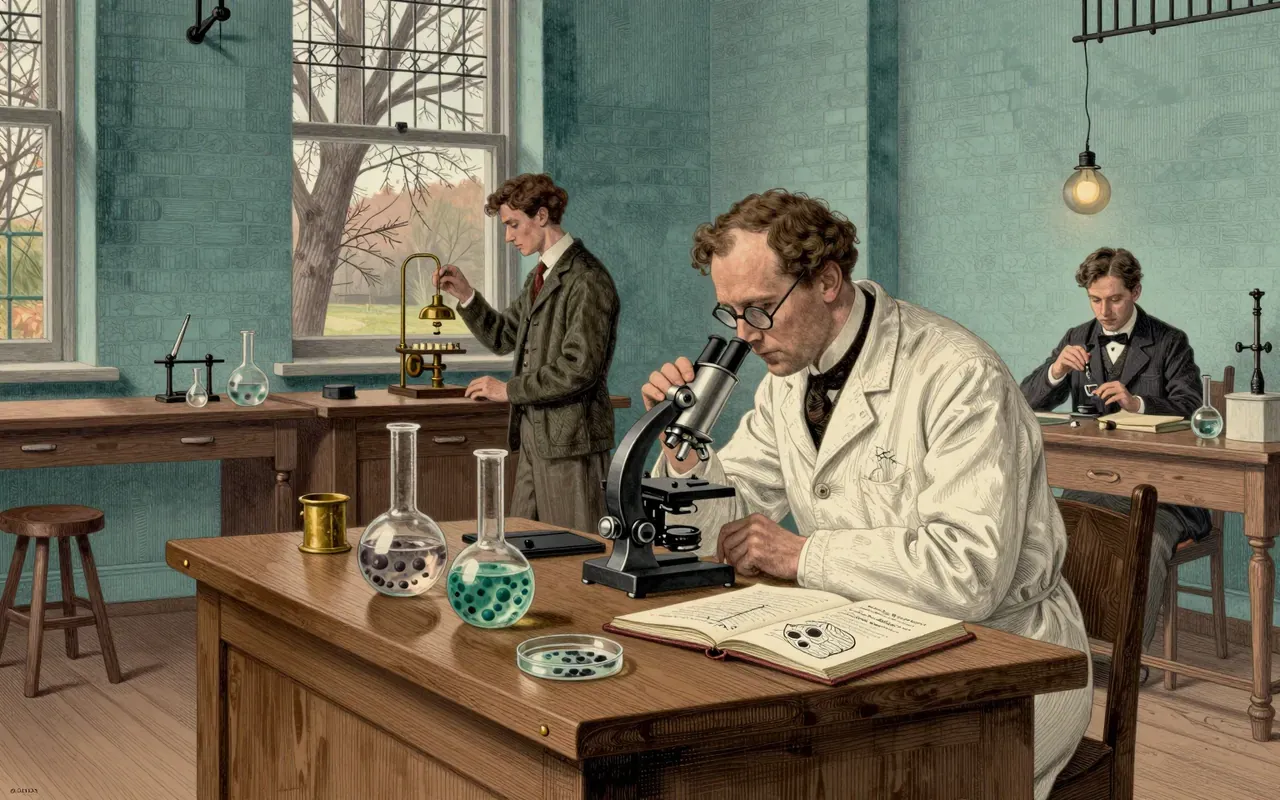
Its ability to industrialise biological processes — first citric acid using fungal fermentation by 1919, then penicillin via deep-submergence fermentation in WWII — created scalable production where others could not.
What does not
The company did not begin as a therapeutic innovator. Its founding products were industrial chemicals and food additives — not medicines — and its pivot to antibiotics was opportunistic, not premeditated.
What to take from it
Capability follows constraint: Pfizer’s fermentation mastery emerged from wartime shortages, not R&D strategy. Its business model evolved through applied chemistry, not clinical insight.
Is it worth your time
Yes — as a case study in how fermentation expertise, built to solve supply-chain shocks (citric acid in WWI, penicillin in WWII), became a durable industrial capability that shaped therapeutic scale.