businessbriefs
9:16in productionCh. 1 · The Pivot/ 9:16 · ceiling 15 min
Startups & venture · Product

Instagram

Instagram wasn’t built to last — it was built to be bought.

Instagram is a photo- and short-video-sharing social networking service launched in October 2010 by Kevin Systrom and Mike Krieger in San Francisco, after pivoting from a check-in app called Burbn.

Chapters & takeaways4
  1. 1:06
    The Pivot

    Instagram began as Burbn — a Foursquare clone — and only became Instagram after the founders noticed users ignored check-ins but loved filters.

  2. 2:18
    The Launch Window

    The first post went up in July 2010; the app launched in October — a 90-day sprint from prototype to public product.

  3. 4:09
    The Name

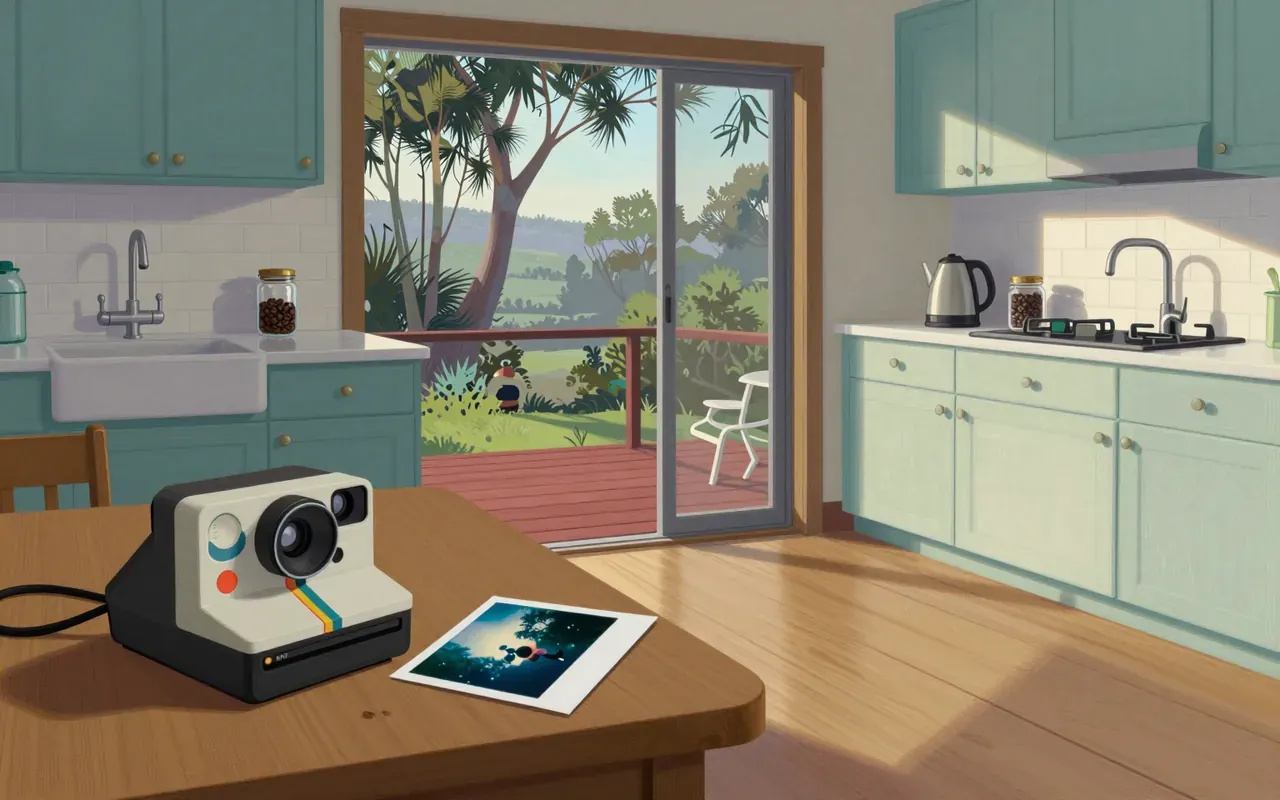
    Instagram isn’t a made-up word — it’s a portmanteau of ‘instant camera’ and ‘telegram’, signalling its dual promise: immediacy and transmission.

  4. 5:16
    The Exit

    Facebook paid $1 billion in cash and stock for Instagram 18 months after launch — before it had a monetisation plan, a team beyond 13 people, or an Android app.

Worth your time?

Yes. Study the whole thing.

4.5/ 5
What works
  • filter-driven interface
  • iOS-first launch strategy
  • hashtag-based discovery
What does not
  • operates as an independent business
  • generates standalone financial results
  • has a monetisation plan pre-acquisition
Study it if
  • founders building narrow-scope products
  • product managers studying rapid iteration
  • investors assessing acquisition logic over unit economics
Skip it if
  • those seeking lessons in sustainable standalone monetisation
  • teams building infrastructure-heavy platforms
  • students of long-term brand-building
The written brief1 min read

What the company or idea is

Instagram is a photo- and short-video-sharing social networking service launched in October 2010 by Kevin Systrom and Mike Krieger in San Francisco, after pivoting from a check-in app called Burbn.

How it actually makes money

Instagram makes money through advertising. Advertisers pay to place sponsored posts and stories in users’ feeds and discovery surfaces. It does not charge users for access or features.

What works

The filter-driven interface worked because it solved a real bottleneck: making mobile photos look intentional without editing skill. Hashtags and geotagging gave early users discoverability without algorithms. The iOS-first launch captured high-engagement early adopters before Android scale diluted focus.

What does not

Instagram does not operate as an independent business. It has not generated standalone financial results since its 2012 acquisition by Facebook (now Meta). Its product decisions, infrastructure, and revenue model are fully subsumed into Meta’s ad stack.

What to take from it

The Instagram case shows that speed of iteration — from first post (July 2010) to acquisition (April 2012) — matters more than technical novelty. Its value lay in bundling existing behaviours (filtering, tagging, sharing) into one frictionless flow, then scaling that flow under Meta’s ad infrastructure.

Is it worth your time

Yes — if you are studying how a single, tightly scoped product feature (photo filters) became the nucleus of a $1 billion acquisition, and how platform economics pivot from user growth to ad monetisation within 22 months.

Same desk · Startups & venture4 of 43
Up next in Business

Jack Ma

· 12:36

Alibaba isn’t one company — it’s nine regulated bets held together by a founder who walked away to study rice farming.

12:36