Kaufland isn’t a retail innovator — it’s a strategic acquirer that turned post-reunification timing and antitrust loopholes into eastern German dominance.
Kaufland is a German hypermarket chain founded in 1984 in Neckarsulm, part of the Schwarz Gruppe, and developed by Dieter Schwarz as a full-range alternative to Lidl’s discount format. It makes money by selling groceries and general merchandise from hypermarkets averaging over 10,000 m², operating under vertical integration — running in-house bakeries since 1994, meat processing facilities, and organic product lines launched in November 2018. Its strategy of acquiring competitor assets (e.g., 12 famila stores and a Cash-&-Carry-Markt in January 2010) and rebranding existing Handelshof locations gave it rapid scale. It dominates eastern Germany today — a result of opening its first East German store in Meißen in 1990, immediately after reunification. Its Australian expansion failed within a year (2019–2020), exposing limits to its model outside culturally and logistically aligned markets. It does not operate outside Europe. The gap between Kaufland’s self-presentation as a sustainability- and quality-driven retailer (e.g., 2021 decarbonisation strategy, organic range) and its operational reality — acquisitions, rebranding, and regional dominance built on post-reunification timing and antitrust-cleared takeovers — reveals how legacy retail power consolidates without innovation.
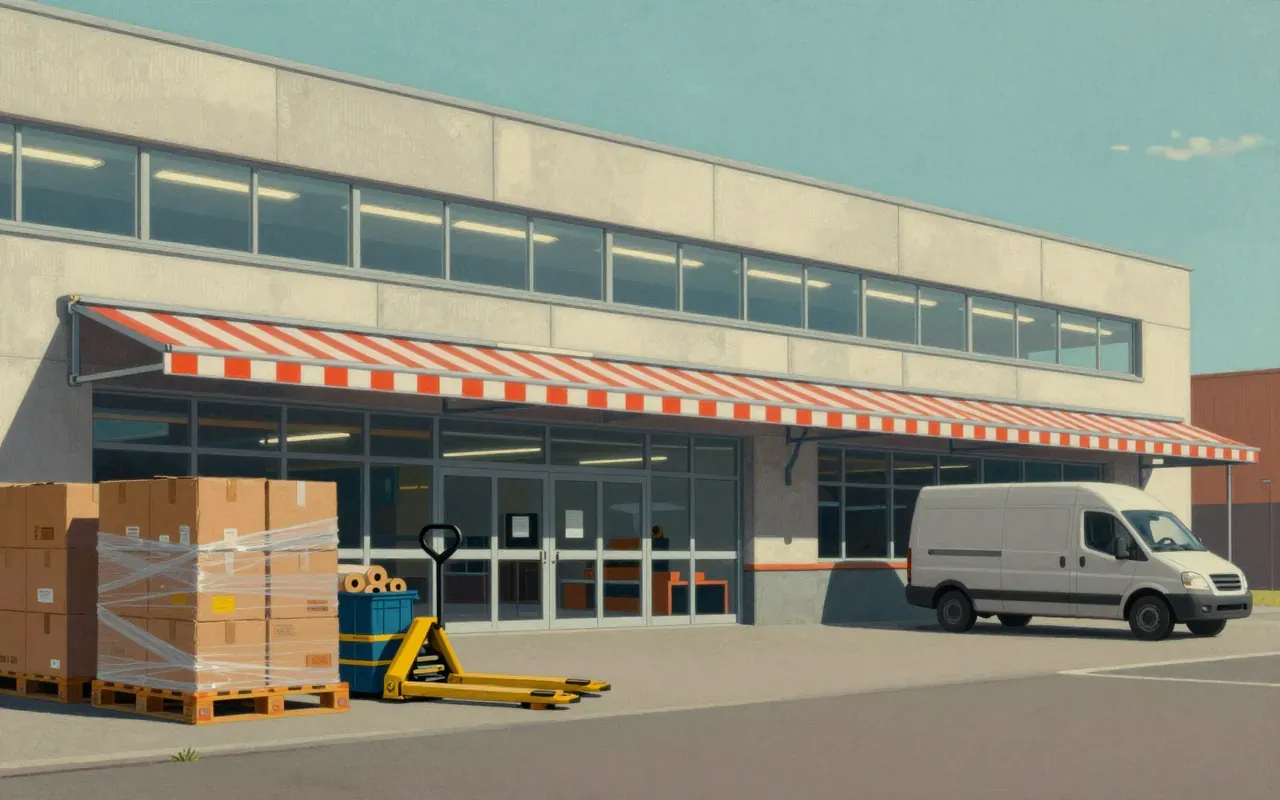
Kaufland began as Handelshof in 1968 — not as a new concept, but as a rebranded legacy.
2:36
Two chains, one strategy
It was designed as a counterpoint to Lidl — same owner, opposite model.
3:47
Timing as infrastructure
Eastern German dominance came from speed — opening in Meißen in 1990, before competitors could regroup.
4:59
Acquisition as expansion
Growth relied on buying competitors’ stores, not building them — including 12 famila outlets cleared by antitrust authorities in 2010.
6:16
Geographic containment
International growth started late (1998) and stayed regional — no presence beyond Europe.
7:21
Scale without sprawl
It operates over 1,470 supermarkets in Europe as of 2020 — but none outside it.
Worth your time?
Yes. Study the whole thing.
3.5/ 5
What works
regional dominance through timing
vertical integration in food processing
acquisition-led expansion
What does not
innovation
international scalability
brand-led differentiation
Study it if
retail operators
antitrust analysts
post-reunification economic historians
Skip it if
tech founders
VC investors
consumer brand strategists
The written brief1 min read
What the company or idea is
Kaufland is a German hypermarket chain founded in 1984 in Neckarsulm, part of the Schwarz Gruppe, and developed by Dieter Schwarz as a full-range alternative to Lidl’s discount format.
How it actually makes money
Kaufland makes money by selling groceries and general merchandise from hypermarkets averaging over 10,000 m², operating under vertical integration — running in-house bakeries since 1994, meat processing facilities, and organic product lines launched in November 2018.
What works
Its strategy of acquiring competitor assets (e.g., 12 famila stores and a Cash-&-Carry-Markt in January 2010) and rebranding existing Handelshof locations gave it rapid scale. It dominates eastern Germany today — a result of opening its first East German store in Meißen in 1990, immediately after reunification.
What does not
Its Australian expansion failed within a year (2019–2020), exposing limits to its model outside culturally and logistically aligned markets. It does not operate outside Europe.
What to take from it
The gap between Kaufland’s self-presentation as a sustainability- and quality-driven retailer (e.g., 2021 decarbonisation strategy, organic range) and its operational reality — acquisitions, rebranding, and regional dominance built on post-reunification timing and antitrust-cleared takeovers — reveals how legacy retail power consolidates without innovation.
Is it worth your time
Yes — as a case study in deliberate, capital-intensive retail divergence: one family built two parallel chains (Lidl and Kaufland) with opposing models, then used scale, acquisition, and timing to dominate eastern Germany and expand across Central and Eastern Europe.