businessbriefs
10:12in productionCh. 1 · The first store wasn’t the founding/ 10:12 · ceiling 15 min
Companies

Metro AG

1964

Metro AG isn’t shrinking — it’s retreating with receipts.

Metro AG is a German business-to-business cash and carry wholesaler founded in 1964. It operates membership-only wholesale centres. As of September 2025, it runs 622 stores in 21 countries. Its current structure dates from a 2017 spin-off that created Ceconomy. It sold its Real general retail division in 2020. It was the world’s fourth-largest retailer by revenue in 2010. It has exited numerous international markets since then — but remains active in Russia after the 2022 invasion.

Chapters & takeaways4
  1. 0:57
    The first store wasn’t the founding

    Metro began not in 1964 as a corporation, but in 1963 as a single wholesale centre — and incorporated only after merging three independent cash and carry ventures.

  2. 2:38
    Two breakups, not one

    The ‘current’ Metro AG is a 2017 spin-off — the old company became Ceconomy, and Real was sold in 2020.

  3. 4:24
    Scale without growth

    It operated 622 stores across 21 countries as of September 2025 — down from fourth-largest global retailer by revenue in 2010.

  4. 5:58
    Membership is the margin

    It serves only registered business customers — no walk-in retail, no consumer branding, no loyalty points.

Worth your time?

Yes. Study the whole thing.

3.5/ 5
What works
  • Clear separation of business models via spin-off and sale.
  • Sustained operational scale in core markets.
  • Transparent membership-based revenue logic.
What does not
  • It does not serve consumers.
  • It does not operate outside the wholesale format.
  • It does not retain ownership of Ceconomy or Real.
Study it if
  • Retail strategists.
  • Supply chain operators.
  • Corporate restructuring analysts.
Skip it if
  • Consumer brand marketers.
  • Startup founders seeking growth playbooks.
  • Investors looking for expansion signals.
The written brief1 min read

What the company or idea is

Metro AG is a German business-to-business cash and carry wholesaler founded in 1964, operating membership-only wholesale centres under the Metro brand.

How it actually makes money

Metro AG makes money by charging business customers membership fees and selling bulk goods at low margins from cash and carry warehouses.

What works

Its membership model and warehouse format deliver scale in mature European markets; the 2017 spin-off cleanly separated electronics (Ceconomy) from wholesale, enabling targeted capital allocation.

What does not

Its claim to global wholesale leadership is undermined by sustained retreat: it exited numerous international markets after 2010 and remains operationally active in Russia after the 2022 invasion — a decision that contradicts its stated values and isolates it from Western peers.

What to take from it

Metro shows how structural clarity — achieved via spin-off and divestment — can sharpen focus but cannot compensate for unresolved geopolitical exposure or delayed market exits.

Is it worth your time

Yes — as a case study in strategic contraction, post-spin-off identity, and the financial and reputational cost of market exit timing.
Same desk · Companies4 of 315
10:34
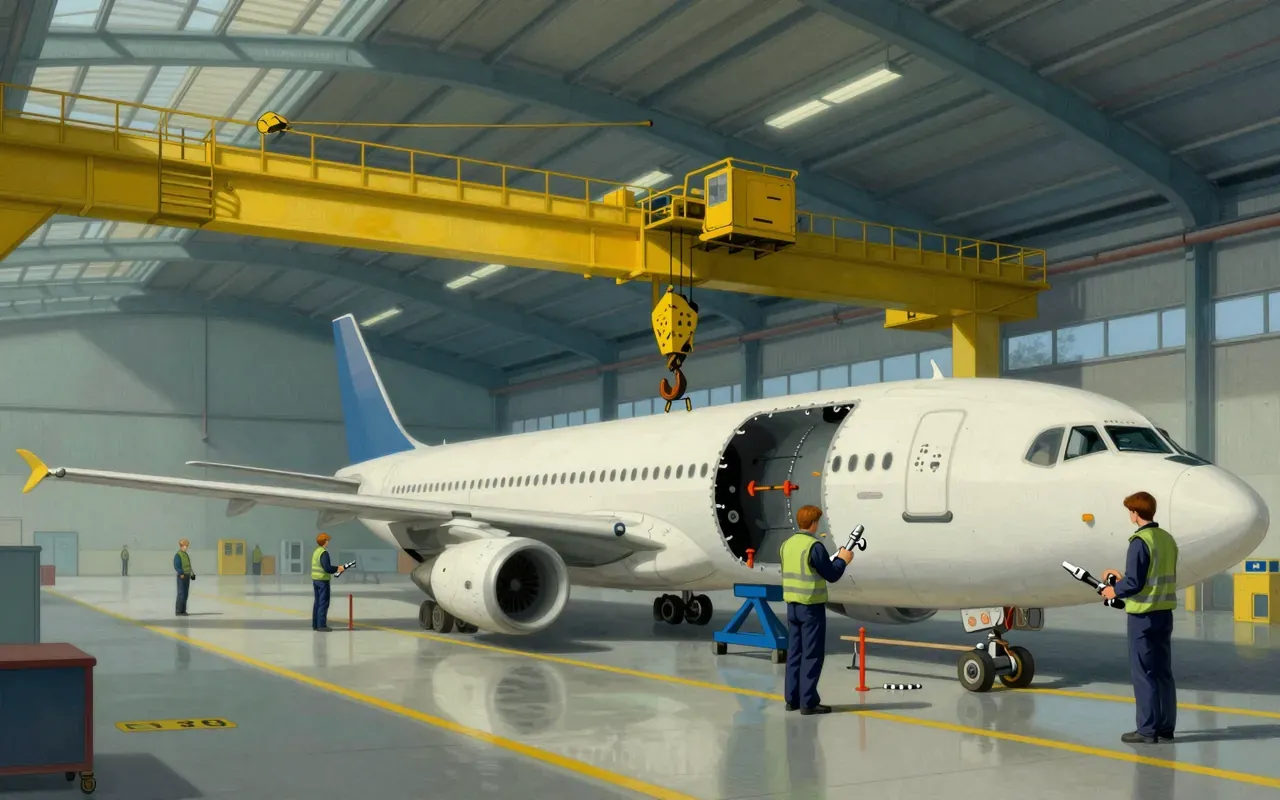
Airbus1998Airbus in 1998 was a consortium — not a company — sustained by national governments and bound by treaty, not equity. Its money came from airliner sales, but its structure reflected diplomacy more than business logic. It worked because Europe prioritised strategic autonomy over market efficiency. It failed as a unified enterprise until it abandoned the consortium model entirely. The lesson is structural: scale in aerospace is political first, economic second.
12:10
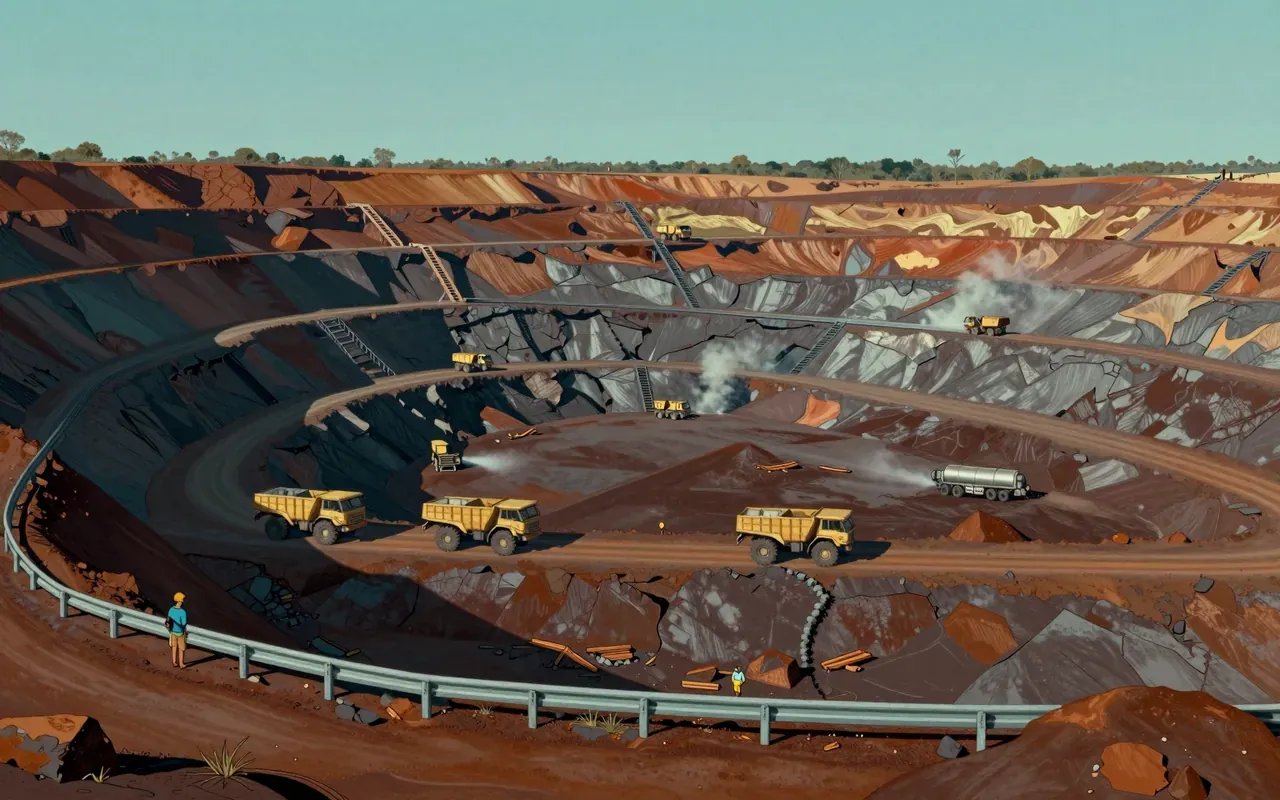
Anglo American plc1917Anglo American plc is a British multinational mining company headquartered in London, founded in 1917 in Johannesburg. It is the world's largest platinum producer (40% of global output) and owns 85% of De Beers. It merged with Minorco in 1999 to become Anglo American plc, and with Teck Resources in 2025 to form Anglo Teck. Between 2015 and 2015, it cut 138,000 jobs. In early 2015, it reported a $3 billion loss. It withdrew from the Pebble Mine in 2013 and partnered with Engie and First Mode in 2019 to develop a hydrogen-powered haul truck.
10:53
ArcelorMittalLakshmi Mittal · 2006ArcelorMittal is the world’s second-largest steelmaker — a $33 billion hostile merger of Mittal Steel and Arcelor in 2007. It operates across mining, smelting, and recycling in 14 countries. In 2025, it produced 55.6 million tons of steel against 74.6 million tons of capacity — 53% in Europe, 40% in the Americas. It sources 72% of its iron ore and 91% of its coke internally. The Mittal family surrendered control to close the deal. It is not a technology company. It is not growing. It is a vertically integrated commodity producer whose scale is structural, not strategic.
11:50
Barrick MiningPeter Munk · 1983Barrick Mining is a gold-and-copper extraction company built through strategic acquisitions — not innovation, not discovery, not vertical integration. Its value lies in scale: 89 million ounces of gold in reserves, 3.91 million ounces produced in 2024, and a history of absorbing rivals like Placer Dome. But its governance fails where operations meet people: in 2008, Peter Munk personally silenced testimony about violence at Porgera. That gap — between reserve size and human accountability — is the real story.
Up next in Business

Mitsubishi

1870 · 9:01

A federation of Japanese multinationals that began as a shipping firm in 1870, held together by a shared name and the Friday Conference.

9:01