H&M didn’t invent fast fashion — it systematised its expansion, then outsourced its consequences.
H&M is a Swedish multinational clothing company headquartered in Stockholm, founded in 1947 by Erling Persson in Västerås as a women’s-only retailer named Hennes. Built on a fast fashion business model, it sells apparel, accessories, and homeware. In 1968, Persson acquired the hunting apparel retailer Mauritz Widforss, added menswear, and changed the name to Hennes & Mauritz. The company was listed on the Stockholm Stock Exchange in 1974 and opened its first store outside Scandinavia in London in 1976. It began online retailing in 1998 using the domain hm.com, registered in 1997.
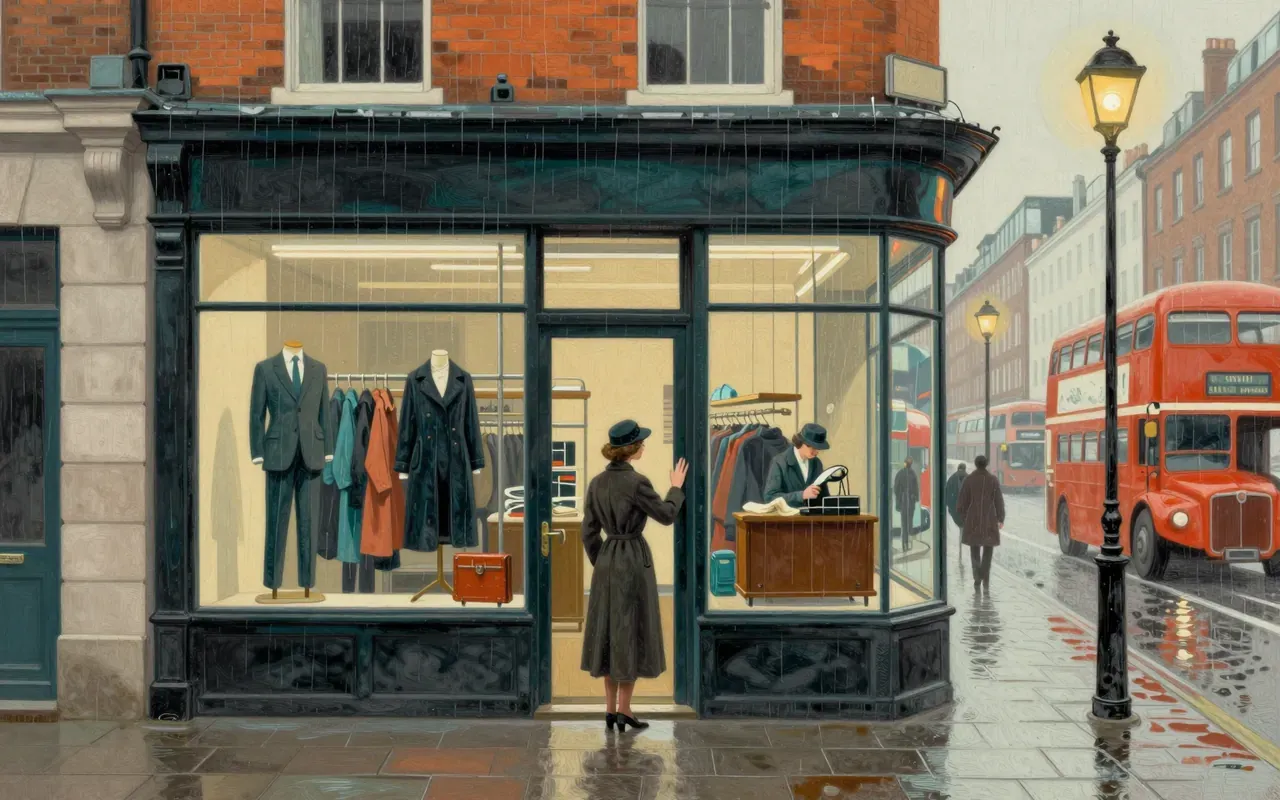
H&M began as a single women’s shop in Västerås — not a global brand, but a local experiment in accessible style.
2:44
1968: A name change with strategy behind it
The 1968 acquisition of a hunting apparel retailer wasn’t about heritage — it was the deliberate entry into menswear and the birth of the H&M name.
4:07
1974–1976: Capital and conquest
Listing on the Stockholm Stock Exchange in 1974 and opening in London in 1976 show capital and geography were aligned before digital infrastructure existed.
6:08
1997–1998: Domain first, delivery later
H&M registered hm.com in 1997 and launched online retail in 1998 — early, but not first; its digital move followed physical dominance, not preceded it.
Worth your time?
Yes. Study the whole thing.
3.5/ 5
What works
brand architecture
geographic expansion sequencing
private-label sourcing at scale
What does not
unit economics
supply chain transparency
true cost of returns or waste
Study it if
retail strategists
supply chain analysts
founder-led business historians
Skip it if
investors seeking margin data
sustainability auditors
consumers seeking ethical assurance
The written brief1 min read
What the company or idea is
H&M is a Swedish multinational clothing company headquartered in Stockholm, founded in 1947 by Erling Persson in Västerås as a women’s-only retailer named Hennes.
How it actually makes money
H&M makes money by selling apparel, accessories, and homeware through a fast fashion business model — rapid design-to-shelf cycles, high volume, low margins, and frequent inventory turnover.
What works
The 1968 acquisition of Mauritz Widforss enabled menswear expansion and rebranding to Hennes & Mauritz — a decisive strategic pivot. Going public in 1974 and opening in London in 1976 proved international scalability before digital retail existed.
What does not
The model does not scale sustainably without externalising environmental and labour costs. It relies on continuous growth, yet offers no verified data on unit economics, supply chain margins, or true cost of returns or unsold stock.
What to take from it
H&M demonstrates how a founder-led retailer can institutionalise speed, standardisation, and brand consistency — but its silence on unit-level profitability, supplier payments, or logistics costs leaves the financial engine opaque.
Is it worth your time
Yes — as a foundational case study in scaling retail across borders using vertical integration, private-label sourcing, and aggressive real estate expansion — but only if you treat its public narrative as separate from its operational mechanics.