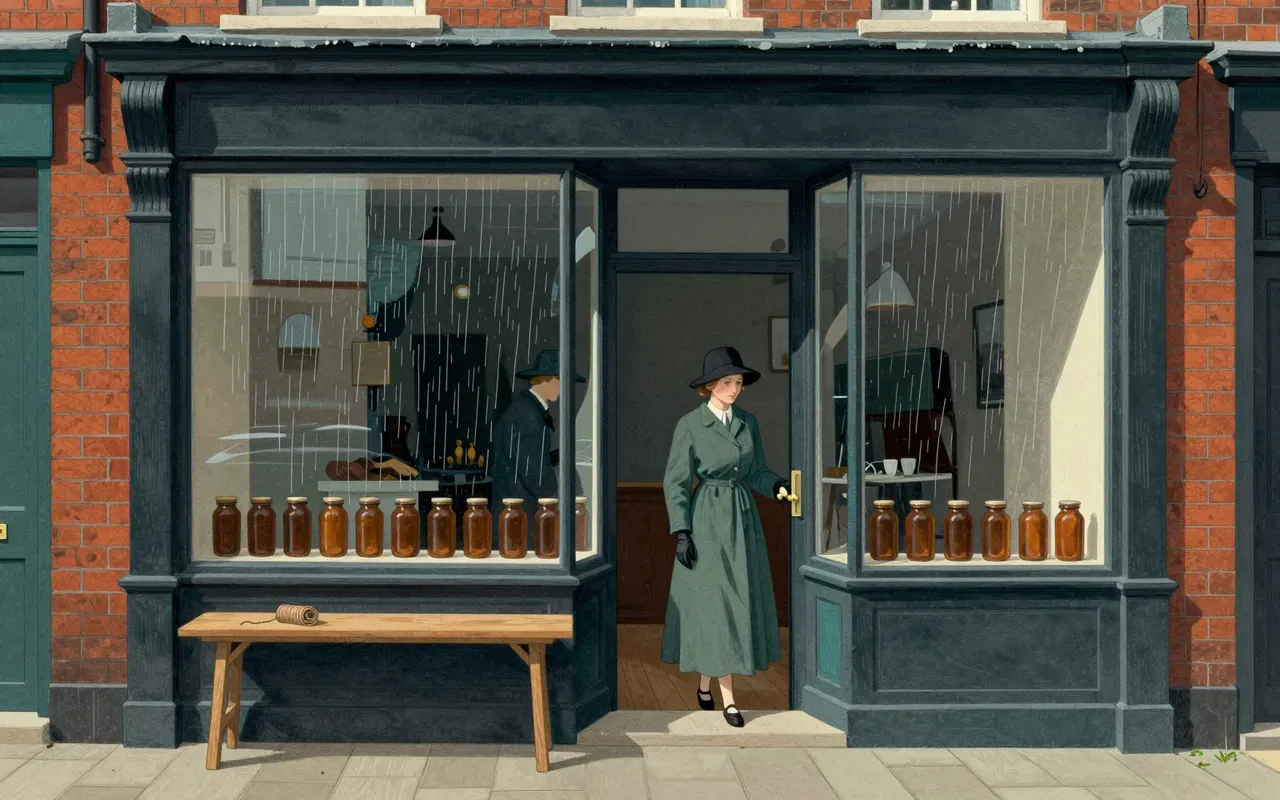
Tesco wasn’t built on insight — it was built on refusal: refusal to charge more, to hire more, or to pretend retail needed ceremony.
Tesco is a British multinational groceries and general merchandise retailer headquartered in Welwyn Garden City, England. It was founded in 1919 by Sir Jack Cohen in Hackney, London, beginning with a market stall selling war-surplus groceries. The Tesco brand emerged in 1924 from supplier initials and Cohen’s surname. The first dedicated shop opened in 1931 in Edgware. It was floated on the London Stock Exchange in 1947. It pioneered self-service (1948) and supermarket formats (1956). Cohen’s core business method was 'pile it high and sell it cheap' and the motivational internal motto 'YCDBSOYA'.
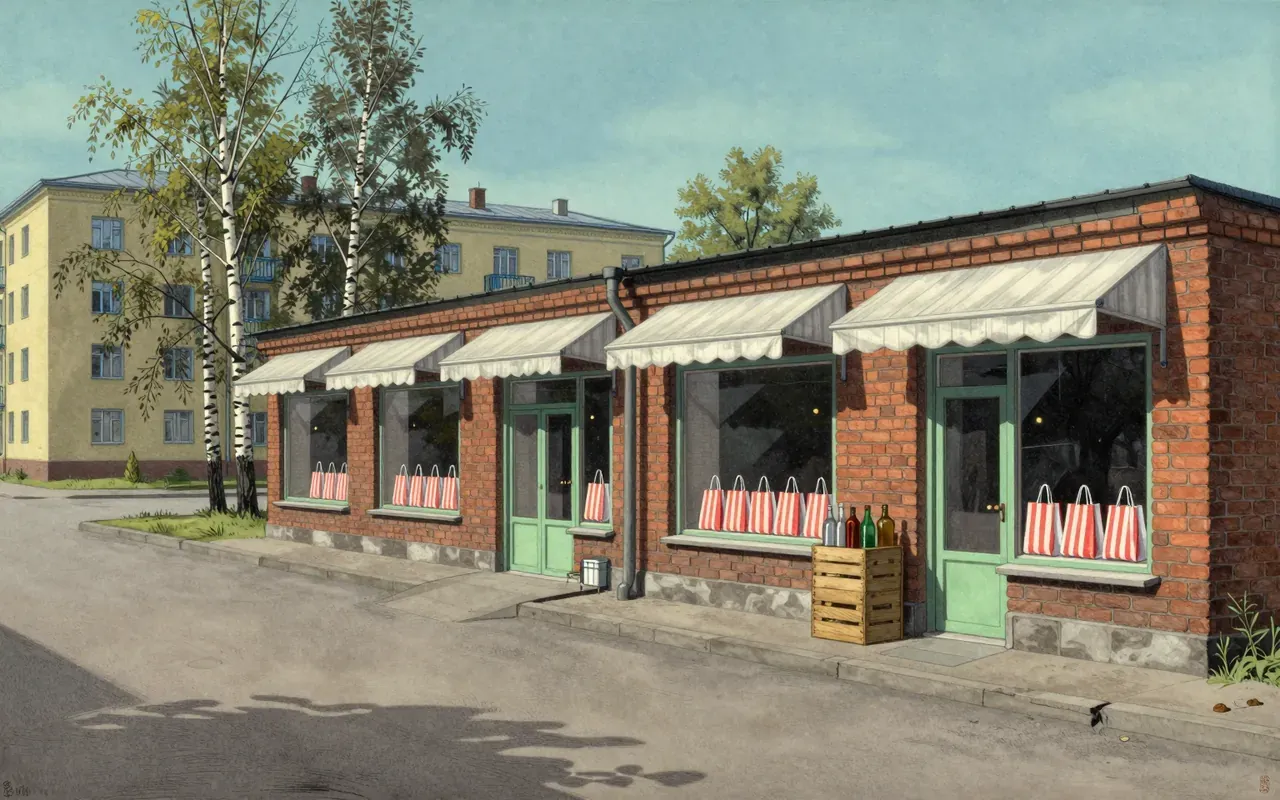
Tesco began as a war-surplus stall — not a vision, but a tactical response to surplus inventory and cheap rent.
2:05
TES + CO = No Meaning, Just Utility
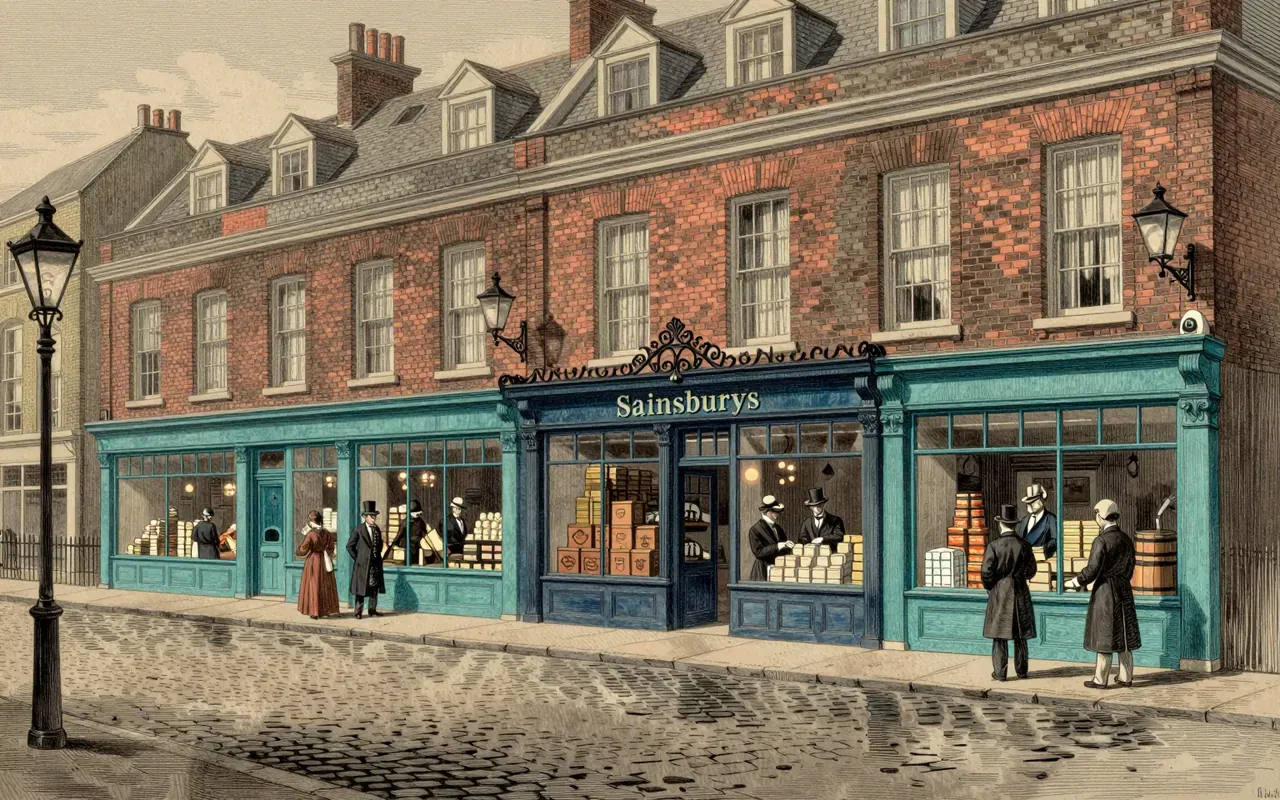
The name Tesco was an accident of labelling — not a brand strategy, but a supplier’s initials fused with a surname.
3:34
Brick-and-Mortar Before Self-Service
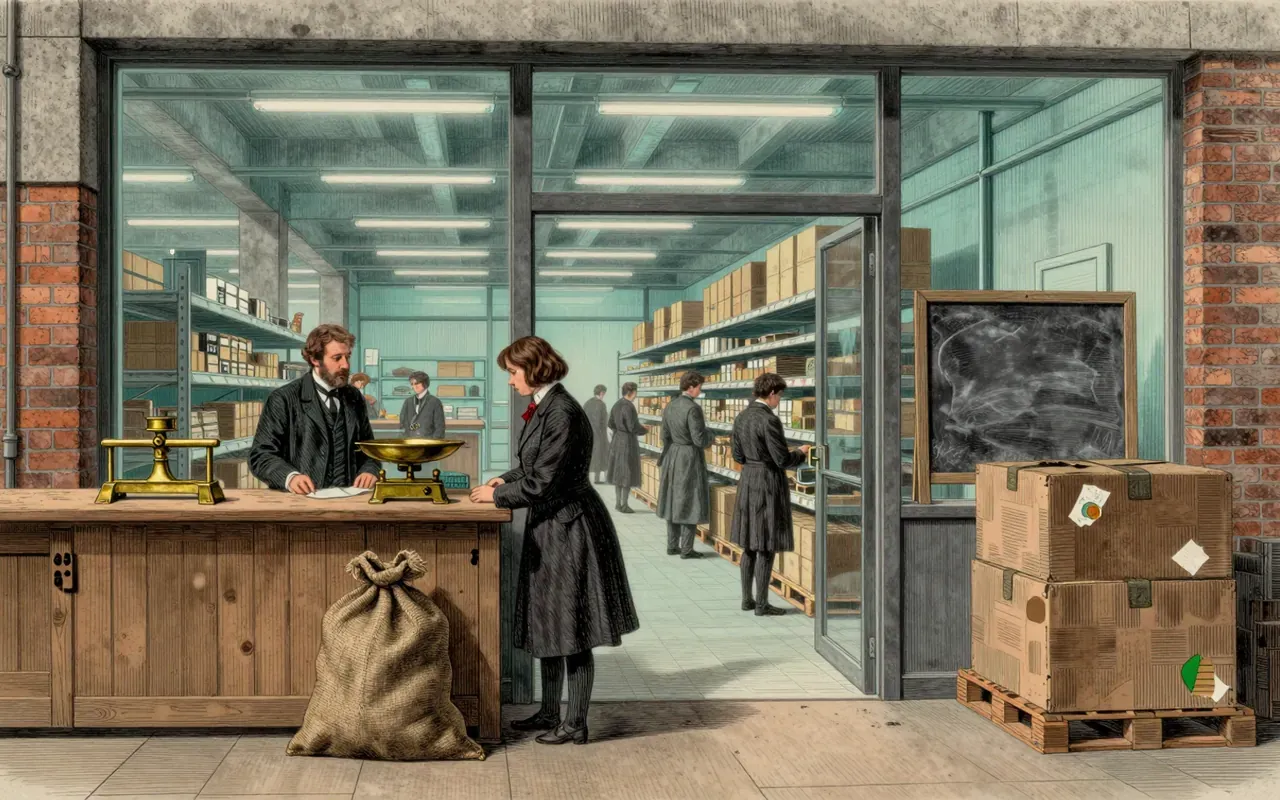
The first shop opened in 1931; the first self-service shop followed in 1948 — proving Cohen prioritised operational control over customer theatre.
4:52
Motivation Was the Operating System
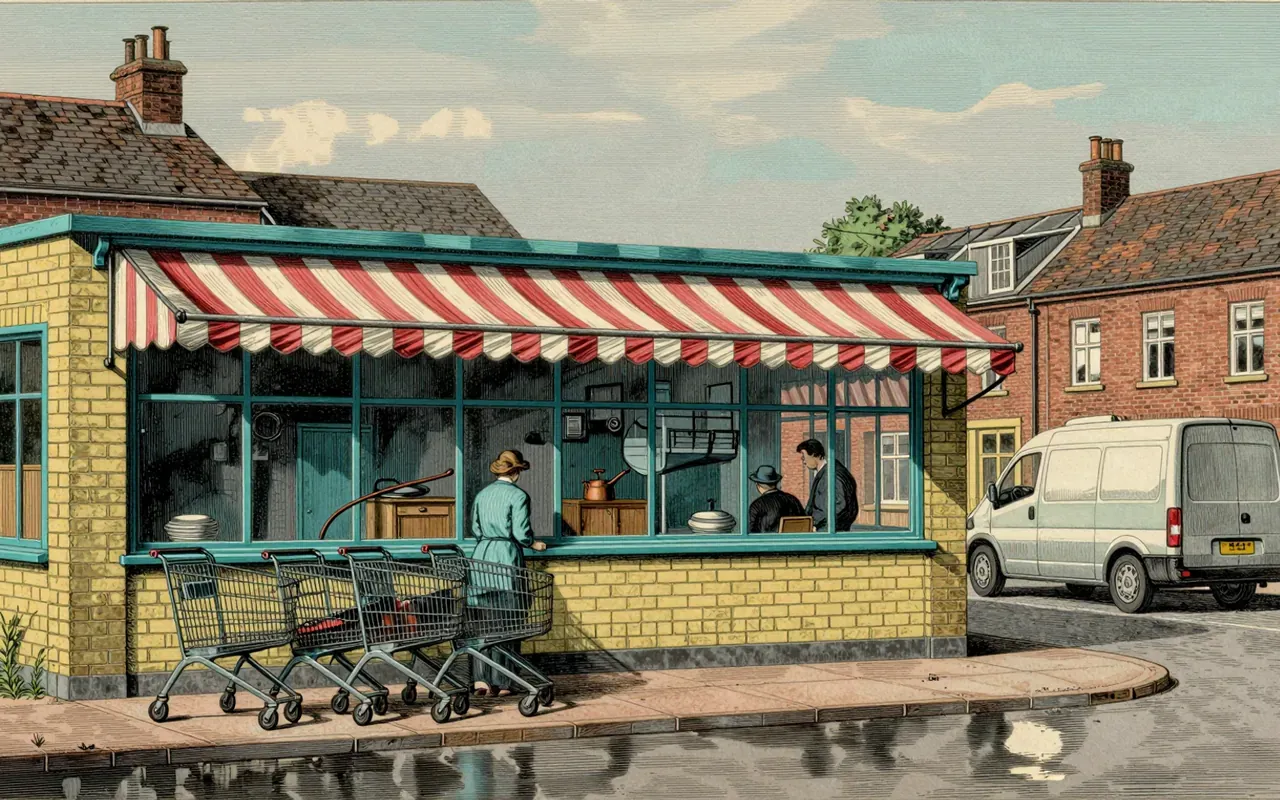
Floating on the LSE in 1947 funded expansion, but the real engine was internal discipline: 'YCDBSOYA' meant no delegation without accountability.
Worth your time?
Yes. Study the whole thing.
4.5/ 5
What works
high-volume low-margin execution
operational standardisation
post-war infrastructure alignment
What does not
innovation in product development
premium branding
service differentiation
Study it if
operators
logistics designers
pricing strategists
Skip it if
brand consultants
product designers
tech platform builders
The written brief1 min read
What the company or idea is
Tesco is a British multinational groceries and general merchandise retailer founded in 1919 by Jack Cohen in Hackney, London.
How it actually makes money
Tesco makes money by selling groceries and general merchandise at low margins, relying on high volume and rapid stock turnover.
What works
The self-service format (1948) and supermarket model (1956) worked because they reduced staffing costs, increased basket size, and aligned with rising car ownership and suburban housing — all before competitors adapted.
What does not
The ‘pile it high and sell it cheap’ method does not scale into differentiated service, premium branding, or margin resilience when cost inflation bites or competition shifts to convenience or experience.
What to take from it
Cohen built Tesco not around innovation in products or technology, but around ruthless simplification of the retail transaction: cut intermediaries, compress space, eliminate service labour, and standardise price signals.
Is it worth your time
Yes — it is a foundational case study in mass retail logistics, pricing discipline, and operational scaling in post-war Britain.